



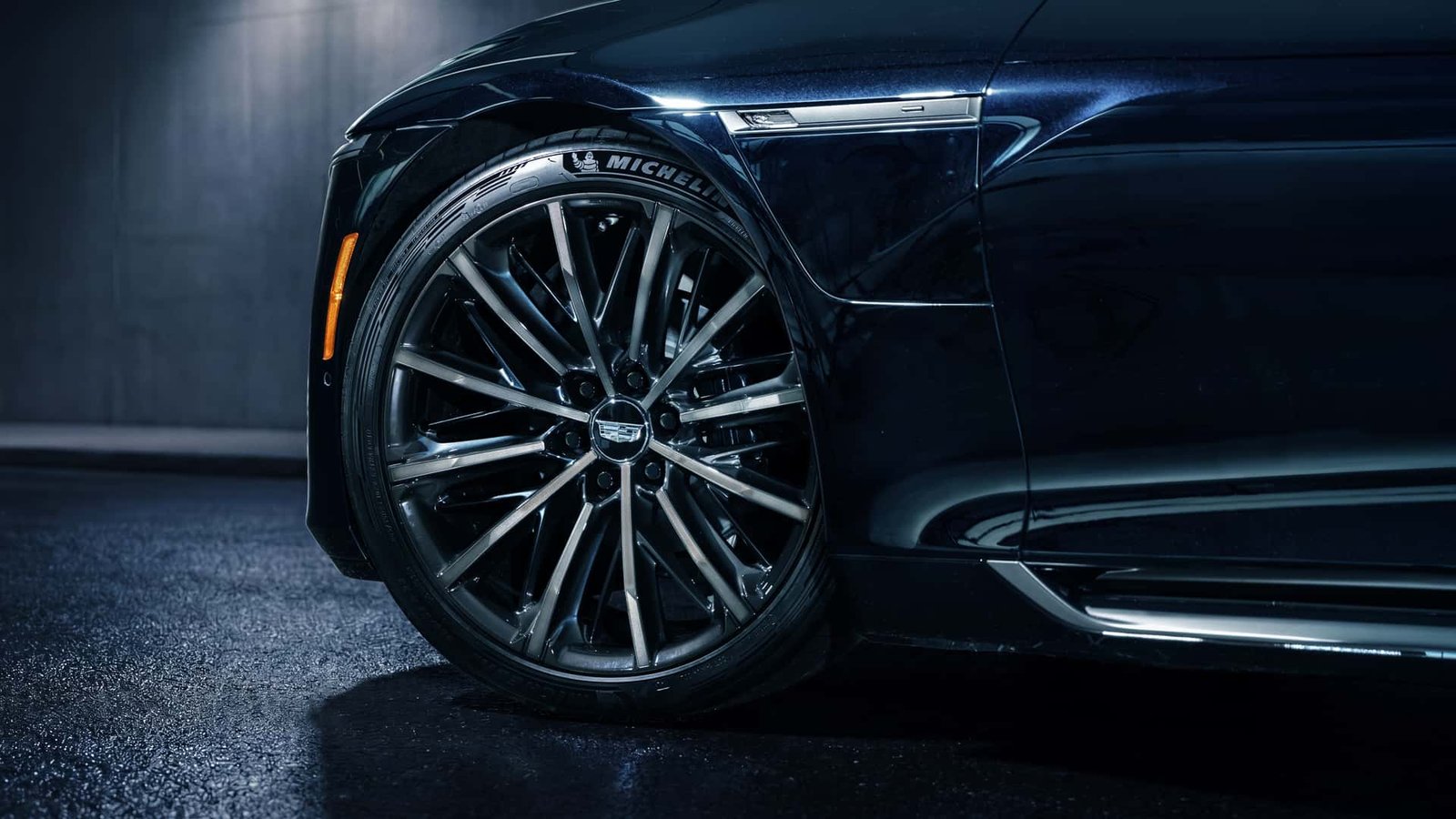
- NHTSA upgraded its eBoost probe to an engineering analysis covering 1,164,820 GM, Honda and Acura vehicles.
- Investigators logged 745 eBoost failure reports, 22 crashes or fires and six injuries, with no deaths reported.
- Engineering analysis is the step before regulators can force a recall.
NHTSA has elevated its look at GM’s eBoost brake system to an engineering analysis, the last step before regulators can force a recall. The scope now covers about 1.16 million GM, Honda and Acura vehicles with the electronic brake booster, an expansion detailed in the official ODI engineering analysis.
The upgrade means investigators see enough risk signals to dig into hardware, software and vehicle data behind hundreds of complaints, even though they have not yet labeled the system a safety defect.
Investigation Now Covers Over 1.1 Million Vehicles
The Office of Defects Investigation opened a preliminary evaluation in April 2024 after owners of the 2023 Cadillac Lyriq reported losing brake assist. That review has now run for more than 2 years and grown into a formal engineering analysis, the same escalation path NHTSA used when it widened its L87 V8 engine investigation earlier this month.
Federal filings list 1,164,820 vehicles across 14 model lines from the 2023 through 2026 model years, with 745 unique eBoost failure reports, 22 crashes or fires and six injuries, but no deaths reported so far.


Which GM, Honda and Acura models are covered
The eBoost population includes Cadillac’s EV lineup such as the Lyriq, Optiq and Celestiq, along with the Chevrolet Blazer EV and Equinox EV. Gas and hybrid crossovers are also in scope, including the Buick Enclave and Envision, Chevrolet Traverse, GMC Acadia, the Cruise Origin, plus Chevrolet Colorado and GMC Canyon pickups.
Two vehicles GM builds for Honda are covered as well. The Honda Prologue and Acura ZDX, both built on GM’s Ultium platform and already recalled once this year for black-screen issues, share the same eBoost hardware and now face the same brake investigation.
Complaints describe a hard brake pedal or a “Brake System Failure” warning at startup or mid-drive, and NHTSA warns that sudden loss of brake assist could extend stopping distance. That potential for longer stops in real-world driving is what the analysis is meant to pin down.
Owners who see brake warning lights, feel a firm pedal or notice unusual braking should document what happened and contact a dealer instead of waiting for a recall notice. GM has already handled a related shared-component issue in Honda and Acura V6 models built alongside GM platforms, a reminder that common parts can lead to wide-ranging fixes.
Motor1’s Take: Watch whether investigators steer this toward a software update or a hardware repair, since software can roll out faster while parts changes take longer and usually touch more vehicles. Because multiple brands share the same braking hardware, the probe could lead to coordinated fixes across lineups, even though a recall remains uncertain and the investigation could run for quite a while.
Read the full article here