

- BMW has been moving away from traditional switches and buttons for the past few years.
- New models like the i3, iX3, and the X5/iX5 take the minimalist approach to the next level.
- BMW believes talking to your car and using touch interfaces is increasingly normal among younger generations.
Ask 10 car companies why they’re moving away from buttons, and you’ll probably get 10 answers, none of which include the elephant in the room: cost-cutting. BMW also has other reasons to justify why its latest interiors lean heavily into voice and touch commands at the expense of conventional controls. Munich is embracing a future with fewer physical buttons, and apparently, that’s what the younger generation prefers.
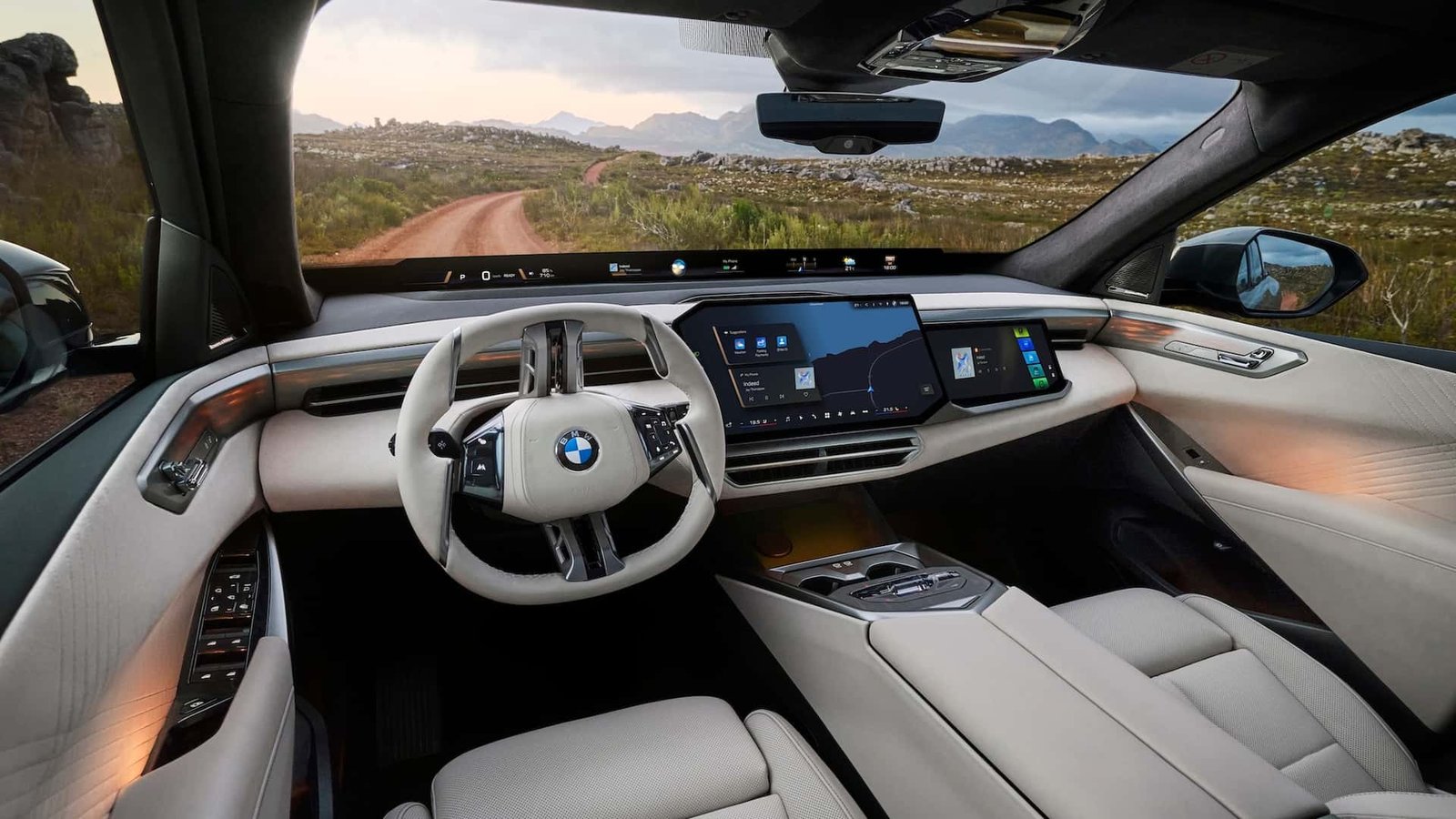
According to the luxury German automaker, drivers are increasingly comfortable using voice commands and touchscreens, which is why dashboards over the past few years have been designed with a simplified layout. Fresh models from the Neue Klasse wave, such as the i3 sedan, iX3, and X5/iX5, have even fewer physical controls, at least compared with their predecessors.
Instead, occupants interact with the car through voice commands, a touchscreen, and BMW’s new haptic steering-wheel keys. Speaking to CarExpert, BMW Group Australia CEO Vikram Pawah explained that the change reflects broader trends in consumer tastes. He pointed out that voice and touch have become increasingly common, particularly among younger customers.
2026 BMW i3 First Edition interior
Photo by: BMW
BMW Believes Its Younger Buyers Want The Newer Tech
‘We can see that voice and touch are becoming more and more common. Maybe it’s a generational thing as well. You would see that a lot of the younger generation, maybe 45 or below, they’re tapped into these technologies at a faster pace, using voice, using touch. They want things done quickly and they’re multitasking. And we have to keep that in mind. That’s how customers are evolving. They are multitasking.’
The problem is that buttons have one major advantage: You don’t have to look at them. That’s especially relevant for something as simple as adjusting the temperature, changing the volume, or switching a driving function. Muscle memory helps drivers keep their eyes on the road while adjusting often-used functions on the go. Touchscreens can certainly do more, but they can also force drivers to navigate menus for tasks that once required a single physical movement.
BMW clearly believes the trade-off is worth it. And if younger buyers really do prefer talking to their cars instead of pressing buttons, the Bavarians may have decided that the future isn’t buttonless because buttons are bad; it’s buttonless because fewer people are going to miss them.
Some Physical Controls Will Survive
In BMW’s defense, the good news for traditionalists is that its latest interiors aren’t completely buttonless. You still get window switches, a volume knob, and a handful of other old-school controls, such as column stalks. However, the days when all cars had the iDrive dial are coming to an end. It’s already gone from all compact cars, and with each model the company replaces, BMW deletes the rotary knob from the next-generation model.
BMW isn’t the first automaker to reduce physical controls, but its reasoning is particularly interesting. The company isn’t simply saying buttons are outdated; it’s arguing that its customers are changing. That may be true, but there’s a difference between enjoying voice commands and wanting to use them for everything. Asking your car to find a restaurant feels natural. Asking it to change the temperature while you’re driving through traffic is another matter entirely.
BMW is making its intentions clear: The next generation of drivers may not want to press buttons nearly as much as previous generations did.

13
Source: BMW
Motor1’s Take: Whether BMW’s approach is the right one will ultimately depend on how well the technology works. If the voice assistant understands natural language reliably and the touchscreen responds quickly, owners might stop caring about the missing buttons. If it doesn’t, they’ll probably miss those good old-fashioned knobs very quickly.
Yours truly will die on the button hill, as I strongly believe some essential functions should always be a button away. While other automakers, such as rivals at Audi and Mercedes, have recently announced plans to bring back more physical controls following consumer backlash, BMW has seen the future, and it’s (nearly) buttonless.
Read the full article here