



- Four ministries launched a year-long inspection on August 27; about 100 manufacturers must report product quality by end of 2026.
- MIIT flagged Geely and BYD nonconformities: Xingyuan wheelbase beyond 1 percent, Qin L DM-i exceeded declared fuel figures, missing manuals.
- Regulators may double mandatory EV road-test distance to 18,641 miles, stretching validation as automakers chase 18-month product cycles.
Chinese regulators just told BYD and Geely their cars did not match the paperwork. Wheelbases came in outside tolerance, fuel figures ran higher than declared, and some units shipped without owner’s manuals.
Those findings landed days after four ministries, including the Ministry of Industry and Information Technology, opened a year-long nationwide inspection campaign targeting production quality and vehicle safety. Surprise factory checks are now part of the deal.
China’s Car-Building Race Hits A Regulatory Wall
China builds cars fast. The average new model takes about two years to reach showrooms there, against three to five years for most legacy foreign brands still running traditional development cycles.
Automakers want to go faster still. IAT Automobile Technology and the China Association of Automobile Manufacturers have suggested using artificial intelligence to shorten that timeline to just 18 months, a number that would make Western product cycles look almost leisurely by comparison.
Regulators are not cheering. Bloomberg reported that Chinese officials are now scrutinizing whether breakneck speed is compatible with rigorous testing, and the industry’s ambitions to shave off even more time are facing a genuine reality check.
The timing is not an accident. Massive overcapacity and brutal price wars have squeezed margins across the industry. Officials now see the risks caused by these cost pressures that push manufacturers to skip or shorten validation work, rather than these defects being isolated mistakes.
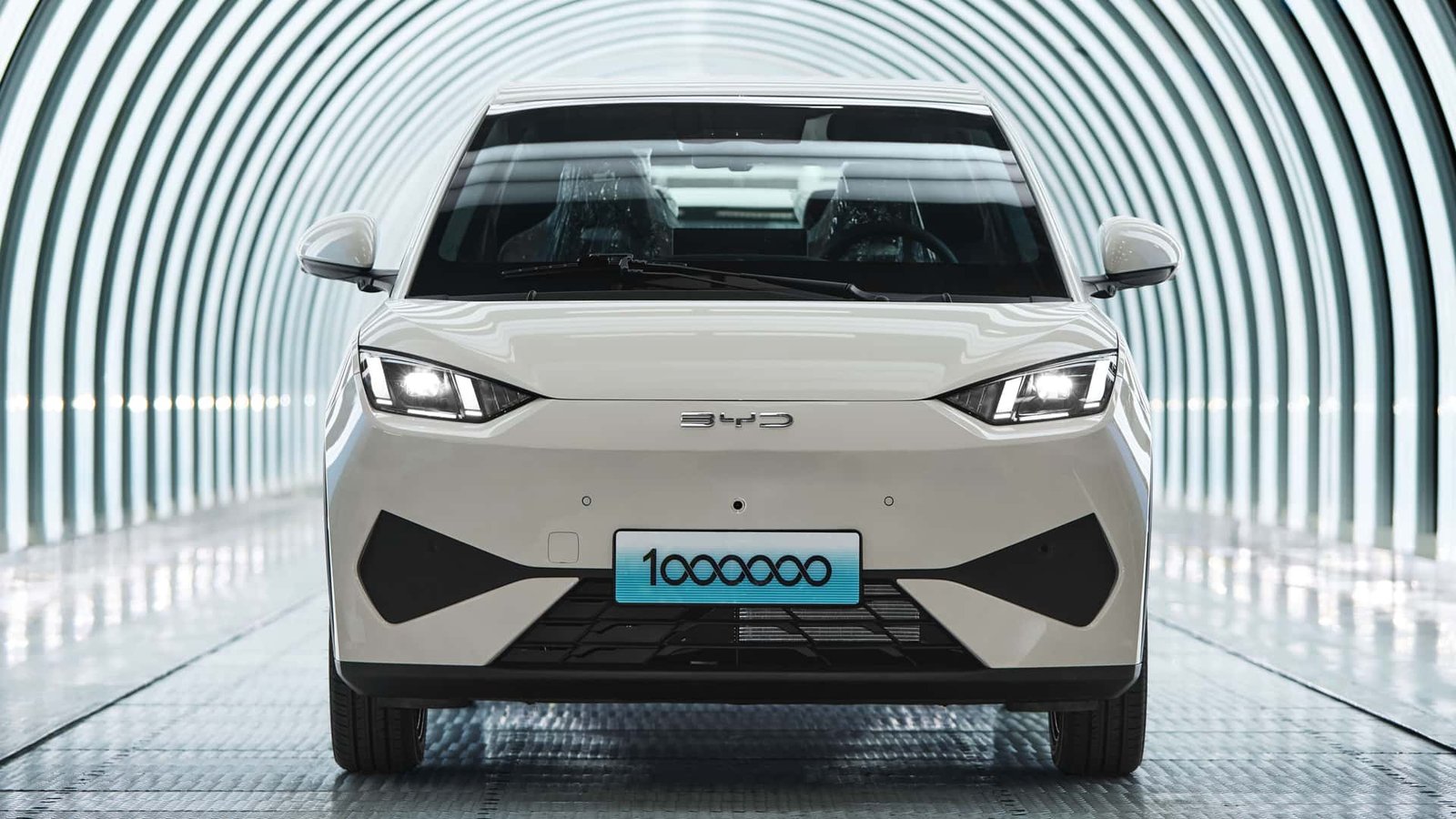
BYD celebrates production of the 15 millionth New Energy Vehicle in Jinan, China
Photo by: BYD
What Inspectors Are Actually Checking
The campaign, launched on August 27, requires roughly 100 domestic manufacturers to submit reports on product quality, reliability and durability to local authorities by the end of 2026. Automakers must also file and carry out voluntary recalls the moment they find defects.
Inspectors are collecting sample vehicles and components straight from factories and dealerships, sealing their hardware and software configurations, then shipping them off for crash, structural and battery-pack testing. Cybersecurity and data security checks are also part of the same sweep.
MIIT’s own case files show why. A Geely EX2 model sold domestically as the Xingyuan had a wheelbase deviation beyond the permitted one percent margin, and a BYD Qin L DM-i unit posted fuel consumption above its declared figure in charge-sustaining mode, according to cnevpost.
Other flagged units lacked user manuals entirely, and some emergency window and side-impact protection devices fell short. Regulators are also weighing whether to double the mandatory road test distance for new electric vehicles to 30,000 kilometers (18,641 miles), a change that would stretch validation timelines.
None of this stays inside China’s borders. Brands like BYD and Geely are counting on export growth to offset domestic price wars, and any brand caught with conformity violations carries that reputation into markets abroad, where skepticism about fast, cheap-built cars is already baked in.
Motor1’s Take: This clampdown hits Chinese brands at home and follows them into export markets. Expect some companies to slow launch pace, while others try to hold speed and pour more money into validation and compliance.
Recall filings and overseas homologation results will be early signs of who adjusts and who stumbles. If regulators keep the pressure on, the trade-off between speed and thorough testing will get sharper for every fast-moving automaker.
Source:
Bloomberg and cnevpost
Read the full article here