



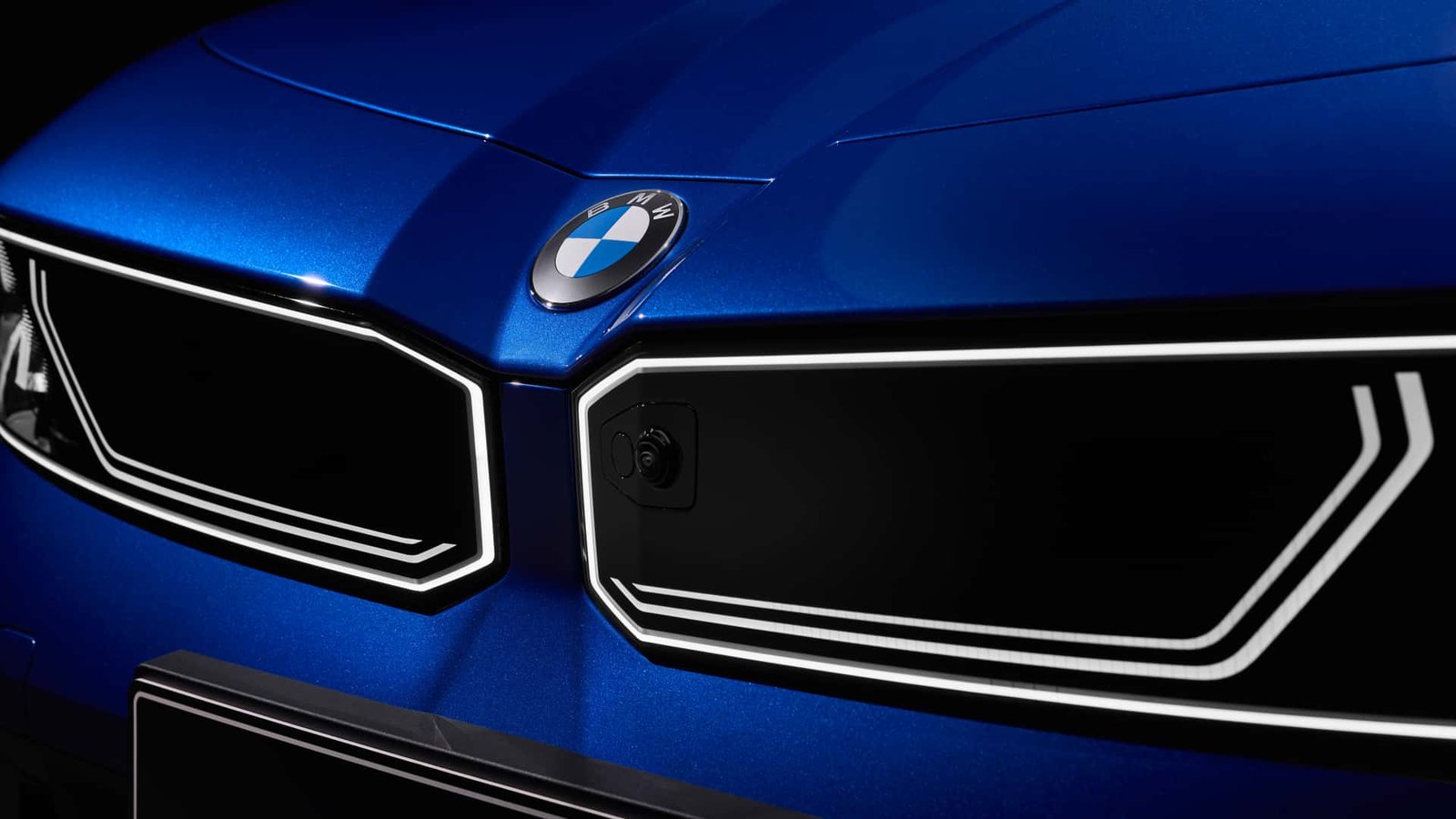
- The next-generation 1 Series will be a rear-wheel-drive EV.
- BMW is keeping the combustion-engine model alive on an updated front-wheel-drive platform.
- The two 1 Series flavors will peacefully coexist for many years.
After decades of rear-wheel-drive models, BMW broke with tradition in the 2010s by launching front-wheel-drive cars. To the dismay of purists, all of the company’s compact models are now FWD, except for the 2 Series Coupe. A shake-up at the bottom of the lineup will bring back the RWD formula to more models. Munich is working on a next-generation 1 Series with power going to the rear axle, although this time, it won’t have a combustion engine.
BMW’s smallest car is going electric for its fifth iteration, which is expected to arrive before the end of the decade. Autocar has learned from company officials that the future 1 Series will ride on a bespoke electric platform. However, the EV’s arrival won’t spell the end for gasoline models, as the FWD-based car is set to continue.
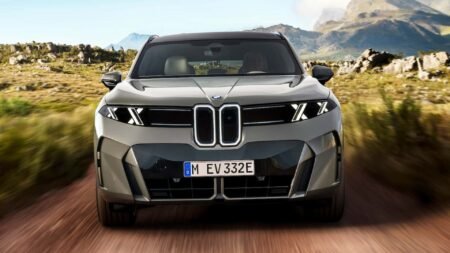
Tentatively called the i1, the electric hatchback will become the brand’s entry-level EV and serve as an indirect successor to the original i3 sold between 2013 and 2022. As for why BMW is even bothering with an electric 1 Series when it already offers several Mini EVs, Bavaria’s smallest car remains a popular product in the age of the SUV. Last year, nearly 200,000 hatchbacks were sold worldwide, despite the 1er not being available in North America.
2021 BMW i Vision Circular


2021 BMW i Vision Circular
The BMW i1 Is Coming In 2028
The i1 will arrive fashionably late, as the electric Audi A2 is due this year and Mercedes is also preparing another A-Class. Of the two main rivals, only the latter will also retain combustion engines to compete with the 1 Series. As with the i1, BMW is also aligning the gas-powered model with the Neue Klasse design language and in-car technology, including a large central touchscreen and a windshield projection system.
This dual strategy has already been applied to the new i3 and the upcoming 3 Series, which is scheduled to go official in the coming months. Next year’s X1 and iX1 will also join the Neue Klasse family. Similarly, the recently teased 3 Series Touring and i3 Touring will look strikingly similar inside and out, despite riding on different platforms.
BMW has long advocated for what it calls the “Power of Choice,” allowing customers to decide whether they want combustion engines or electric powertrains. Regardless of their preference, buyers will get the latest design language and technology rather than being forced into an EV to benefit from the company’s newest developments. Consequently, the future 1 Series will look as though it’s cut from the same cloth as the i1, even if it continues to use an architecture developed exclusively for combustion-engine cars.
11
Motor1’s Take: Managing such a diverse lineup from the bottom to the very top must be a logistical challenge. BMW believes it’s up to the task and wants to give customers what they want, whether that’s combustion engines or electric drivetrains. From the 1 Series/i1 all the way up to the 7 Series/i7, there appears to be something for everyone.
At the end of the day, it’s the only strategy that truly caters to all audiences. While some automakers rushed to put all their eggs in the electric basket only to realize the move may have been premature, BMW remained committed to ICE cars while steadily expanding its EV lineup. That philosophy is likely to continue into the next decade, with a broad mix of combustion-engine and electric models.
It’s reasonable to expect the new 1 Series/i1, due in 2028, to be followed shortly afterward by a sedan sibling, with the next-generation 2 Series Gran Coupe likely joined by a fully electric i2.
Read the full article here