

”
], { type: “text/html” }
);
const iframe = document.createElement(“iframe”);
iframe.src = URL.createObjectURL(blob);
iframe.style.cssText = “width:100%;height:100%;border:0;”;
container.appendChild(iframe);
attachIframeMessageListener(iframe);
}
const observer = new IntersectionObserver((entries, obs) => {
const entry = entries[0];
if (entry.isIntersecting) {
obs.unobserve(entry.target);
requestIdleCallback(() => {
initWidget(entry.target);
}, {
timeout: 200
});
}
}, {
root: null,
rootMargin: “300px 0px”,
threshold: 0.01
});
requestIdleCallback(() => {
$all(“.nl-inline-form-container”).forEach((c) => {
observer.observe(c);
});
});
})();
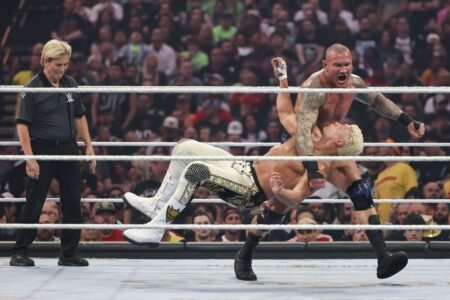
Although many fans expected Triple H to embrace the chaos and stack the main event with four of the company’s biggest stars, creative chose a different direction.
That said, in this article, we look at four possible reasons why.
#4. Gunther vs. Nick Aldis is already in the works
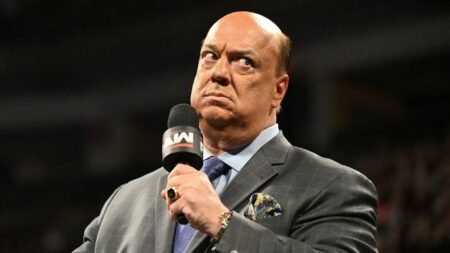
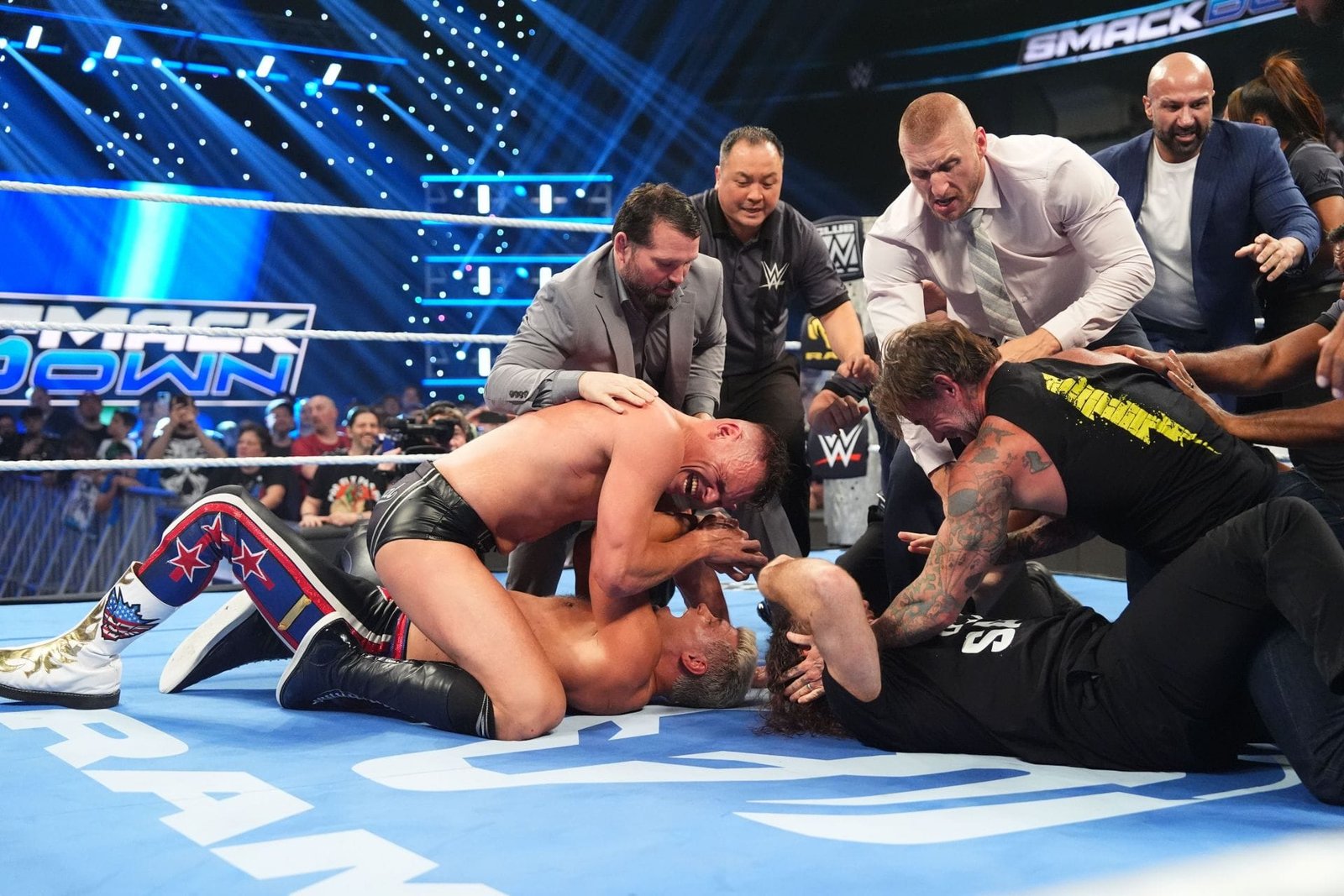
The ending of SNME XLV didn’t just protect CM Punk vs. Cody Rhodes. Perhaps it also launched an entirely new rivalry.
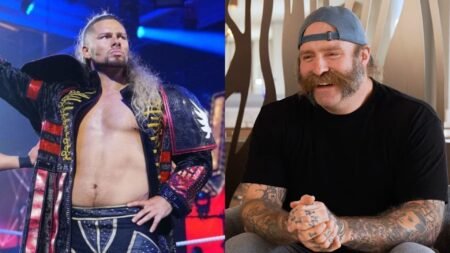
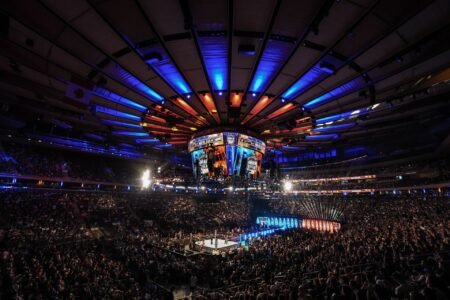
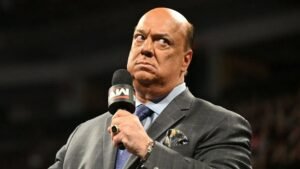
Nick Aldis’ shocking betrayal wasn’t random. Gunther had attacked the SmackDown General Manager weeks earlier after being denied a SummerSlam title opportunity. At Madison Square Garden, Aldis finally got his revenge by costing The Ring General arguably the biggest opportunity of his career.
Instead of forcing Gunther into the championship match, WWE now has a deeply personal feud ready to explode. Reports already suggest that Gunther vs. Nick Aldis is the planned direction for SummerSlam. Thus, making it unnecessary to include The Ring General in the title picture.
From a storytelling standpoint, The Ring General now has someone he genuinely wants to destroy more than he wants championship gold. Thus, giving him a compelling program without overcrowding the title scene.
#3. CM Punk vs. Cody Rhodes deserves the spotlight
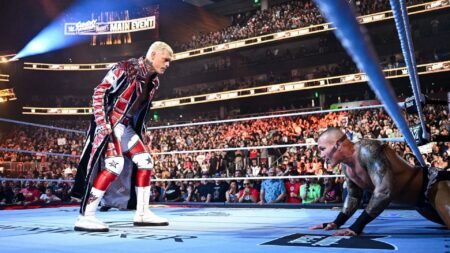
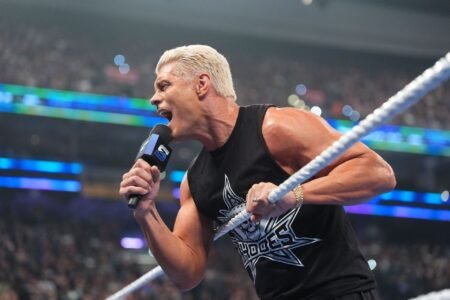
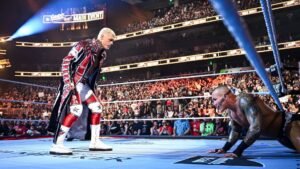
Since CM Punk captured the Undisputed WWE Championship and Cody Rhodes earned another opportunity, the company has invested heavily in presenting this as one of the biggest matches of the year.
Both men have exchanged verbal shots while trying to maintain mutual respect. Thus, creating a fascinating dynamic. They’re not bitter enemies. However, they’re top competitors determined to prove who truly deserves to lead WWE. Thus, adding Sami Zayn and Gunther into the match would have changed the entire story.
Instead of focusing on Punk and Rhodes finally settling the score in a marquee singles encounter, the narrative would have shifted toward chaos, alliances, and opportunistic finishes. Triple H has often shown that he prefers letting major rivalries reach their natural conclusion in singles matches before moving on to more complicated scenarios.
Thus, SNME XLV reinforced that philosophy by ensuring Punk and Rhodes remain the centerpiece heading into SummerSlam.
#2. Sami Zayn and Gunther didn’t need to lose another championship match
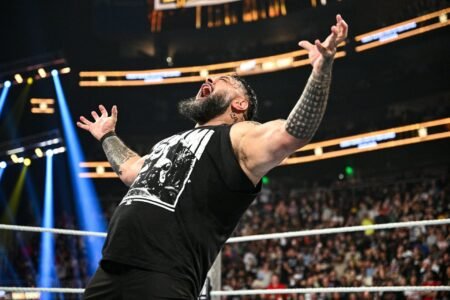
Had the Fatal Four-Way gone ahead, there would have been a strong possibility that either Sami Zayn or Gunther would have been pinned once again without accomplishing their primary goal. That outcome wouldn’t have benefited either Superstar.
Sami Zayn remains one of WWE’s most sympathetic babyfaces. Meanwhile, Gunther has consistently been portrayed as one of the company’s most dominant forces. Thus, giving both men another failed title challenge could have significantly cooled their momentum heading into the remainder of 2026. Instead, the company protected both stars.
They only failed to qualify because of Nick Aldis’ interference rather than their own shortcomings. Gunther especially has every reason to claim he was robbed. Meanwhile, Sami can argue that the opportunity was taken away from his team through outside involvement.
That finish keeps both men credible and leaves the door open for future championship opportunities without making either look weak.
#1. WWE wanted multiple blockbuster SummerSlam attractions instead of one overloaded main event
SummerSlam is now a two-night premium live event. Thus, WWE no longer has to squeeze every top name into one headline match.
Rather than placing CM Punk, Cody Rhodes, Sami Zayn, and Gunther into a single Fatal Four-Way, Triple H can spread those marquee names across multiple high-profile matches.
Punk vs. Rhodes remains a genuine dream singles contest for the Undisputed WWE Championship. Meanwhile, Gunther’s issues with Nick Aldis appear destined to culminate in a separate grudge match. Also, Sami Zayn is left free to pursue another meaningful storyline instead of being relegated to a supporting role in a multi-man championship contest.
This approach strengthens the overall SummerSlam card rather than relying on a single stacked main event to carry the entire weekend.
SNME XLV proved exactly that. By having Nick Aldis interfere at the decisive moment, the company simultaneously protected the Undisputed WWE Championship match, ignited Gunther’s next rivalry, and created fresh intrigue for multiple SummerSlam programs.
`;
if (index == 3 && isOpera) {
storyHTML += `
`;
}
recommendedArticlesContainer.innerHTML += storyHTML;
});
}
}
function getStoryActionHTML(story, storyTitle, permalink) {
if (shouldHidePostActions) return “”;
return `
`;
}
function recommendedArticles() {
var baseUrl = “https://cf-gotham.sportskeeda.com/recommendations/post/4-reasons-triple-h-pull-trigger-fatal-four-way-match-undisputed-wwe-championship-summerslam?lang=en&category=wwe”;
pureJSAjaxGet(baseUrl, function(data) {
renderRecommendedArticles(data);
if (isOpera) {
renderOperaFeedAd();
}
}, function() {}, false);
}
var options = {
root: null,
rootMargin: “0px 0px 70% 0px”,
threshold: 0.1
};
var observer = new IntersectionObserver(function (entries) {
entries.forEach(function (entry) {
if (entry.isIntersecting) {
recommendedArticles();
observer.unobserve(entry.target);
}
});
}, options);
var targetElement;
if (showAlsoReadSection && !showAlsoReadSectionV2) {
targetElement = document.querySelector(‘.also-read-articles-container’);
} else {
targetElement = document.querySelector(‘.recommended-posts’);
}
if (targetElement) {
observer.observe(targetElement);
}
function renderOperaFeedAd() {
var operaFeedArticleAd = $(“.opera-article-feed-ad”);
if (!operaFeedArticleAd) {
return;
}
var firstScript= document.createElement(‘script’);
firstScript.setAttribute(“type”, “text/javascript”);
firstScript.setAttribute(“src”, “https://pagead2.googlesyndication.com/pagead/js/adsbygoogle.js?client=ca-pub-1883810847636355”);
firstScript.setAttribute(“async”, true);
firstScript.setAttribute(“crossorigin”, “anonymous”);
operaFeedArticleAd.appendChild(firstScript);
operaFeedArticleAd.innerHTML += `
`;
var secondScript = document.createElement(‘script’);
var secondScriptCode=””;
try {
secondScript.appendChild(document.createTextNode(secondScriptCode));
operaFeedArticleAd.appendChild(secondScript);
} catch (e) {
console.error(e);
}
}
})();
Fetching more content…

Read the full article here