



- Mercedes is recalling 310,667 cars for a rollaway risk.
- The affected vehicles may have a corroded driver door-lock microswitch that engages the electronic parking brake and/or the Auto-Park feature.
- Mercceds will fix the issue by replacing the driver door lock.
Mercedes-Benz is recalling 310,667 cars for a rollaway risk. An affected vehicle may experience a corroded door-lock microswitch that could fail. This increases the risk of the vehicle rolling away or moving.
According to the recall report, the housing material of the door-lock switch is susceptible to moisture. If this happens, over time, the microswitch could corrode, causing the component to fail.
While the failure does not prevent the lock from operating as intended, the failure could affect the electronic parking brake and/or the Auto-Park feature. These are connected to the driver’s door opening and might not engage automatically, increasing the risk of a rollaway or the vehicle moving.
The recall affects a range of makes and models dating from the 2019 to 2026 model year. The list of models is below, which includes the AMG variants:
- 2023-2024 GLC-Class
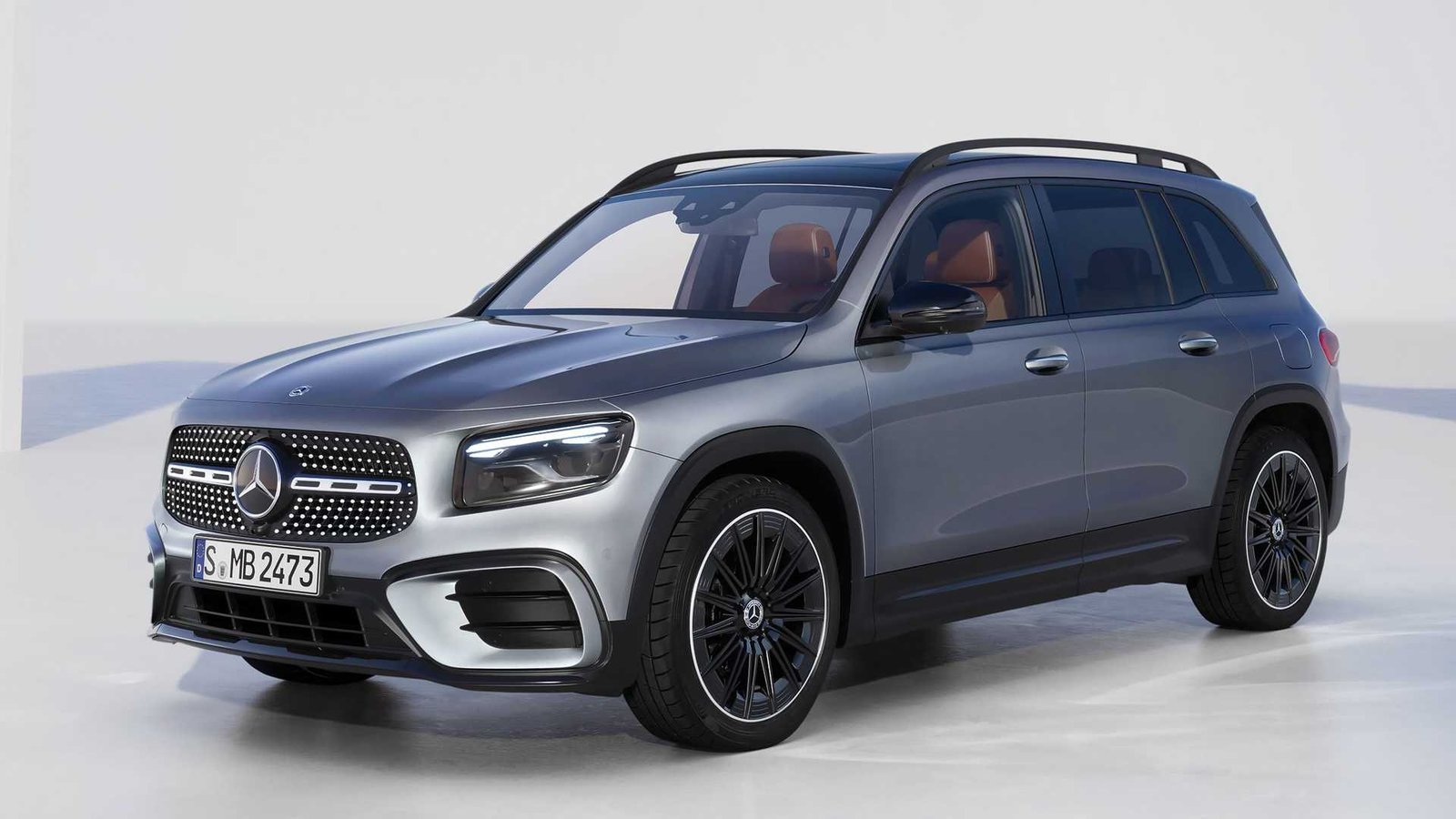
- 2020-2026 GLB-Class
- 2021-2025 GLA-Class
- 2024 CLE-Class
- 2020-2021 CLA-Class
- 2022-2023 C-Class
- 2019-2022 A-Class
Between 2021 and 2024, Mercedes received reports of door switch failures, but they “did not appear to give rise to any potential safety risks,” according to the report. The automaker continued to monitor the issue when, in May 2025, a report from outside the United States prompted it to investigate further.
Mercedes continued to analyze the problem and discovered in 2026 that prolonged exposure to elevated humidity and temperature can cause moisture to accumulate in the housing. The automaker is aware of 176 “comfort-function related” field cases.
Mercedes says it is unaware of any cases of vehicles rolling away in the US. The automaker will fix the issue by
Motor1’s Take: Moisture and water can cause headaches for automakers, especially around sensitive components. Elevated temperatures and humidity have caused issues for automakers before, especially with vehicle electronics.
Read the full article here