


”
], { type: “text/html” }
);
const iframe = document.createElement(“iframe”);
iframe.src = URL.createObjectURL(blob);
iframe.style.cssText = “width:100%;height:100%;border:0;”;
container.appendChild(iframe);
attachIframeMessageListener(iframe);
}
const observer = new IntersectionObserver((entries, obs) => {
const entry = entries[0];
if (entry.isIntersecting) {
obs.unobserve(entry.target);
requestIdleCallback(() => {
initWidget(entry.target);
}, {
timeout: 200
});
}
}, {
root: null,
rootMargin: “300px 0px”,
threshold: 0.01
});
requestIdleCallback(() => {
$all(“.nl-inline-form-container”).forEach((c) => {
observer.observe(c);
});
});
})();
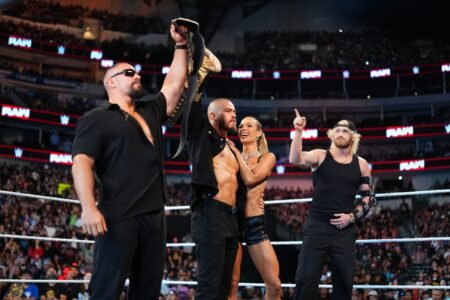
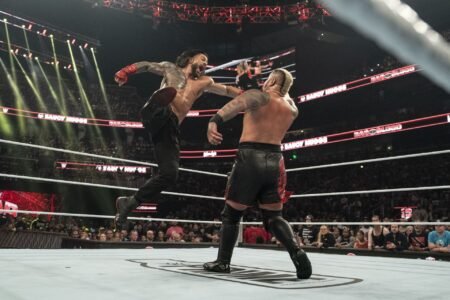
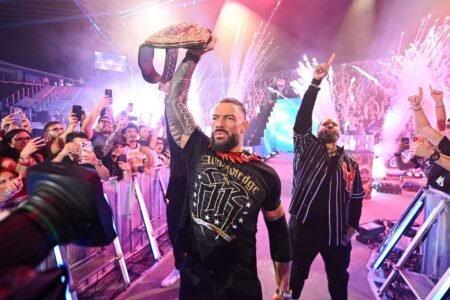
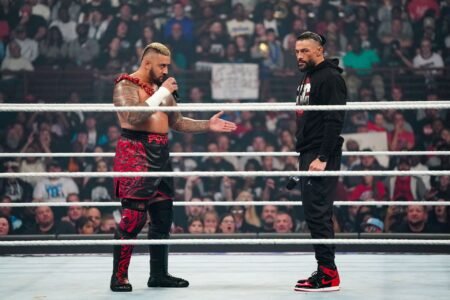
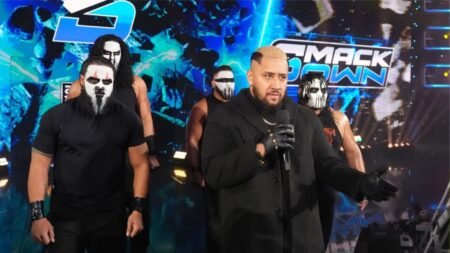
Solo Sikoa accepted the stakes. However, he still had no interest in willingly falling back in line. Jey eventually defeated him after Jimmy Uso’s interference helped him secure the victory. WWE confirmed that Jey would deliver Solo to Roman on RAW tonight.
That said, in this article, we look at three ways Jey Uso could regret promising Roman Reigns Solo Sikoa.
#3. Solo Sikoa manipulates Jey Uso
Jey Uso’s biggest mistake could be assuming that Solo Sikoa will simply accept the result of their match.
Solo agreed to the stipulation. However, he had repeatedly rejected the idea of rejoining The Bloodline. Jey is therefore not bringing back a willing recruit. He is bringing back someone who feels forced into the situation.
That distinction could become extremely important. The Street Champion knows The YEET Master’s history better than most people. They are family, former allies, and former enemies. He understands that Jey Uso’s greatest weakness is his loyalty to his relatives. Thus, Solo Sikoa could use that loyalty against him.
Instead of immediately challenging Roman Reigns, Solo could make Jey feel responsible for what happens next. He could argue that The YEET Master forced him back into the family and is therefore obligated to protect him from Roman’s demands.
If the OTC treats Sikoa harshly, The YEET Master may feel compelled to defend him. If Jey Uso starts defending Solo, Roman could question whether his cousin’s loyalty has shifted.
Thus, Jey could regret making a promise that gives Solo Sikoa a direct path back into his life.
#2. Roman Reigns exploits his loyalty
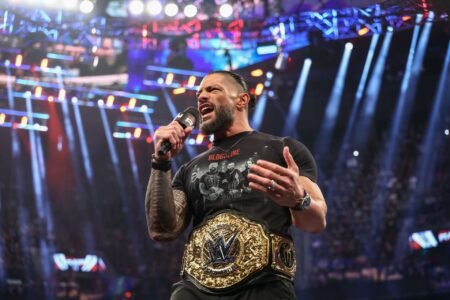
Roman Reigns could turn Jey Uso’s promise into a test of loyalty. The latter already knows what happens when Roman uses family obligations to control him. That history makes this situation particularly dangerous. Jey may believe he is simply fulfilling his agreement with Solo Sikoa. However, Roman could turn that agreement into a responsibility.
Once Jey delivers Solo, the OTC could make him responsible for Solo’s behavior. If the latter refuses an order, Reigns could tell The YEET Master to handle it. If Sikoa causes trouble, Jey could be expected to resolve it. If Solo questions Roman’s authority, Jey could be ordered to remind him who leads the family.
That would put Jey Uso in a trap. Following Roman Reigns’ orders could further damage his relationship with Solo Sikoa. Meanwhile, protecting Solo could make Roman question Jey’s loyalty.
The YEET Master has spent years trying to establish his independence from Roman. Yet by agreeing to deliver Solo, he has voluntarily given Reigns another reason to place responsibility on his shoulders.
The OTC does not even need to threaten Jey Uso. He can frame every demand as family duty. The YEET Master could discover that keeping his word to the OTC means falling more deeply under Roman’s control.
#1. Jacob Fatu becomes suspicious
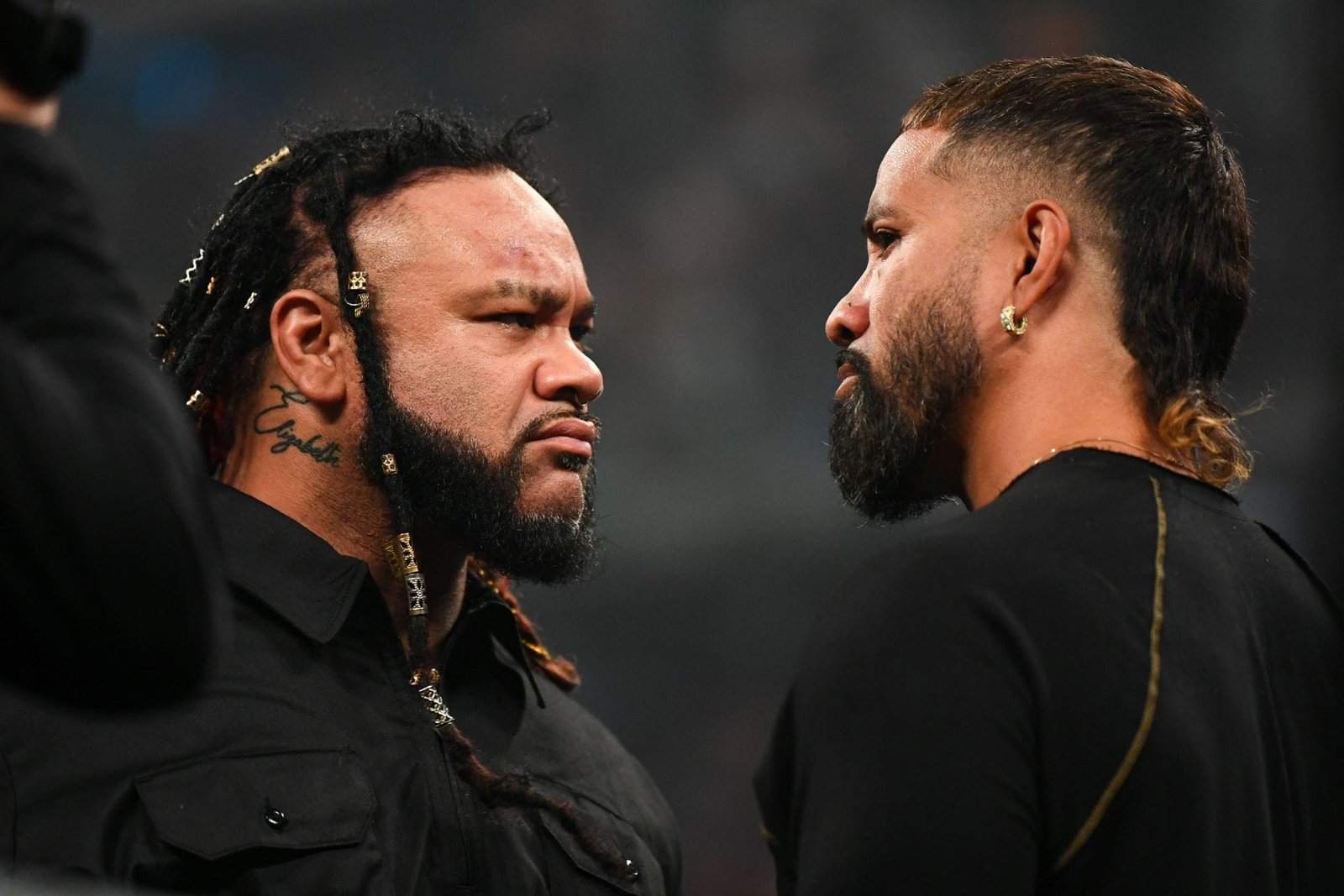
Jacob Fatu could become the biggest threat to Jey Uso’s position. Fatu has his own complicated history with Sikoa and also attempted to bring him back into Roman’s orbit. Perhaps that makes him unlikely to accept Solo’s return without questions.
Jey’s involvement could make those questions even bigger. From Fatu’s perspective, The YEET Master defeated Solo and then became responsible for delivering him to Roman.
If Jey Uso begins defending Solo after the reunion, Fatu could wonder whether Jey is becoming too sympathetic toward the man who once stood against the family. That could create a dangerous divide.
The Samoan Werewolf may believe Solo Sikoa cannot be trusted. Jey may argue that Solo deserves an opportunity to prove himself. Thus, Roman Reigns could then find himself managing disagreements between two powerful members of his family.
That would leave Jey trapped between loyalty and suspicion. If he protects Solo Sikoa, Fatu may question him. If he supports Roman, Sikoa may resent him. Either way, The YEET Master’s promise could turn into a problem he cannot easily escape once the family starts pulling him in different directions.
That could make Jey Uso the unwilling center of the next Bloodline conflict. A small disagreement could quickly become a larger issue of trust. Most importantly, Jey’s victory did not end the Solo Sikoa conflict. It just moved the story into Roman Reigns’ territory.
`;
if (index == 3 && isOpera) {
storyHTML += `
`;
}
recommendedArticlesContainer.innerHTML += storyHTML;
});
}
}
function getStoryActionHTML(story, storyTitle, permalink) {
if (shouldHidePostActions) return “”;
return `
`;
}
function recommendedArticles() {
var baseUrl = “https://cf-gotham.sportskeeda.com/recommendations/post/3-ways-jey-uso-could-regret-promising-roman-reigns-solo-sikoa?lang=en&category=wwe”;
pureJSAjaxGet(baseUrl, function(data) {
renderRecommendedArticles(data);
if (isOpera) {
renderOperaFeedAd();
}
}, function() {}, false);
}
var options = {
root: null,
rootMargin: “0px 0px 70% 0px”,
threshold: 0.1
};
var observer = new IntersectionObserver(function (entries) {
entries.forEach(function (entry) {
if (entry.isIntersecting) {
recommendedArticles();
observer.unobserve(entry.target);
}
});
}, options);
var targetElement;
if (showAlsoReadSection && !showAlsoReadSectionV2) {
targetElement = document.querySelector(‘.also-read-articles-container’);
} else {
targetElement = document.querySelector(‘.recommended-posts’);
}
if (targetElement) {
observer.observe(targetElement);
}
function renderOperaFeedAd() {
var operaFeedArticleAd = $(“.opera-article-feed-ad”);
if (!operaFeedArticleAd) {
return;
}
var firstScript= document.createElement(‘script’);
firstScript.setAttribute(“type”, “text/javascript”);
firstScript.setAttribute(“src”, “https://pagead2.googlesyndication.com/pagead/js/adsbygoogle.js?client=ca-pub-1883810847636355”);
firstScript.setAttribute(“async”, true);
firstScript.setAttribute(“crossorigin”, “anonymous”);
operaFeedArticleAd.appendChild(firstScript);
operaFeedArticleAd.innerHTML += `
`;
var secondScript = document.createElement(‘script’);
var secondScriptCode=””;
try {
secondScript.appendChild(document.createTextNode(secondScriptCode));
operaFeedArticleAd.appendChild(secondScript);
} catch (e) {
console.error(e);
}
}
})();
Fetching more content…

Read the full article here