



”
], { type: “text/html” }
);
const iframe = document.createElement(“iframe”);
iframe.src = URL.createObjectURL(blob);
iframe.style.cssText = “width:100%;height:100%;border:0;”;
container.appendChild(iframe);
attachIframeMessageListener(iframe);
}
const observer = new IntersectionObserver((entries, obs) => {
const entry = entries[0];
if (entry.isIntersecting) {
obs.unobserve(entry.target);
requestIdleCallback(() => {
initWidget(entry.target);
}, {
timeout: 200
});
}
}, {
root: null,
rootMargin: “300px 0px”,
threshold: 0.01
});
requestIdleCallback(() => {
$all(“.nl-inline-form-container”).forEach((c) => {
observer.observe(c);
});
});
})();
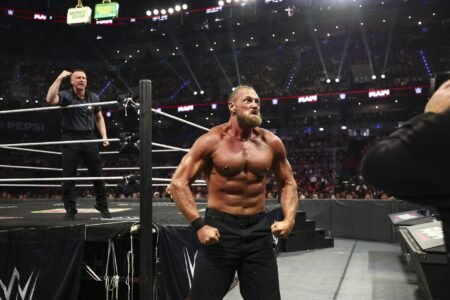
Vikingo and Starboy managed to overcome the odds and outwrestle Birthright. Mini Vikingo hit his signature 630 Splash and picked up the pinfall victory for his team.
The team will be facing the current NXT World Tag Team Champions, Vanity Project, in the quarterfinals of the tournament.
After the match, Vikingo and Starboy’s celebrations were cut short as Dempsey and King rushed in to attack them. The entire Birthright began to beat down the young tag team. WWE’s latest signee, Zilla Fatu, who has problems with Birthright himself, rushed into the ring to save Vikingo and Starboy.
More from Sportskeeda
${getStoryActionHTML(story, storyTitle, permalink)}
`;
if (index == 3 && isOpera) {
storyHTML += `
`;
}
recommendedArticlesContainer.innerHTML += storyHTML;
});
}
}
function getStoryActionHTML(story, storyTitle, permalink) {
if (shouldHidePostActions) return “”;
return `
`;
}
function recommendedArticles() {
var baseUrl = “https://cf-gotham.sportskeeda.com/recommendations/post/news-18-year-old-wrestler-wins-his-wwe-nxt-debut-major-upset?lang=en&category=wwe”;
pureJSAjaxGet(baseUrl, function(data) {
renderRecommendedArticles(data);
if (isOpera) {
renderOperaFeedAd();
}
}, function() {}, false);
}
var options = {
root: null,
rootMargin: “0px 0px 70% 0px”,
threshold: 0.1
};
var observer = new IntersectionObserver(function (entries) {
entries.forEach(function (entry) {
if (entry.isIntersecting) {
recommendedArticles();
observer.unobserve(entry.target);
}
});
}, options);
var targetElement;
if (showAlsoReadSection && !showAlsoReadSectionV2) {
targetElement = document.querySelector(‘.also-read-articles-container’);
} else {
targetElement = document.querySelector(‘.recommended-posts’);
}
if (targetElement) {
observer.observe(targetElement);
}
function renderOperaFeedAd() {
var operaFeedArticleAd = $(“.opera-article-feed-ad”);
if (!operaFeedArticleAd) {
return;
}
var firstScript= document.createElement(‘script’);
firstScript.setAttribute(“type”, “text/javascript”);
firstScript.setAttribute(“src”, “https://pagead2.googlesyndication.com/pagead/js/adsbygoogle.js?client=ca-pub-1883810847636355”);
firstScript.setAttribute(“async”, true);
firstScript.setAttribute(“crossorigin”, “anonymous”);
operaFeedArticleAd.appendChild(firstScript);
operaFeedArticleAd.innerHTML += `
`;
var secondScript = document.createElement(‘script’);
var secondScriptCode=””;
try {
secondScript.appendChild(document.createTextNode(secondScriptCode));
operaFeedArticleAd.appendChild(secondScript);
} catch (e) {
console.error(e);
}
}
})();
Fetching more content…


Read the full article here