


- Nissan will streamline its portfolio by axing low-performing models.
- The lineup will lose 11 models.
- The new model strategy will be split into four categories: Heartbeat, Core, Growth, and Partner.
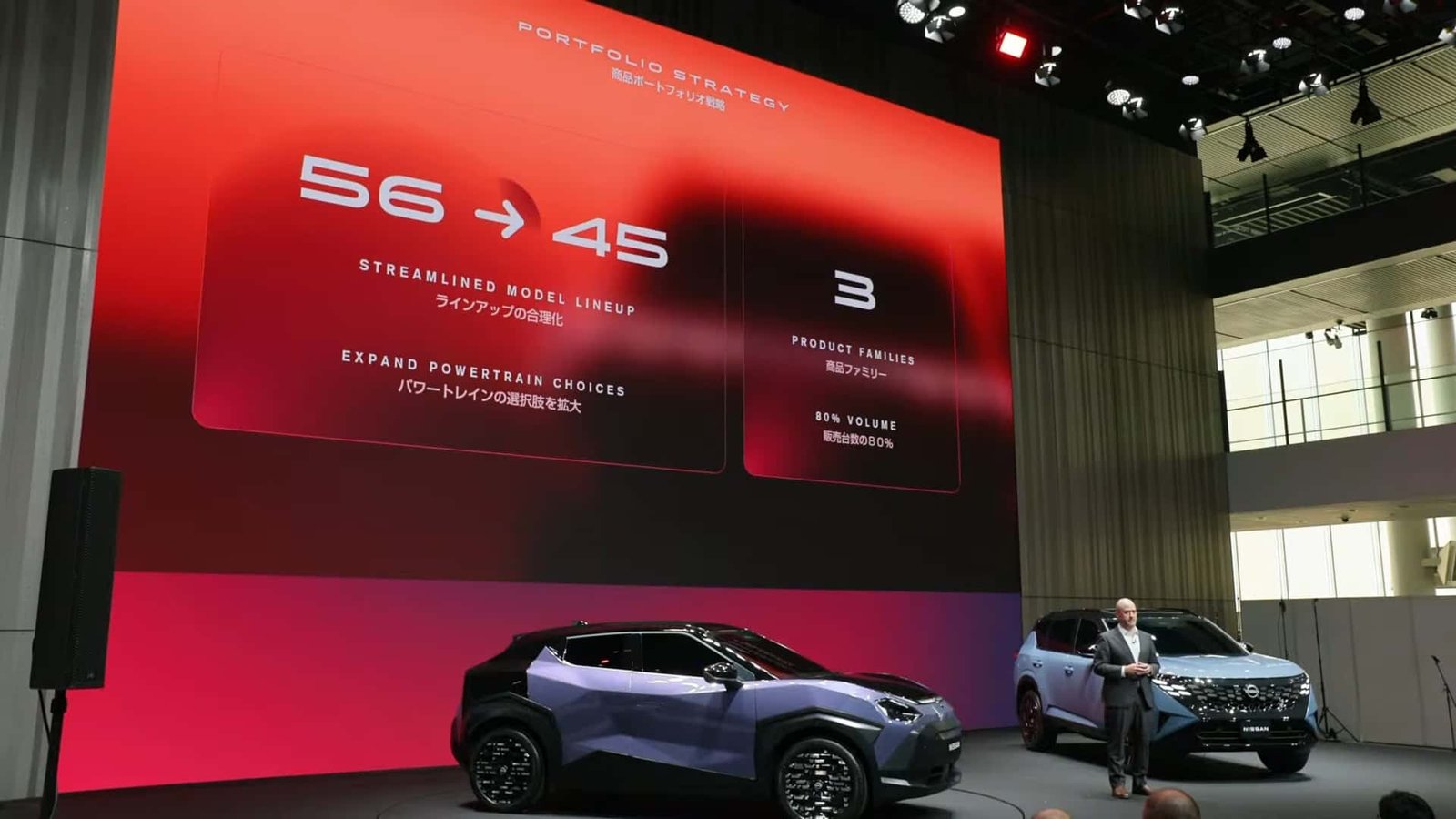
Nissan is in the midst of revitalizing nearly its entire portfolio, but not all models will live to see another generation. Announced nearly a year ago, the Re:Nissan recovery plan is now receiving a major update to shape the brand’s future for years to come. One of its key pillars is a streamlined portfolio, with 11 fewer models to create a leaner, more profitable lineup.
The new product strategy calls for reducing the global lineup from 56 models to 45 by discontinuing what Nissan describes as “low-performing models.” With the money saved, the Japanese company plans to invest in diversifying powertrains across the remaining vehicles. Ideally, this will drive sales growth and help turn things around after several tumultuous years.
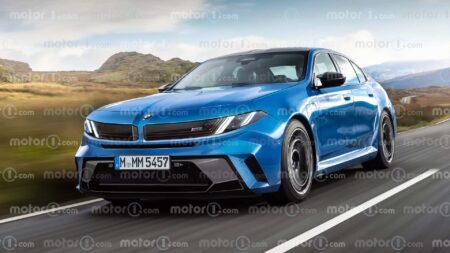
Future products will be split into four distinct categories: Heartbeat, Core, Growth, and Partner. Teased earlier today, the return of the Xterra and the all-new Skyline will fall under the Heartbeat lineup, alongside the Z, Leaf, and Patrol. Sadly, there’s no sign of a next-generation GT-R, but Godzilla is bound to return eventually.
Photo by: Nissan
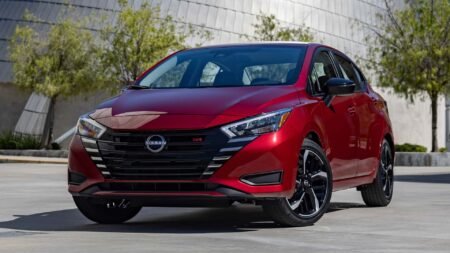
Elsewhere, the electric Juke will be positioned as a Core product alongside the new X-Trail/Rogue Hybrid e-Power. These Core models will join a range of existing vehicles, including the Sentra sedan and the second-generation Juke, which will remain on sale with hybrid power. The Qashqai is part of the same group, as is the new Versa small sedan.
Nissan isn’t showing or teasing new models that fit the Growth category, but it says these vehicles will target markets with rising demand. Models already in this group include the next-generation Elgrand minivan and the Sakura electric kei car. Other vehicles in this class include a trio of models developed and built in China.
That brings us to Partner models, which will come to life “through disciplined collaboration” with other automakers. A recent example is China’s Frontier plug-in pickup, based on the locally sold Dongfeng Z9. In Europe, the new Micra electric supermini is essentially a lightly restyled Renault 5.

Photo by: Infiniti
Nissan isn’t neglecting its luxury brand, either. The recently unveiled Infiniti QX65 will be followed by four additional models, including a mid-size hybrid SUV, two ladder-frame hybrid SUVs, and a performance V6 sedan. The latter will be a more upscale Infiniti version of the new Nissan Skyline.
Per the Re:Nissan plan announced last May, Nissan aims to slash parts complexity by 70 percent and reduce the number of platforms from 13 to 7 by 2035. It also intends to cut development time from 52 to 37 months for new products and from 50 to 30 months for subsequent derivatives.
8
Source: Nissan
Motor1’s Take: With CEO and President Ivan Espinosa at the helm, Nissan appears to be moving in the right direction. It has already refreshed several models and is preparing to launch many more in the coming years across both its mainstream and Infiniti lineups.
The company isn’t specifying which models will be dropped, but focusing on vehicles with higher sales potential is a logical move. Expanding powertrain options across the remaining lineup should also attract more buyers, given the wide variation in customer preferences across global markets.
While a new GT-R would neatly crown Nissan’s revitalized portfolio, it’s not surprising the R36 is currently absent. A low-volume, high-priced supercar wouldn’t significantly impact sales at a time when the company needs to recover ground lost to competitors. On the bright side, the Z isn’t going anywhere and will be joined by a rear-wheel-drive sports sedan, ensuring enthusiasts aren’t left behind.
Read the full article here