

I shot a 74 at Augusta National the day after Rory McIlroy won his second green jacket. That’s not a sentence I expected to write.
Augusta National has a way of exposing everything—your swing, your decision-making, your patience. As a 1 index capable of breaking par but also shooting in the 80s, I didn’t feel like I played perfectly, but I also didn’t feel overwhelmed. In fact, I played about as well as I could have hoped.
Advertisement
Here’s what went right.
I handled the nerves before I ever hit a shot
The most nervous I felt all day wasn’t on the first tee—it was Friday afternoon when I found out I’d won the media lottery. Those nerves sat with me all weekend, and by the time Monday arrived, they had almost burned themselves out. So when I drove down Magnolia Lane, trying to slow the moment down, and stood on the first tee, I wasn’t fighting the adrenaline as much as I expected. I made bogey after punching out of the trees, and it didn’t spiral. At Augusta National, that’s everything. One bad swing can turn into three quickly.
For me, it didn’t.
Advertisement
RELATED: 7 things they don’t tell you about playing Augusta National
I kept the ball in play off the tee
This sounds obvious, but it isn’t at Augusta National. There are misses that still leave you in the hole, and others that don’t. I managed to stay on the right side of that line most of the day, even when I wasn’t perfect. And then there was the moment that reminded me it’s still just golf—I hit what felt like a perfect drive and walked up to find my ball sitting in a divot. At Augusta National. For a second, it almost felt wrong since the place is flawless. The course doesn’t eliminate bad breaks—it just magnifies how you respond to them.
1 / 13
Augusta National GC
Dom Furore
Advertisement
2 / 13

/content/dam/images/golfdigest/fullset/2020/11/augusta-national-18th-green-pano-sunset-ben-walton.jpg
BEN WALTON
3 / 13

Augusta National GC
Dom Furore
4 / 13
Augusta National GC
Dom Furore
5 / 13

Augusta National GC
Dom Furore
6 / 13

2017-02-Augusta-National-GC-hole-4.jpg
Stephen Szurlej
7 / 13

Augusta National GC
Dom Furore
8 / 13
Augusta National GC
Dom Furore
9 / 13

/content/dam/images/golfdigest/fullset/course-photos-for-places-to-play/augusta-national-course-shot-jd-cuban.jpg
JD Cuban
10 / 13

/content/dam/images/golfdigest/fullset/course-photos-for-places-to-play/JD2_9506.jpg
J.D. Cuban
11 / 13

/content/dam/images/golfdigest/fullset/course-photos-for-places-to-play/JD2_9532.jpg
J.D. Cuban
12 / 13
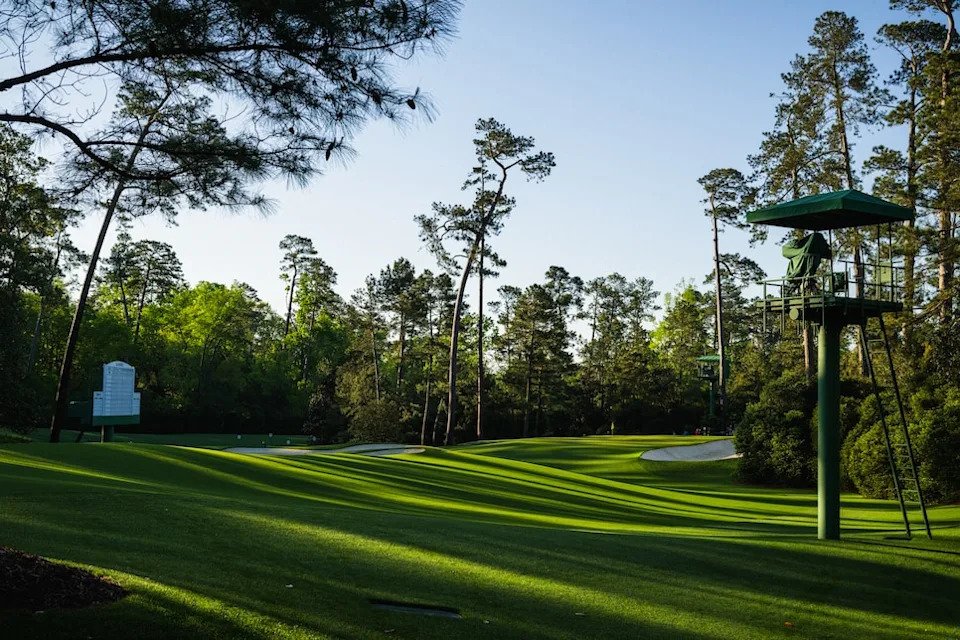
Masters 2025
JD Cuban
13 / 13

Masters 2025
Stephen Denton
Previous Next Pause Play false Private Augusta National Golf Club Augusta, GA 5 13 Panelists
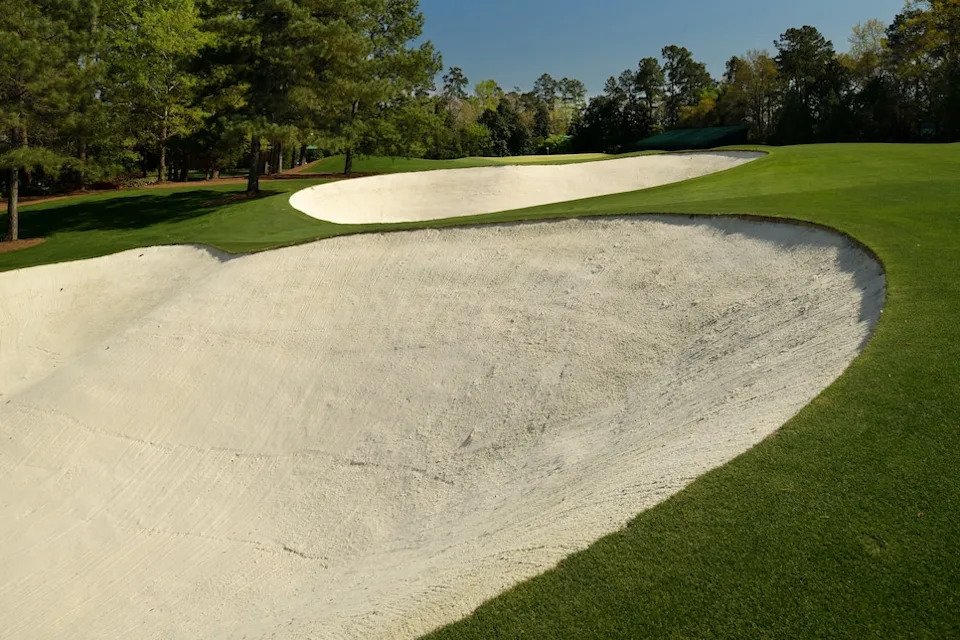
No club has tinkered with its golf course as often or as effectively over the decades as has Augusta National Golf Club, mainly to keep it competitive for the annual Masters Tournament, an event it has conducted since 1934, with time off during WWII. All that tinkering has resulted in an amalgamation of design ideas, with a routing by Alister Mackenzie and Bobby Jones, some Perry Maxwell greens, some Trent Jones water hazards, some Jack Nicklaus mounds and swales and, most recently, extensive rebunkering and tree planting by Tom Fazio. The tinkering continues, including the lengthening of the par-4 fifth in the summer of 2018, the lengthening of the 11th and 15th holes in 2022, and the addition of 35 yards to the famed par-5 13th in 2023. View Course My iron play kept me in control
Advertisement
If anything travels at Augusta, it’s solid iron play. My shot on 12 is the one I’ll remember most. The wind was swirling a little, the pin was tucked, and everything about the hole makes you want to guide it. Instead, I trusted the number, took an extra club, and hit a smooth shot to the center of the green. Walking off with par there felt like stealing something. The same thing showed up on 15, where the second shot doesn’t quite look real when you’re standing over it. The green feels like it’s sitting on a ledge—water short, nothing comfortable long. It’s not a shot you can ease into. You either commit, or you don’t.
I adjusted to the greens—just enough
I’ve seen Augusta National’s greens on TV my entire life, and it still doesn’t prepare you. It’s not just how fast they are—it’s how extreme the changes are. Downhill putts feel like they could run off the property, and uphill putts require more commitment than feels reasonable. On the seventh, I trusted my caddie completely on a 31-footer. He pointed to a spot a few feet in front of me and said, “That’s your hole.” Halfway there, he said it was going in—and it did. Birdie. One hole later, I thought I had figured something out. I hadn’t. I three-putted for par. That’s Augusta. You’re never fully comfortable—you’re just managing it better than you were a few holes earlier.

20-Augusta-National-practice-area.jpg
Andrew Redington/Getty Images
Advertisement
RELATED: The bogey golfer’s guide to surviving Augusta National
I took what the course gave me
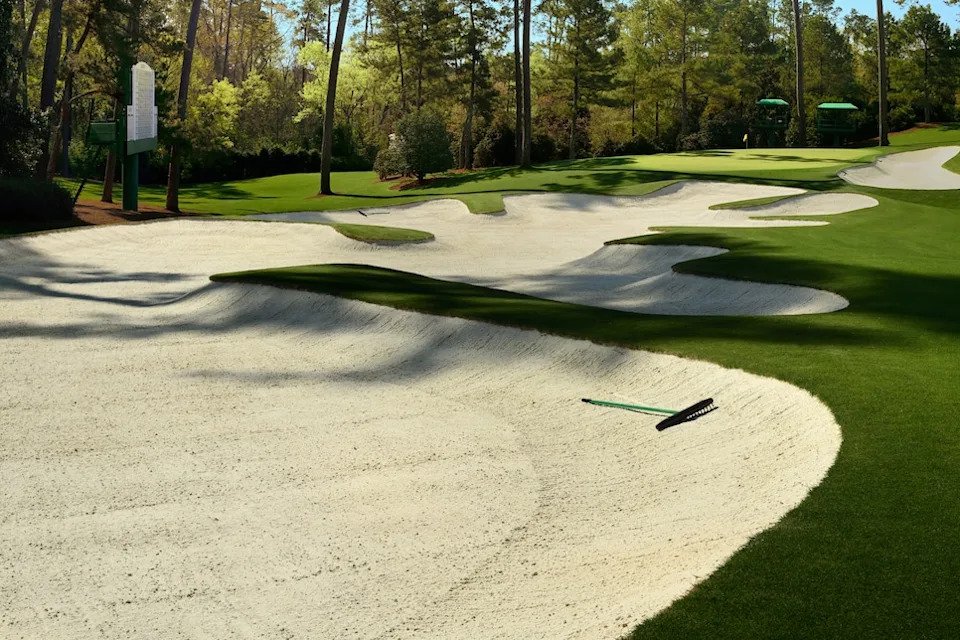
This might be the biggest reason the round held together. I played Amen Corner in even par and still walked away thinking I could have been under. That’s the trap. Augusta doesn’t reward forcing anything—it rewards discipline. Taking the center of the green on 12, accepting par on 13, getting up and down when you need to—that’s how you stay in control. That stretch doesn’t always ask for brilliance. It asks for restraint.
I committed when it mattered most
By the time I reached the 18th, I was exhausted. The walk, the heat, the mental energy—it all adds up. But the hole gives you one last moment. The drive was perfect, and the approach—130 yards uphill—came down to one thought: one more committed swing. The ball landed past the hole and spun back to five feet. Standing over that putt, it felt bigger than it should. It’s just five feet. It isn’t. I backed off once, reset, and told myself to commit. The ball started on line and never left it. And just like that, it dropped. Birdie on 18 at Augusta.
Advertisement
The takeaway
Augusta National isn’t about playing perfect golf. It’s about limiting the damage and fully committing to the shots that matter. For one day, I managed to do both.
Read the full article here