



Fabric can be organized into three categories: natural, synthetic and semi-synthetic. Natural fibers are older than golf itself and derive from plants and animals. With plants, think of fabrics like cotton, flax for linen and bamboo. Animal-based fibers include wool, cashmere and leather. Synthetic, or manmade, fibers are chemically based and derive almost always from plastics (petroleum) and are found in golf clothes made with polyester, nylon, spandex and more. Semi-synthetic fabrics, you guessed it, blend the two.
All fabrics shed, though some release more micro-fibers than others. You might know from experience how a fleece sheds much more than a puffer, often resulting in pesky fluff as permanent as glitter. For natural fibers that break down over time, shedding isn’t such a bad deal and can even enhance the “worn” look and give a softer feel over time. Synthetic fibers, on the other hand, result in miniscule, often invisible to the naked eye, microplastics that litter the course in a continuous peppering of pollutants that take centuries to break down.
The detrimental effect of microplastics on golf courses is well documented in scientific journals like Marine Pollution Bulletin and Environmental Pollution. Microplastics entering the fairways are known to damage soil, contaminate waterways and harm wildlife and their food sources.
However, it’s not all bad news. More golf brands, large and small, are increasingly mindful of microplastics and are drawing from the latest breakthroughs in textiles to create clothes that last longer and play better.
Consider this your field guide to golf fabrics.
SEAWEED
Health-nut golfers talk about eating superfoods, but what if you could wear one—all while absorbing the same health and healing powers of the nutrient-rich grub through the skin? That is one of the claims of SeaCell, a proprietary blend of seaweed and cellulose that’s gentler on the environment—and the wearer—than many other rayons. First developed in 2001, SeaCell comes from organic seaweed (also referred to as “horsetail kelp”) in the crisply cool fjords of Iceland. The tops of the wily brown algae are harvested, a process not unlike mowing an underwater lawn, every three years or so, allowing the plant to grow and regenerate on its own timeline. It’s then washed, dried, ground and dissolved into a cellulose cocktail. Broken down, it can then be spun into workable filaments that are believed to retain much of the vitamins, minerals and antioxidants of the original seaweed. Despite your skin’s protection, studies have shown that the body absorbs upwards of 60 percent of the chemicals and dyes from the fabrics it’s exposed to, particularly in wet (read: sweaty) conditions. This can cause concern for golfers who wear exclusively synthetic fabrics. This is why seaweed-based fibers are thought to have beneficial health effects. Sustainable golf brands like Wyld1 and Zubek boast about SeaCell for its low environmental impact and luxurious softness—with a wink to its skin-enriching powers.
WOOL
Sun Day Red 3D Extra Fine Merino Wool Crew
The first golfers wore wool. Fifteenth-century Scotsmen donned tweeds and knickerbockers derived from sheep hair to keep warm and protected from the tyrannical elements. The animal-based fiber, along with its fibrous cousin cashmere (which comes from goats) is still used in golf clothes.
Wool is known for its natural antimicrobial properties, which means it’s resistant to sweat stains and odor buildup. Along with durability, breathability, moisture-wicking and temperature-regulating powers, wool is stretchy while retaining its shape and offers UV protection, attributes you might well expect given its previous life outfitting an animal. Today, innovations in the wool industry center on regenerative farming practices to ensure optimal soil health and animal welfare. Tech breakthroughs in robotics and AI make shearing and sorting wool safer. There are even pushes to replace single-use plastics with wool in the packaging of clothes. Brands like Tiger Woods’ Sun Day Red rely on 3D-printing knit technology to create entirely wool sweaters, for example, in one go, saying goodbye to seams and cuts for a sleeker, more sophisticated silhouette that maximizes performance while minimizing waste.
COFFEE
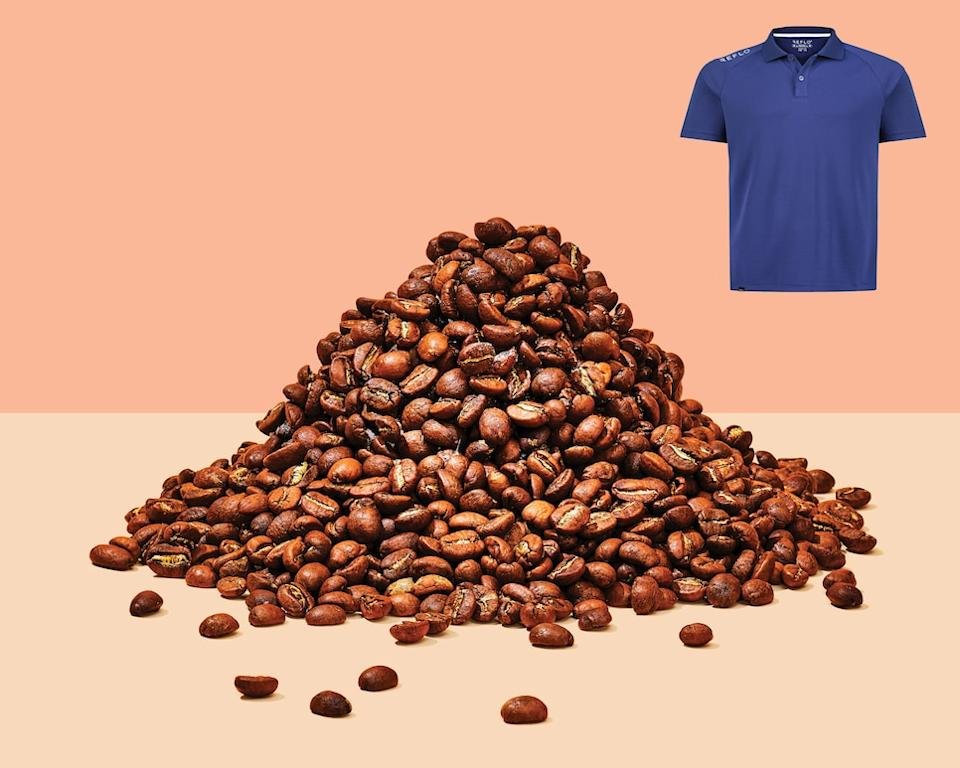
Reflo Mira Polo
Yes, that cup of coffee you just drank could wind up as your golf shirt. Coffee fiber is prized for its UV-protecting, moisture-wicking, bacteria-fighting and odor-squashing properties. It’s also lightweight and breathable and cooling in warmer temperatures, making it fit for polos, layers, hats and even, as is the case with XpreSole, sneakers. Used coffee grounds are collected, cleaned and dried. The oils are then removed (to be upcycled elsewhere) before it is ground into an extremely fine powder. The particles are then mixed with other recycled synthetic fibers which are melted and fused into yarn. While not enough to make you feel a buzz, the fabrics are designed to slowly release caffeine over time; it’s currently being researched for its abilities to heal wounds faster, reduce inflammation and load skin barriers with antioxidants. Coffee fiber is yet another plastic-minimizing, environmentally efficient blended fabric that relies on the process of upcycling, not unlike some of the other waste-reducing fibers on this list. In addition to coffee grounds, brands like five12 also turn upcycled window shields and cast-away fishing nets into planet-first performance fabrics.
More From Golf Digest Style

Golf Digest Logo Golf Gods: What they’re wearing on Nike golf’s new Mount Olympus

Golf Digest Logo How logoed golf apparel became such a thing

subtle style What message do you want to send on the first tee?
OYSTERS
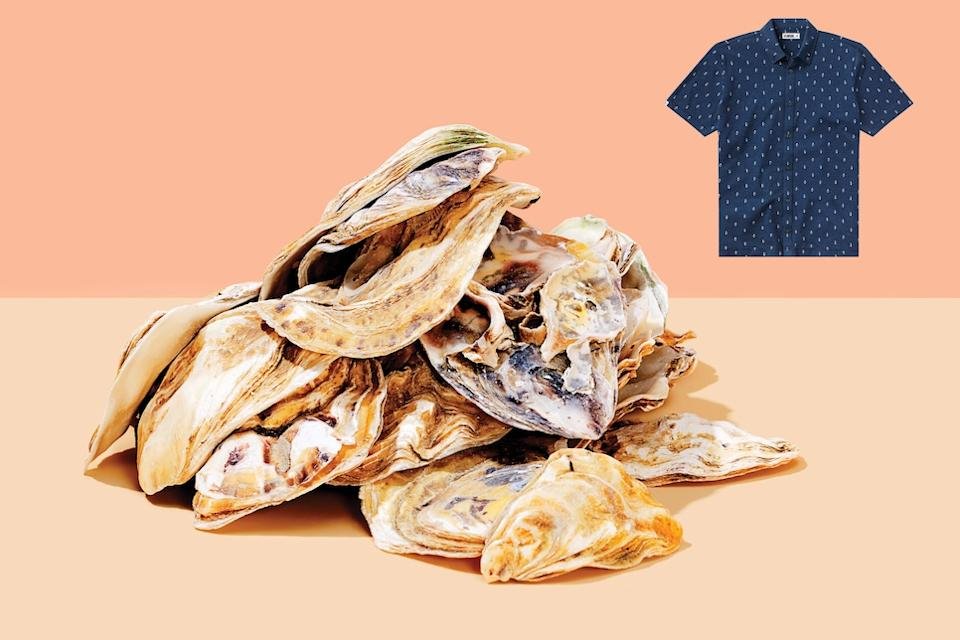
Linksoul Printed Pacific Full Button Shirt
Sea silk, or sea wool, is an almost forgotten fiber derived from the now endangered Mediterranean pen shell mussel. The mollusk secretes an eyelash-thin and mystically iridescent golden thread—none of which seemed overly conducive to golf wear, that is until 2013, when Eddie Wang invented a synthetic fabric comprised of upcycled oyster shells and ocean plastics. Wang’s native Taiwan has a robust oyster-farming industry, producing about 160,000 metric tons of shells annually. Wang grew up watching neighbors in his seaside hometown collect the “waste” of shells, burn them and paint the ashes on their walls for insulation. As a sustainable textile entrepreneur, he wondered if there wasn’t a similar use for fabrics. The result is the modern “Seawool,” trusted by brands like Manors Golf and Linksoul to produce a soft, breathable, almost silky fiber that’s naturally antimicrobial, easy to wash, anti-static and temperature-regulating. To create the soft performance fabric, discarded oyster shells from the food industry are collected, cleaned, heat-treated, then ground into a fine powder, fused with recycled nylon or rPET and spun into yarn. Of course, the detail-oriented will note that shells are no strangers to golf wear, usually in the form of luxurious buttons crafted from the hardened homes of snails, mussels, abalones, trochus and, yes, oysters.
GRAPHENE
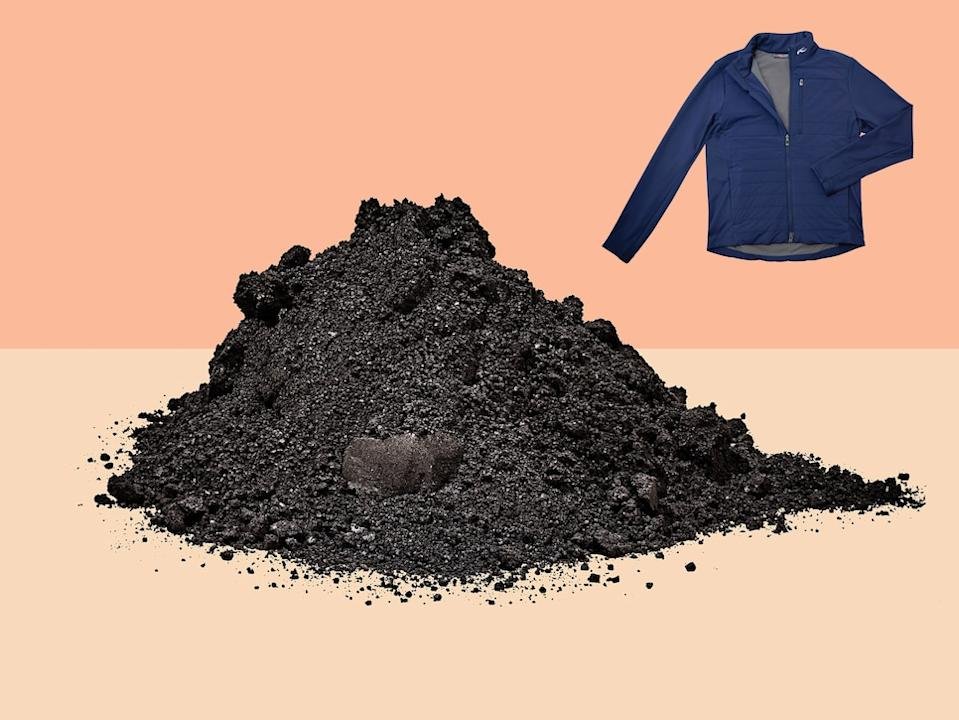
KJUS Reach Jacket
Graphene might be the techiest innovation in the world of golf fabric, so much so that the isolation of the material back in 2004 earned two whizzes at the University of Manchester a Nobel Prize. While not strictly a fabric on its own, graphene is the thinnest material ever discovered, incredibly strong, durable, conductive, lightweight, and practically transparent. Envision a sci-fi worthy honeycomb matrix of interlocking carbon atoms so thin it’s considered to be 2D, tougher than diamond but more flexible than rubber. This can be blended with other fibers (cotton, recycled polyester, you name it) for performance gear that’s soft to the touch with water-resistant and antistatic properties. About 3-million layers of graphene are needed for a one-millimeter sheet. Known as a “smart fabric,” it can be integrated with tech and has been found to improve circulation, reduce cardiac stress and encourage oxygenation. The possibilities for golf, health care and more are still being explored. For now, graphene is being used by brands such as Dunning, PING, KÜHL and KJUS. Just in case there was any question, no need to worry about lead poisoning here—graphite, like pencil lead, is made of carbon.
RECYCLED PLASTIC

Radmor Taylor Recycled Cubic Polo
Since the invention of polyester in 1941, sportswear has never been the same. By the 1950s, polyethylene terephthalate (PET) hit the golf market with performance fabrics that were slow to wrinkle and quick to dry, though it wasn’t until the 1970s when the fabric really took off—perfectly timed to make the funky, vibrant patterns of that decade more affordable (though dare we say less versatile). Today’s golf clothes can be made from virgin or recycled polyester (also known as rPET). Many global sportswear brands like adidas and Nike are taking significant steps to replace virgin polyester with its recycled counterpart, reducing waste and lowering carbon emissions by an estimated 30 percent.
Other sustainable-first golf brands, like Radmor and Galvin Green, rely on rPET from used plastic water bottles which are chopped finely, melted, and extruded into yarn. In 2024 Peter Millar teamed with Repreve (a popular manufacturer of traceable, recycled polyester) to turn discarded water bottles from the previous year’s WM Phoenix Open into an exclusive, limited-edition capsule of golf gear—about 27 bottles made one polo. Although the scientific community is split on the debate, even if shedding microplastics can harm the wearer, supporting the cleanup of at-risk ecosystems is widely considered a net positive.
BAMBOO
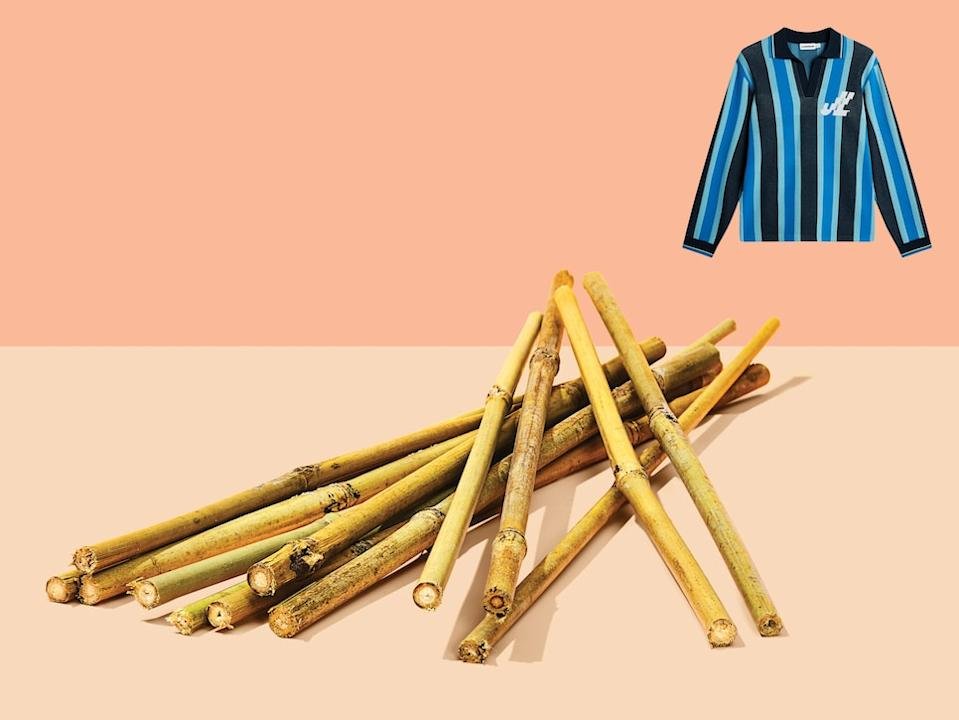
J.Lindeberg Silas Stripe Polo Knit
Rayon is an umbrella term for a variety of semi-synthetic, plant-based and chemically treated fibers. Viscose is made from the cellulose of chopped pine, eucalyptus, beech or even bamboo. Modal comes from refined beech wood, often through more environmentally friendly methods. Lyocell is another wood-pulp fabric, hailing from eucalyptus, birch or oak. Each raw material boasts its own claim to fame for softness, breathability, durability, stretch, sheen, moisture-wicking and temperature-regulating abilities. Many golf brands, including Peter Millar, Redvanly, B. Draddy, tasc Performance, and OceanTee rely on rayon or rayon-polyester blends, often through the brand name Tencel, a popular manufacturer in the athleisure space. Tencel responsibly sources its raw materials—usually eucalyptus and beech wood—manufacturing the renewable, biodegradable resource in an intentionally water-saving and energy-reducing manufacturing process. To further mitigate the sport’s impact on trees, many brands such as Tentree, PAYNTR Golf and Reflo plant trees in at-risk forests to mitigate deforestation.
MORE: The best gifts for golfers blending performance and luxury
Read the full article here