




”
], { type: “text/html” }
);
const iframe = document.createElement(“iframe”);
iframe.src = URL.createObjectURL(blob);
iframe.style.cssText = “width:100%;height:100%;border:0;”;
container.appendChild(iframe);
attachIframeMessageListener(iframe);
}
const observer = new IntersectionObserver((entries, obs) => {
const entry = entries[0];
if (entry.isIntersecting) {
obs.unobserve(entry.target);
requestIdleCallback(() => {
initWidget(entry.target);
}, {
timeout: 200
});
}
}, {
root: null,
rootMargin: “300px 0px”,
threshold: 0.01
});
requestIdleCallback(() => {
$all(“.nl-inline-form-container”).forEach((c) => {
observer.observe(c);
});
});
})();
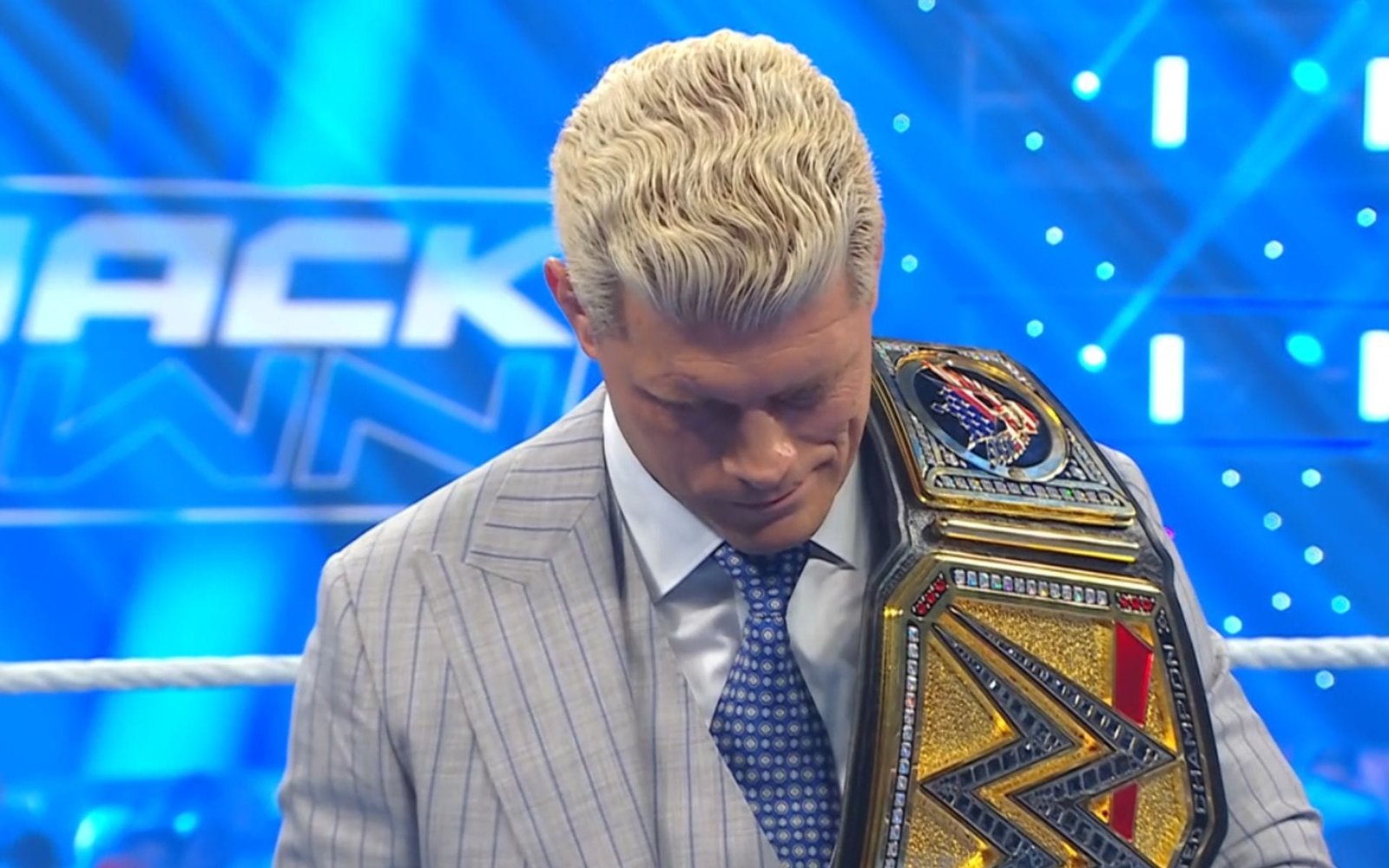
Things got heated quite naturally, and when Cody Rhodes told Sami Zayn that he would “never” hold the WWE title as long as he is Champion, Sami slapped the taste out of Cody’s mouth. This was a shocking moment, and in only a minute, Cody slapped Sami right back. Sami went to take a steel chair, and Cody was ready to fight, but Sami dropped the steel chair and exited, nearly breaking down in tears.
That was storytelling at its finest, and something that WWE has been severely missing for a while now. It isn’t so much that fans have hated everything, but there has been an overall criticism from past wrestlers, figures, and fans alike that the company has been experiencing a bit of a creative lull in the last 12-18 months.
Either way, this is a step in the right direction, and it goes to show that you don’t need the biggest star names to sell a story.
More from Sportskeeda
${getStoryActionHTML(story, storyTitle, permalink)}
`;
if (index == 3 && isOpera) {
storyHTML += `
`;
}
recommendedArticlesContainer.innerHTML += storyHTML;
});
}
}
function getStoryActionHTML(story, storyTitle, permalink) {
if (shouldHidePostActions) return “”;
return `
`;
}
function recommendedArticles() {
var baseUrl = “https://cf-gotham.sportskeeda.com/recommendations/post/news-cody-rhodes-best-friend-slaps-across-face-nearly-breaks-tears-wwe-smackdown?lang=en&category=wwe”;
pureJSAjaxGet(baseUrl, function(data) {
renderRecommendedArticles(data);
if (isOpera) {
renderOperaFeedAd();
}
}, function() {}, false);
}
var options = {
root: null,
rootMargin: “0px 0px 70% 0px”,
threshold: 0.1
};
var observer = new IntersectionObserver(function (entries) {
entries.forEach(function (entry) {
if (entry.isIntersecting) {
recommendedArticles();
observer.unobserve(entry.target);
}
});
}, options);
var targetElement;
if (showAlsoReadSection && !showAlsoReadSectionV2) {
targetElement = document.querySelector(‘.also-read-articles-container’);
} else {
targetElement = document.querySelector(‘.recommended-posts’);
}
if (targetElement) {
observer.observe(targetElement);
}
function renderOperaFeedAd() {
var operaFeedArticleAd = $(“.opera-article-feed-ad”);
if (!operaFeedArticleAd) {
return;
}
var firstScript= document.createElement(‘script’);
firstScript.setAttribute(“type”, “text/javascript”);
firstScript.setAttribute(“src”, “https://pagead2.googlesyndication.com/pagead/js/adsbygoogle.js?client=ca-pub-1883810847636355”);
firstScript.setAttribute(“async”, true);
firstScript.setAttribute(“crossorigin”, “anonymous”);
operaFeedArticleAd.appendChild(firstScript);
operaFeedArticleAd.innerHTML += `
`;
var secondScript = document.createElement(‘script’);
var secondScriptCode=””;
try {
secondScript.appendChild(document.createTextNode(secondScriptCode));
operaFeedArticleAd.appendChild(secondScript);
} catch (e) {
console.error(e);
}
}
})();
Fetching more content…


Read the full article here