


”
], { type: “text/html” }
);
const iframe = document.createElement(“iframe”);
iframe.src = URL.createObjectURL(blob);
iframe.style.cssText = “width:100%;height:100%;border:0;”;
container.appendChild(iframe);
attachIframeMessageListener(iframe);
}
const observer = new IntersectionObserver((entries, obs) => {
const entry = entries[0];
if (entry.isIntersecting) {
obs.unobserve(entry.target);
requestIdleCallback(() => {
initWidget(entry.target);
}, {
timeout: 200
});
}
}, {
root: null,
rootMargin: “300px 0px”,
threshold: 0.01
});
requestIdleCallback(() => {
$all(“.nl-inline-form-container”).forEach((c) => {
observer.observe(c);
});
});
})();
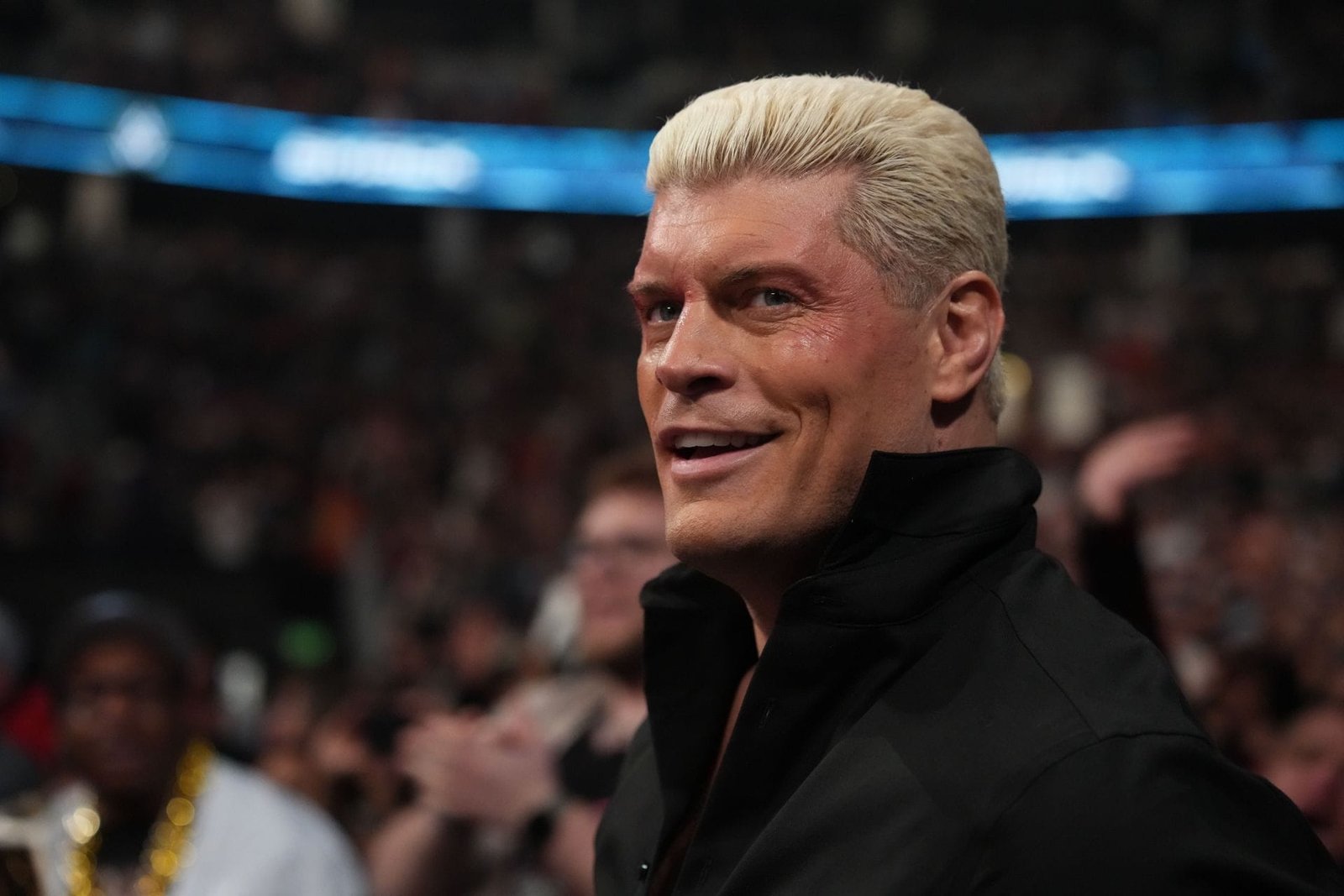
Let’s take a look at five reasons Cody Rhodes turning heel would be best for business:
#5. Erosion of his organic connection with fans
When Cody Rhodes returned to WWE, his connection with fans was rooted in an authentic emotional journey to complete his family legacy. With the passage of time, that organic bond began to fade because Cody was presented as an untouchable star who always wore the golden crown. He was pushed too hard even when fans refused to see him in that picture. As a result, a large portion of the fans have started expressing frustrations.
When fans begin booing a clear-cut hero, forcing the babyface routine creates a disconnect that damages the product’s credibility. Therefore, the only solution to such a situation is to align things the way they are. By turning Cody Rhodes heel, WWE can lean into this fan reaction rather than fighting it. The company can capitalize on these fans’ apathy into a storyline, transforming organic boos into intentional heat for The American Nightmare.
#4. SmackDown roster is overflowing with babyfaces
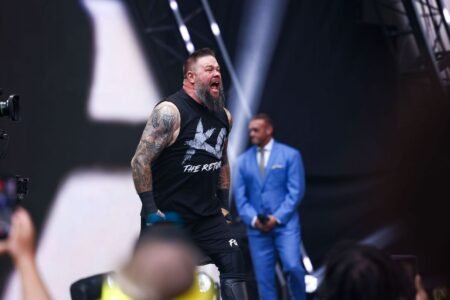
Friday Night SmackDown is currently filled with a diverse range of superstars from youngsters to veterans. However, when it comes to the top-tier picture, the roster has an abundance of babyfaces like CM Punk, Finn Balor, Sami Zayn and Kevin Owens. With fan-favorite stars dominating, booking fresh title programs becomes increasingly difficult without resorting to face vs. face matchups that lack clear emotional stakes.
Therefore, turning Cody Rhodes heel would be best for business at this point. This move would immediately reshape the roster’s dynamic and solve this structural traffic jam. As a heel, Rhodes could become a menacing figure on the brand, becoming a major obstacle for the babyfaces. This would redistribute SmackDown’s star power evenly across the roster, ensuring that the blue brand’s main events gain long-term stability.
#3. Preventing fan fatigue for Cody Rhodes’ character
One of the major reasons why Cody Rhodes’ heel turn would be the best decision is to prevent him from getting boycotted by fans. The WWE Universe has apparently gotten tired of watching him do the same thing again and again. The formula of Super Cody overcoming all adversity and bouncing back like a typical hero every time has made things monotonous. When a superstar’s promo and match become entirely predictable, fans’ fatigue sets in.
However, a heel turn could break this repetitive cycle. It could instantly inject unpredictability, fresh character motivation, and a new psychological edge into Cody Rhodes’ persona. The Prodigal Son becoming entitled and believing that fans owe him everything would be fascinating. This would protect his long-term star power from becoming stale, allowing Rhodes to reinvent his in-ring style, interview tone and general presence.
#2. Elevating his feud with Randy Orton
Cody Rhodes are Randy Orton are set to reignite their feud post-SummerSlam, and this time the story demands a fresh outlook. During their WrestleMania feud, The Viper was positioned as a diabolical heel while The American Nightmare was portrayed as a sympathetic babyface. No matter how hard WWE tried, fans still cheered for Orton and booed Rhodes. This contrasting character alignment made their epic storyline quite complex.
However, this time, things ought to be different. Turning Cody Rhodes heel while letting Randy Orton remain an organic babyface would be best for business. It would perfectly align with fans’ reception towards both superstars. A sheer legend like Randy trying to teach a brash and entitled Cody a lesson would make for a good storyline. The company can elevate this feud to a whole new level simply by letting The American Nightmare be a menacing heel.
#1. Creating fresh top-tier feuds in WWE
As a top babyface, Cody Rhodes has already crossed paths with almost every big superstar on the roster, leaving his options increasingly limited. However, a heel turn can instantly unlock an entire library of first-time high-stakes main event rivalries that are currently unavailable for Rhodes. It could open the doors to several blockbuster top-tier feuds on the roster.
Upon turning heel, The American Nightmare can deliver some marquee feuds with top babyfaces like Kevin Owens, Trick Williams, Finn Balor and many others. Fans’ excitement would also increase tenfold since it would give rise to fresh and exciting things. A heel Cody Rhodes serves as the ultimate star-making catalyst, as he can elevate his opponents with his sheer star power.
`;
if (index == 3 && isOpera) {
storyHTML += `
`;
}
recommendedArticlesContainer.innerHTML += storyHTML;
});
}
}
function getStoryActionHTML(story, storyTitle, permalink) {
if (shouldHidePostActions) return “”;
return `
`;
}
function recommendedArticles() {
var baseUrl = “https://cf-gotham.sportskeeda.com/recommendations/post/5-reasons-cody-rhodes-turning-heel-wwe-best-business?lang=en&category=wwe”;
pureJSAjaxGet(baseUrl, function(data) {
renderRecommendedArticles(data);
if (isOpera) {
renderOperaFeedAd();
}
}, function() {}, false);
}
var options = {
root: null,
rootMargin: “0px 0px 70% 0px”,
threshold: 0.1
};
var observer = new IntersectionObserver(function (entries) {
entries.forEach(function (entry) {
if (entry.isIntersecting) {
recommendedArticles();
observer.unobserve(entry.target);
}
});
}, options);
var targetElement;
if (showAlsoReadSection && !showAlsoReadSectionV2) {
targetElement = document.querySelector(‘.also-read-articles-container’);
} else {
targetElement = document.querySelector(‘.recommended-posts’);
}
if (targetElement) {
observer.observe(targetElement);
}
function renderOperaFeedAd() {
var operaFeedArticleAd = $(“.opera-article-feed-ad”);
if (!operaFeedArticleAd) {
return;
}
var firstScript= document.createElement(‘script’);
firstScript.setAttribute(“type”, “text/javascript”);
firstScript.setAttribute(“src”, “https://pagead2.googlesyndication.com/pagead/js/adsbygoogle.js?client=ca-pub-1883810847636355”);
firstScript.setAttribute(“async”, true);
firstScript.setAttribute(“crossorigin”, “anonymous”);
operaFeedArticleAd.appendChild(firstScript);
operaFeedArticleAd.innerHTML += `
`;
var secondScript = document.createElement(‘script’);
var secondScriptCode=””;
try {
secondScript.appendChild(document.createTextNode(secondScriptCode));
operaFeedArticleAd.appendChild(secondScript);
} catch (e) {
console.error(e);
}
}
})();
Fetching more content…

Read the full article here