

”
], { type: “text/html” }
);
const iframe = document.createElement(“iframe”);
iframe.src = URL.createObjectURL(blob);
iframe.style.cssText = “width:100%;height:100%;border:0;”;
container.appendChild(iframe);
attachIframeMessageListener(iframe);
}
const observer = new IntersectionObserver((entries, obs) => {
const entry = entries[0];
if (entry.isIntersecting) {
obs.unobserve(entry.target);
requestIdleCallback(() => {
initWidget(entry.target);
}, {
timeout: 200
});
}
}, {
root: null,
rootMargin: “300px 0px”,
threshold: 0.01
});
requestIdleCallback(() => {
$all(“.nl-inline-form-container”).forEach((c) => {
observer.observe(c);
});
});
})();
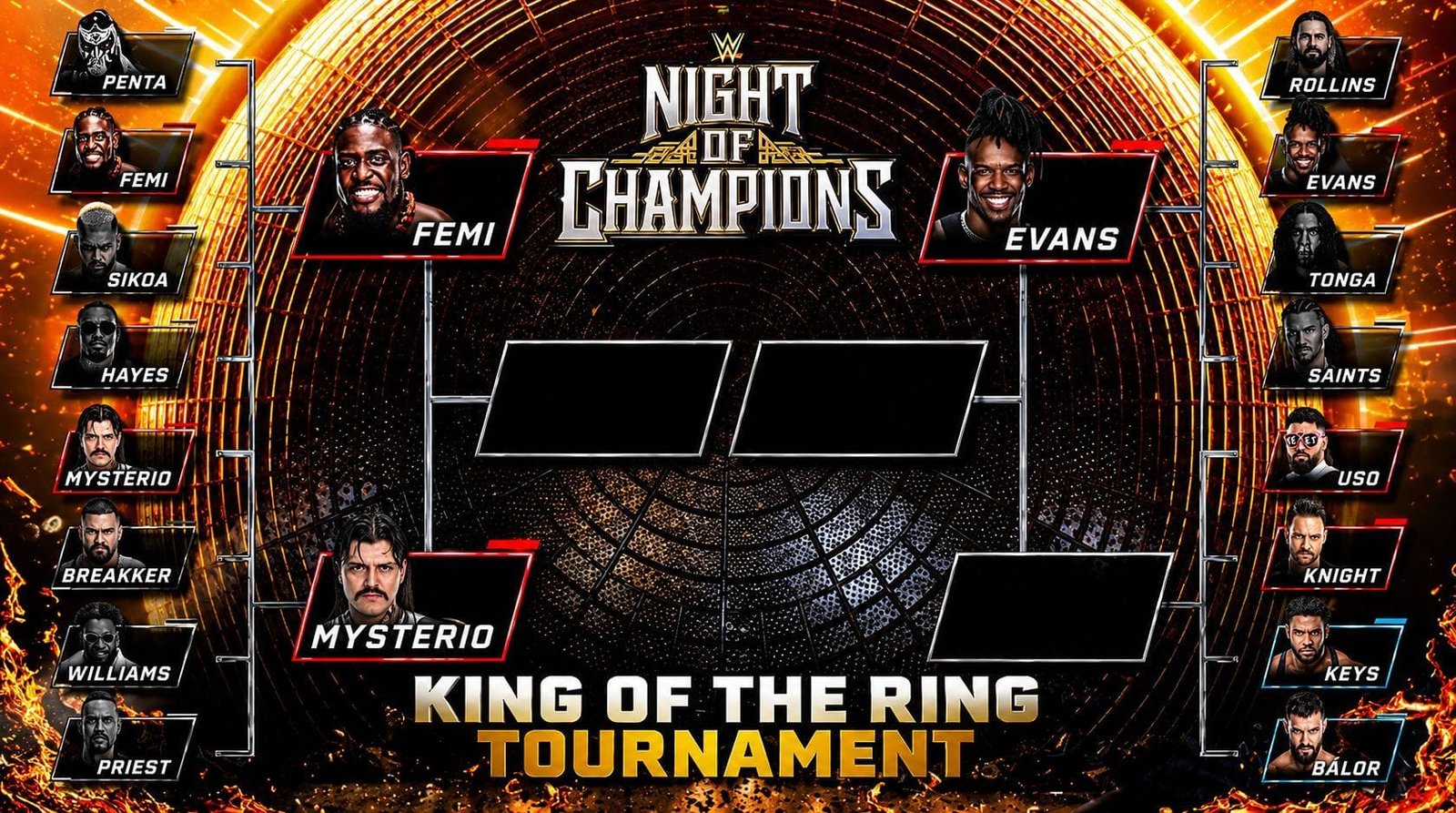
That said, in this article, we look at five of the most notable absentees from the 2026 WWE King of the Ring tournament.
#5. Montez Ford
For years, fans have viewed Montez Ford as a future singles star waiting for his breakout moment. Although he has enjoyed tremendous success as part of The Street Profits, many expected WWE to eventually give him a significant singles push.
Ford possesses nearly every quality the company looks for in a top star. He has charisma, elite athleticism, and impressive microphone skills. Also, he has a connection with the audience that few performers can replicate. His performances in Royal Rumble matches and various singles opportunities have repeatedly demonstrated his ability to stand on his own.
Hence, the tournament would have been the perfect platform for Montez Ford to showcase himself against some of WWE’s biggest names. Instead, he has remained largely attached to tag team storylines while other stars received opportunities in the King of the Ring field.
A deep tournament run could have accelerated Ford’s long-awaited singles ascent. Unfortunately, WWE fans will have to wait a little longer to see whether he can finally break away from the tag team division and establish himself as a legitimate main-event contender.
#4. Former WWE United States Champion Ilja Dragunov
Whenever WWE holds a tournament, Ilja Dragunov feels like a natural participant.
The former United States Champion has built his reputation on resilience, intensity, and the ability to deliver unforgettable matches. His hard-hitting style makes him one of the most compelling competitors on the roster, and tournament settings often bring out the very best in him.
Dragunov’s history with high-stakes matches would have made him a dangerous dark horse in the competition. He has repeatedly proven that he can defeat opponents who may appear physically superior on paper.
Additionally, WWE has spent the last several years establishing Ilja as one of its most credible performers. Hence, including him in the bracket could have instantly elevated the tournament’s overall prestige.
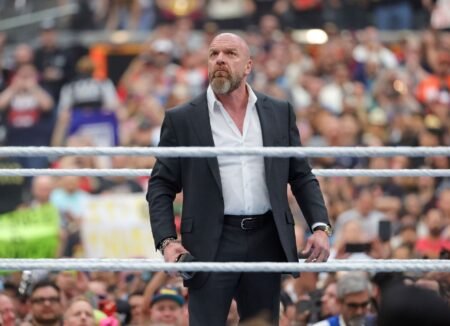
Instead, Triple H chose to move forward without The Mad Dragon. Although there may be storyline reasons behind the decision, his absence remains surprising given how well his character fits the tournament format.
Had Dragunov entered the King of the Ring, few would have been shocked to see him reach the semifinals, or even the finals.
#3. Sami Zayn
Few WWE Superstars have enjoyed a stronger start to 2026 than Sami Zayn.
Earlier this year, Zayn won a major No. 1 Contender’s Match and earned an opportunity to challenge for the Undisputed WWE Championship. Since then, he has remained firmly positioned near the top of the card. Hence, that status may explain why the company kept him out of the King of the Ring tournament.
Rather than chasing another path to championship contention, The Underdog from the Underground appears to be already involved in the world-title picture. Current expectations surrounding Night of Champions suggest he could be heading toward a marquee championship program involving Cody Rhodes and Gunther. Nevertheless, his omission still stands out.
Sami Zayn has become one of WWE’s most beloved babyfaces. Arguably, fans consistently rally behind him whenever he enters a major competition. His underdog persona is practically tailor-made for tournaments. Hence, making him a natural fit for King of the Ring.
Had he participated, Zayn likely would have been considered one of the favorites to win the entire event. Instead, the company seems focused on utilizing him elsewhere, leaving a noticeable void in the tournament field.
#2. Ethan Page
Ethan Page’s absence may be the most surprising omission from a momentum standpoint.
Since arriving on WWE’s main roster scene, All Ego has continued to establish himself as one of the company’s fastest-rising villains. His confidence, mic work, and ability to generate genuine fan reactions have helped him stand out in a crowded roster.
More importantly, Page has remained heavily featured on television. He has been involved in the Intercontinental Championship picture on RAW. Thus signaling that WWE views him as an important player moving forward. Given that level of visibility, many expected the former NXT star to receive a spot in the King of the Ring bracket.
The tournament could have provided Ethan Page with the perfect opportunity to elevate himself into the upper echelon of WWE’s male roster. A strong showing would have legitimized him as a future world-title contender while allowing him to generate additional heat as a villain.
Instead, the company appears to have different plans for Page. Although his ongoing rivalries may ultimately prove more beneficial in the long term, his exclusion remains one of the most puzzling decisions surrounding this year’s tournament.
#1. Jimmy Uso
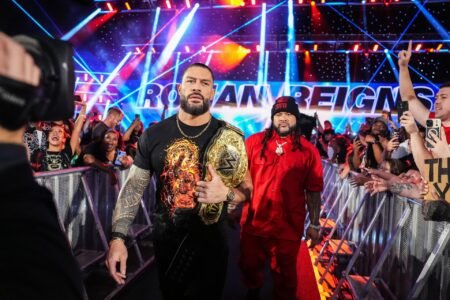
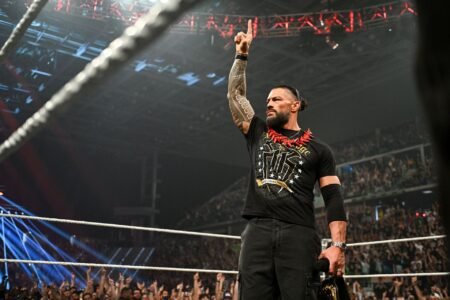
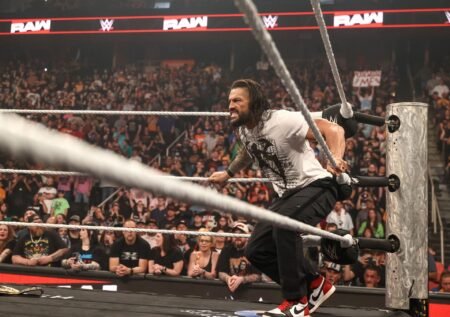
Perhaps no superstar’s absence feels more glaring than Jimmy Uso’s. The Bloodline remains one of WWE’s most dominant factions, and Jimmy has become an increasingly important figure within the group’s ongoing storylines. Yet while Jey Uso secured a spot in the tournament bracket, Big Jim was left watching from the sidelines.
The company even acknowledged his absence on television, with Seth Rollins questioning why Jimmy Uso was not included in the competition and suggesting that Roman Reigns may have preferred keeping him out of the spotlight. That single segment immediately made fans wonder whether there is a deeper storyline reason behind the decision.
From a competitive standpoint, Jimmy had every reason to be included. Over the last two years, he has developed into a credible singles performer. Also, he has delivered several memorable performances outside of the tag team division.
Big Jim’s connection to Roman Reigns, Jey Uso, and the larger Bloodline narrative could have added another fascinating layer to the tournament. Imagine Jimmy advancing through the bracket while Jey attempted to do the same on the opposite side. The possibility of a brother vs. brother showdown alone would have generated tremendous interest.
Instead, WWE chose a different direction. Whether that decision eventually leads to a major storyline payoff remains to be seen. However, for now, Jimmy Uso stands as the most notable absentee from the 2026 King of the Ring tournament.
More from Sportskeeda
${getStoryActionHTML(story, storyTitle, permalink)}
`;
if (index == 3 && isOpera) {
storyHTML += `
`;
}
recommendedArticlesContainer.innerHTML += storyHTML;
});
}
}
function getStoryActionHTML(story, storyTitle, permalink) {
if (shouldHidePostActions) return “”;
return `
`;
}
function recommendedArticles() {
var baseUrl = “https://cf-gotham.sportskeeda.com/recommendations/post/5-most-notable-absentees-from-the-wwe-king-of-the-ring-2026-tournament?lang=en&category=wwe”;
pureJSAjaxGet(baseUrl, function(data) {
renderRecommendedArticles(data);
if (isOpera) {
renderOperaFeedAd();
}
}, function() {}, false);
}
var options = {
root: null,
rootMargin: “0px 0px 70% 0px”,
threshold: 0.1
};
var observer = new IntersectionObserver(function (entries) {
entries.forEach(function (entry) {
if (entry.isIntersecting) {
recommendedArticles();
observer.unobserve(entry.target);
}
});
}, options);
var targetElement;
if (showAlsoReadSection && !showAlsoReadSectionV2) {
targetElement = document.querySelector(‘.also-read-articles-container’);
} else {
targetElement = document.querySelector(‘.recommended-posts’);
}
if (targetElement) {
observer.observe(targetElement);
}
function renderOperaFeedAd() {
var operaFeedArticleAd = $(“.opera-article-feed-ad”);
if (!operaFeedArticleAd) {
return;
}
var firstScript= document.createElement(‘script’);
firstScript.setAttribute(“type”, “text/javascript”);
firstScript.setAttribute(“src”, “https://pagead2.googlesyndication.com/pagead/js/adsbygoogle.js?client=ca-pub-1883810847636355”);
firstScript.setAttribute(“async”, true);
firstScript.setAttribute(“crossorigin”, “anonymous”);
operaFeedArticleAd.appendChild(firstScript);
operaFeedArticleAd.innerHTML += `
`;
var secondScript = document.createElement(‘script’);
var secondScriptCode=””;
try {
secondScript.appendChild(document.createTextNode(secondScriptCode));
operaFeedArticleAd.appendChild(secondScript);
} catch (e) {
console.error(e);
}
}
})();
Fetching more content…


Read the full article here