

AVONDALE, LA – After winning the 2025 Masters and completing the career Grand Slam, Rory McIlroy could have taken a pass on the PGA Tour’s only regular-season team event, the Zurich Classic. Instead, he showed up in New Orleans, played well while understandably drained, and he and Shane Lowry were still in the mix on Sunday.
This year is different.
Advertisement
Even before winning his second Masters two weeks ago, McIlroy made it clear he would skip the RBC Heritage and would not return to TPC Louisiana. Lowry adjusted accordingly, teaming with five-time major champion Brooks Koepka.
That pairing headlines a field that includes defending champions Ben Griffin and Andrew Novak and brothers Matt and Alex Fitzpatrick. Matt Fitzpatrick arrives after beating Scottie Scheffler in a playoff on April 19 at the RBC Heritage.
Koepka’s presence is a boost for tournament director Steve Worthy, but it does not change the broader challenge facing the event. The Zurich Classic sits in a difficult stretch of the schedule, wedged between the Masters and RBC Heritage and, this year, followed by two signature events and the PGA Championship.
Talking about the date, Worthy doesn’t mince words.
Advertisement
“Five out of six is tough,” he said of the six-week run. “Will there be a big-name player that plays all six? I don’t think so. Somebody’s going to skip one somewhere.”
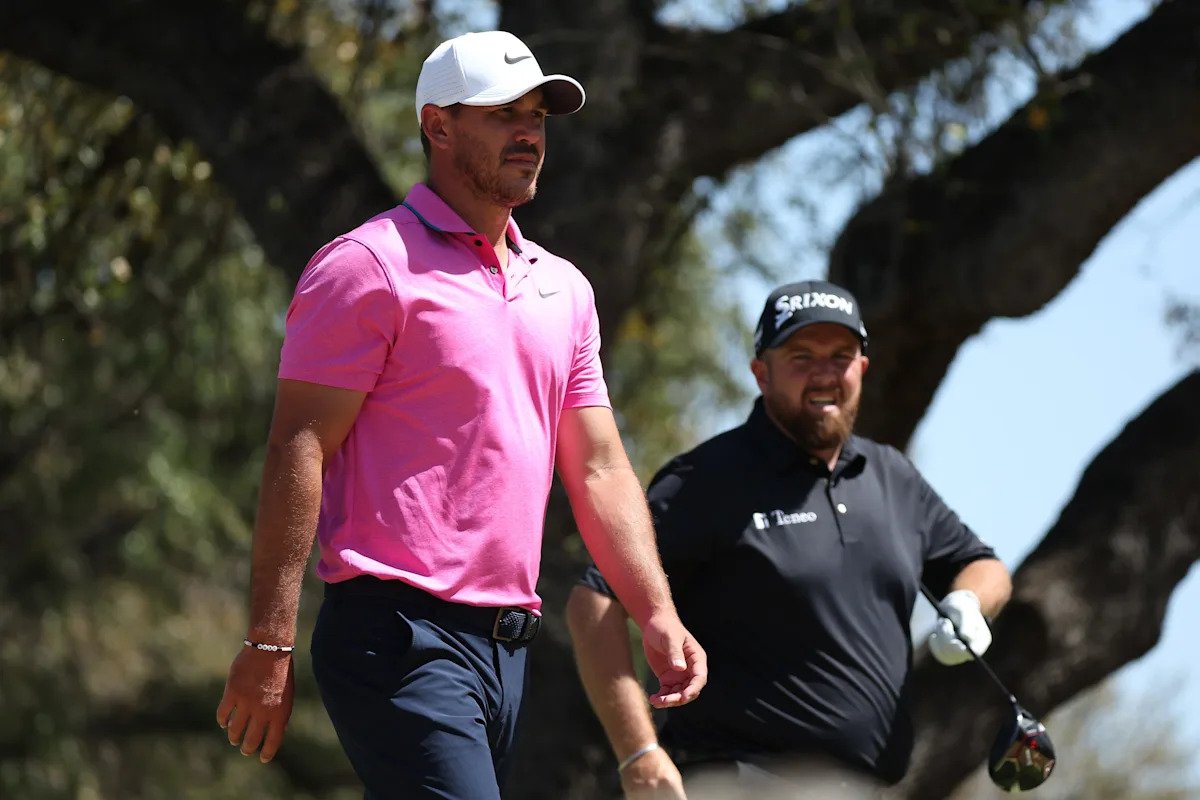
Brooks Koepka of the United States and Shane Lowry of Ireland walk to the eighth fairway during the third day of the World Golf Championships-Dell Technologies Match Play at Austin Country Club on March 25, 2022 in Austin, Texas.
That honesty helps frame what the modern Zurich Classic has become. The tournament understands its place on the calendar. It also understands its identity.
In 2017, it shifted from a traditional 72-hole stroke-play event to a two-man team competition, a move that gave it a distinct personality on a crowded PGA Tour schedule and changed its trajectory.
“My first year was 2012. We were experiencing slow growth with spotty fields through 2016,” Worthy said. “In 2017, it was our first year at team play, and our attendance, our charity numbers, our field, everything, the team format kicked that into another gear.”
Advertisement
Players tend to echo that sentiment. Cameron Davis, who is playing with fellow Australian Geoff Ogilvy, pointed to the change in mindset the format creates.
“It’s a really nice shake-up from the usual on tour,” Davis said. “Most of the time you’re trying to beat everyone’s head in. It’s very rare to have a week where you get to play alongside someone and you are hoping their putts go in and their drives go down the fairway.”
The format gives the Zurich Classic a clear identity, but it does not insulate the event from the tour’s evolving economics. Signature events with $20 million purses and increased FedExCup points have reshaped the landscape, often pulling star players toward those weeks.
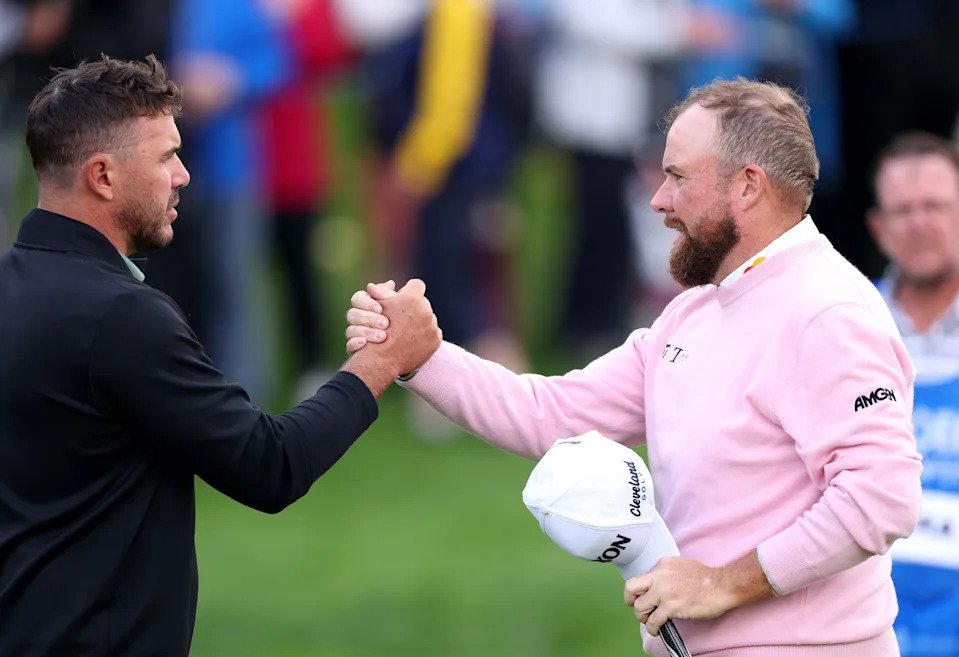
Brooks Koepka of the United States and Shane Lowry of Ireland shake hands after finishing their round on the 9th green on day one of the Amgen Irish Open 2025 at The K Club on September 04, 2025 in Straffan, Ireland.
Before that shift, Worthy said, the Zurich Classic regularly attracted deeper fields than many might remember.
Advertisement
“In our second year of team play, we had 11 of the top 15 in the world,” he said. “If you look at the depth of our field before the signature events came about, we were really happy with where we were. Signature events come around, and it cuts into what we’re doing.”
Still, Worthy is not sounding alarms about the tournament’s future. Part of that confidence comes from something that does not show up on a leaderboard. Once players get to New Orleans, they tend to enjoy the week.
“It’s the format because a lot of our European players who have played, they embrace it,” Worthy said. “They enjoy playing together.”
The city itself is part of the appeal. For players, New Orleans is more than a stop on the schedule. It is a place they want to experience. Conversations often turn to restaurants, hard-to-get reservations and what to see during the week.
Advertisement
That matters for the title sponsor as well. Zurich has continued its support in part because New Orleans fits how the company entertains clients and conducts business. Last year, it extended its sponsorship through 2030.
“New Orleans is a huge part of Zurich continuing here,” Worthy said. “When we can invite our biggest, most important customers, and get an immediate acceptance on those invites, we know they want to come here.”
In that sense, the Zurich Classic occupies an unusual place on the PGA Tour. It is a golf tournament, but it is also built around partnership in multiple ways. There are the two-man teams, the relationship between sponsor and city, and the idea that this week offers something players do not get almost anywhere else.
That may be the best way to view the Zurich Classic. It is not trying to be the Masters or compete directly with signature events. It is trying to be what it has become over the last eight years: one of the tour’s most distinctive weeks, in one of the country’s most distinctive cities, even as the schedule around it continues to make the challenge more complicated.
This article originally appeared on Golfweek: Zurich Classic golf embraces team format: Brooks Koepka, Shane Lowry
Read the full article here