


- The next-generation Skyline won’t be sold in the United States with a Nissan badge.
- Instead, the sports sedan will be an Infiniti model in North America.
- Nissan has halved the development time to only 26 months.
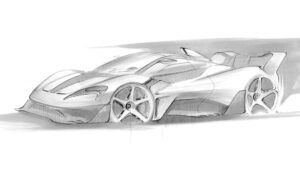
- A new GT-R is also on the way.
The Skyline moniker is about to turn 70, as Nissan has been selling cars under this name since 1957. Over the decades, it’s been used for just about every body style imaginable, from sedans and coupes to pickups and even a crossover. The Japanese automaker simplified the lineup for the outgoing thirteenth-generation model to a sedan, and its replacement will also arrive with four doors and a proper trunk.
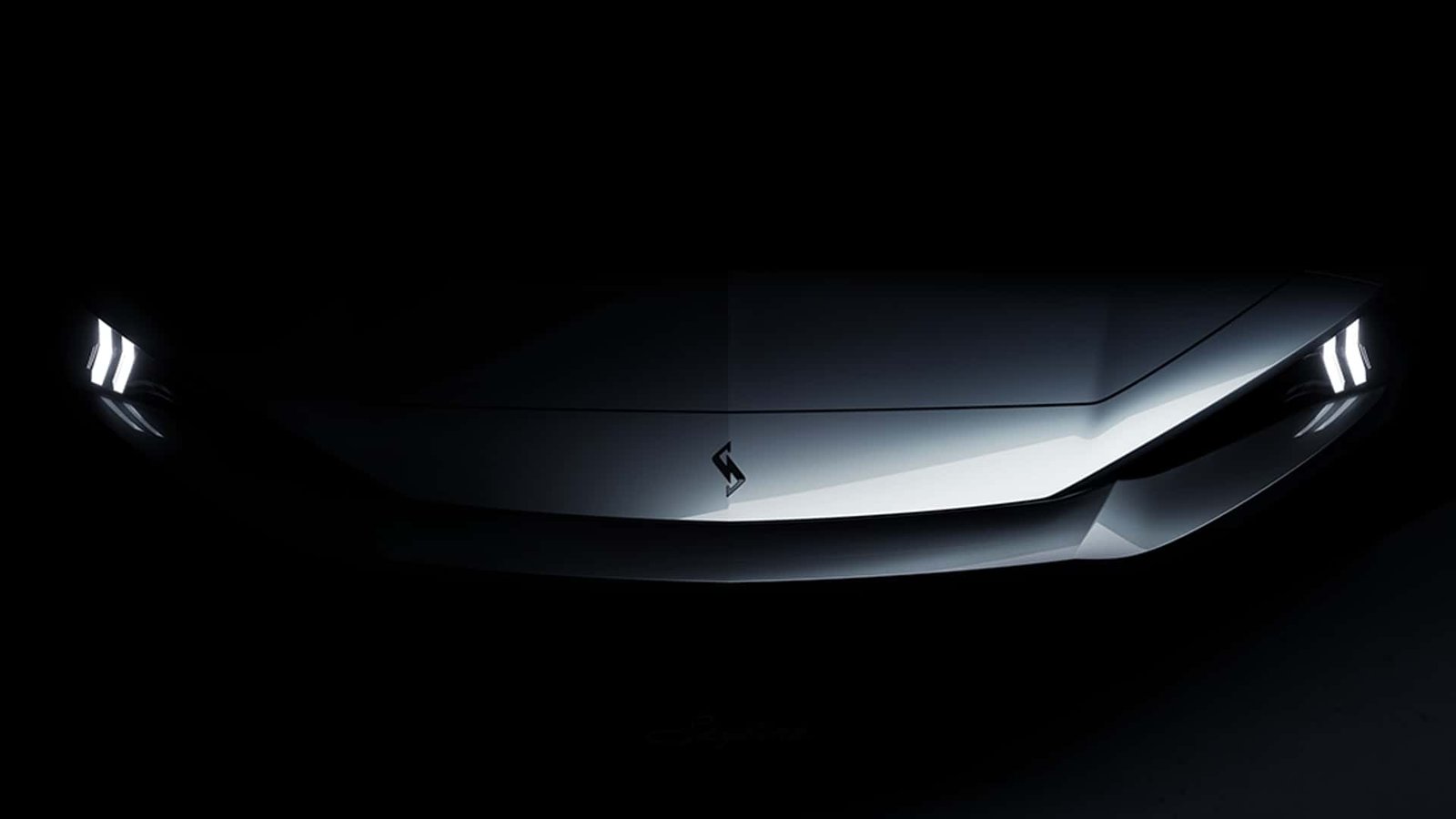
Nissan first offered a glimpse of the all-new Skyline back in April, and it won’t be long before the sports sedan breaks cover. CEO Ivan Espinosa told Nikkei Asia the wraps will come off sometime this winter. The next-generation model certainly can’t arrive soon enough, considering the current car has been around for more than a decade. Yes, the V37-generation model launched in 2014, so it’s well past its prime.
The revamped Skyline is Nissan’s first model to follow a much shorter development process. While the outgoing car took about 55 months to engineer, its replacement will be finalized in only 26 months. The company’s head honcho explained how the lead time was cut in half:
‘A big part of this is built on AI capabilities and the utilization of new tools, more digital tools in the design phase, in the testing phase, in the manufacturing phase.’
New Nissan Skyline official teaser
Photo by: Nissan
The New Skyline Will Be An Infiniti In North America
North America won’t get the Skyline with a Nissan badge. Instead, it will come here as an Infiniti, which is hardly a surprise given that previous-generation models from the two sister brands were closely related. Potentially called the Q50, it will allegedly feature rear-wheel drive and a manual gearbox, as previously hinted by Tiago Castro, vice president of Infiniti Americas.
As for what will power it, insider claims suggest it will borrow the twin-turbo V6 engine from the Z, where the VR30DDTT produces 420 hp and 384 lb-ft (520 Nm) in the new manual Nismo version. We also wouldn’t rule out Nissan offering the new Skyline with all-wheel drive and an automatic transmission (but not a CVT) to broaden its customer base.


Until it debuts this winter, we’re hoping for more teaser images to ease the wait. Alfonso Albaisa, Nissan’s global design director, has previously described the exterior as “inspired by the past,” but without going all in on a “retro styling exercise.”
When the world premiere takes place, the new Skyline will apparently look “aggressive and modern, with proportions that recall the original, but with a design that looks ahead.”


Nissan Is Also Working On A New GT-R R36
The next Skyline won’t be a replacement for the GT-R R35. However, Ivan Espinosa revealed during the same interview that a direct successor to Godzilla is in the works. The CEO and president promised to “share more details later on,” and Motor1 has already learned from the company’s Corporate Executive of Family, Product & Components, Richard Candler, that the future supercar will still have a combustion engine.
Motor1’s Take: Nissan has been making all the right moves since Ivan Espinosa took over a little more than a year ago. A fresh influx of models is on the way to revitalize the company’s aging portfolio. The new product offensive extends well beyond a new Skyline and an eventual GT-R. Examples that come to mind include the return of the Xterra and Terrano as body-on-frame SUVs.
In addition to the Skyline-based Infiniti that will replace the Q50, Nissan’s luxury division is also developing several new models, including a midsize hybrid SUV and a pair of large ladder-frame hybrid SUVs.
Hopefully, the investments in new products will pay off and help Nissan return to where it belongs. Drastically shortening the development cycle should make the company more competitive by allowing it to roll out a wave of new vehicles. Ideally, quality won’t suffer from the compressed timelines that only Chinese automakers have consistently achieved until now.
Read the full article here