



- Toyota and Honda build more than three-quarters of vehicles assembled in Canada.
- President Trump announced a 50% tariff on Canadian-built cars, trucks and parts effective January 1, 2027.
- Toyota and Honda will likely absorb part of the 50% tariff instead of fully passing costs to US buyers.
Toyota and Honda build more cars in Canada than any other automaker, and that math is about to bite. The two Japanese brands together account for more than three-quarters of all vehicles assembled north of the border, putting them squarest in the path of President Trump’s threatened tariff hike.
The number on the table is 50 percent, a tariff on Canadian-built cars, trucks and auto parts that Trump says will take effect January 1, 2027. The plan still faces political and legal uncertainty on both sides of the border. Toyota and Honda now face a choice: eat the cost themselves or pass it on to American buyers already stretched thin on new-car prices.
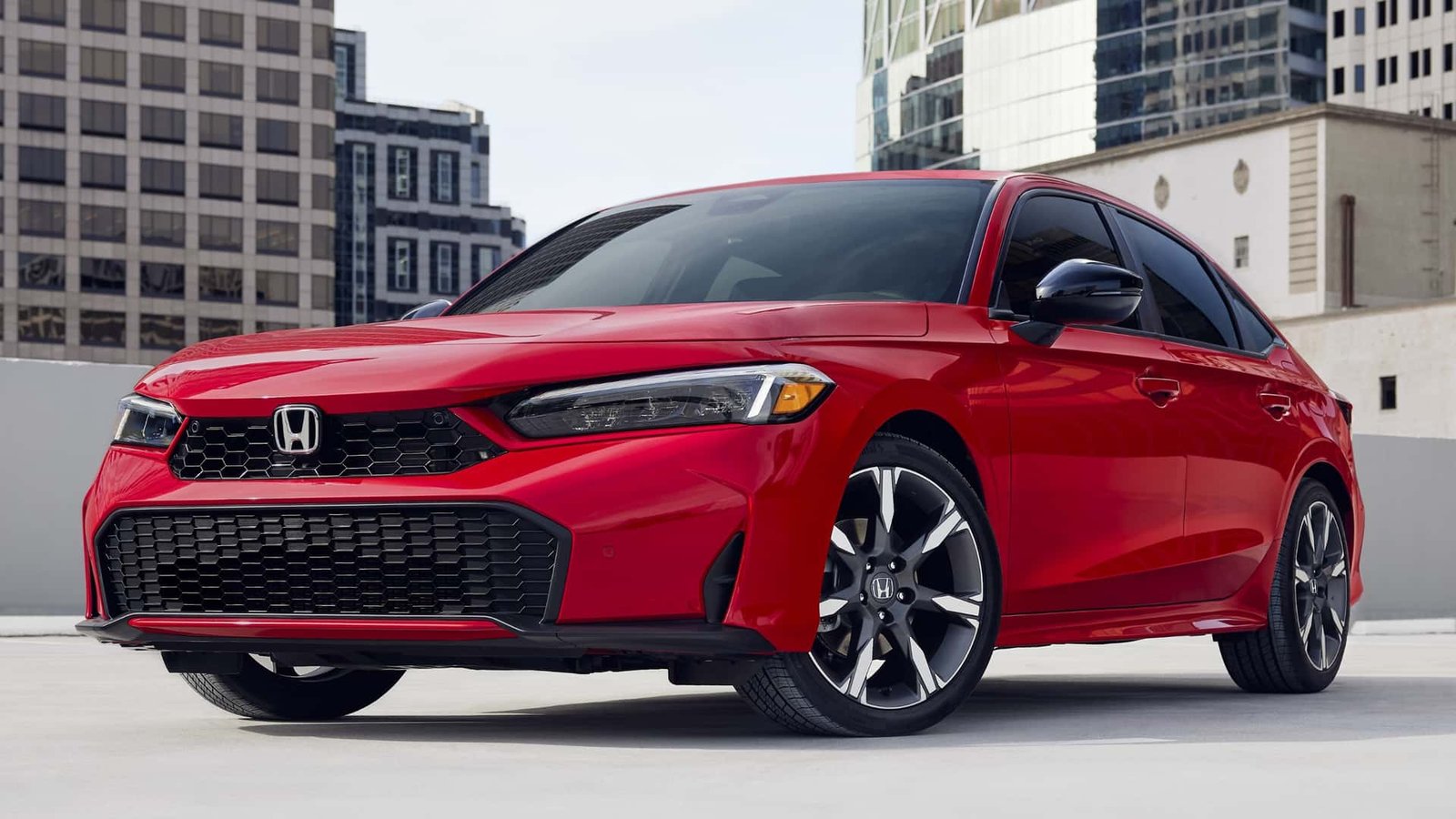
Honda celebrates 10 millionth vehicle in Canada – 2022 CRV hybrid
Photo by: Honda
Toyota And Honda Face Trump’s Canada Tariff Bill
Automakers spent the summer expecting relief, not a bigger bill. Reuters detailed how US and Canadian negotiators had been haggling over a deal that could cut the existing 25 percent tariff down to 15 percent. That move would have eased pressure on cross-border shipments if they had closed the gap. Instead, talks collapsed, and Trump declared that a 50 percent rate would apply to vehicles, parts and trucks alike starting in 2027.
In its Reuters company filing, Toyota flagged the tariff threat as a material risk for investors tracking its North American output. Honda has not broken from that script in public comments. Neither company has said how it plans to split the cost between its own margins and the window sticker. Reuters notes that both may try to redirect Canadian-built models or shift production and that the final split between absorbed and passed-through costs will depend on market conditions.
The timeline has been anything but smooth. Trump first threatened 50 percent tariffs on Canadian autos and other goods, then moved ahead with new 50 percent duties on roughly $20 billion of Canadian imports, including steel and other products. Canada responded with its own retaliatory tariffs on about $20 billion of US exports, deepening a trade fight that still hangs over the auto-specific measures. That back-and-forth is exactly the kind of volatility that makes it hard for automakers to plan a model year’s pricing, let alone a multi-year production strategy.
How The Tariffs Reach Toyota And Honda’s Supply Chains
A tariff on a “Canadian” vehicle rarely stays contained to one border crossing. Parts for a single engine or transmission can cross the US-Canada line multiple times before final assembly. Toyota and Honda both run plants that lean on that back-and-forth flow. Raise the tariff on that flow, and the cost compounds at every crossing, not just the final one.
That is the mechanic behind why Toyota has been shifting some production stateside, including the move to build the Tacoma pickup with more American-made content. Shifting a plant takes years and billions of dollars, though, so neither company can simply relocate its way out of a January 2027 tariff threat.
Toyota and Honda together build about 76 percent of the vehicles assembled in Canada and employ more than 60% of the country’s auto-assembly workforce. For shoppers, the practical question is whether a Canadian-built Honda CR-V or Toyota RAV4 gets pricier or whether the companies quietly trim margins to hold the line.
Motor1’s Take: The tariff fight is political theater, but the bill lands in driveways and dealer showrooms. Toyota and Honda have room to eat some of the cost, though not without pressure on profits and product plans. If the 50% rate hits on schedule, Canadian-built crossovers and trucks could get a lot more expensive almost overnight.
Read the full article here