



”
], { type: “text/html” }
);
const iframe = document.createElement(“iframe”);
iframe.src = URL.createObjectURL(blob);
iframe.style.cssText = “width:100%;height:100%;border:0;”;
container.appendChild(iframe);
attachIframeMessageListener(iframe);
}
const observer = new IntersectionObserver((entries, obs) => {
const entry = entries[0];
if (entry.isIntersecting) {
obs.unobserve(entry.target);
requestIdleCallback(() => {
initWidget(entry.target);
}, {
timeout: 200
});
}
}, {
root: null,
rootMargin: “300px 0px”,
threshold: 0.01
});
requestIdleCallback(() => {
$all(“.nl-inline-form-container”).forEach((c) => {
observer.observe(c);
});
});
})();
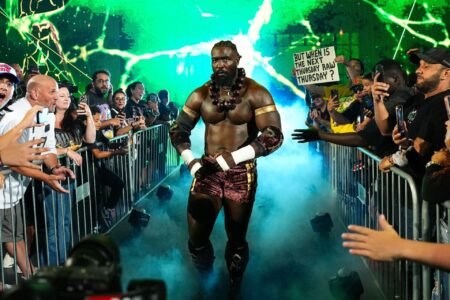
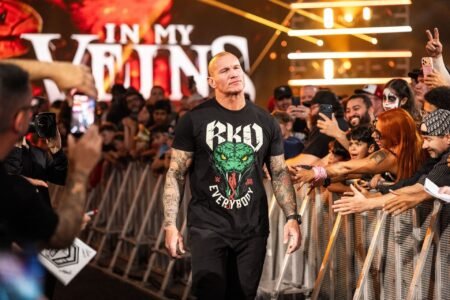
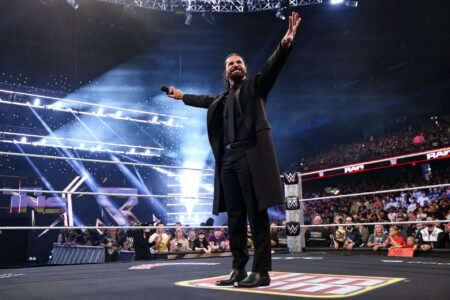
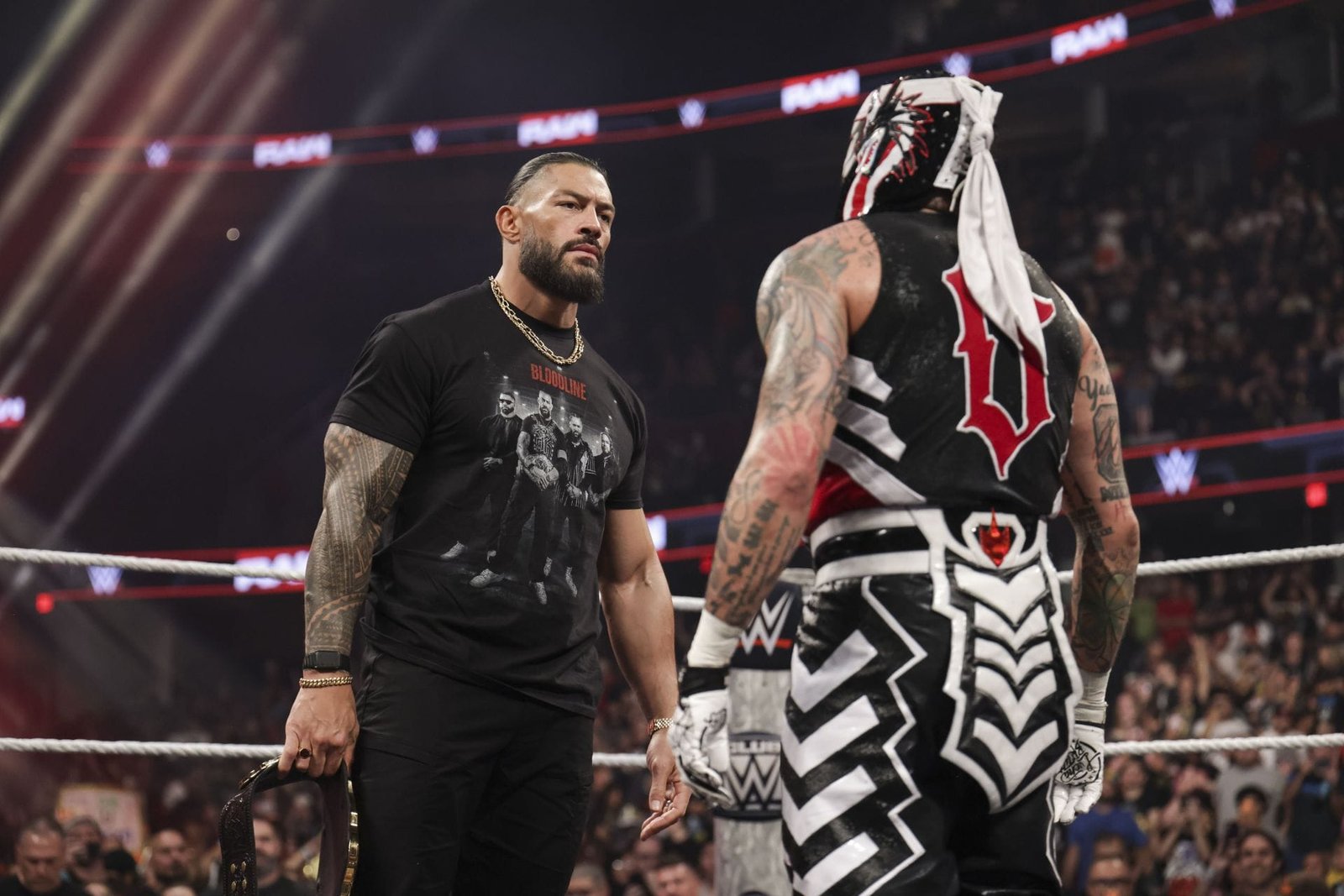
Royce Keys and his 946 faction have emerged as the most dangerous new threat to The Bloodline. On this week’s episode of RAW, 946 escalated its war with Roman Reigns’ family by setting The Usos’ car on fire. WWE has clearly presented Keys and his group as enemies of The Bloodline, while Reigns has warned them they will pay for their actions.
That makes Royce Keys an intriguing candidate to play a decisive role in Mexico City. He does not necessarily need to get physical with Reigns to accomplish his goal. In fact, interfering in the World Heavyweight Championship match could be far more effective.
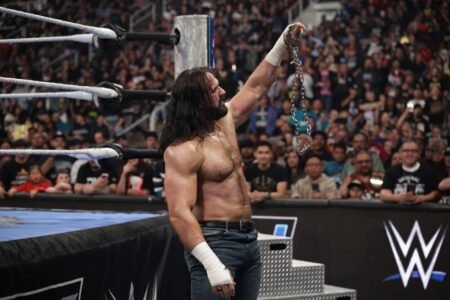
Imagine Roman controlling the closing stages against Penta. The champion could be preparing to deliver the Spear when 946 suddenly appears at ringside. Keys could distract Roman Reigns. As a result, allowing the Mexican star to capitalize with his signature offense and score the biggest victory of his WWE career.
Such an outcome would immediately establish 946 as a legitimate threat while giving Penta a championship moment. More importantly, it would protect Reigns from suffering a clean defeat. WWE could make it clear that Penta was opportunistic rather than definitively superior to the OTC. That would leave the door open for Roman to chase both the championship and revenge against Royce Keys (946).
While this angle is speculative, it is not entirely out of the realm of possibility. Only time will tell if this comes to fruition.
Royce Keys potentially costing Roman Reigns against Penta could be a masterstroke
The timing would also make sense. WWE has already shown that The Bloodline and 946 are heading toward a larger faction war. The Usos and Jacob Fatu have been trying to confront Keys’ group. Meanwhile, the conflict has become increasingly personal.
Thus, if Royce Keys costs Roman Reigns the title, the consequences could be explosive. The OTC could become obsessed with destroying 946 before pursuing the championship again. Meanwhile, Penta could begin his reign by defending the title against challengers from across RAW. That creates multiple storylines from one shocking finish.
It also gives Keys a chance to look even more dangerous. Rather than simply attacking members of The Bloodline, he would have helped take away Reigns’ championship. That kind of move could instantly elevate him from a rising antagonist to one of WWE’s biggest threats.
Of course, WWE could still have Roman Reigns defeat Penta cleanly and continue his reign. However, if the company wants to make 946 the defining enemy of The Bloodline, Royce Keys costing Reigns the World Heavyweight Championship would be a bold way to accelerate the rivalry.
Penta winning through Royce’s interference could therefore be the perfect combination of shock value, storyline progression, and long-term booking. However, this is speculative, and nothing has been confirmed.
More from Sportskeeda
${getStoryActionHTML(story, storyTitle, permalink)}
`;
if (index == 3 && isOpera) {
storyHTML += `
`;
}
recommendedArticlesContainer.innerHTML += storyHTML;
});
}
}
function getStoryActionHTML(story, storyTitle, permalink) {
if (shouldHidePostActions) return “”;
return `
`;
}
function recommendedArticles() {
var baseUrl = “https://cf-gotham.sportskeeda.com/recommendations/post/the-bloodline-s-biggest-nemesis-cost-roman-reigns-wwe-world-heavyweight-championship-penta-exploring-possibility?lang=en&category=wwe”;
pureJSAjaxGet(baseUrl, function(data) {
renderRecommendedArticles(data);
if (isOpera) {
renderOperaFeedAd();
}
}, function() {}, false);
}
var options = {
root: null,
rootMargin: “0px 0px 70% 0px”,
threshold: 0.1
};
var observer = new IntersectionObserver(function (entries) {
entries.forEach(function (entry) {
if (entry.isIntersecting) {
recommendedArticles();
observer.unobserve(entry.target);
}
});
}, options);
var targetElement;
if (showAlsoReadSection && !showAlsoReadSectionV2) {
targetElement = document.querySelector(‘.also-read-articles-container’);
} else {
targetElement = document.querySelector(‘.recommended-posts’);
}
if (targetElement) {
observer.observe(targetElement);
}
function renderOperaFeedAd() {
var operaFeedArticleAd = $(“.opera-article-feed-ad”);
if (!operaFeedArticleAd) {
return;
}
var firstScript= document.createElement(‘script’);
firstScript.setAttribute(“type”, “text/javascript”);
firstScript.setAttribute(“src”, “https://pagead2.googlesyndication.com/pagead/js/adsbygoogle.js?client=ca-pub-1883810847636355”);
firstScript.setAttribute(“async”, true);
firstScript.setAttribute(“crossorigin”, “anonymous”);
operaFeedArticleAd.appendChild(firstScript);
operaFeedArticleAd.innerHTML += `
`;
var secondScript = document.createElement(‘script’);
var secondScriptCode=””;
try {
secondScript.appendChild(document.createTextNode(secondScriptCode));
operaFeedArticleAd.appendChild(secondScript);
} catch (e) {
console.error(e);
}
}
})();
Fetching more content…


Read the full article here