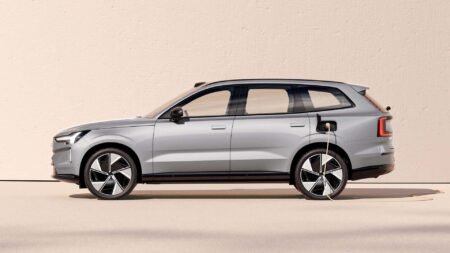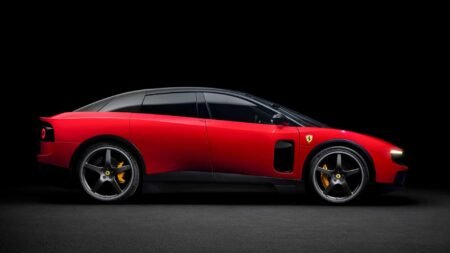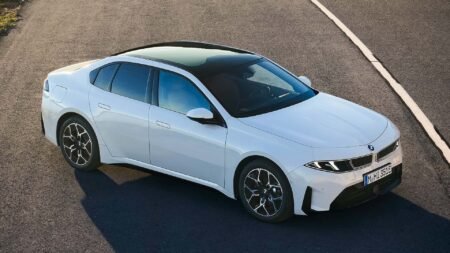




- Stellantis is apparently shifting focus to brands that “really matter.”
- Future investments could center around Jeep, Ram, Peugeot, and Fiat.
- None of the 14 automakers part of Stellantis is facing retirement, at least for now.
When Stellantis was created in 2021 following the PSA-FCA mega-merger, Carlos Tavares vowed to keep all 14 brands and secure their future through investment. The Portuguese executive has since left the automotive conglomerate before his five-year contract expired, and his replacement is reportedly about to shake things up. Although Antonio Filosa won’t axe any of the brands, he will allegedly focus on the ones that “really matter.”
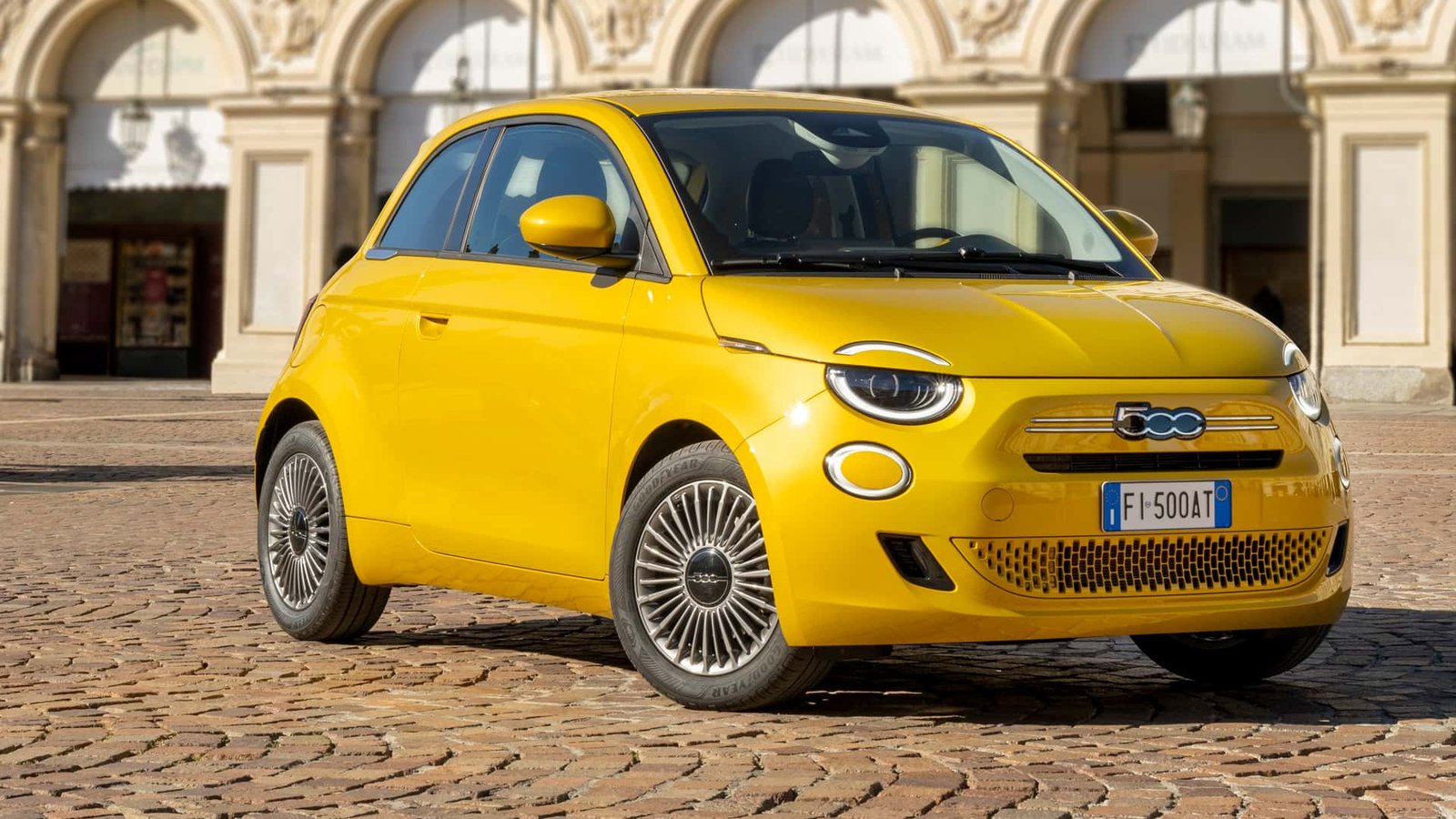
According to a new report from Reuters, Stellantis intends to center investments on four marques: Jeep, Ram, Peugeot, and Fiat. The news agency cites insiders familiar with the company’s agenda, claiming that more money will be spent on those high-volume brands, rather than the more even distribution seen during the massively controversial Tavares era.
While that may seem like the remaining 10 are about to get the shorter end of the stick, that’s not necessarily the case. Alfa Romeo, Opel, and Citroën are said to focus on specific vehicle segments and regions worldwide. Future models are believed to use platforms developed by the four main brands but remain visually differentiated with distinct designs inside and out.
Photo by: Jeep
In some cases, Reuters reports that Stellantis may go a step further and swap badges on select models depending on the region. Whatever happens, none of the 14 companies are facing the chopping block, at least not for the time being. That should come as a sigh of relief, considering previous reports had claimed some were in jeopardy of getting the proverbial axe.
Under the new strategy, the lower-volume automakers could be restricted to certain regions or even become national brands. That used to be the case for Lancia, which for many years sold cars only in its home market of Italy. Whether Stellantis has similar plans in mind for the future is unclear, but if the report holds water, we wouldn’t be surprised if brands like Abarth and DS Automobiles reduce their footprint.


Photo by: Maserati
Maserati isn’t mentioned in the report, but Stellantis officials have repeatedly denied rumors of selling the brand to a third party. Instead, Maserati and Alfa Romeo have already announced plans to deepen their ties by sharing development costs and fast-tracking the launch of new vehicles.
As for the North American side of Stellantis, Chrysler is sadly and notably absent from the report as well. However, the opening of a new design studio and the appointment of a new CEO give us hope that the historic American brand will finally launch new products instead of sticking exclusively to minivans. Last year, Stellantis design chief Ralph Gilles hyped Chrysler and said it is “ripe for a new chapter” by focusing on “brand-new conquest customers,” adding:
‘I think it’s time for us to pivot. We’re going to try. We’re going to experiment with the brand. There is an unserved part of our portfolio in our showroom that our dealers have identified that we can maybe serve with Chrysler, so we’re in the process of experimenting.’
2026 Dodge Durango Hellcat
Photo by: Dodge
Although there’s no word about Dodge in Reuters’ report, Stellantis has pledged to spend $130 million at the Detroit Assembly Complex – Jefferson to build the next-generation Durango from 2029.
Filosa is expected to present Stellantis’ new strategic plan in May, when a so-called “material increase” in investments in Jeep, Ram, Peugeot, and Fiat will be publicly announced. As a refresher, Ferrari is not among the 14 brands under the corporate umbrella, as the Maranello-based sports car manufacturer was spun off from FCA as a separate company in early 2016.
Photo by: Motor1.com España
Motor1’s Take: Opinions are split on how Filosa should steer the Stellantis ship in managing all these brands. For example, some believe Dodge and Ram should merge. Others think DS Automobiles should return to a high-end luxury trim level. Similarly, some voices claim Abarth could serve as a sporty trim.
Of course, until Stellantis officially outlines its plan, it’s all speculation. Reuters’ report does make it clear that all 14 brands will survive, but their roles are about to change. Even more platform sharing makes perfect sense as a way to reduce costs, following the Volkswagen Group rulebook.
A more regional focus for some of these names, rather than selling everything everywhere, would lead to better fund allocation. Whatever the case may be, Filosa has his work cut out for him, as leading the 14-brand empire requires nerves of steel, smart thinking, and the willingness to take unavoidable risks.
Read the full article here