


- Unifor says Stellantis told it on Aug. 12 it’s “seriously evaluating” a full closure and sale of Brampton Assembly.
- Brampton has been idle since late 2023; planned electric Compass production was reassigned to the U.S. in 2025.
- No formal written closure notice has been issued; the collective agreement requires one year’s notice before any shutdown or sale.
Stellantis has told Canadian autoworkers’ union Unifor it is “seriously considering” closing and selling its idled Brampton Assembly plant, putting roughly 2,200 jobs and future Jeep output in play just as new contract talks get underway.
What Unifor Says, And How Stellantis Responds
Unifor says Stellantis informed the union on August 12 that it is evaluating a full closure and sale of Brampton Assembly and has started talks with a potential buyer. The union calls this the first time the company has clearly put both shuttering the site and selling it on the table instead of keeping it in limbo.
At the same time, Unifor notes Stellantis has not issued the written closure notice required under the current collective agreement, which must come at least one year before any shutdown or sale. That gap between a verbal warning and a legal notice is likely to become a central bargaining chip in upcoming talks covering Brampton, Windsor, and Etobicoke.
Publicly, Stellantis says it is preparing for collective bargaining and has “nothing to announce,” describing its Brampton review as part of a search for a sustainable manufacturing plan. The company has already been sharpening its focus on four core brands and reassessing North American plant capacity against that strategy.
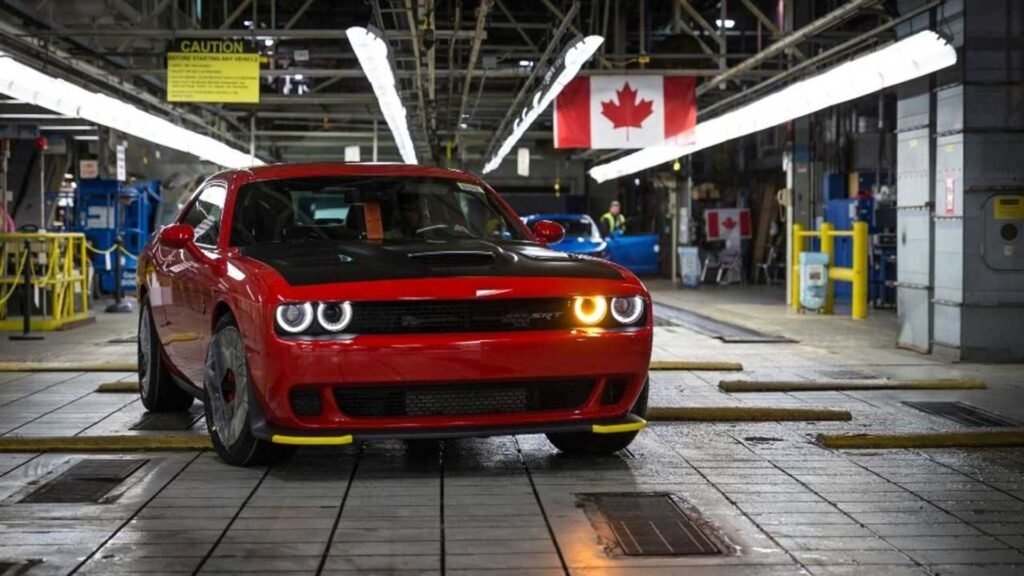
Stellantis Brampton Factory
How Jeep Plans, Tariffs And Timelines Put Brampton At Risk
The Brampton, Ontario plant stopped building Dodge and Chrysler cars in December 2023 and was closed in 2024 for a retooling program meant to prepare it for the next-generation Jeep Compass, including electric versions. By late 2025, Stellantis had shifted those Compass plans to Belvidere, Illinois instead, leaving Brampton without a confirmed replacement product and its workforce on extended layoff.
That reversal came after Stellantis paused retooling while reassessing powertrain and trade strategy, with Canadian officials pointing to tariff threats and US-focused incentives as key pressure points. Those same forces are nudging rivals like Jaguar Land Rover to look at expanding production in the US to protect margins and supply.
If Stellantis ultimately closes Brampton instead of assigning it a new model, the loss would shrink its Canadian footprint and could push future Jeep volume into existing US plants already juggling new electric vehicle programs and leadership changes, including the brands now under new Jeep and Ram CEOs. Under the union contract, any closure decision would still require a one-year formal notice, with timing, product promises, and possible government support likely to be thrashed out in the coming bargaining round.
Motor1’s Take: Brampton shows how quickly an electric vehicle plan can flip from flagship to liability once tariffs, politics, and model mix shift. Stellantis is already willing to walk away from underperforming brands, and it has not hesitated to idle plants that no longer fit the spreadsheet. For now, the site’s best hope is that Unifor can turn this closure threat into leverage for a new product before a year’s notice turns into a one-way ticket out of Canada.
Read the full article here