

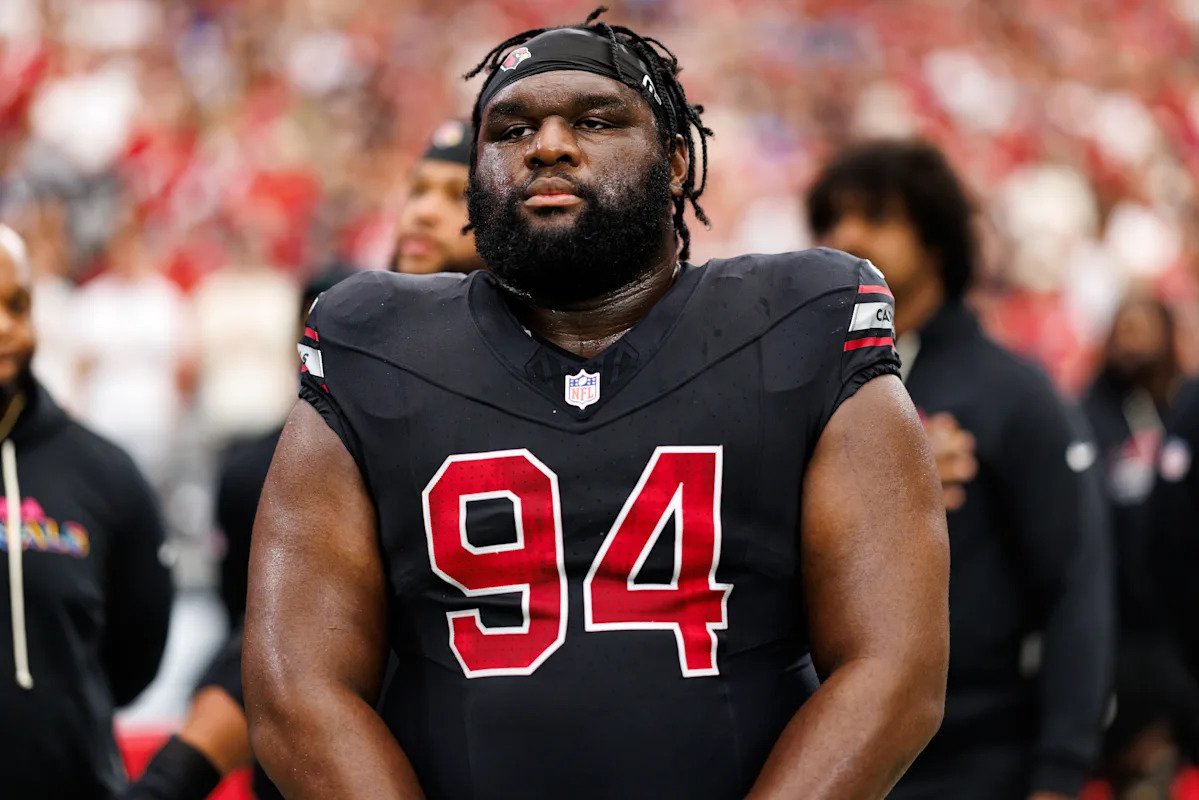
According to Pro Football Focus, Arizona Cardinals nose tackle Dalvin Tomlinson was the 11th-most-played nose tackle in the sport in 2025. The only 2026 free agent who played more snaps than him at the position last year was former Detroit Lions DJ Reader, for reference. On Friday, NFL Network’s Ian Rapoport reported that Tomlinson, who had a $16.2 million cap charge scheduled for 2026, was released by the team.
Tomilson played for the then-Cardinals head coach (and now Green Bay Packers defensive coordinator) Jonathan Gannon last year, after signing a two-year, $29 million deal in March. Before his stint in Arizona, the 6’3”, 335-pounder had played for the New York Giants, Minnesota Vikings and Cleveland Browns after being taken 55th overall in 2017. In total, he’s played 142 games over nine years (15.9 games per year) and started all of them.
Advertisement
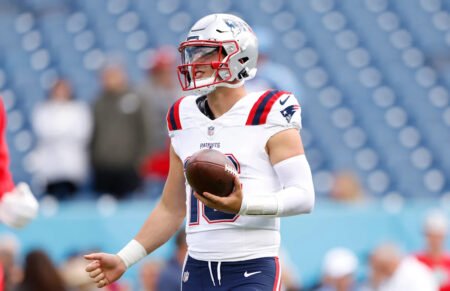
Go ahead and add Tomlinson to the list of nose tackles who have experience under Gannon who are available, including the New England Patriots’ Khyiris Tonga and the Detroit Lions’ Roy Lopez. Javon Hargrave, who is expected to be released by the Minnesota Vikings by the start of free agency, also played for Gannon with the Philadelphia Eagles and was one of the Cardinals’ targets in free agency, according to a source. Hargrave didn’t play nose tackle for the Eagles, instead playing three-technique primarily, but he was a nose tackle for the Vikings in 2025.
An addition of either Tonga or Lopez could potentially offset a compensatory draft pick for the Packers in 2027, since they are compensatory free agents, but Tomlinson and Hargrave wouldn’t, as cap casualties do not count in the compensatory draft pick formula.
The Packers should be in the market to find a starting nose tackle this offseason, be it via free agency or the draft, since the Colby Wooden experience didn’t go great with him replacing Kenny Clark, who was traded for Micah Parsons, and TJ Salton, who left in free agency, in the starting lineup. Green Bay’s defense ranked as the top overall defense in 2025 for the first quarter of games, but their efficiency wore down as games went on, in part because of their nose tackle situation and the team’s overall inability to stop run-heavy drives from going into double-digit snaps played.
Read the full article here