


- Mercedes says the entire industry ‘went too far’ by removing physical buttons from its interiors.
- Future models will bring back hard controls for frequently used functions.
- Still, giant screens like the Hyperscreen aren’t going anywhere.
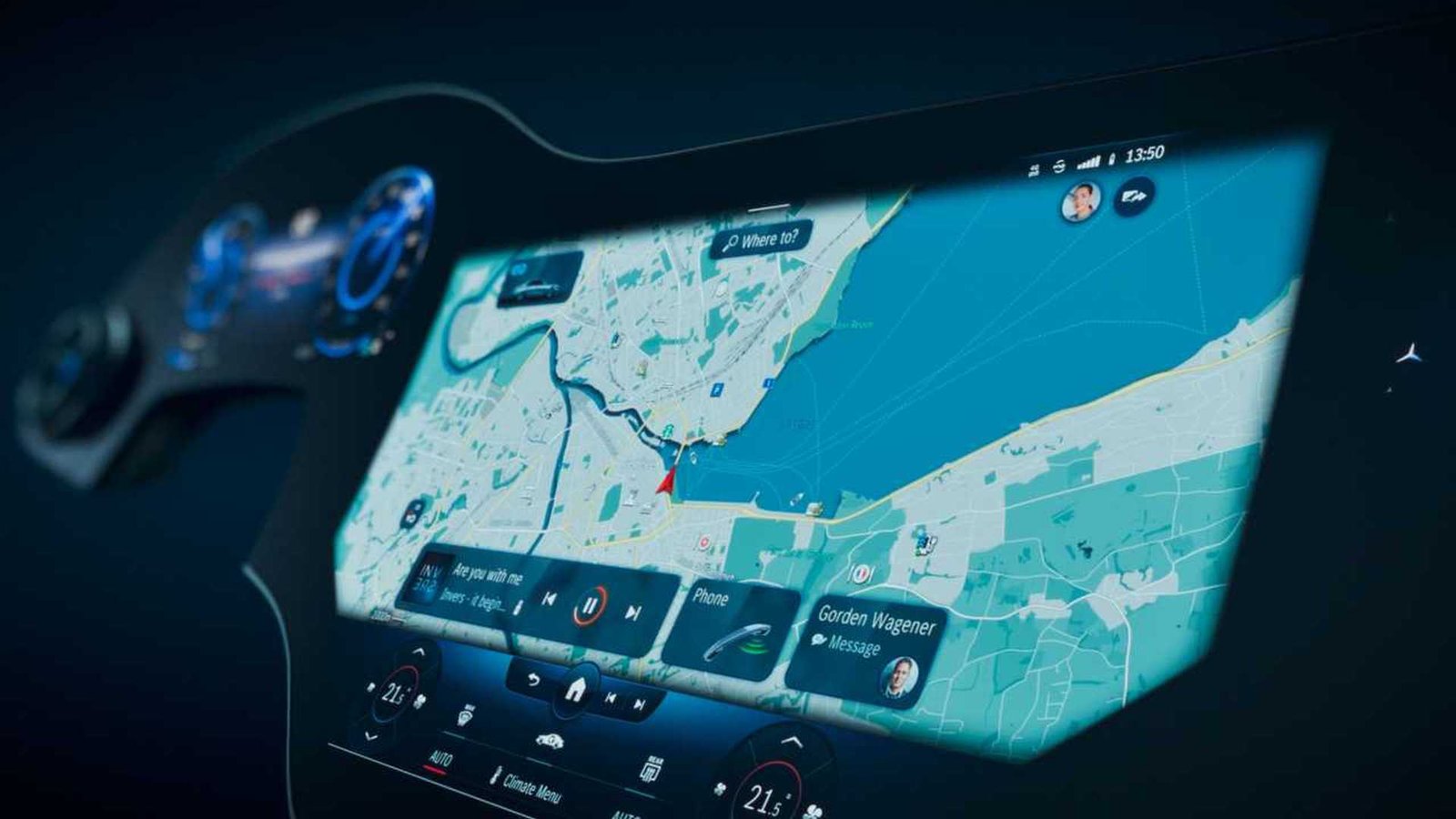
Mercedes faithful went nuts when the company introduced its massive “Hyperscreen” back in 2021. Now, five years later, customers are already growing tired of massive displays with little to no buttons. And Mercedes is finally starting to take note.
Speaking to Autocar, Mercedes sales and marketing boss Mathias Geisen said the company has heard complaints from buyers who miss traditional buttons and switches. With that, future Mercedes models are set to reintroduce more physical controls for commonly used functions. According to Geisen:
‘When we do car research clinics, customers are very clear: ‘We love the big screens, but we want to have [hard controls for] specific functionalities.”
Geisen admits that Mercedes realized as far back as two years ago that its touchscreen-heavy interior wasn’t for everyone. But that doesn’t mean the company will abandon screens entirely.
According to Geisen, large screens remain an important selling point for Mercedes-Benz because they allow for greater customization and personalization. Customers reportedly still appreciate the technology and flexibility that digital interfaces provide, even if they don’t want to dig through menus just to adjust the temperature or volume.
Mercedes-Benz MBUX Hyperscreen Instrument Cluster
The Great Screen Reversal
The first signs of that reversal are already appearing. Mercedes has replaced some of its controversial haptic steering-wheel controls with physical scroll wheels, promising similar upgrades to its cars in the near future.
And Mercedes isn’t alone. Several automakers in just the last few years—including Volkswagen, Hyundai, and Subaru—have started bringing back physical controls after years of screen-dominated interiors.
The shift has also been encouraged by safety organizations such as Euro NCAP, which plans to reward vehicles that retain physical controls for essential functions in future crash-test ratings. Studies have shown that touchscreen-heavy interfaces can increase driver distraction and slow reaction times behind the wheel.
For Mercedes, the future appears to be a compromise. The company still believes large displays are essential to luxury-car design, but it’s finally acknowledging what many drivers have been saying for years: sometimes, a simple button works best.
Motor1’s Take: It’s great to see buttons making their way back into vehicle cabins, especially for a company like Mercedes that went all-in on touchscreen technology. Customers want tactile controls—it’s simple.
Read the full article here