Fifteen years after its last expansion, the NCAA Tournament is once again set for a broader field.
On Thursday, May 7, the NCAA formally ratified a proposal to expand both the men’s and women’s tournaments from 68 to 76 teams — or, approximately one-fifth of all Division I programs.
Advertisement
Coaches expressed mixed sentiment on the expansion, which comes as NCAA and collegiate sports leaders also grapple with widening the 12-team College Football Playoff.
Opinion: Expanding the NCAA Tournament won’t make it better
What if? What 76-team expanded NCAA Tournament would have looked like in 2026
“I’m in favor of three weeks,” Tennessee coach Rick Barnes said to a group of reporters. “It’s really hard to win six games in three weeks. I’m all in favor of the smaller teams having a chance to be in this tournament, I really am.
“As long as we stay in a three-week period, I think that’s all we got and I think it’s the best sporting event going because we’re going to allow more and more teams to be a part of it, obviously, and it’s going to impact the country in every state. I don’t have a problem with that at all, but the fact is, it’s hard to win six games. But there may be somebody to come through there and win seven or eight games, whatever it takes to get to the championship.”
1 / 65
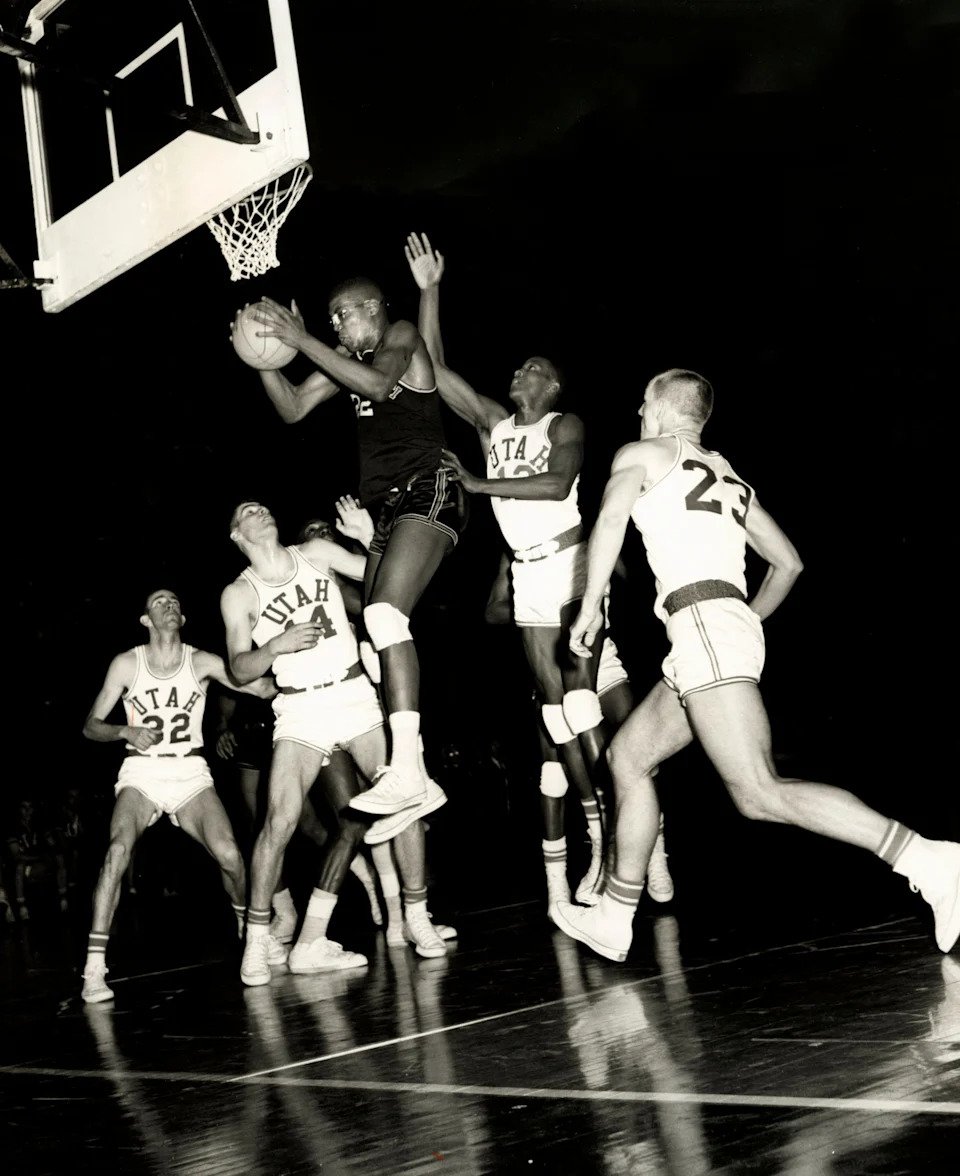
March Madness: Men’s college basketball national champions since 1960
2026: Michigan Wolverines
1 / 65
March Madness: Men’s college basketball national champions since 1960
2026: Michigan Wolverines
2 / 65
March Madness: Men’s college basketball national champions since 1960
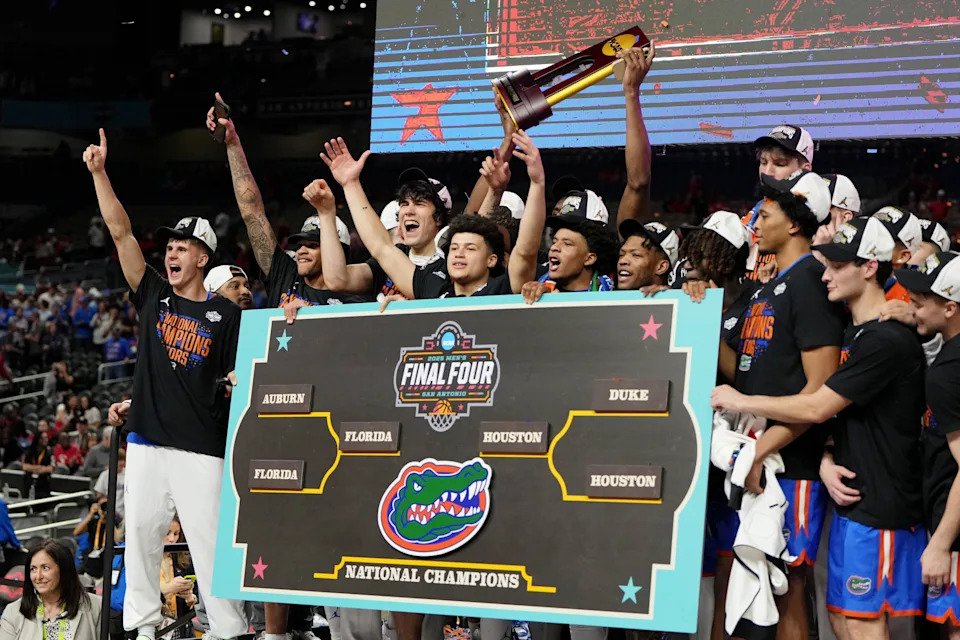
2025: Florida Gators
3 / 65
March Madness: Men’s college basketball national champions since 1960
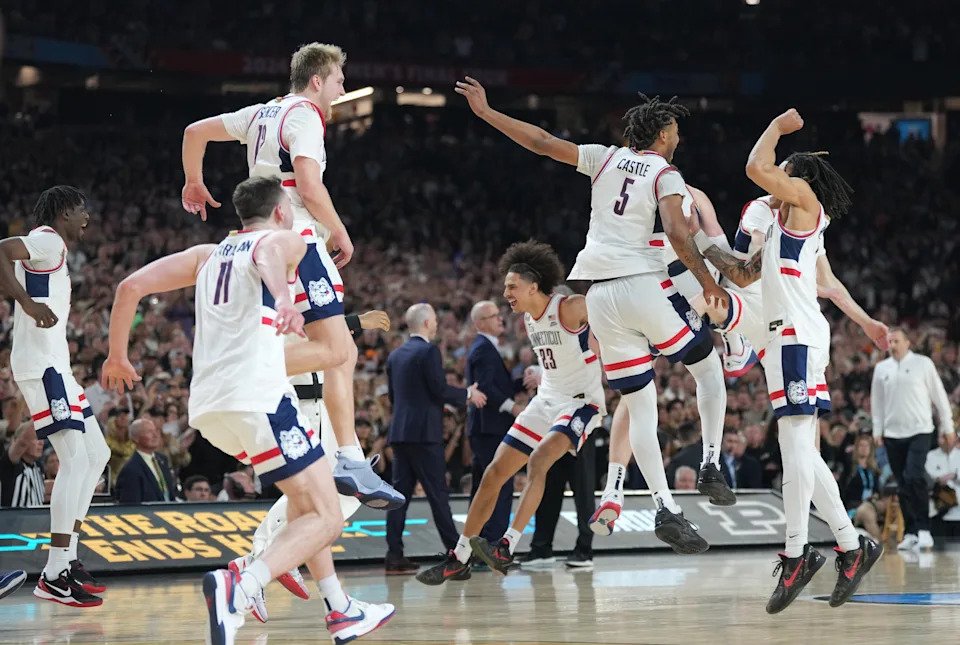
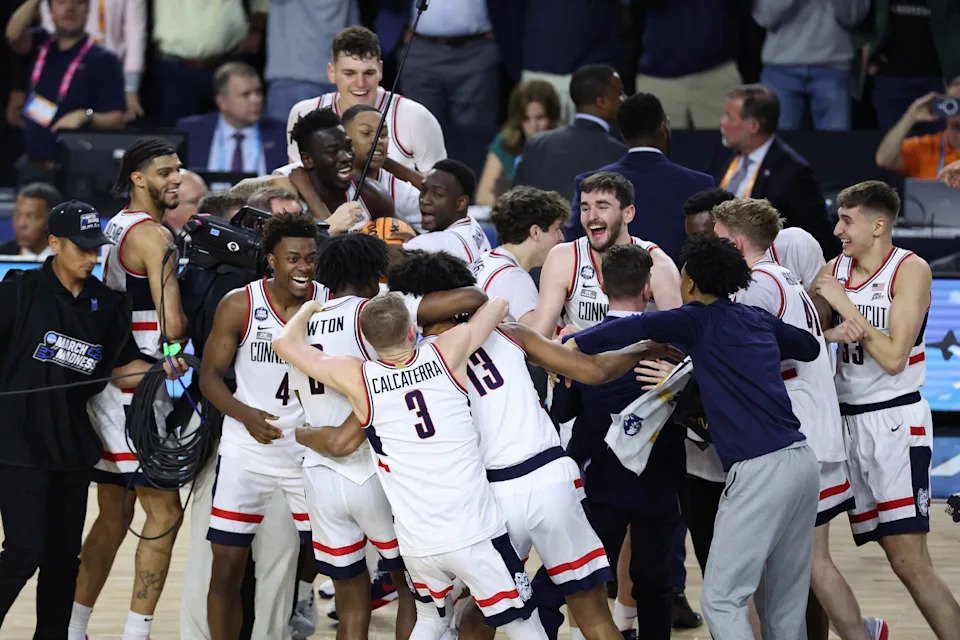
2024: Connecticut Huskies
4 / 65
March Madness: Men’s college basketball national champions since 1960
2023: Connecticut Huskies
5 / 65
March Madness: Men’s college basketball national champions since 1960
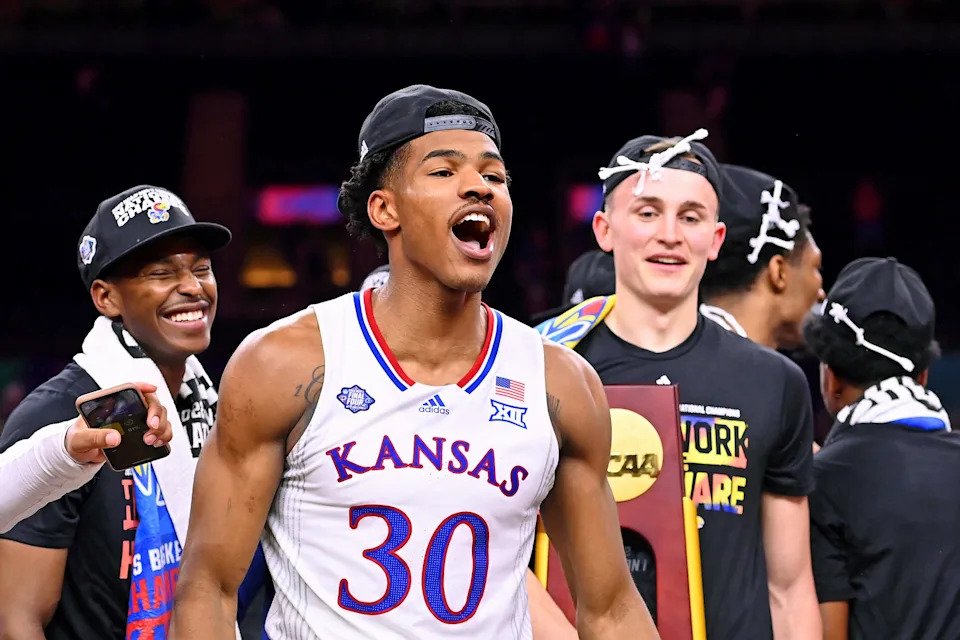
2022: Kansas Jayhawks
6 / 65
March Madness: Men’s college basketball national champions since 1960
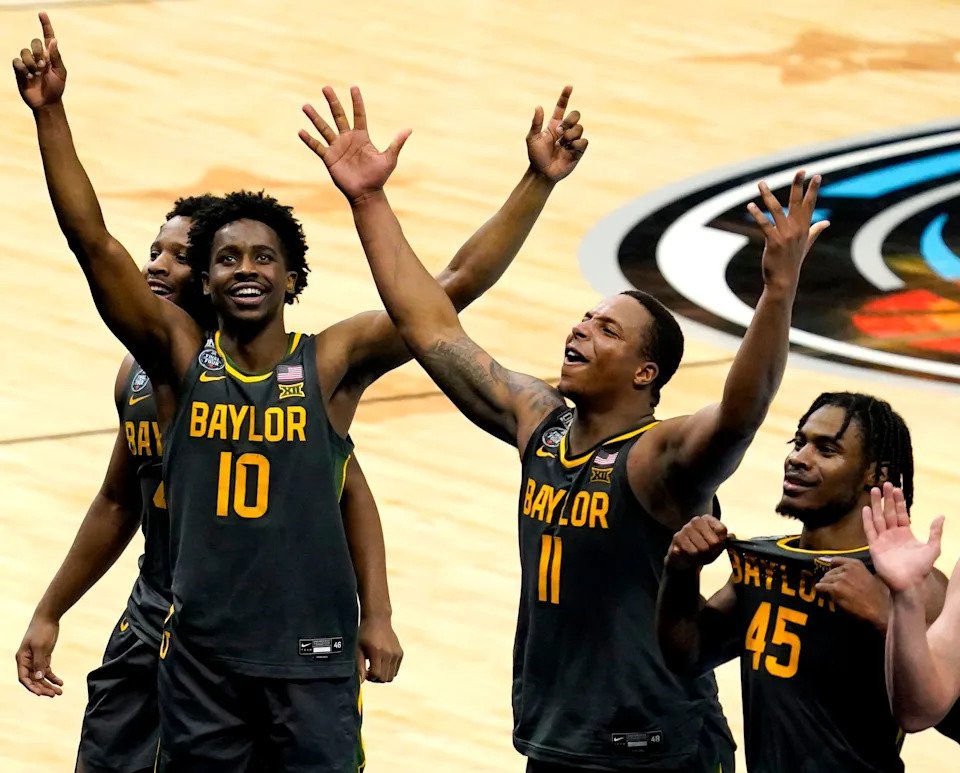
2021: Baylor Bears
7 / 65
March Madness: Men’s college basketball national champions since 1960
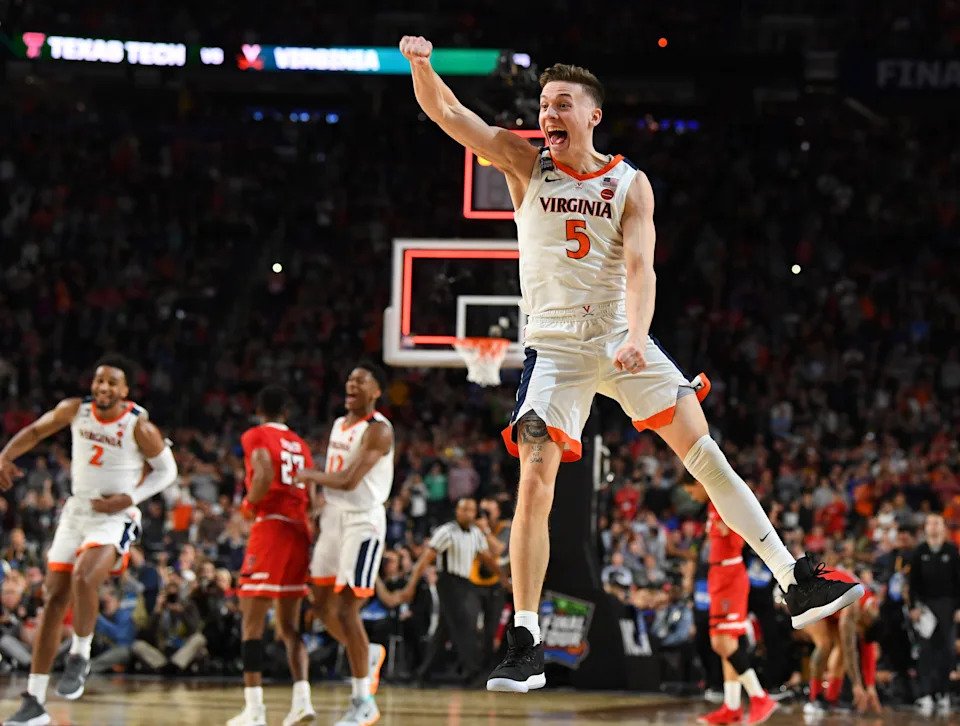
2019: Virginia Cavaliers
8 / 65
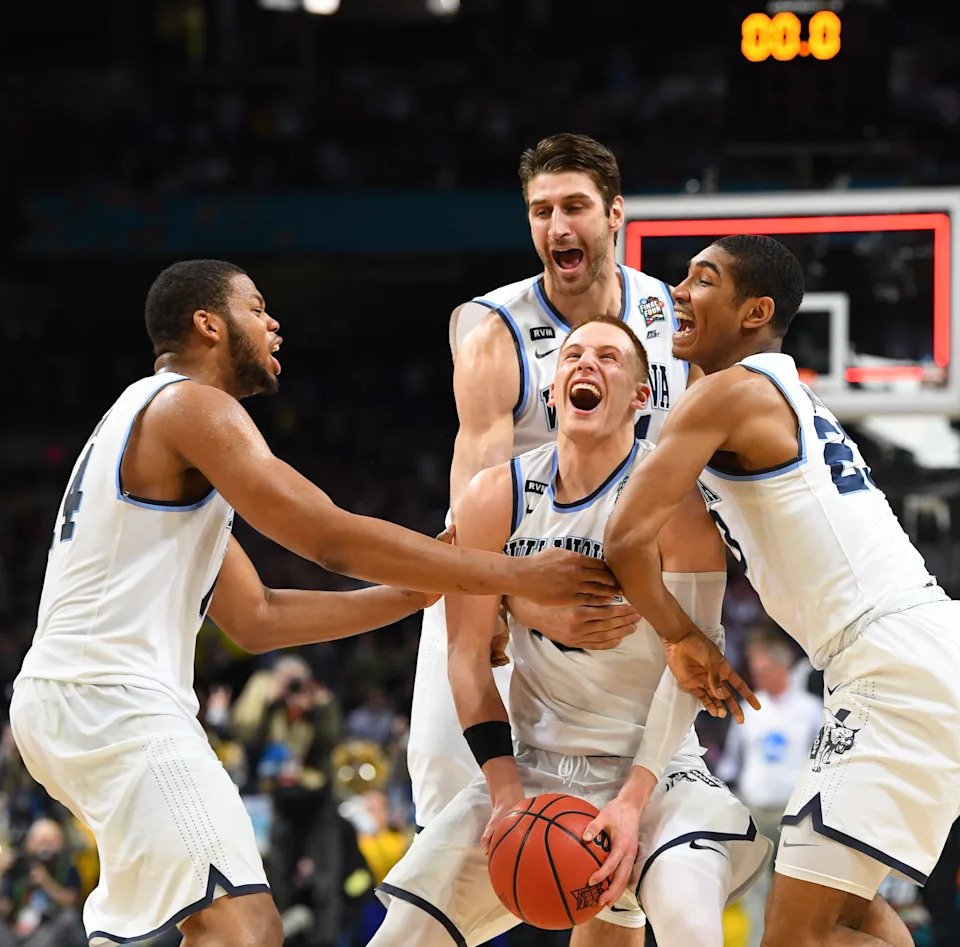
March Madness: Men’s college basketball national champions since 1960
2018: Villanova Wildcats
9 / 65
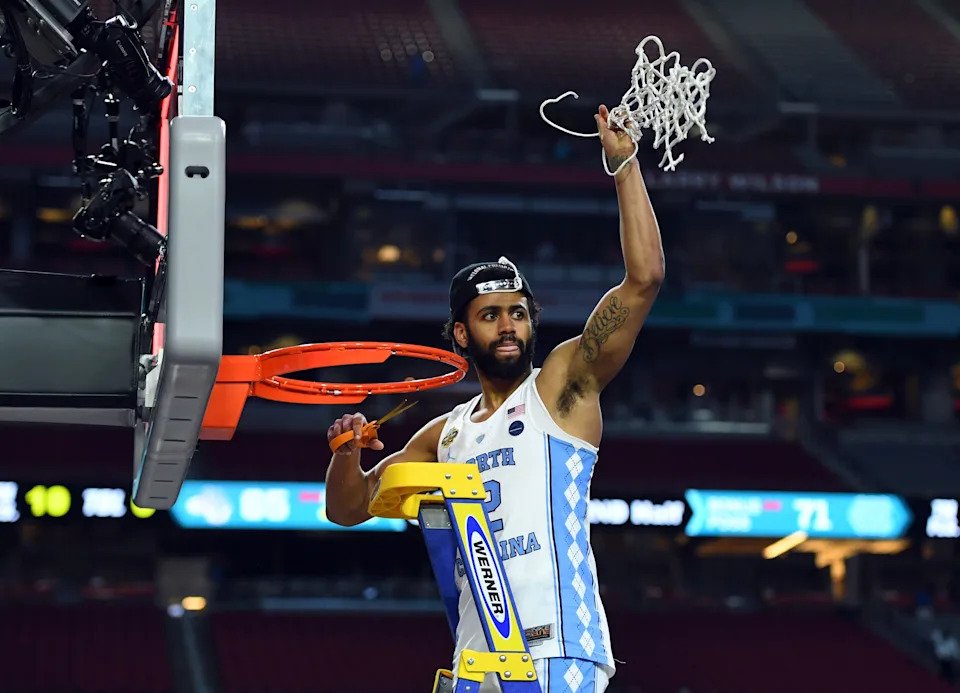
March Madness: Men’s college basketball national champions since 1960
2017: North Carolina Tar Heels
10 / 65
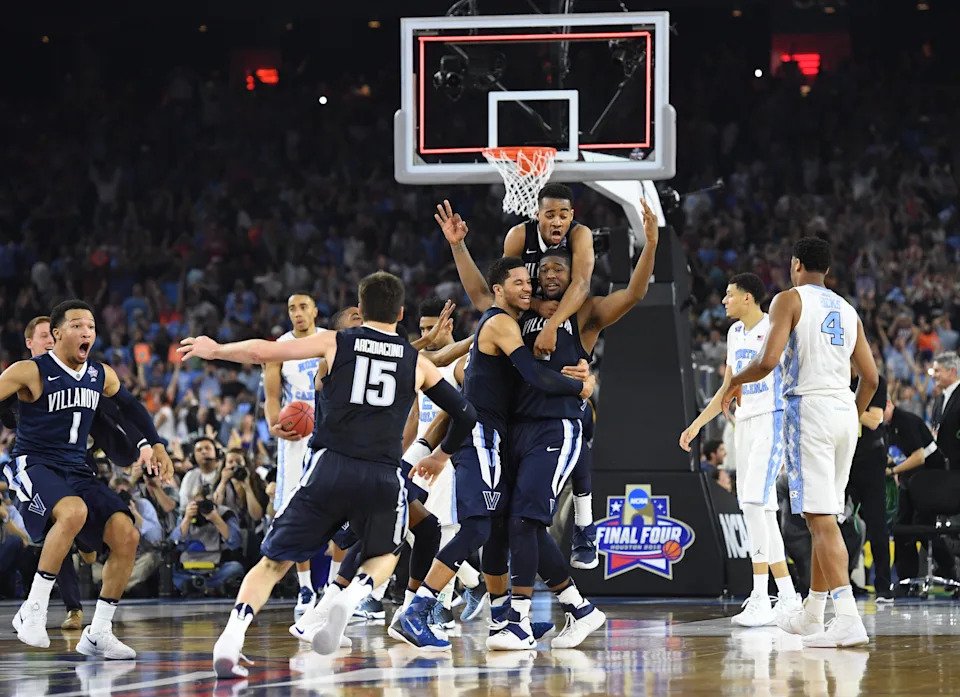
March Madness: Men’s college basketball national champions since 1960
2016: Villanova Wildcats
11 / 65
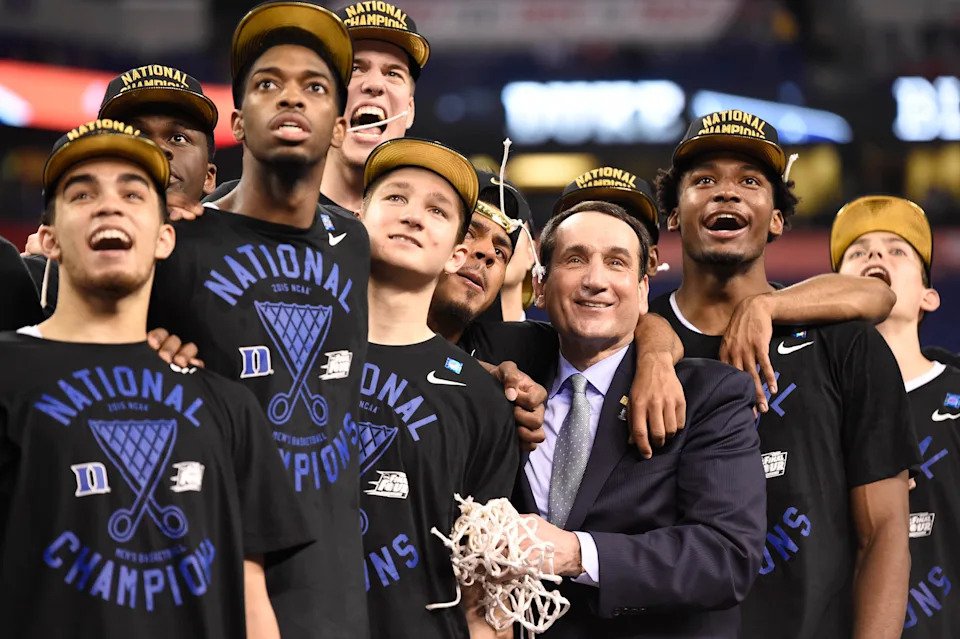
March Madness: Men’s college basketball national champions since 1960
2015: Duke Blue Devils
12 / 65
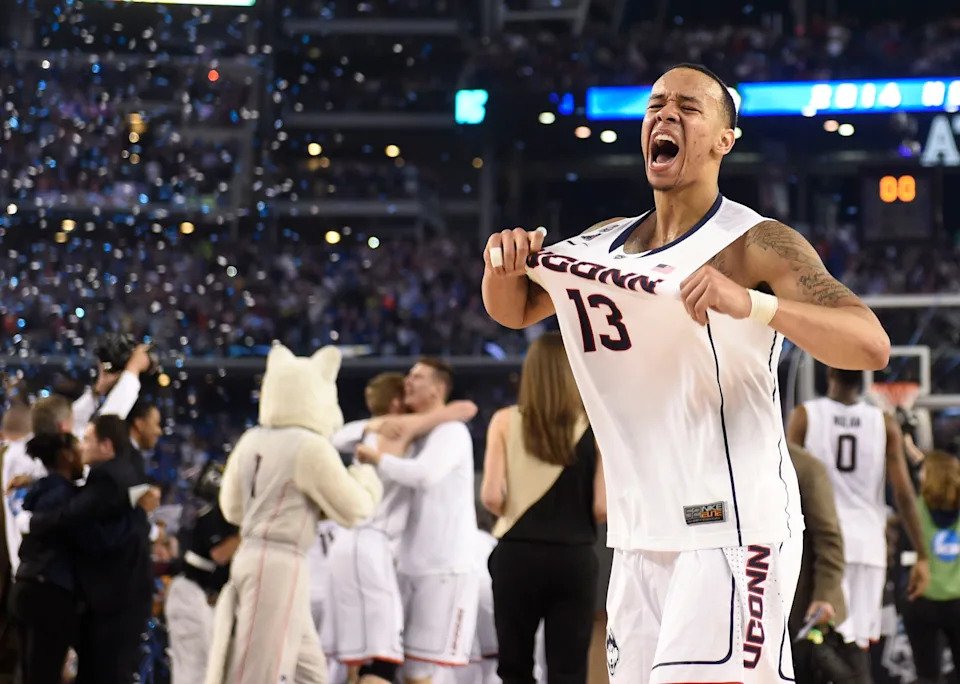
March Madness: Men’s college basketball national champions since 1960
2014: Connecticut Huskies
13 / 65
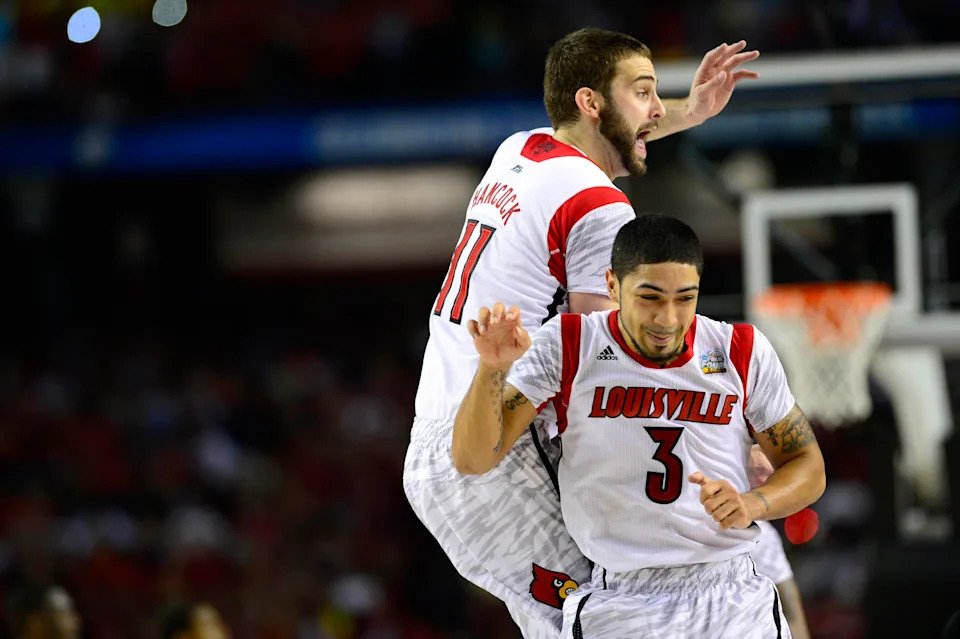
March Madness: Men’s college basketball national champions since 1960
2013: Louisville Cardinals (title later vacated)
14 / 65
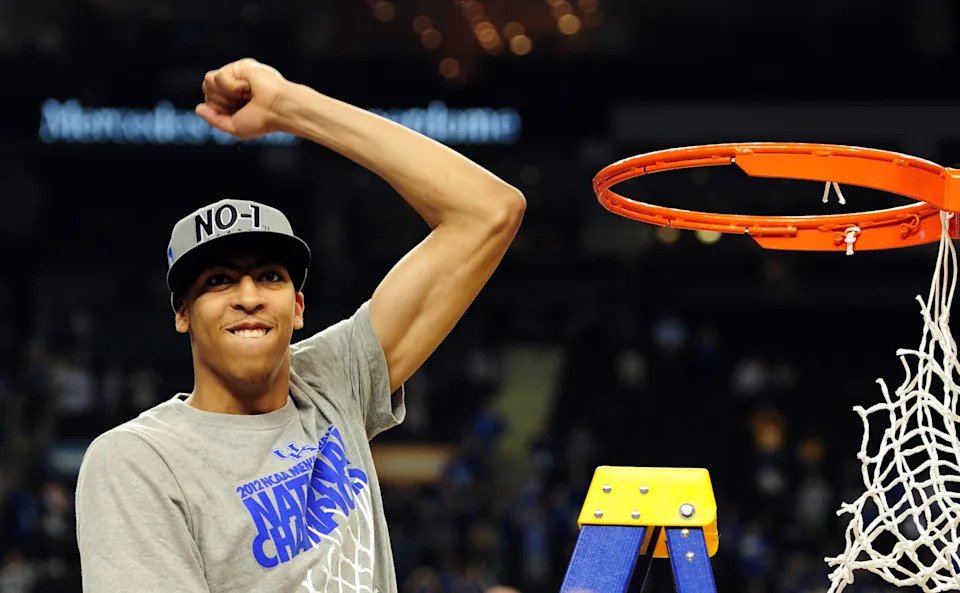
March Madness: Men’s college basketball national champions since 1960
2012: Kentucky Wildcats
15 / 65
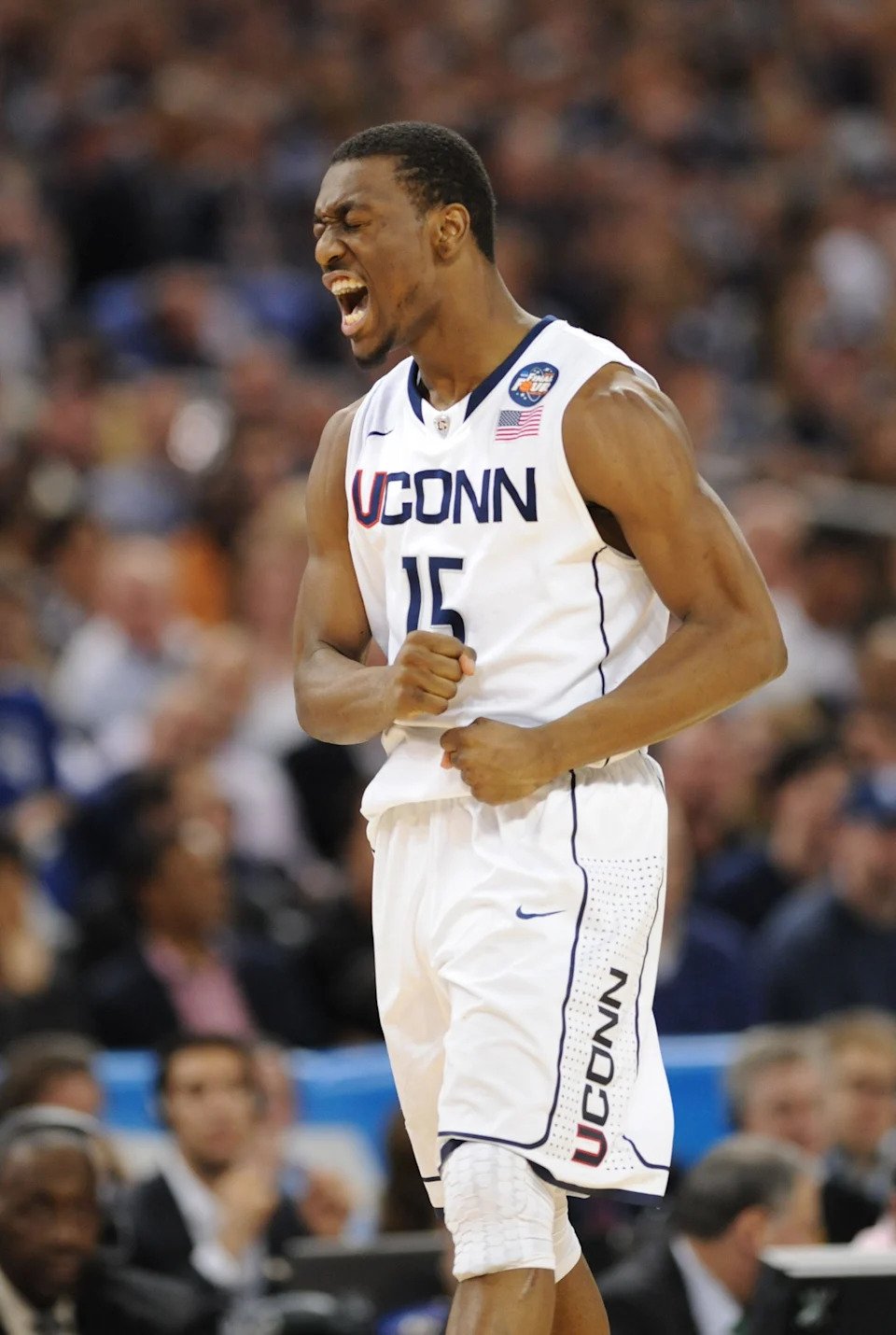
March Madness: Men’s college basketball national champions since 1960
2011: Connecticut Huskies
16 / 65
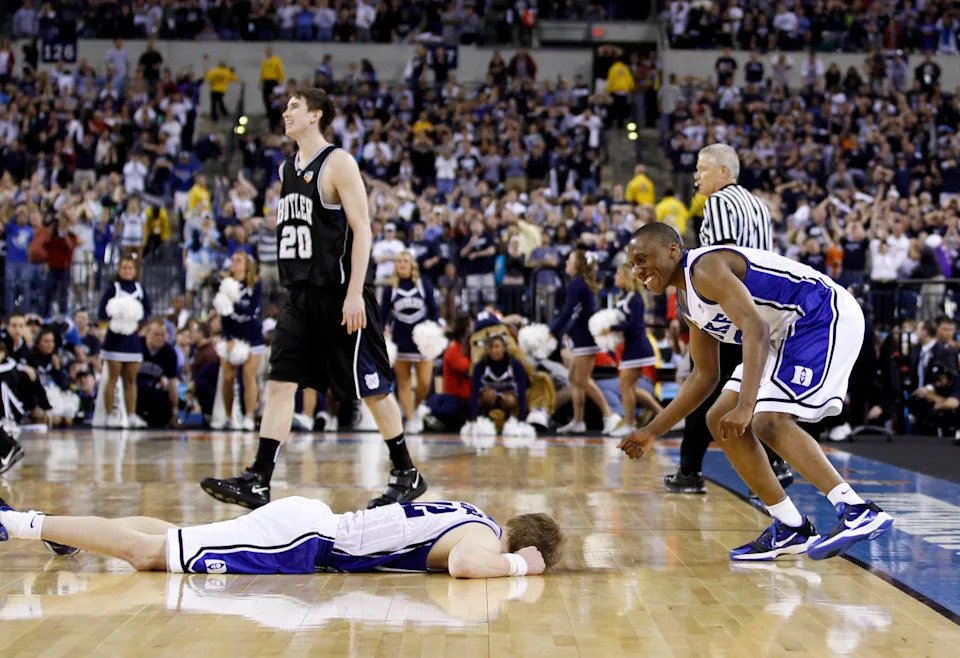
March Madness: Men’s college basketball national champions since 1960
2010: Duke Blue Devils
17 / 65
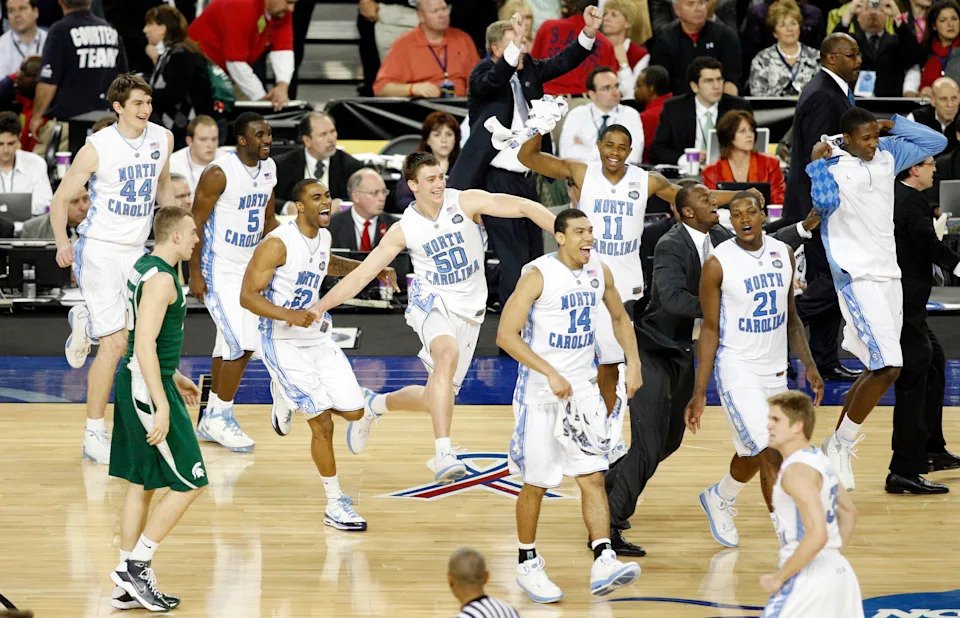
March Madness: Men’s college basketball national champions since 1960
2009: North Carolina Tar Heels
18 / 65
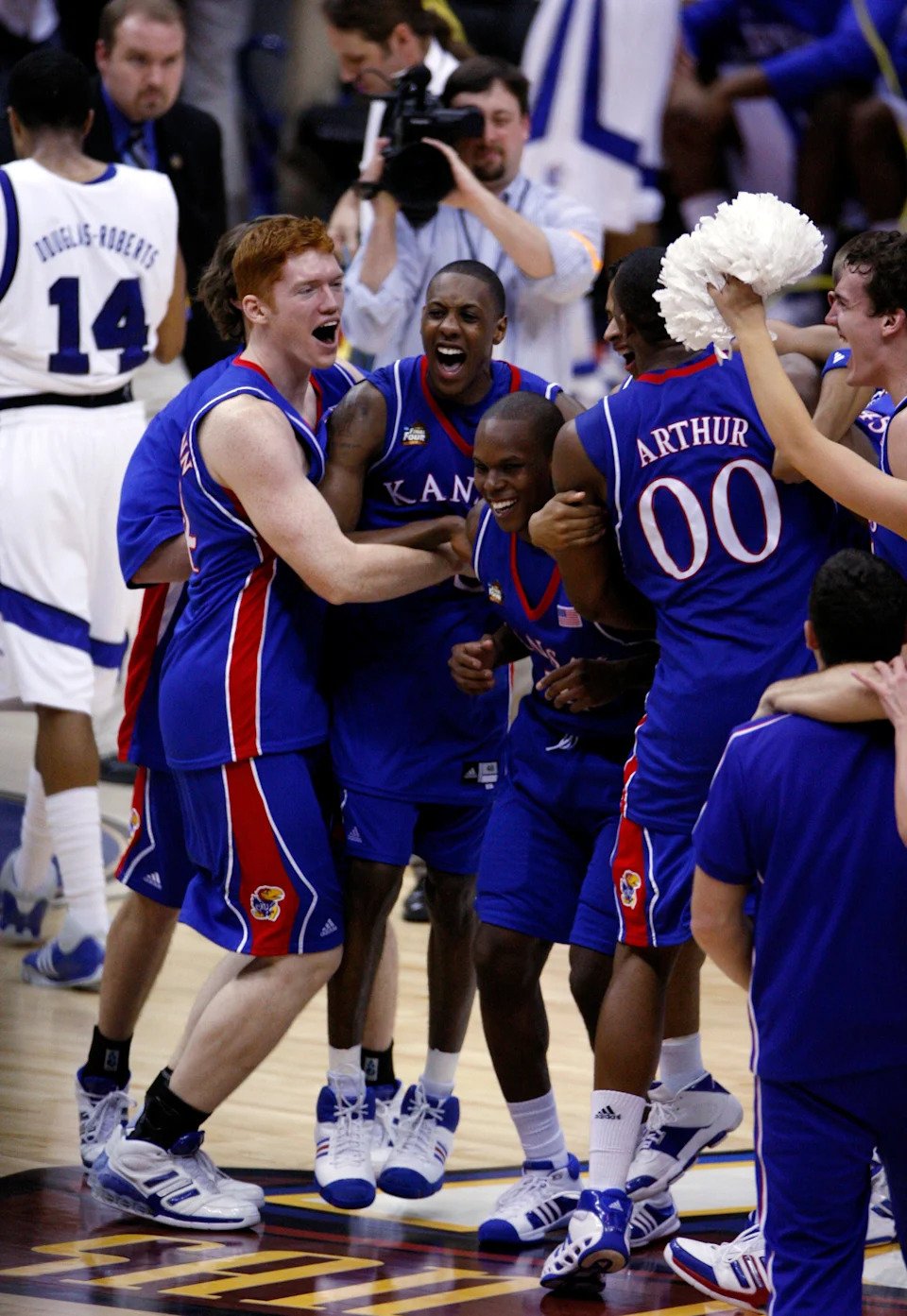
March Madness: Men’s college basketball national champions since 1960
2008: Kansas Jayhawks
19 / 65
March Madness: Men’s college basketball national champions since 1960
2007: Florida Gators
20 / 65
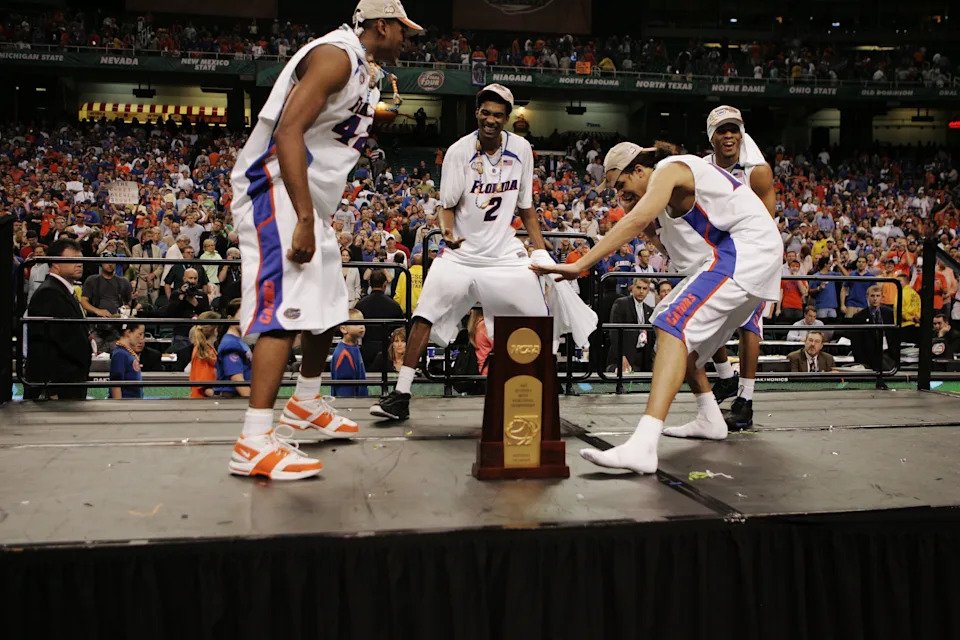
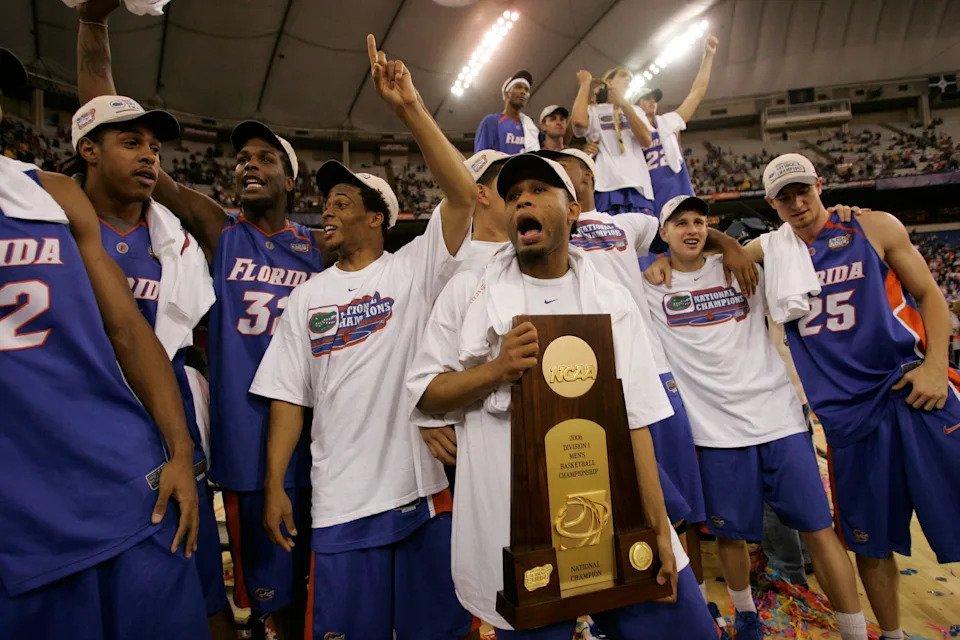
March Madness: Men’s college basketball national champions since 1960
2006: Florida Gators
21 / 65
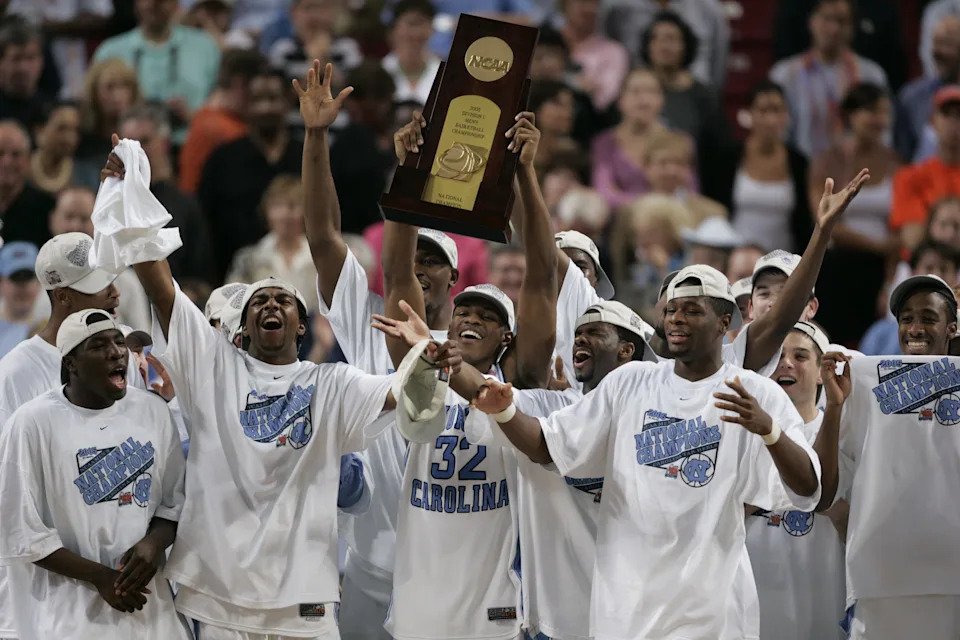
March Madness: Men’s college basketball national champions since 1960
2005: North Carolina Tar Heels
22 / 65
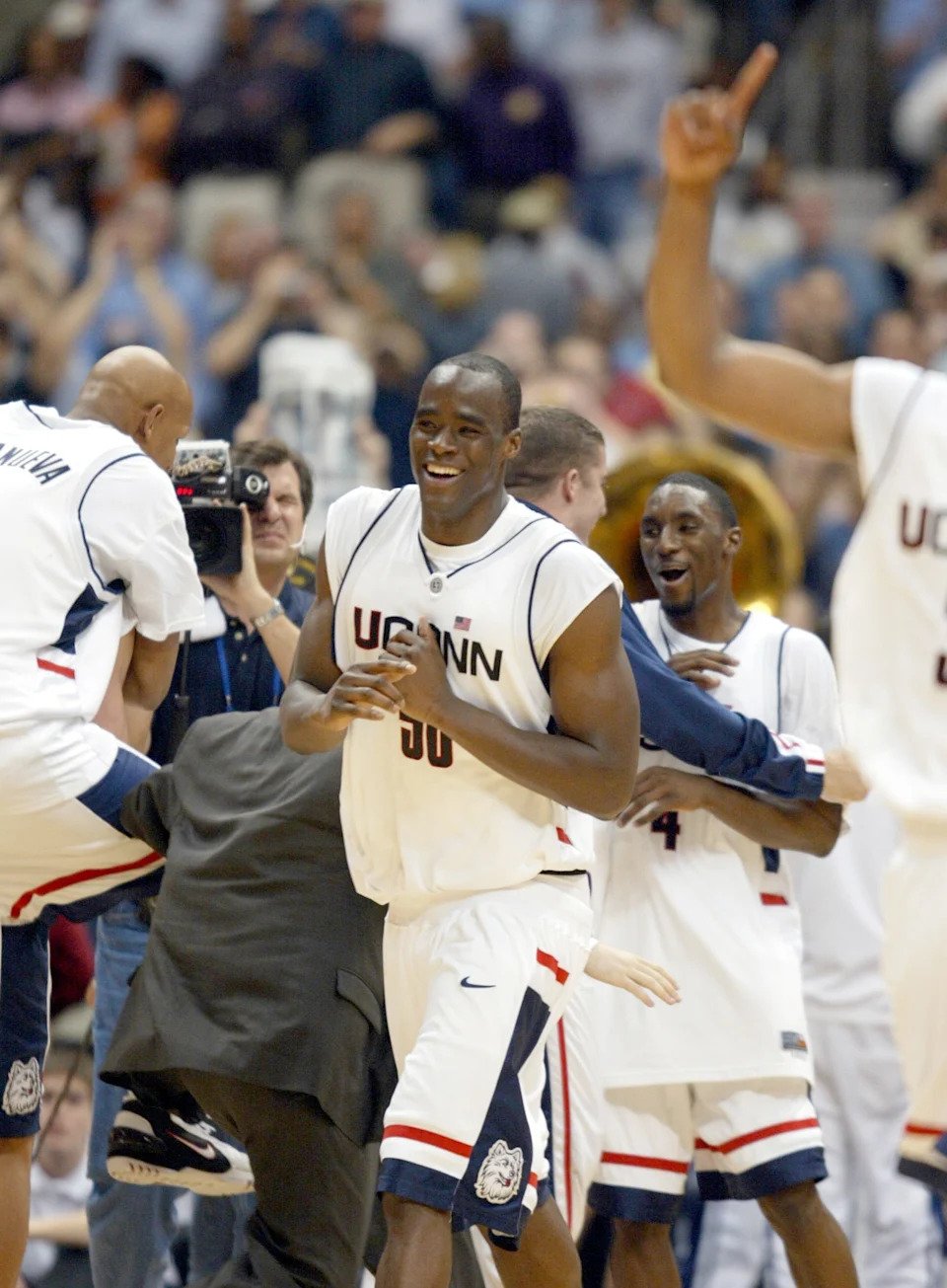
March Madness: Men’s college basketball national champions since 1960
2004: Connecticut Huskies
23 / 65
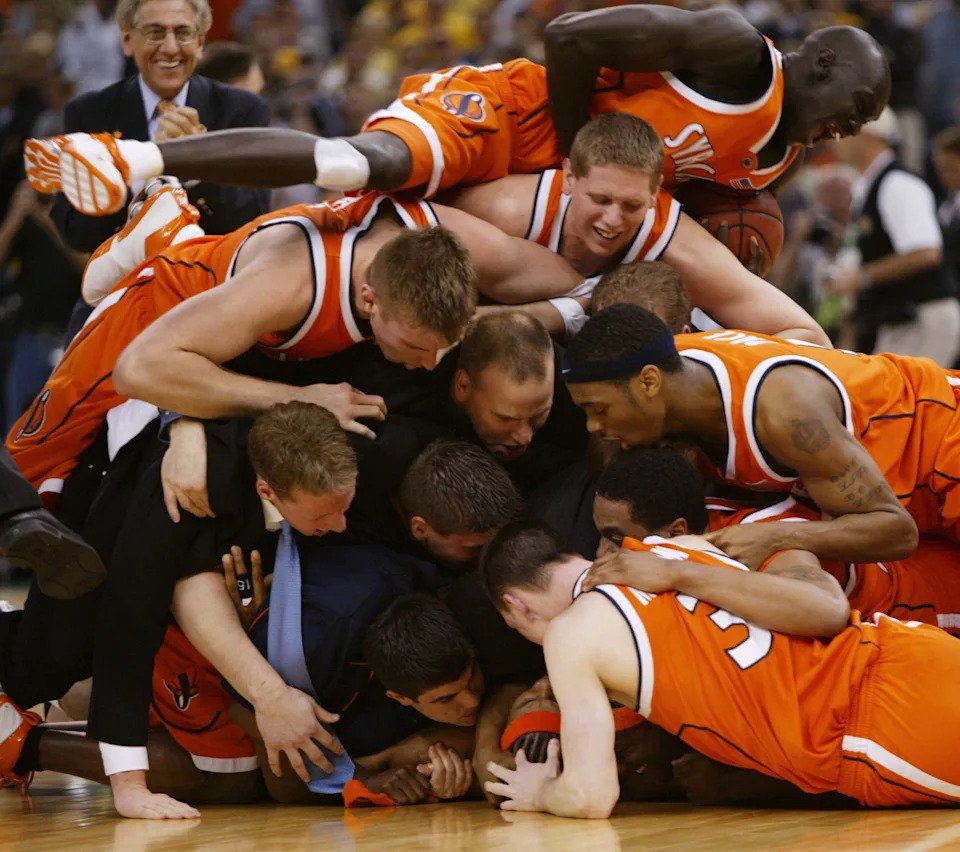
March Madness: Men’s college basketball national champions since 1960
2003: Syracuse Orangemen
24 / 65
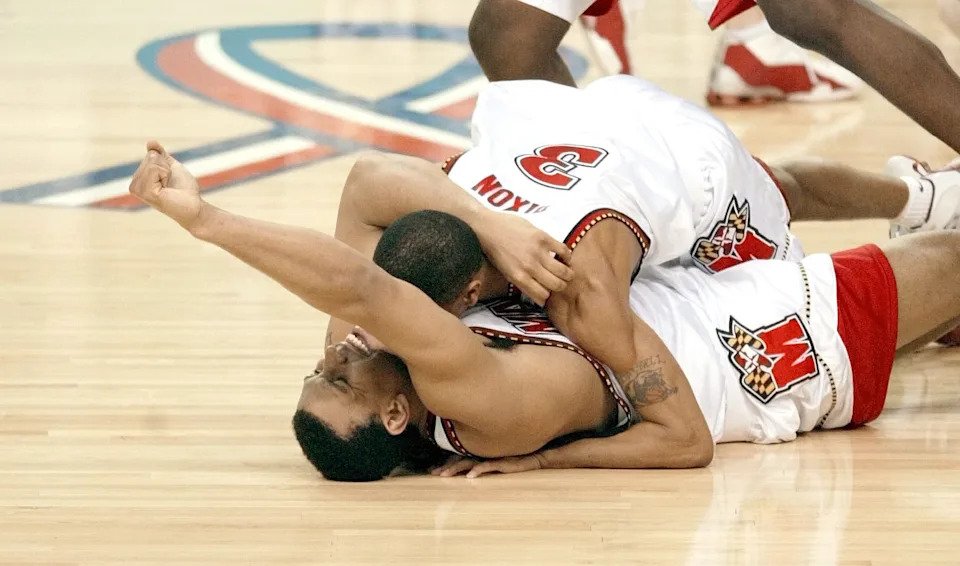
March Madness: Men’s college basketball national champions since 1960
2002: Maryland Terrapins
25 / 65
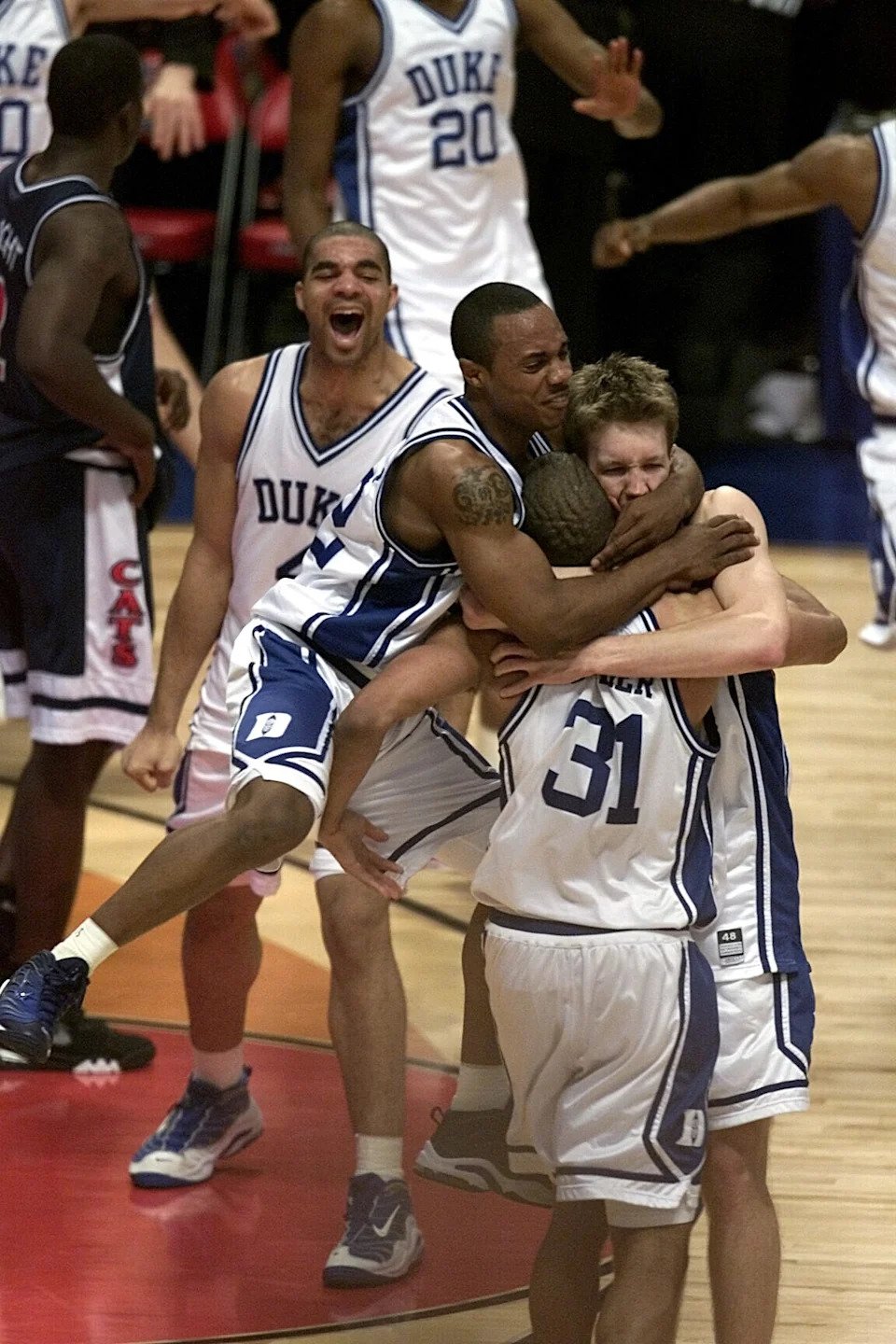
March Madness: Men’s college basketball national champions since 1960
2001: Duke Blue Devils
26 / 65
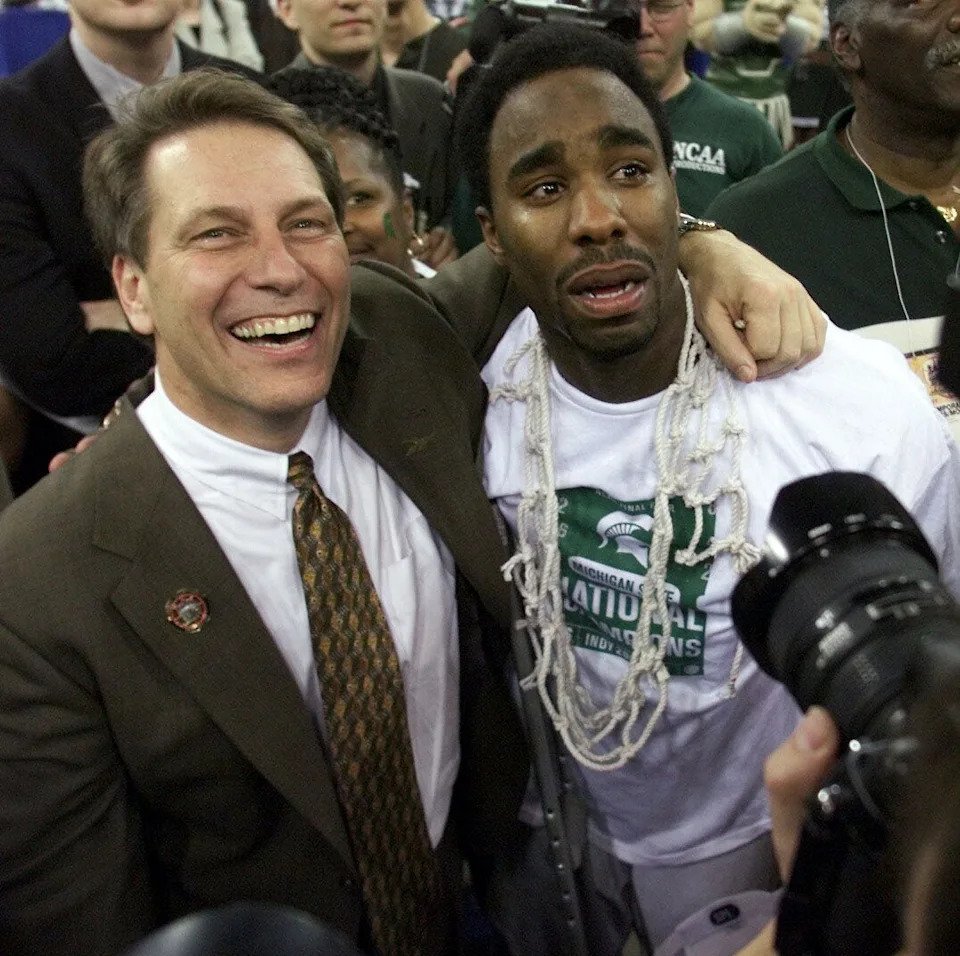
March Madness: Men’s college basketball national champions since 1960
2000: Michigan State Spartans
27 / 65
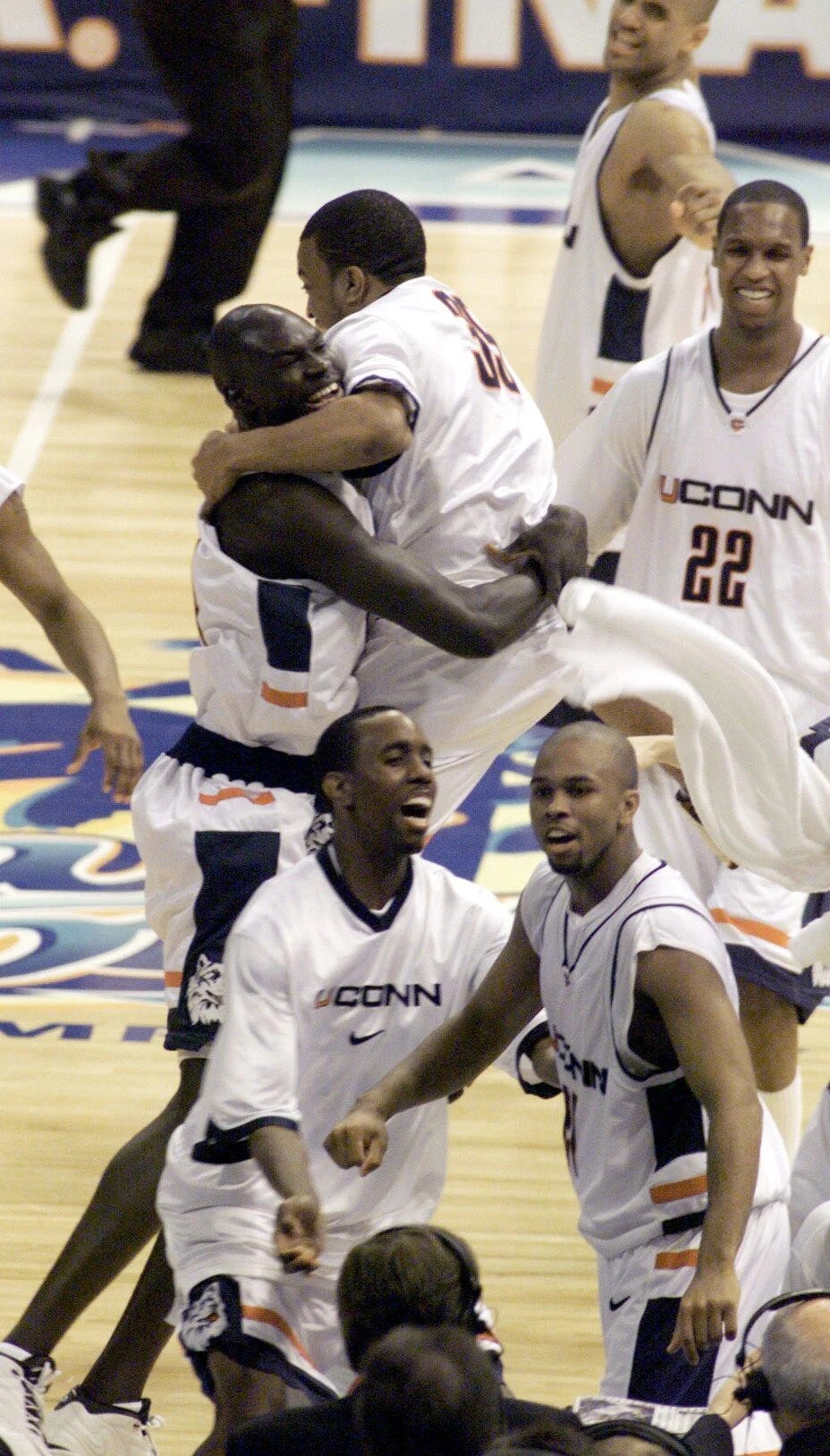
March Madness: Men’s college basketball national champions since 1960
1999: Connecticut Huskies
28 / 65
March Madness: Men’s college basketball national champions since 1960
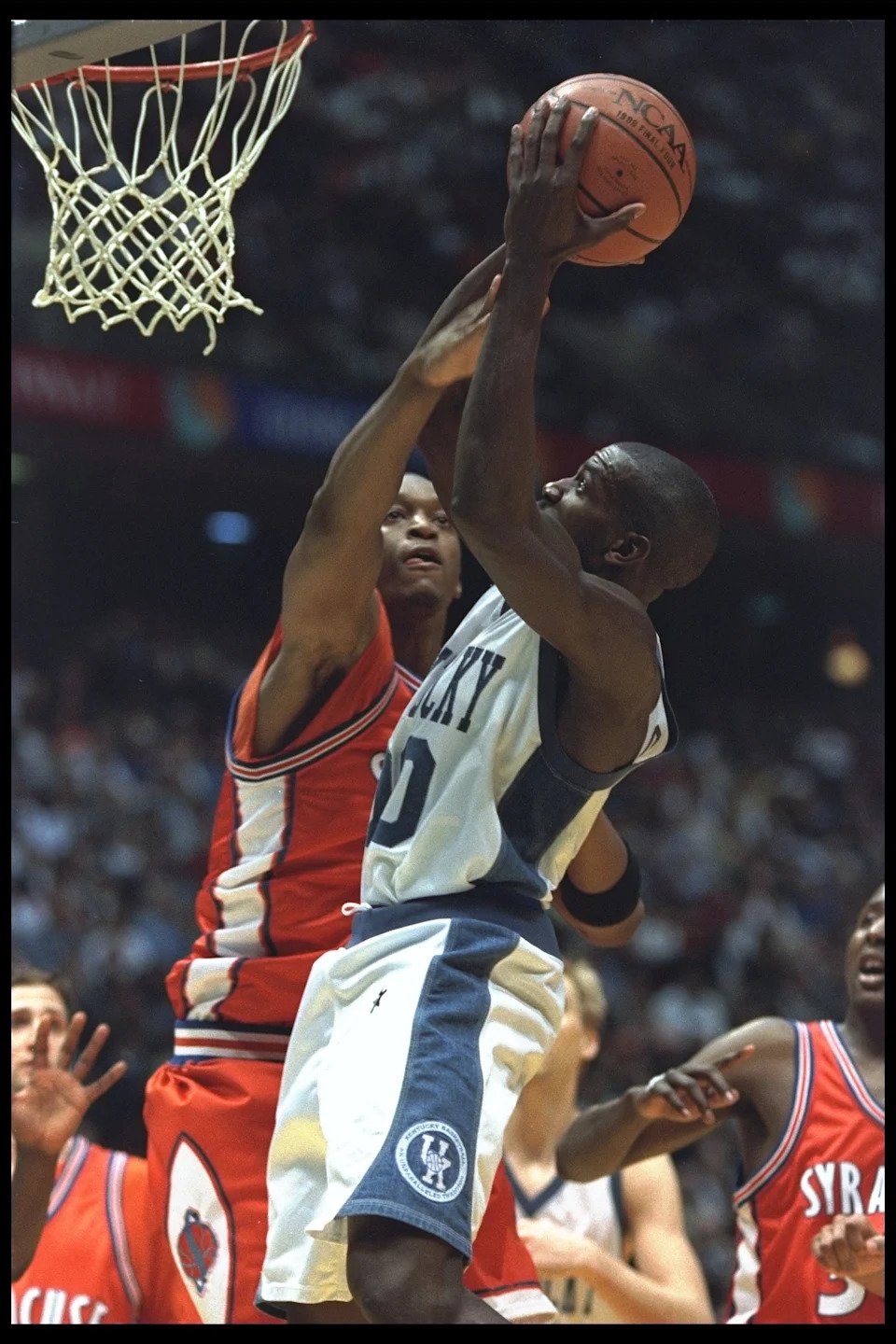
1998: Kentucky Wildcats
29 / 65
March Madness: Men’s college basketball national champions since 1960
1997: Arizona Wildcats
30 / 65
March Madness: Men’s college basketball national champions since 1960
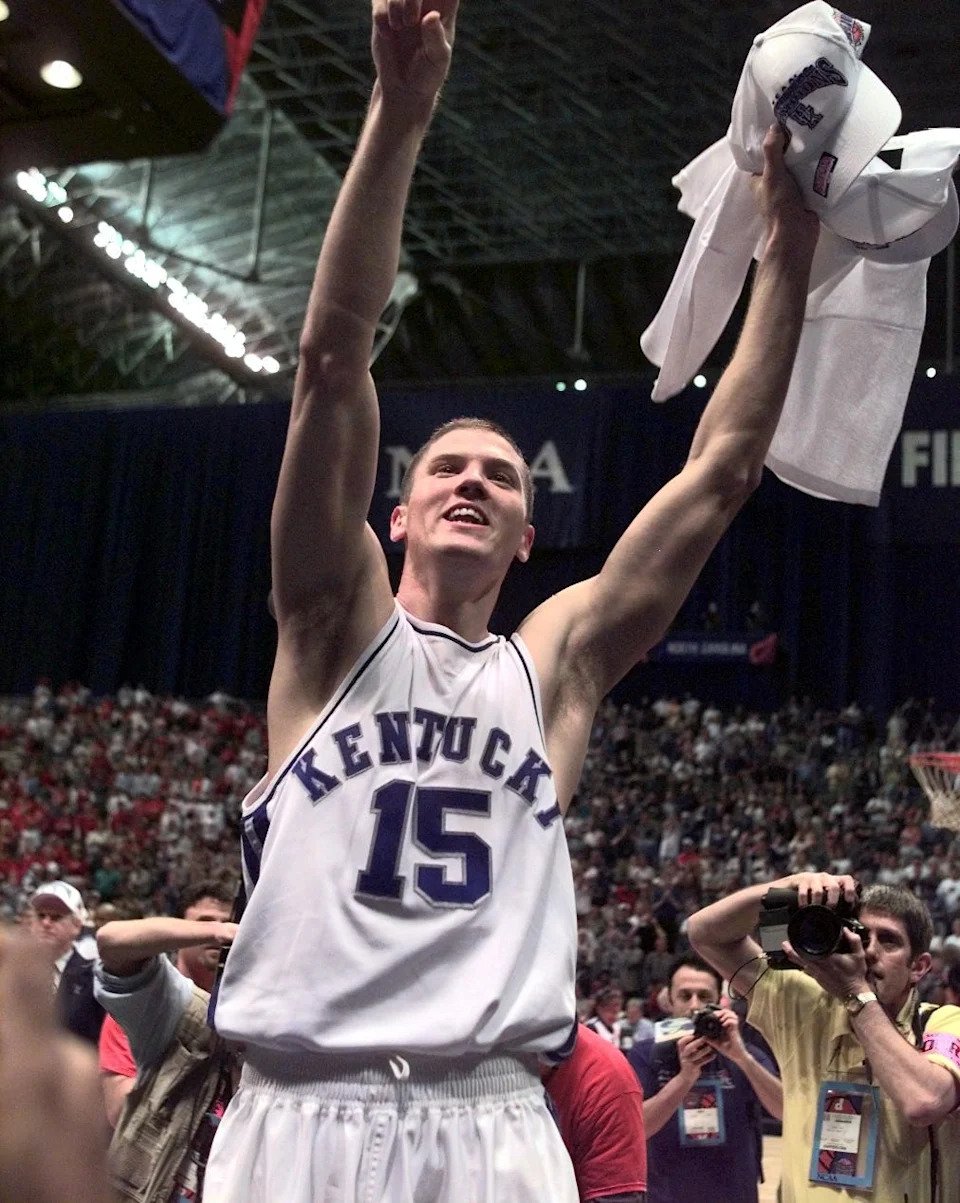
1996: Kentucky Wildcats
31 / 65
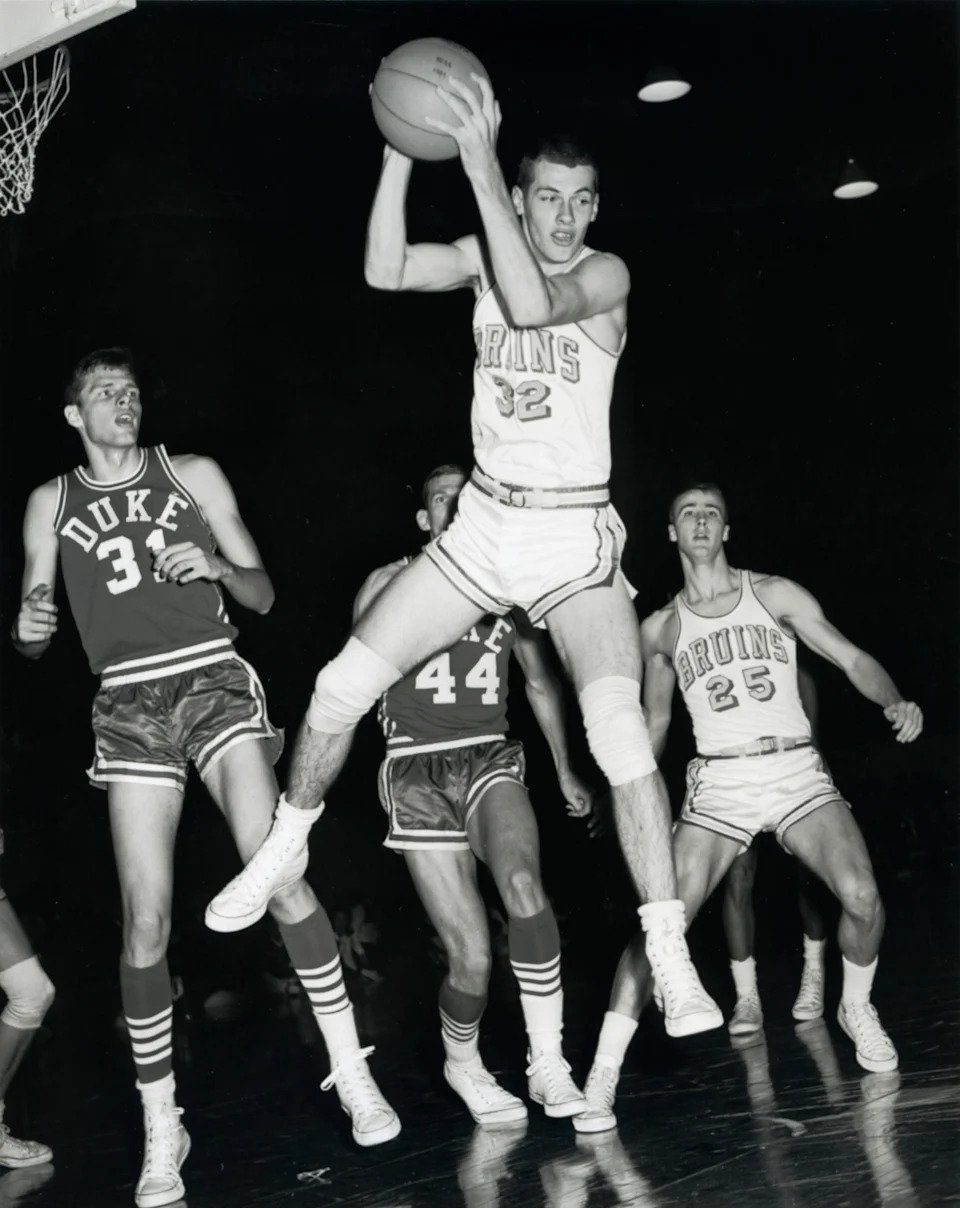
March Madness: Men’s college basketball national champions since 1960
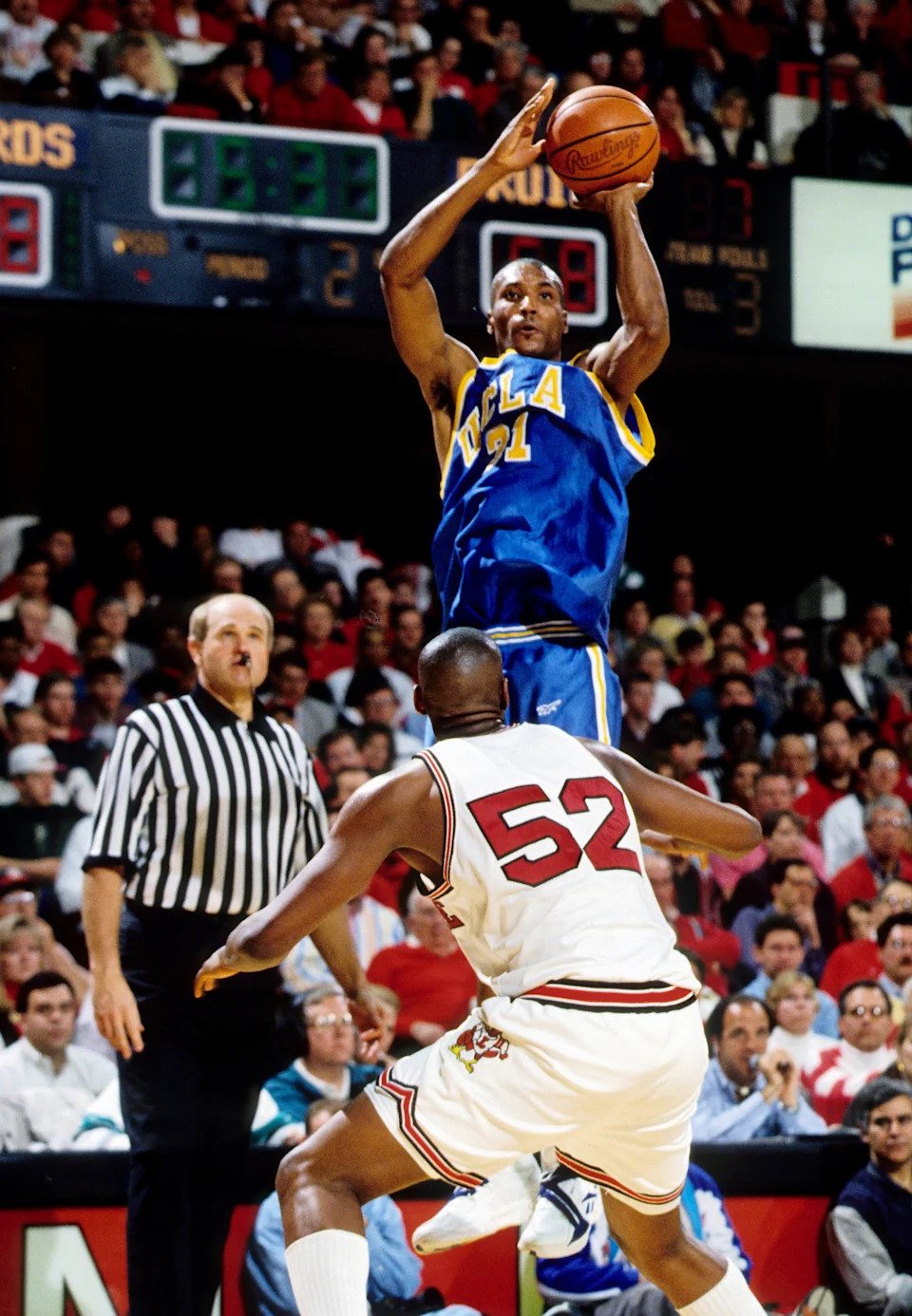
1995: UCLA Bruins
32 / 65
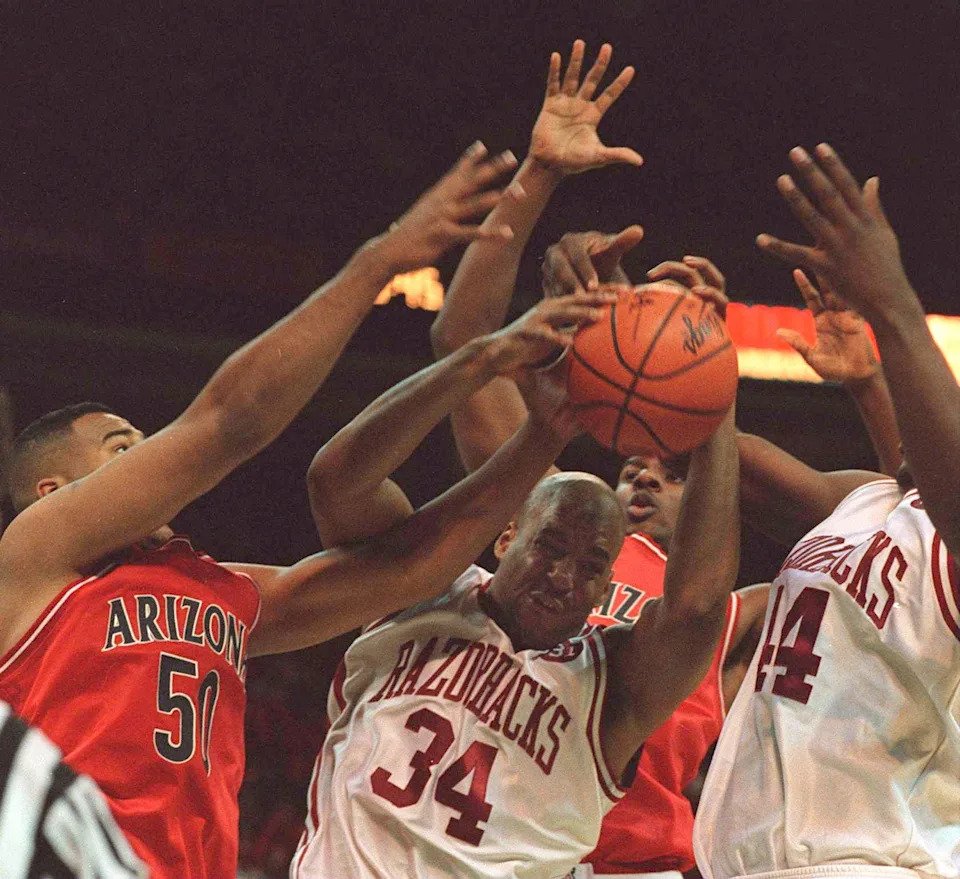
March Madness: Men’s college basketball national champions since 1960
1994: Arkansas Razorbacks
33 / 65
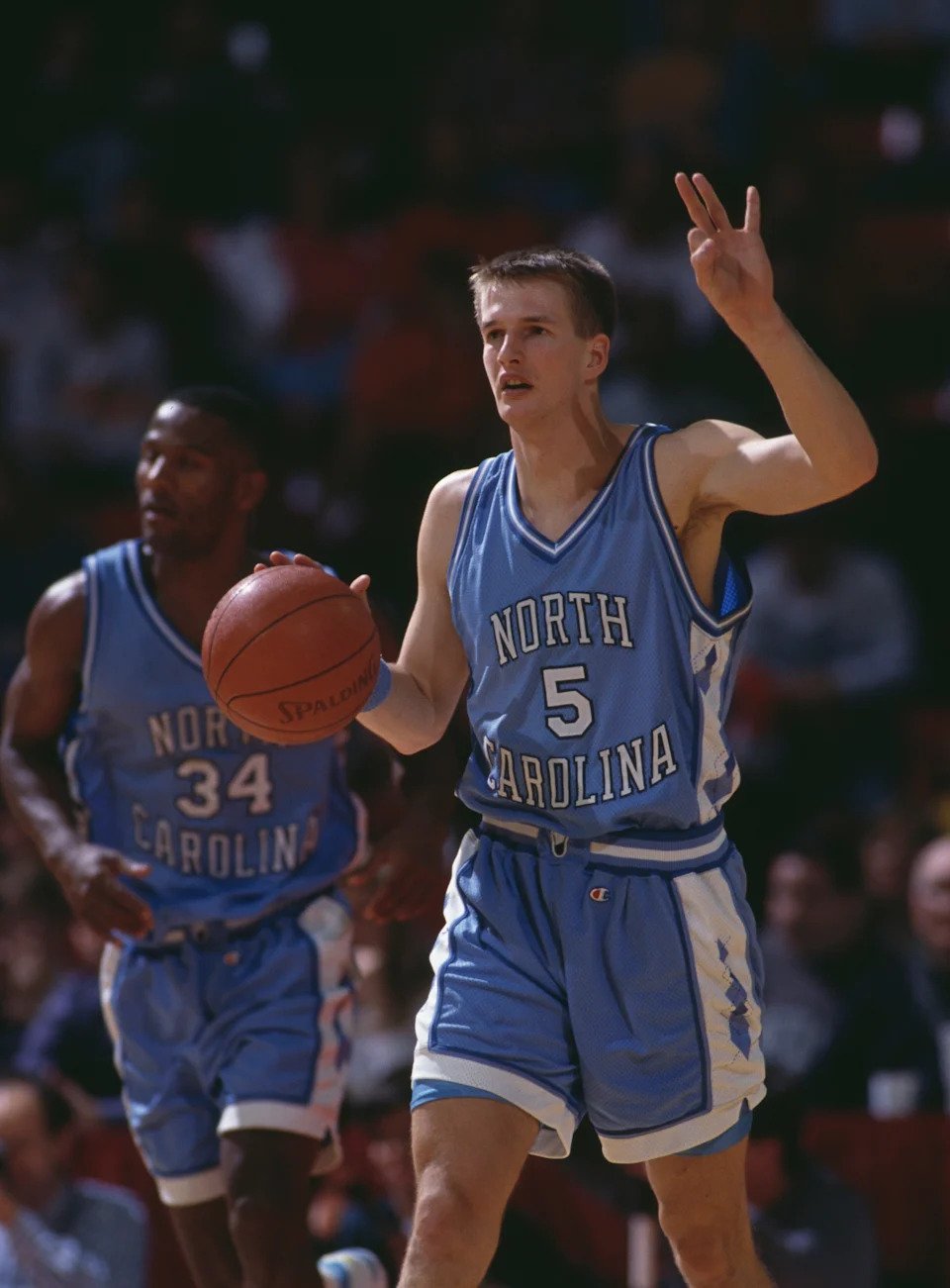
March Madness: Men’s college basketball national champions since 1960
1993: North Carolina Tar Heels
34 / 65
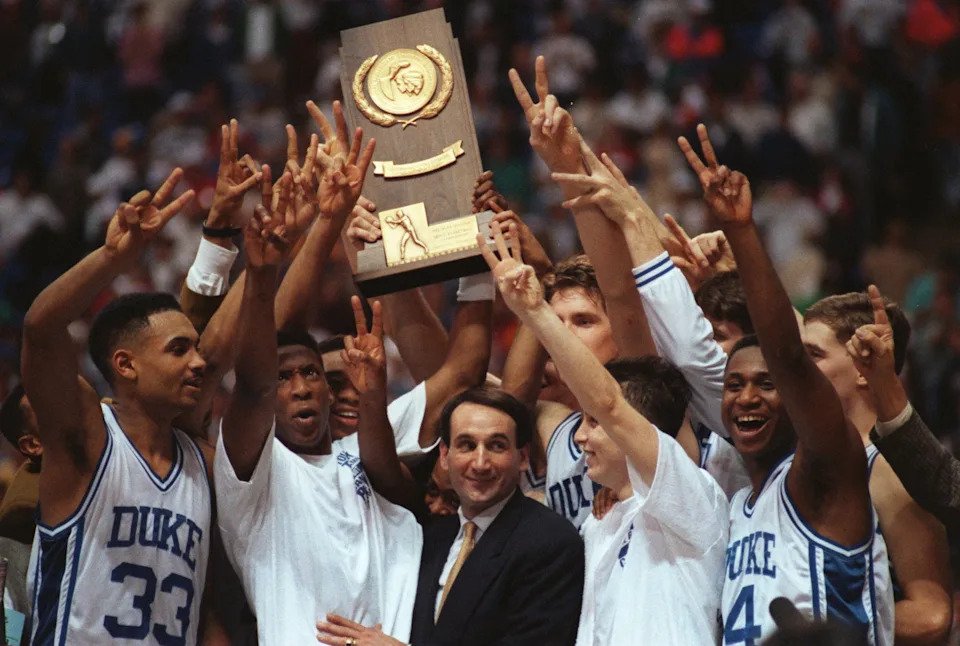
March Madness: Men’s college basketball national champions since 1960
1992: Duke Blue Devils
35 / 65
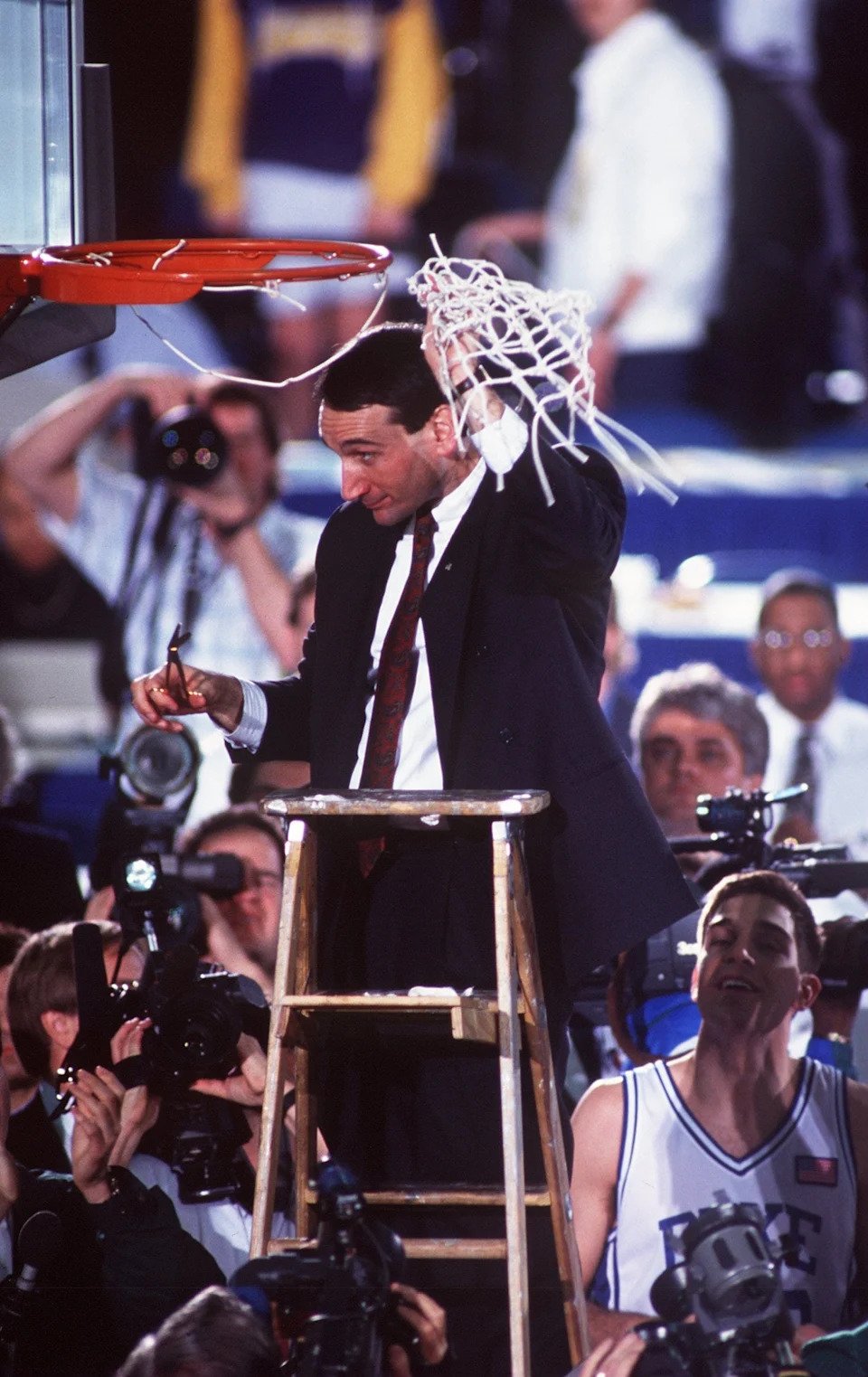
March Madness: Men’s college basketball national champions since 1960
1991: Duke Blue Devils
36 / 65
March Madness: Men’s college basketball national champions since 1960
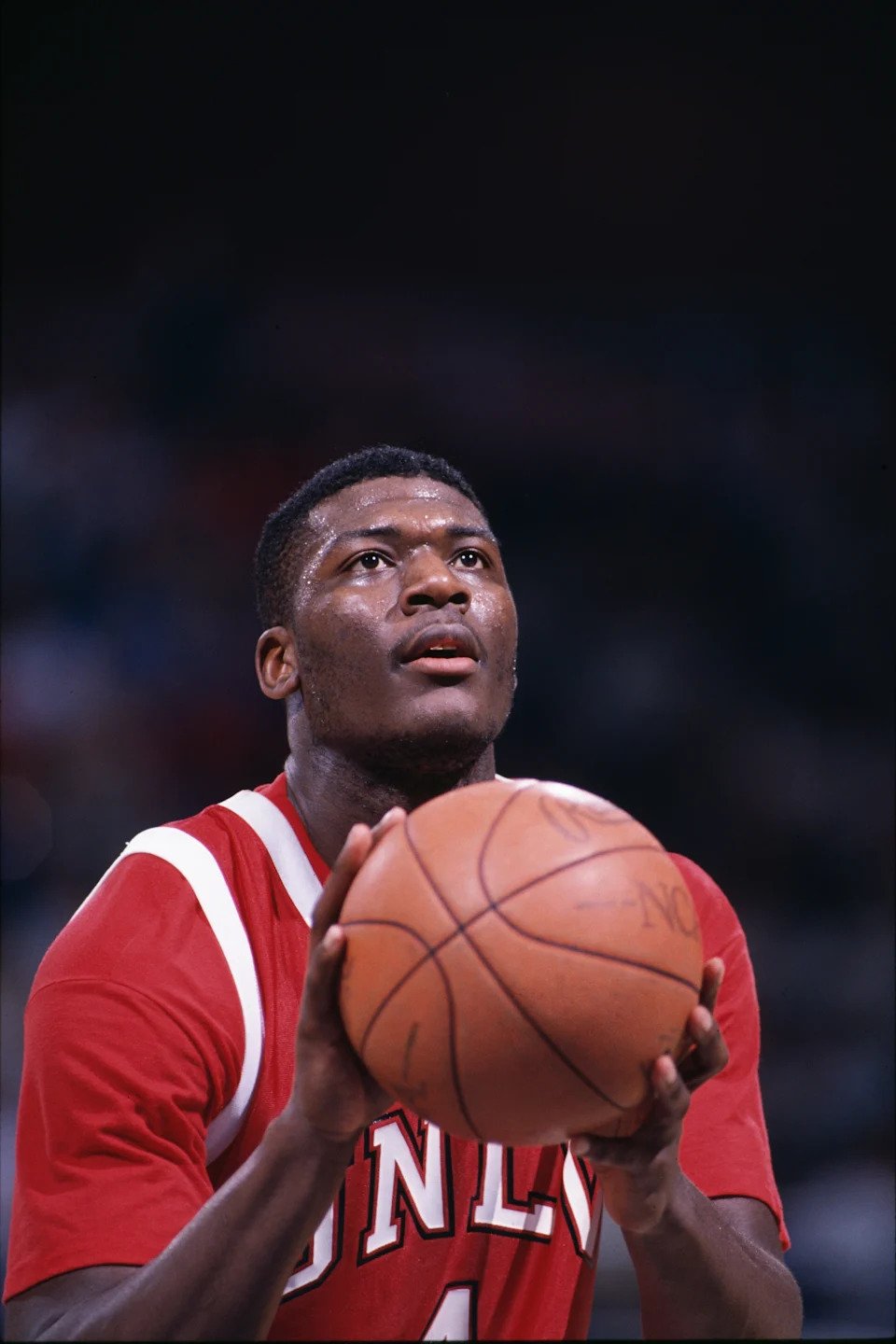
1990: UNLV Runnin’ Rebels
37 / 65
March Madness: Men’s college basketball national champions since 1960
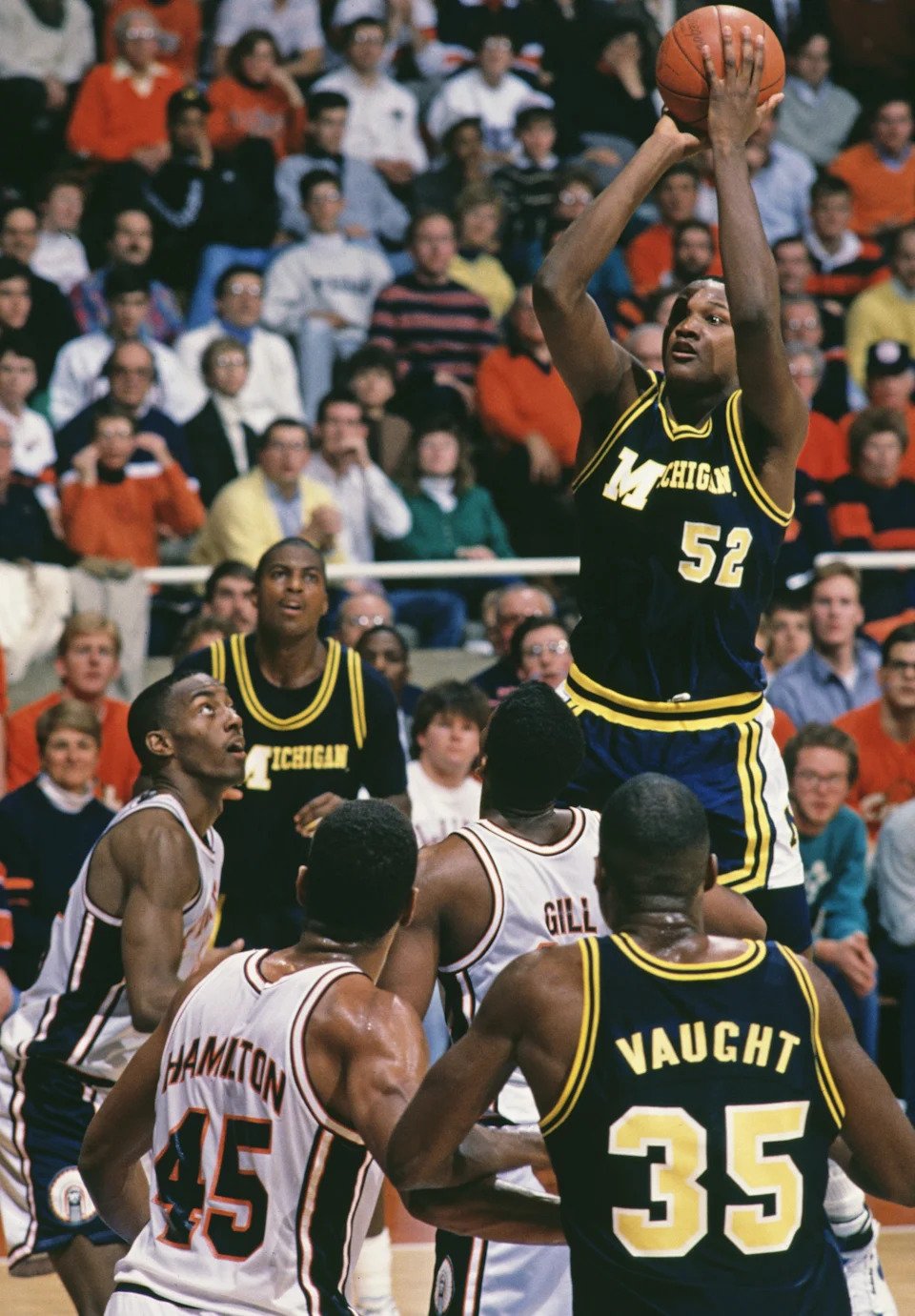
1989: Michigan Wolverines
38 / 65
March Madness: Men’s college basketball national champions since 1960
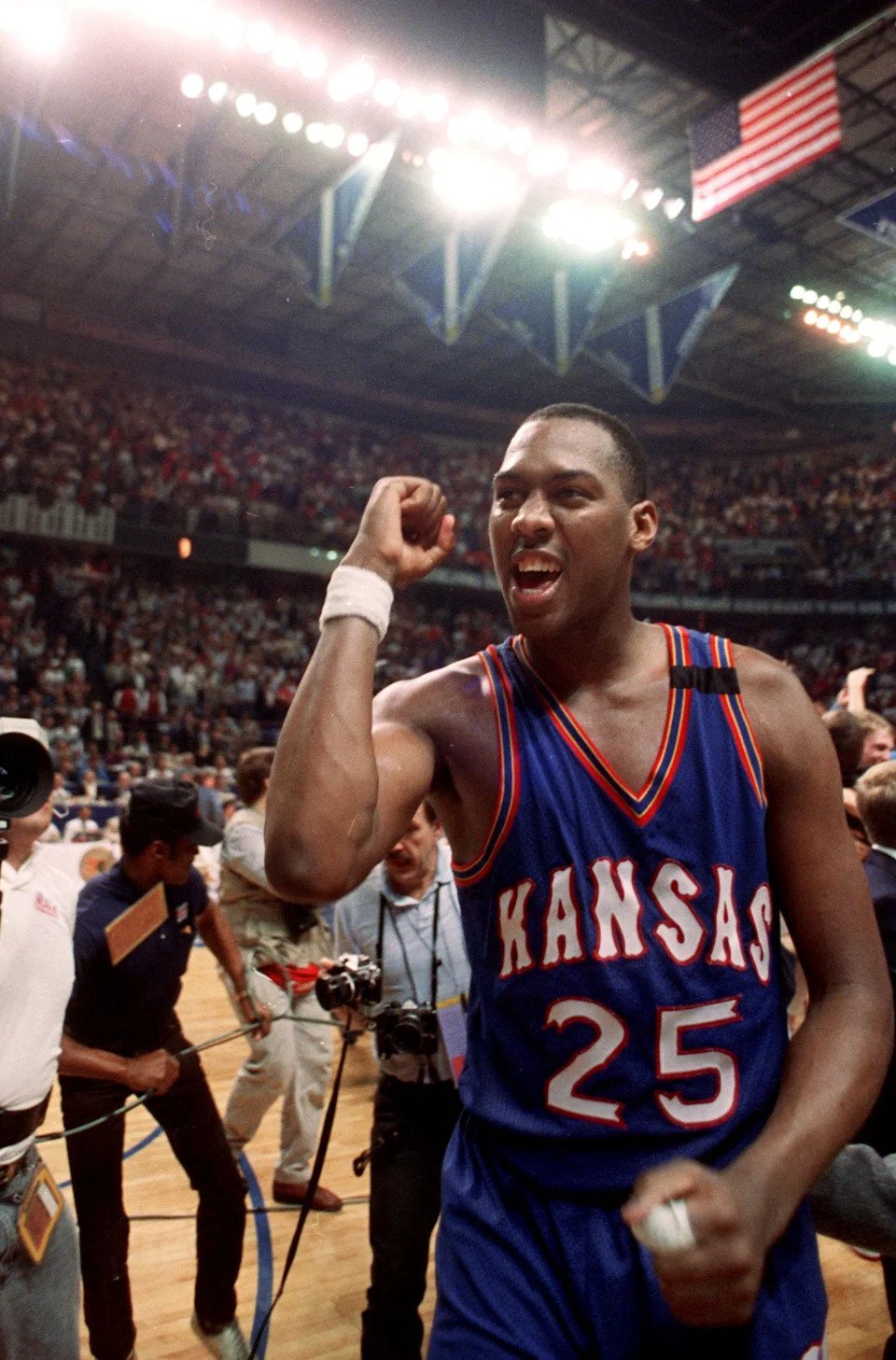
1988: Kansas Jayhawks
39 / 65
March Madness: Men’s college basketball national champions since 1960
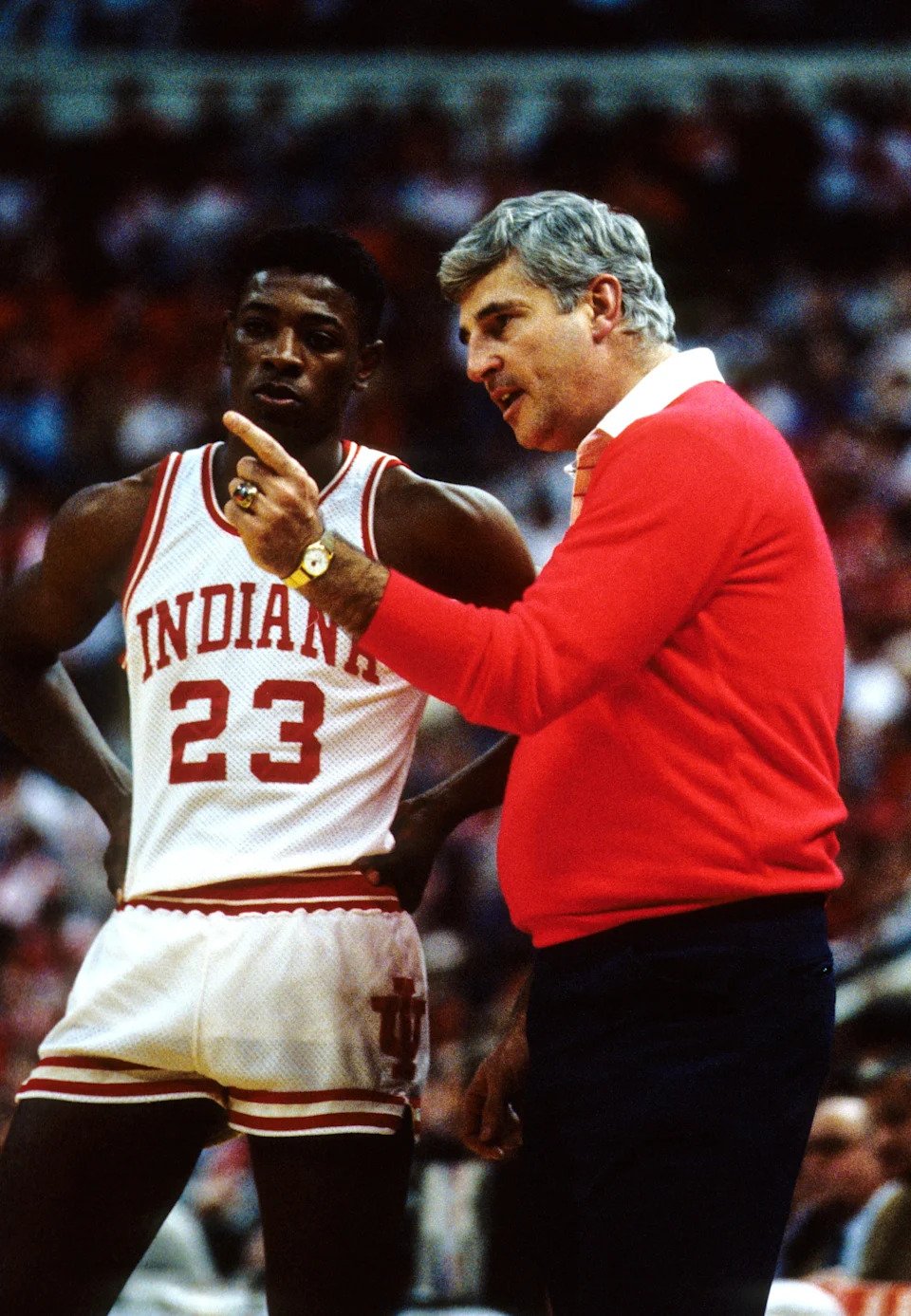
1987: Indiana Hoosiers
40 / 65
March Madness: Men’s college basketball national champions since 1960
1986: Louisville Cardinals
41 / 65
March Madness: Men’s college basketball national champions since 1960
1985: Villanova Wildcats
42 / 65
March Madness: Men’s college basketball national champions since 1960
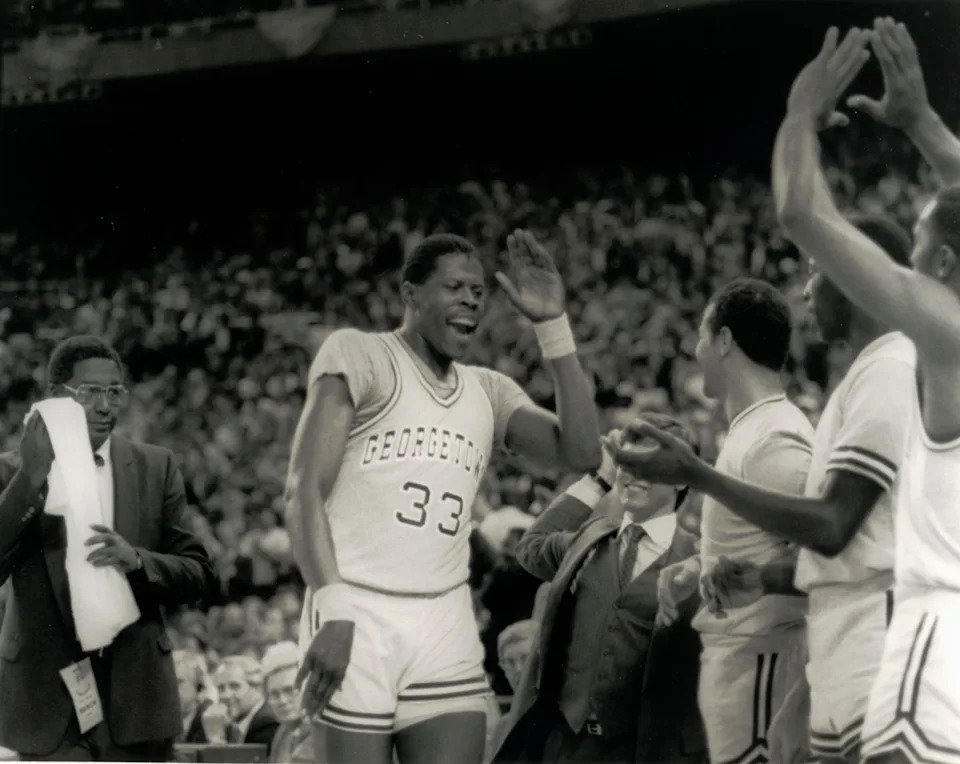
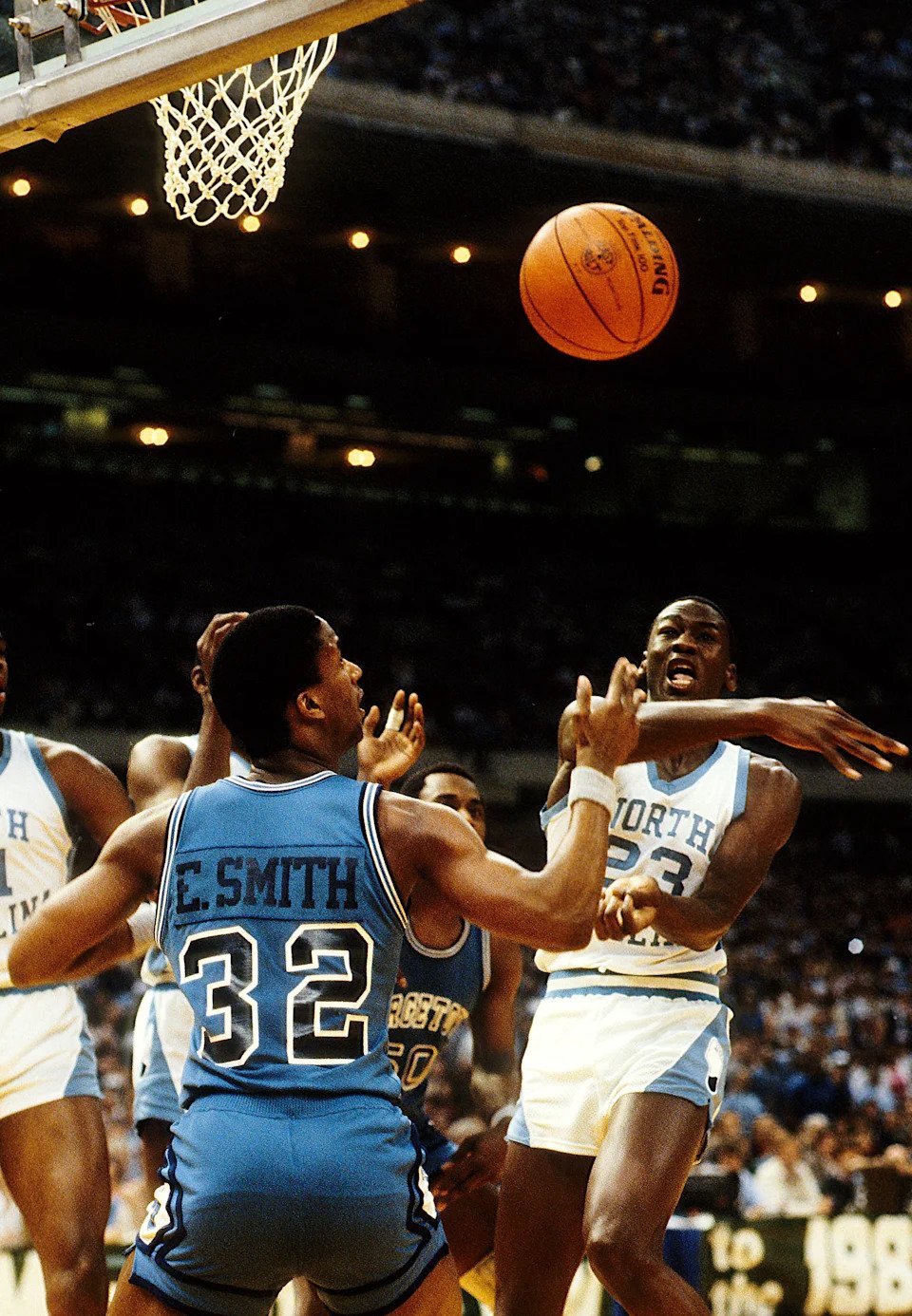
1984: Georgetown Hoyas
43 / 65
March Madness: Men’s college basketball national champions since 1960
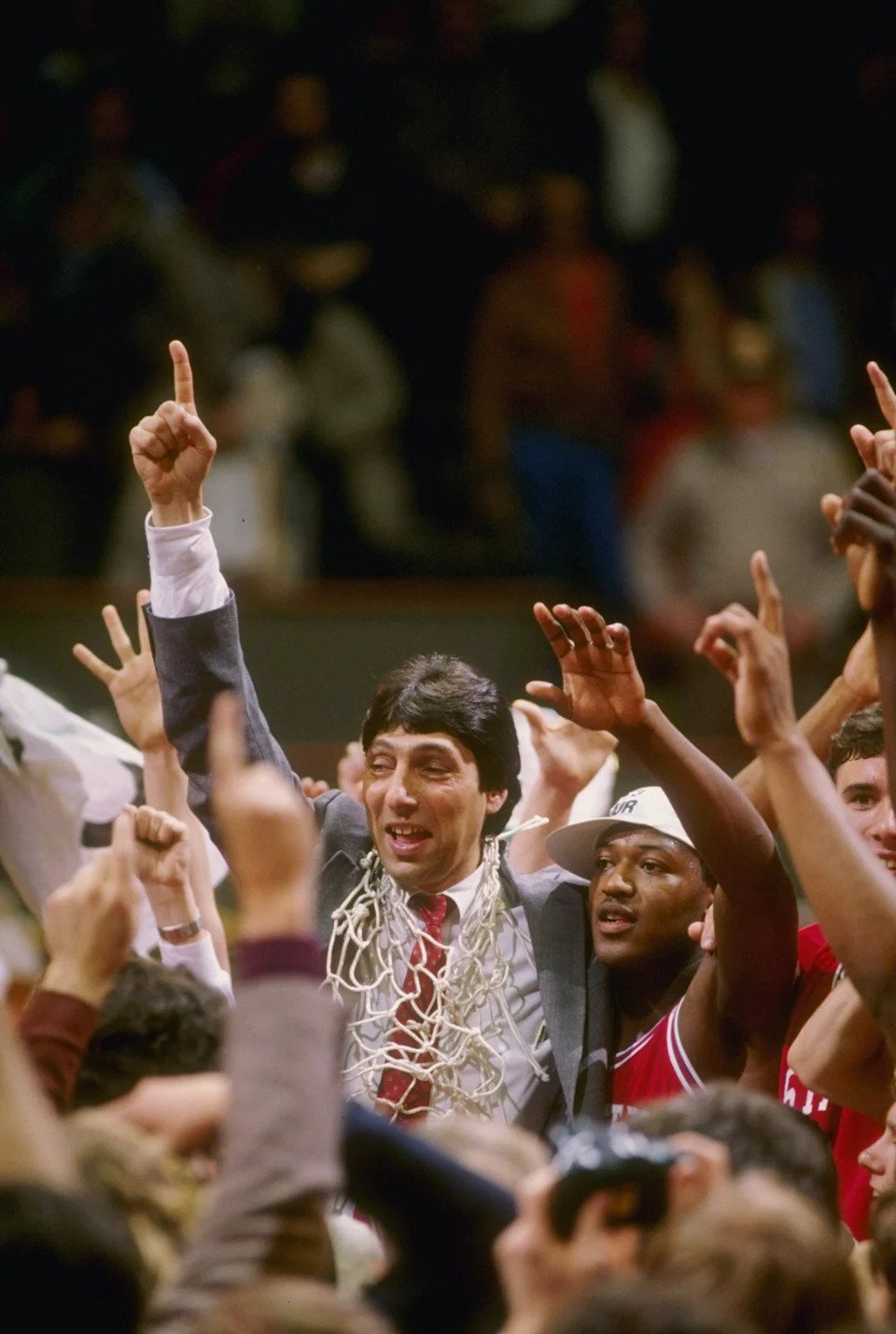
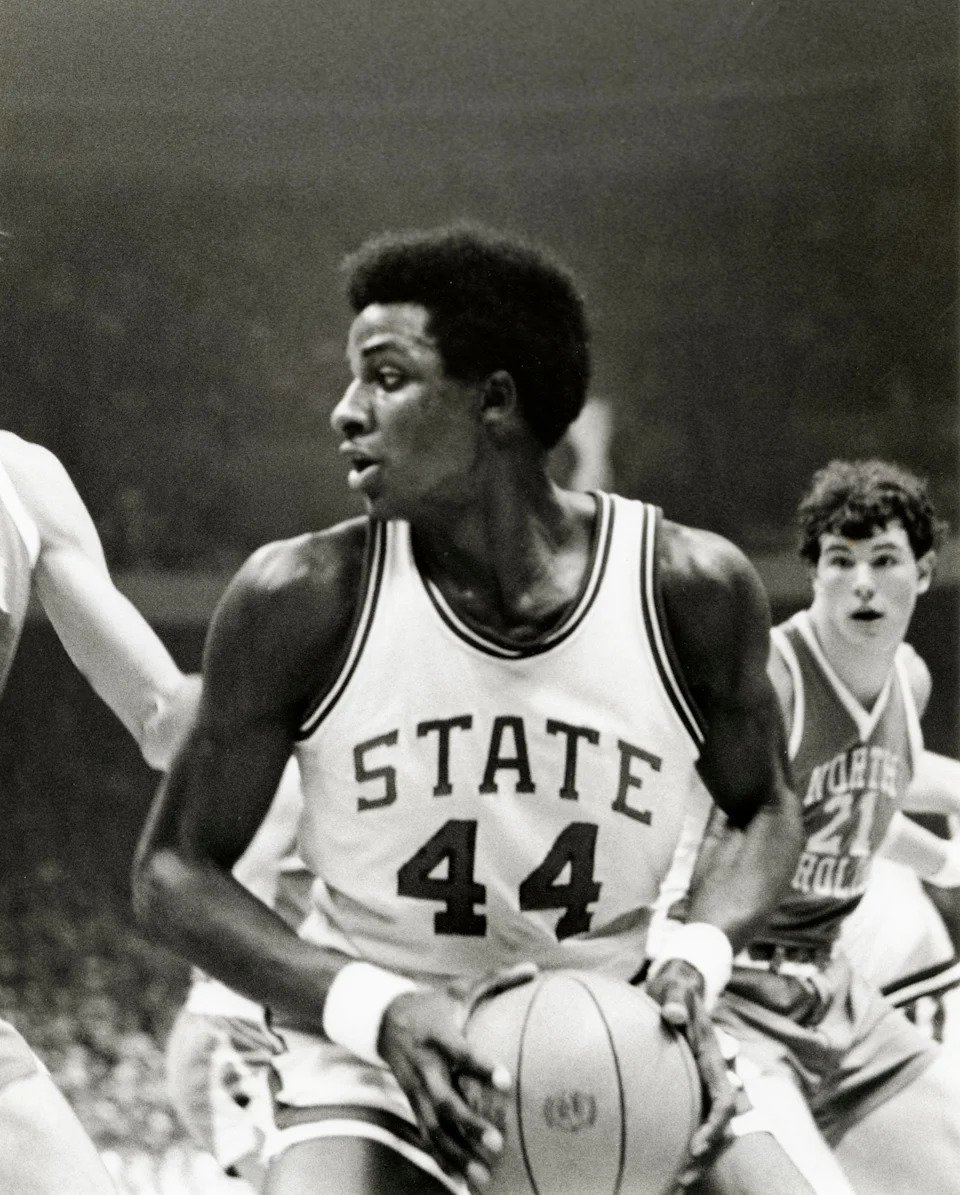
1983: North Carolina State Wolfpack
44 / 65
March Madness: Men’s college basketball national champions since 1960
1982: North Carolina Tar Heels
45 / 65
March Madness: Men’s college basketball national champions since 1960
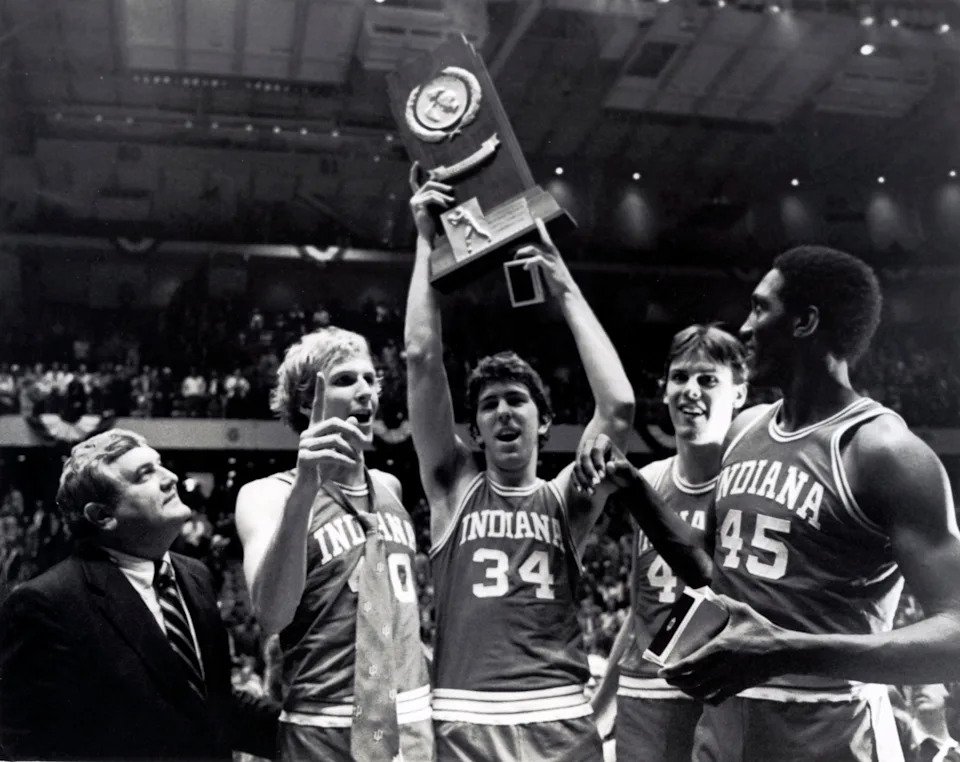
1981: Indiana Hoosiers
46 / 65
March Madness: Men’s college basketball national champions since 1960
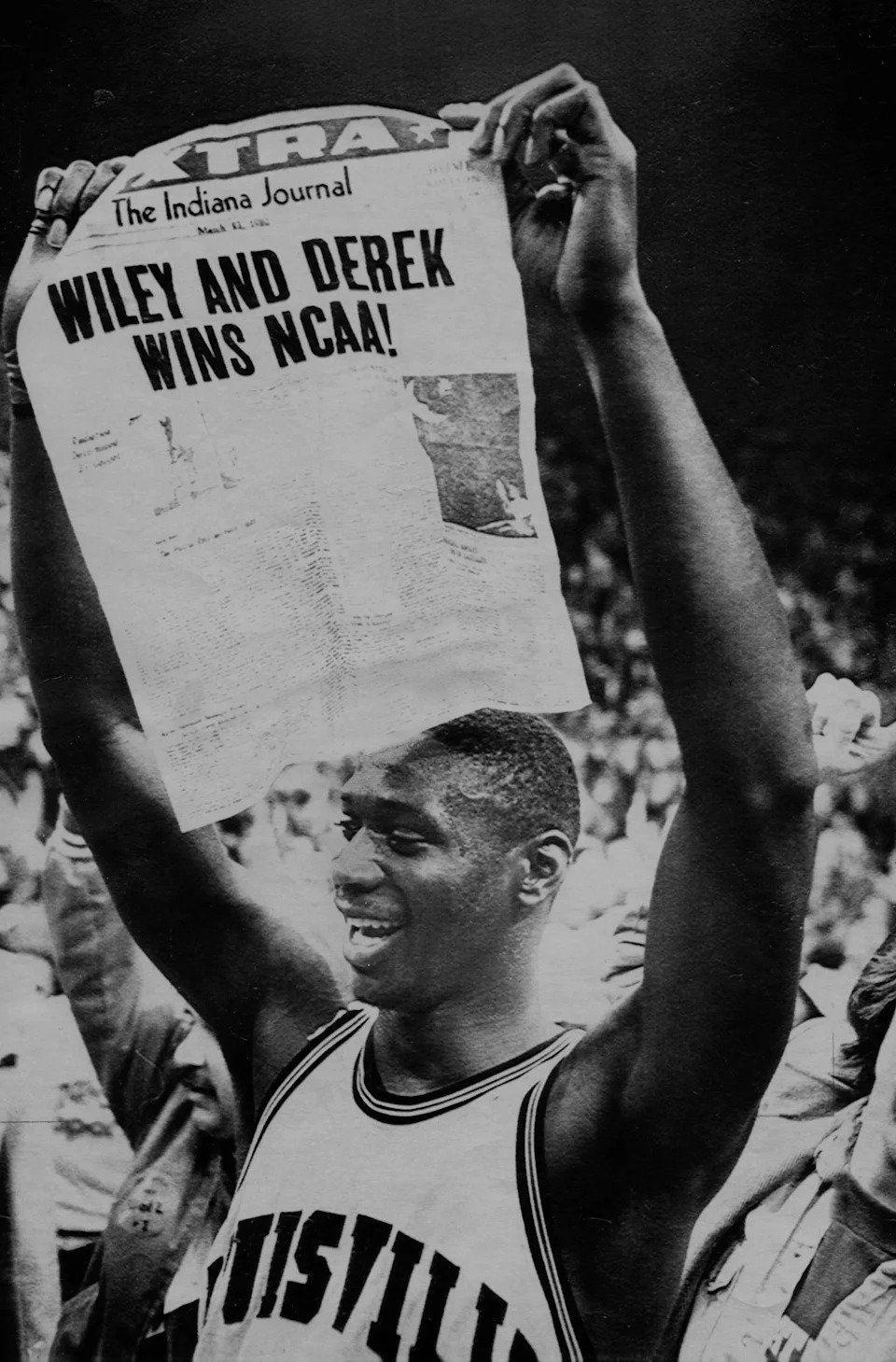
1980: Louisville Cardinals
47 / 65
March Madness: Men’s college basketball national champions since 1960
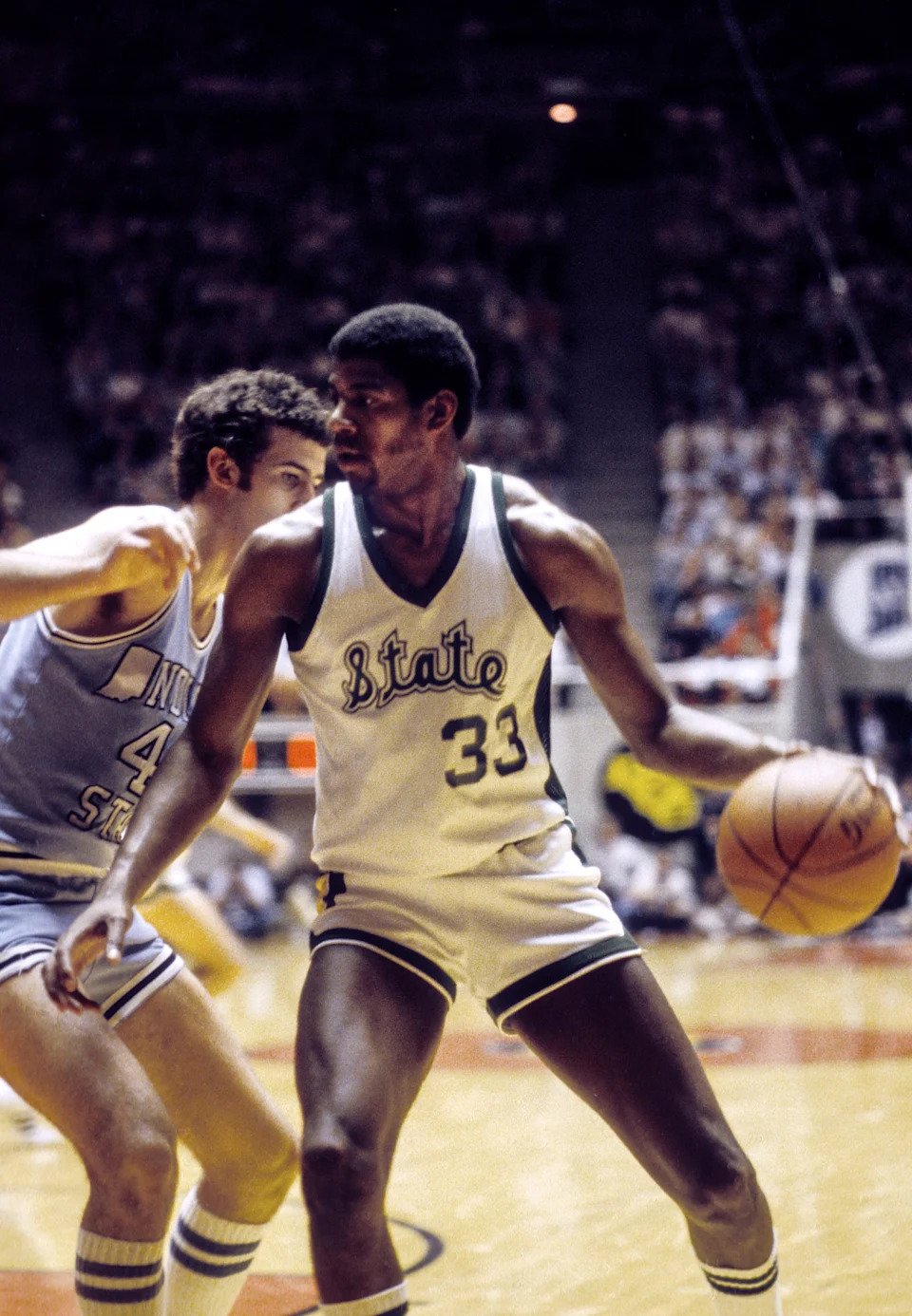
1979: Michigan State Spartans
48 / 65
March Madness: Men’s college basketball national champions since 1960
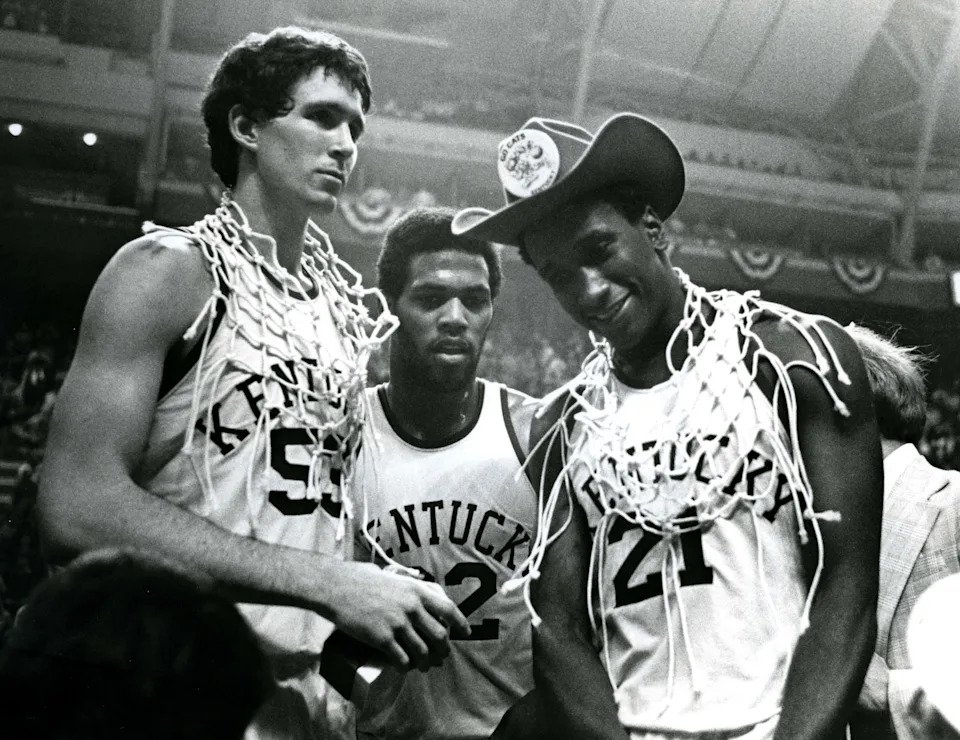
1978: Kentucky Wildcats
49 / 65
March Madness: Men’s college basketball national champions since 1960
1977: Marquette
50 / 65
March Madness: Men’s college basketball national champions since 1960
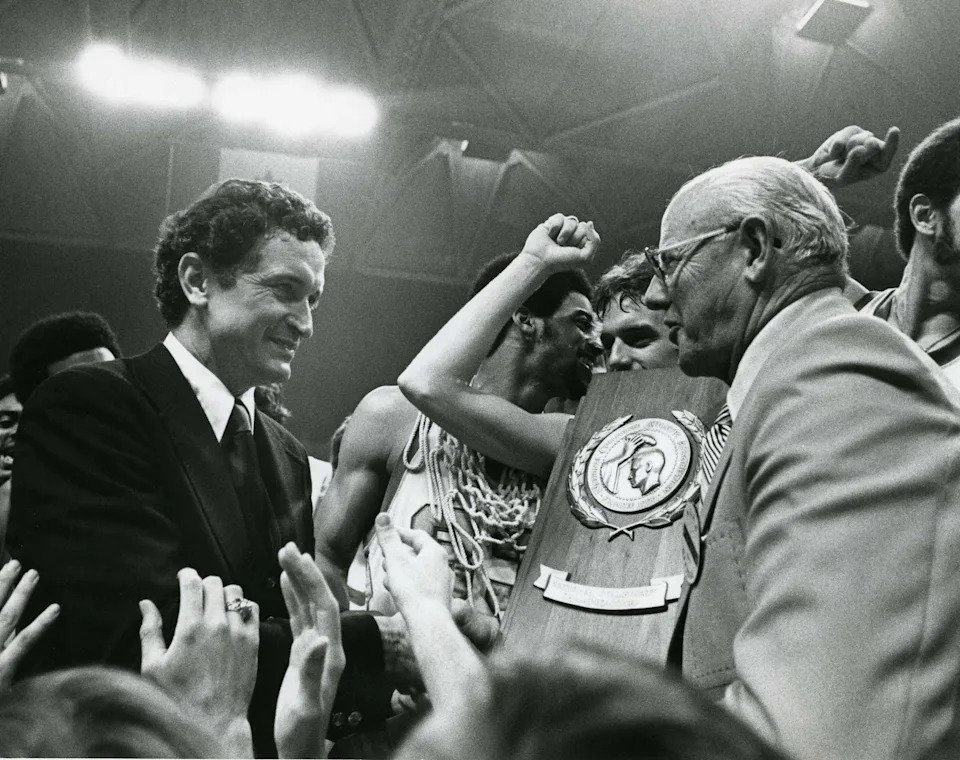
1976: Indiana Hoosiers
51 / 65
March Madness: Men’s college basketball national champions since 1960
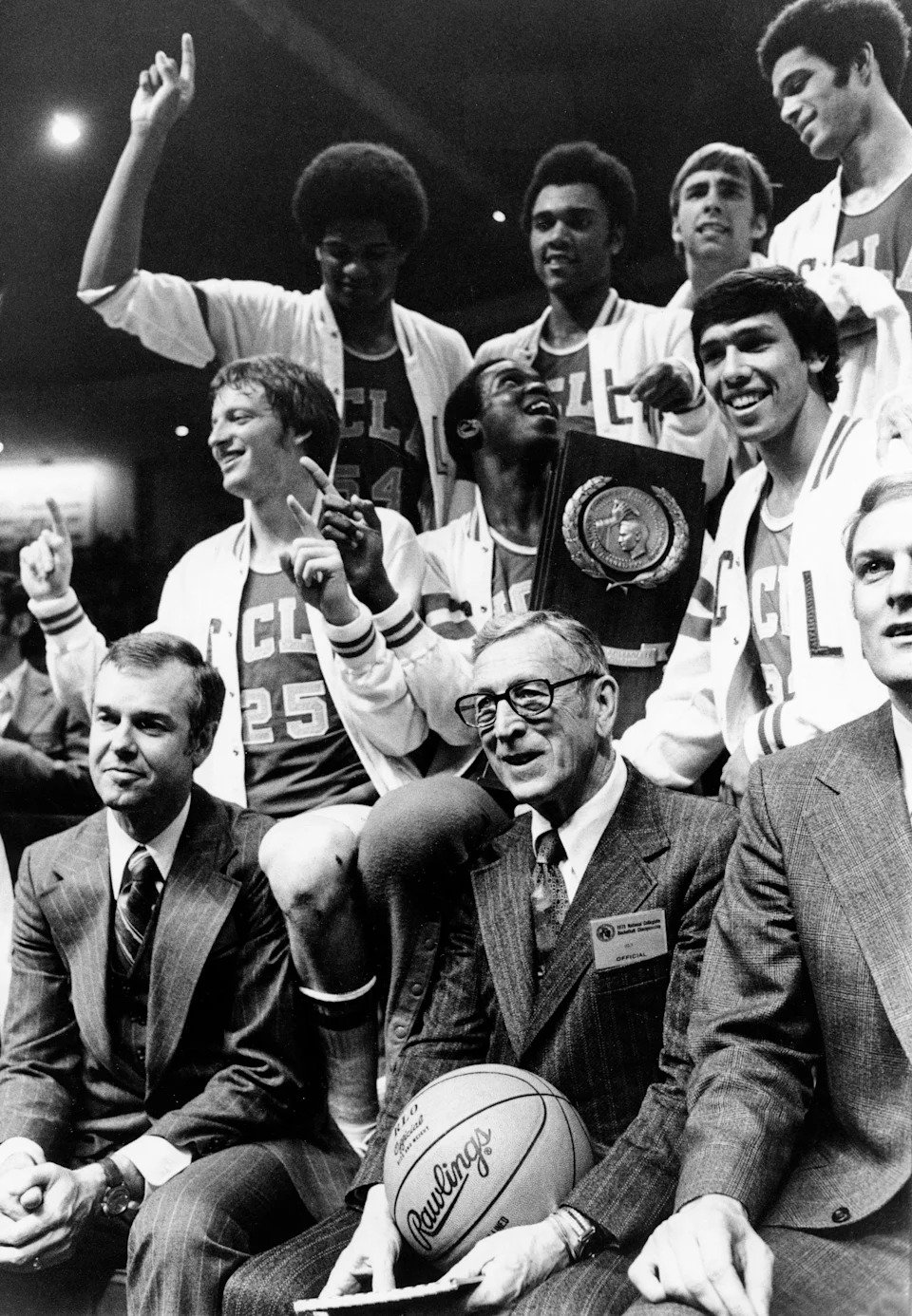
1975: UCLA Bruins
52 / 65
March Madness: Men’s college basketball national champions since 1960
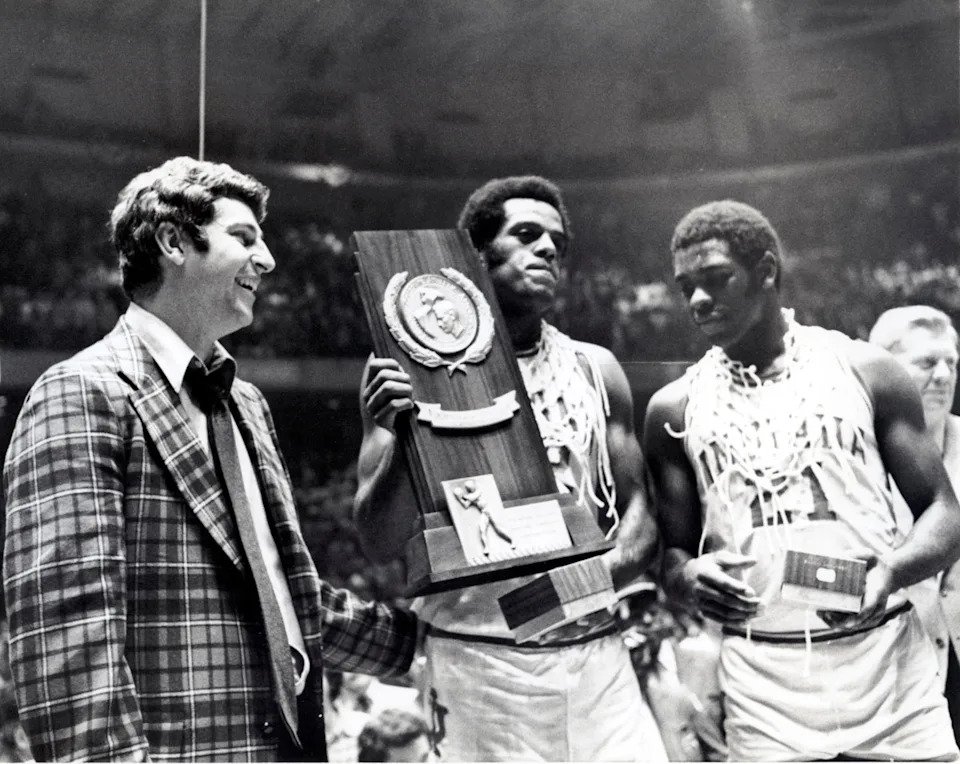
1974: North Carolina State Wolfpack
53 / 65
March Madness: Men’s college basketball national champions since 1960
1973: UCLA Bruins
54 / 65
March Madness: Men’s college basketball national champions since 1960
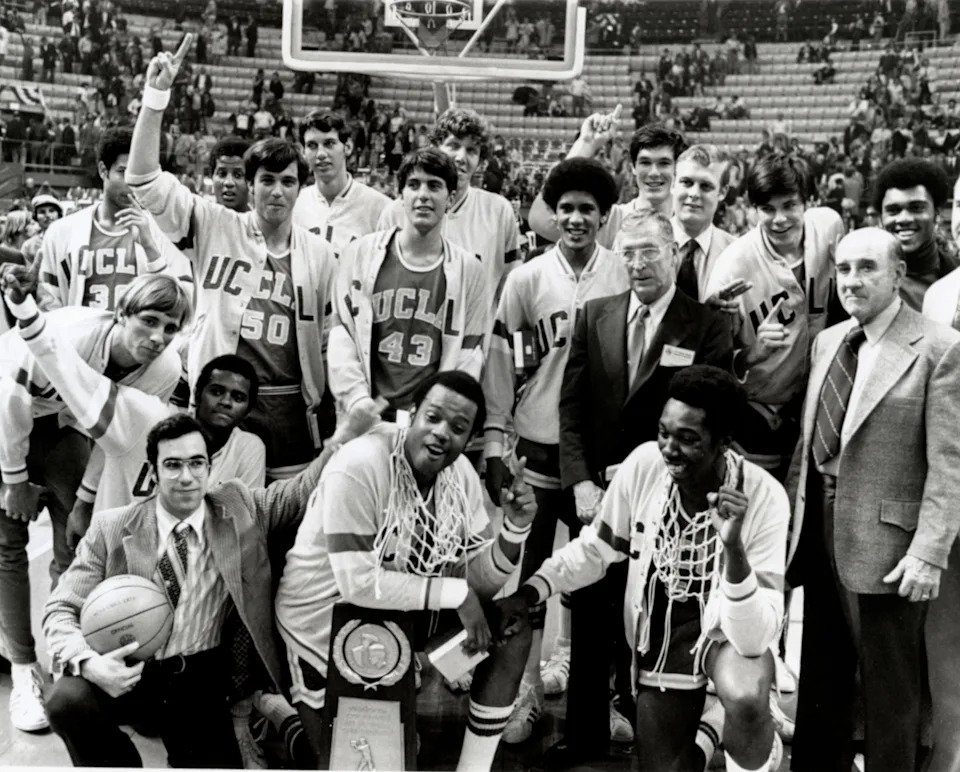
1972: UCLA Bruins
55 / 65
March Madness: Men’s college basketball national champions since 1960
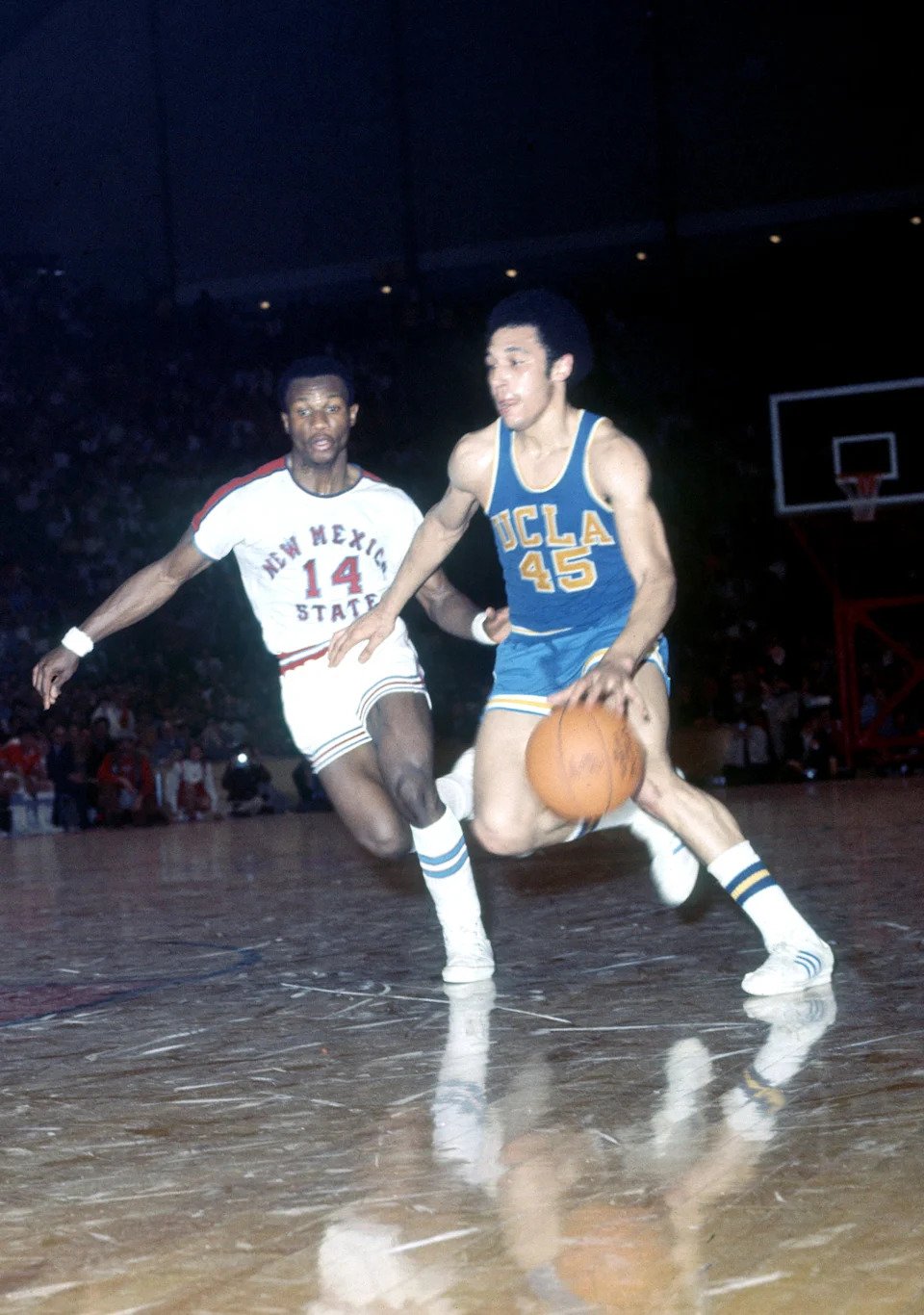
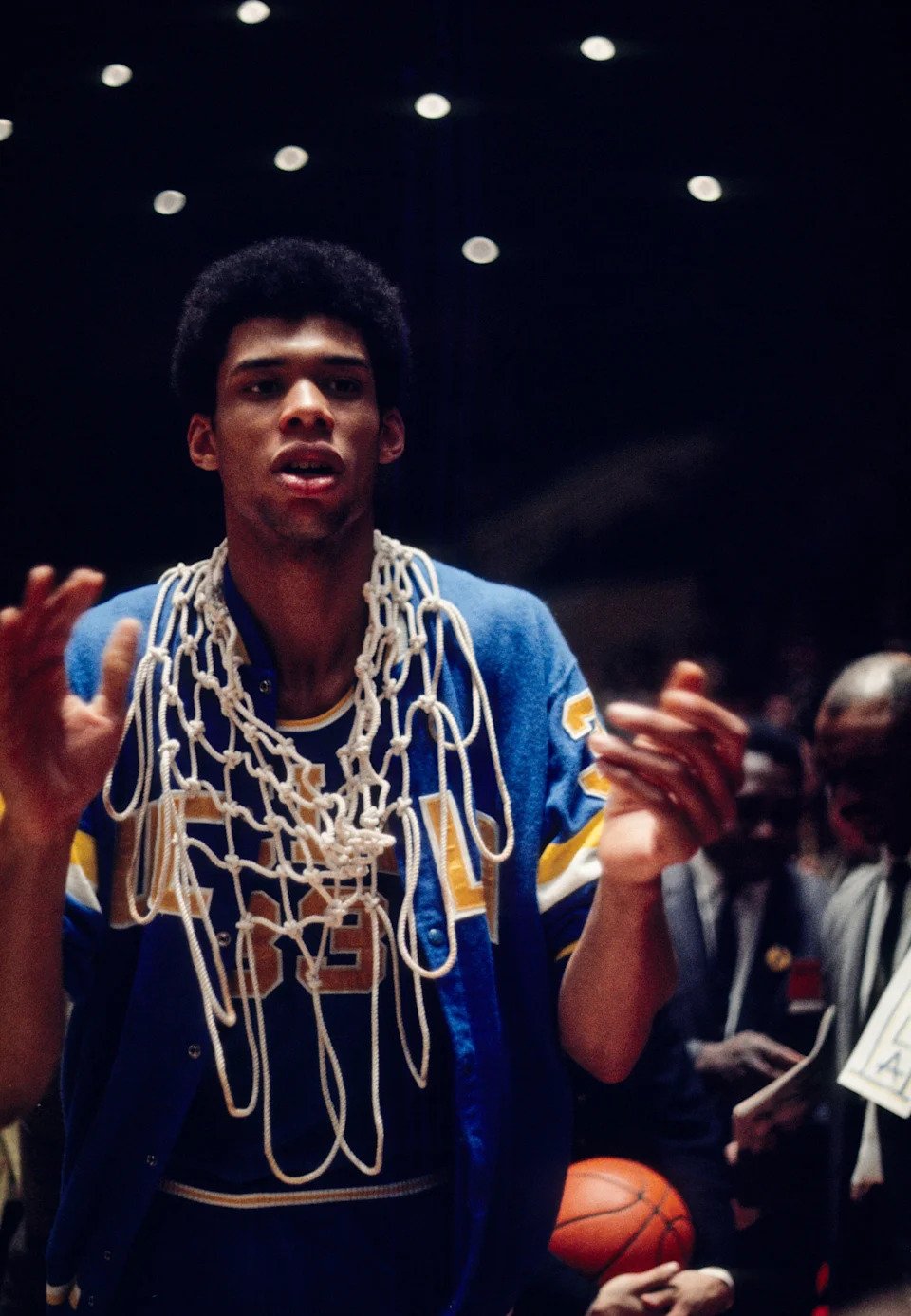
1971: UCLA Bruins
56 / 65
March Madness: Men’s college basketball national champions since 1960
1970: UCLA Bruins
57 / 65
March Madness: Men’s college basketball national champions since 1960
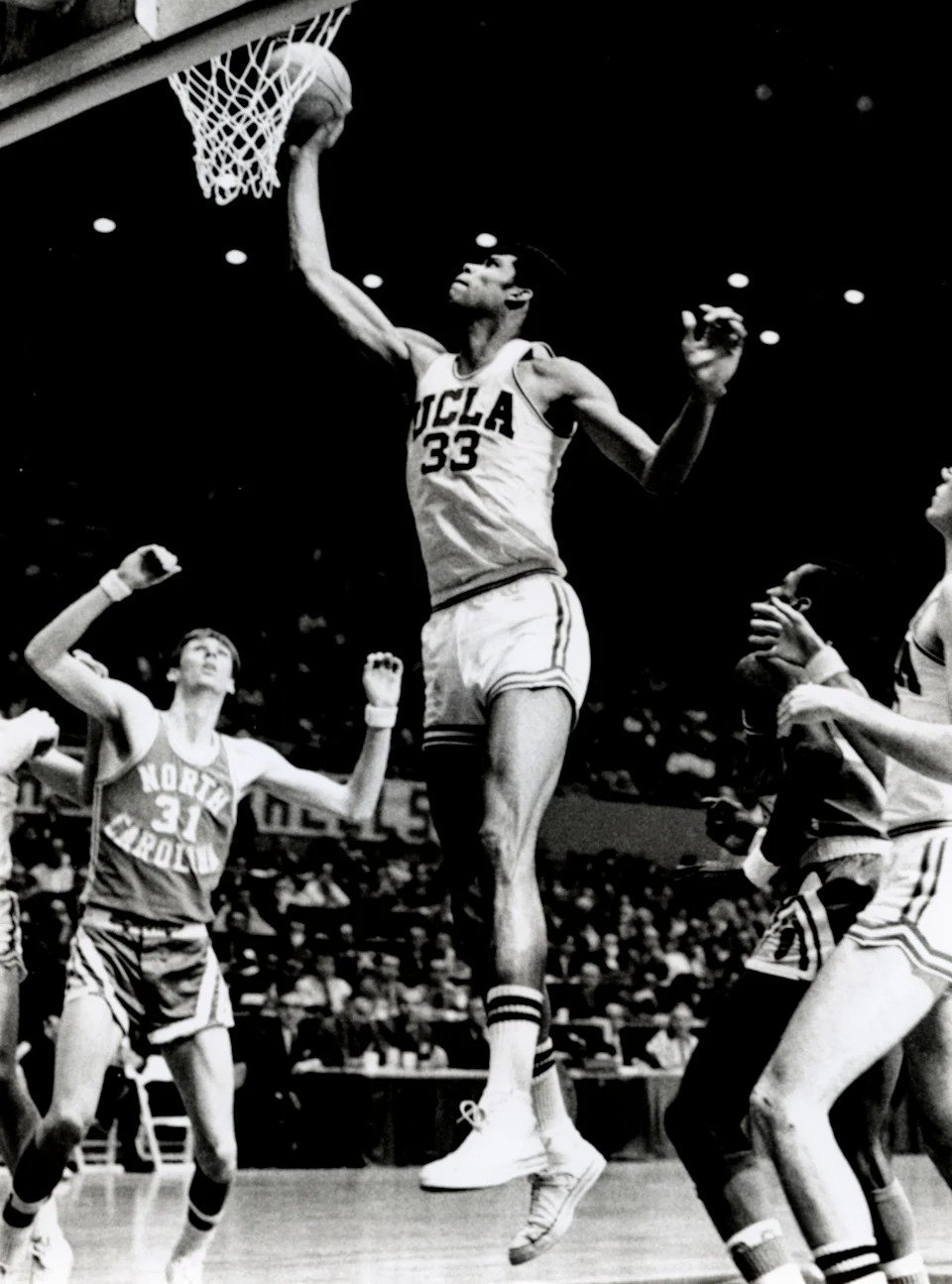
1969: UCLA Bruins
58 / 65
March Madness: Men’s college basketball national champions since 1960
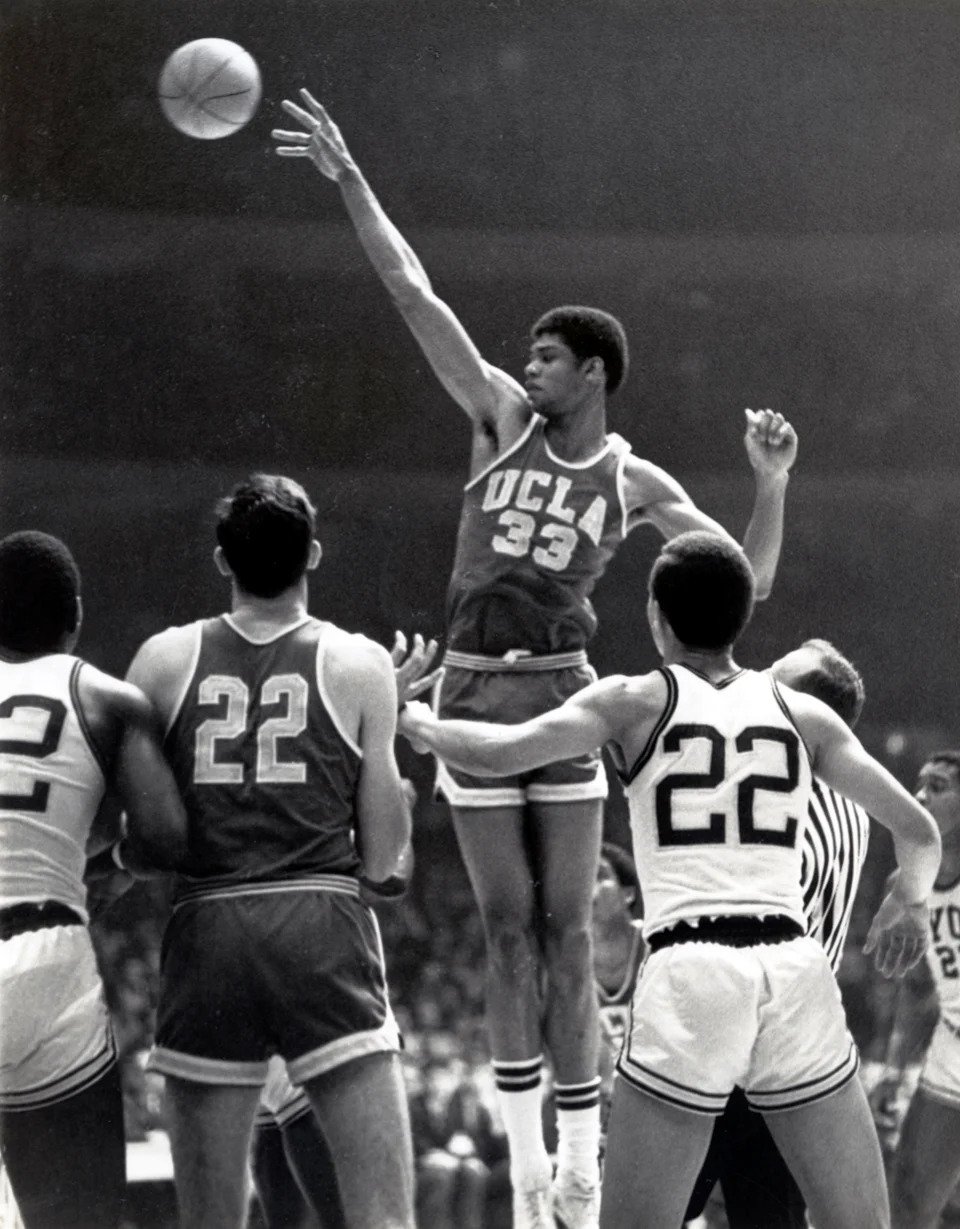
1968: UCLA Bruins
59 / 65
March Madness: Men’s college basketball national champions since 1960
1967: UCLA Bruins
60 / 65
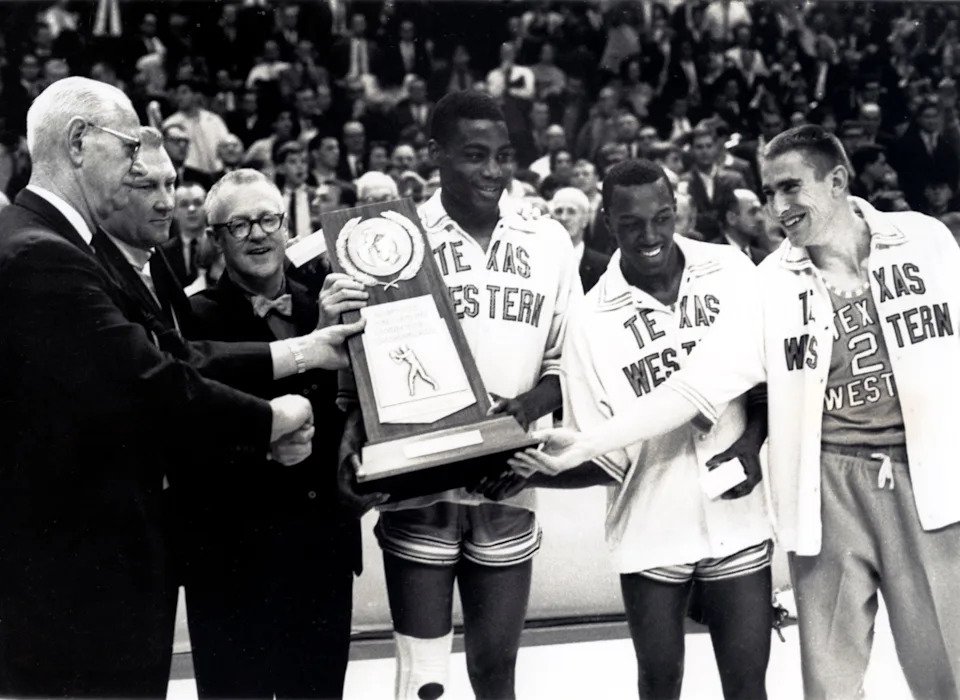
March Madness: Men’s college basketball national champions since 1960
1966: Texas Western Miners
61 / 65
March Madness: Men’s college basketball national champions since 1960
1965: UCLA Bruins
62 / 65
March Madness: Men’s college basketball national champions since 1960
1964: UCLA Bruins
63 / 65
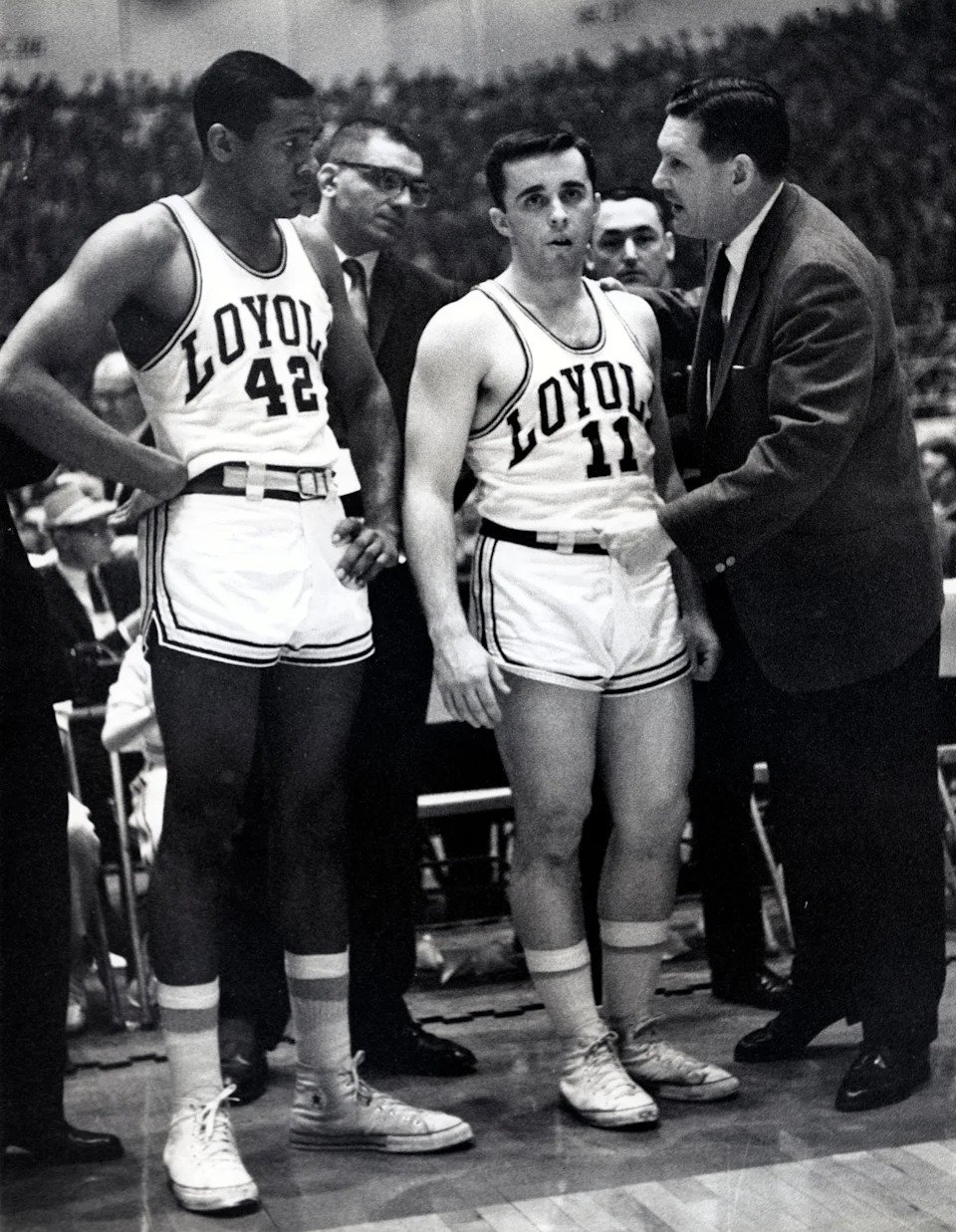
March Madness: Men’s college basketball national champions since 1960
1963: Loyola Ramblers
64 / 65
March Madness: Men’s college basketball national champions since 1960
1961: Cincinnati Bearcats
65 / 65
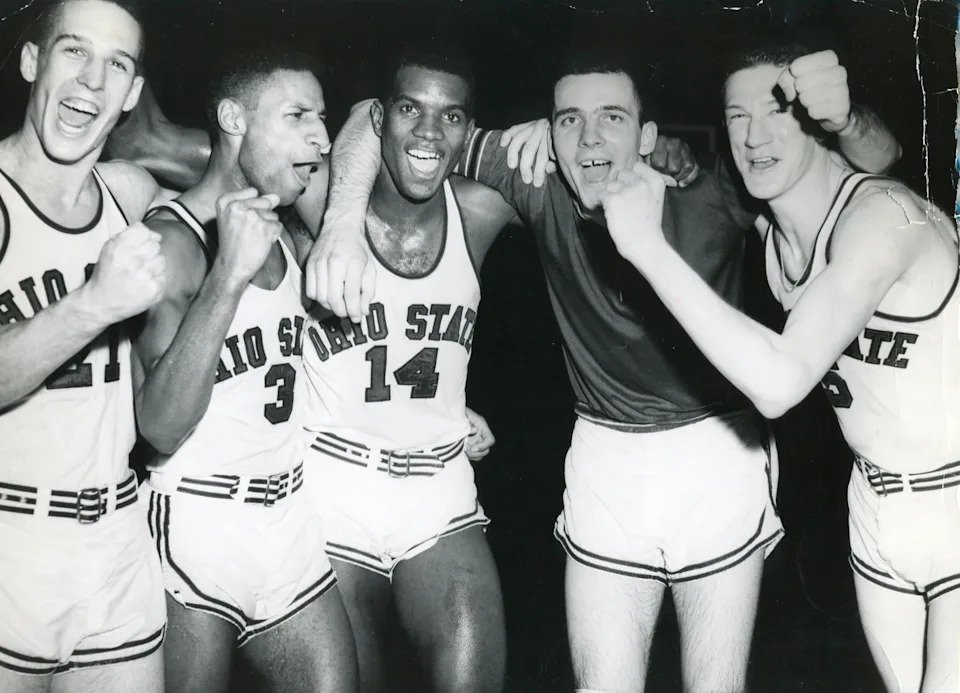
March Madness: Men’s college basketball national champions since 1960
1960: Ohio State Buckeyes
The men’s tournament will maintain “March Madness Opening Round” games in Dayton, Ohio, on the Tuesday and Wednesday following Selection Sunday; the city will play host to six games across those two days. An additional location, which the NCAA has not divulged, will host the other six games.
Advertisement
Six of those opening-round matchups will feature the 12 lowest-placed conference championship automatic qualifiers while the other games will pit the 12 lowest-seeded at-large bid recipients.
Not every coach is quick to embrace the move to expand the field.
“I think for me, they can call us mid-major, we’re low-mid-major in the Big South, whatever gives us the best opportunity to win a game is what I’m for,” UNC Asheville coach Mike Morrell told USA TODAY Sports. “Without really knowing what that looks like, then I think my opinion could be skewed a little bit. When I was at the University of Texas (as an assistant coach), we were a 10-seed and a 6-seed. I think if you were to ask me 10 years ago, I would have said expand that thing and get as many of those high-major guys as we can.
More: Oscar Robertson’s 6-word answer on March Madness expansion sums it up
Advertisement
“I understand that’s the reason, but I just think it really … I don’t know that dilutes is the right word but it negates some regular-season importance because you’re allowing so many of these quote unquote big boys in. How many teams are going to get in now with losing records in their league? I’ve got to imagine it’s going to be a much higher percentage.”
Tom Crean has coached in 20 career NCAA Tournament games across stops at Marquette, Indiana and Georgia. He remains close to the sport as an analyst for radio and TV.
His only shock about Thursday’s news? That it took 15 years to materialize.
Crean rightly expects a tougher road for the final teams earning their way into the field — at-large and as lower mid-major conference champs.
Advertisement
“It was inevitable from the moment that it was floated out there years back and I’m surprised it took this long to come to fruition,” Crean told USA TODAY Sports. “I believe you will see more teams that would have been 14s or 15s have to play their way in, and you’ll see some brand name and Power conference teams end up as 12s or maybe even 13s.
“An occasional outlier, lower-mid or mid-major will jump in, but it’s not really set up for that with the metrics and the money allocations.”
On the heels of a 2025-26 basketball season that saw Miami (Ohio) barely earn an at-large selection despite 31 wins before Selection Sunday because of a soft nonconference schedule that ranked as low as No. 360, Crean expects more scheduling woes in that ecosystem.
“If people thought scheduling was hard before for lows and mids,” said Crean, a 2003 Final Four to his credit, “it’s going to get even tougher.”
Advertisement
After guiding Asheville into the 2023 NCAA Tournament and earning a No. 15 seed, only to be “shipped to Sacramento for a road game against UCLA,” Morrell battles the conflicting emotions of wanting a pathway for his Bulldogs to win versus preserving the scarcity of an invitation.
“If it allows more of a chance for us to a win a game and increase revenue for our league, at Asheville, we do actually have an NCAA Tournament win in our history from a play-in game but you still get a unit, you still get a share,” Morrell said. “As a lover of college basketball, I don’t love (expansion). I think there’s a real honor to playing in that tournament. A real earned right to playing in that tournament, and I don’t want to see it diluted by more teams in there.”
Army coach Kevin Kuwik has 10 previous NCAA Tournament appearances as an assistant coach but is still seeking to engineer the Black Knights’ first entrance into the Big Dance.
“As a fan of the tournament, I’m probably kind of a purist so this doesn’t really excite me,” Kuwik told USA TODAY Sports. “But as a coach, it ultimately comes down to this is the dream we have, this is what we have to do to get there, so let’s get to work.
“Control what you can control.”
This article originally appeared on USA TODAY: What some college basketball coaches say about March Madness 76 teams expansion