


- In May, JLR and Stellantis signed a non-binding memorandum to explore collaboration in the US; specific Defender manufacturing details came later.
- JLR has paid hundreds of millions of pounds in tariffs.
- Stellantis already has US truck and SUV plants, offering JLR potential production capacity.
Jaguar Land Rover is finally putting real weight behind an American manufacturing push, and it is doing it with help from Stellantis. The plan is not to simply ship today’s Defender across the Atlantic, but to create new Defender-branded vehicles built in the United States for US buyers.
That idea hits several pressure points at once: tariff costs, currency swings, and how a relatively small luxury player can gain scale in a truck and SUV market.
Jaguar Land Rover’s US Production Plan
Jaguar Land Rover chief financial officer Richard Molyneux told investors that the company signed an exploratory memorandum with Stellantis in May to explore “complementary capabilities” in US product and technology development. He said this framework is expected to include Defender-branded models built at Stellantis plants in the United States, with a specific manufacturing agreement targeted around the end of this year.
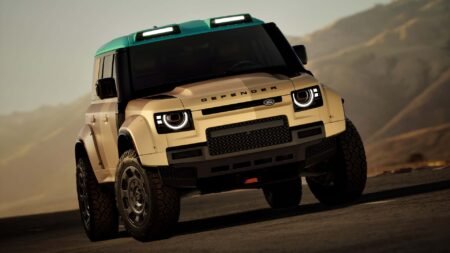
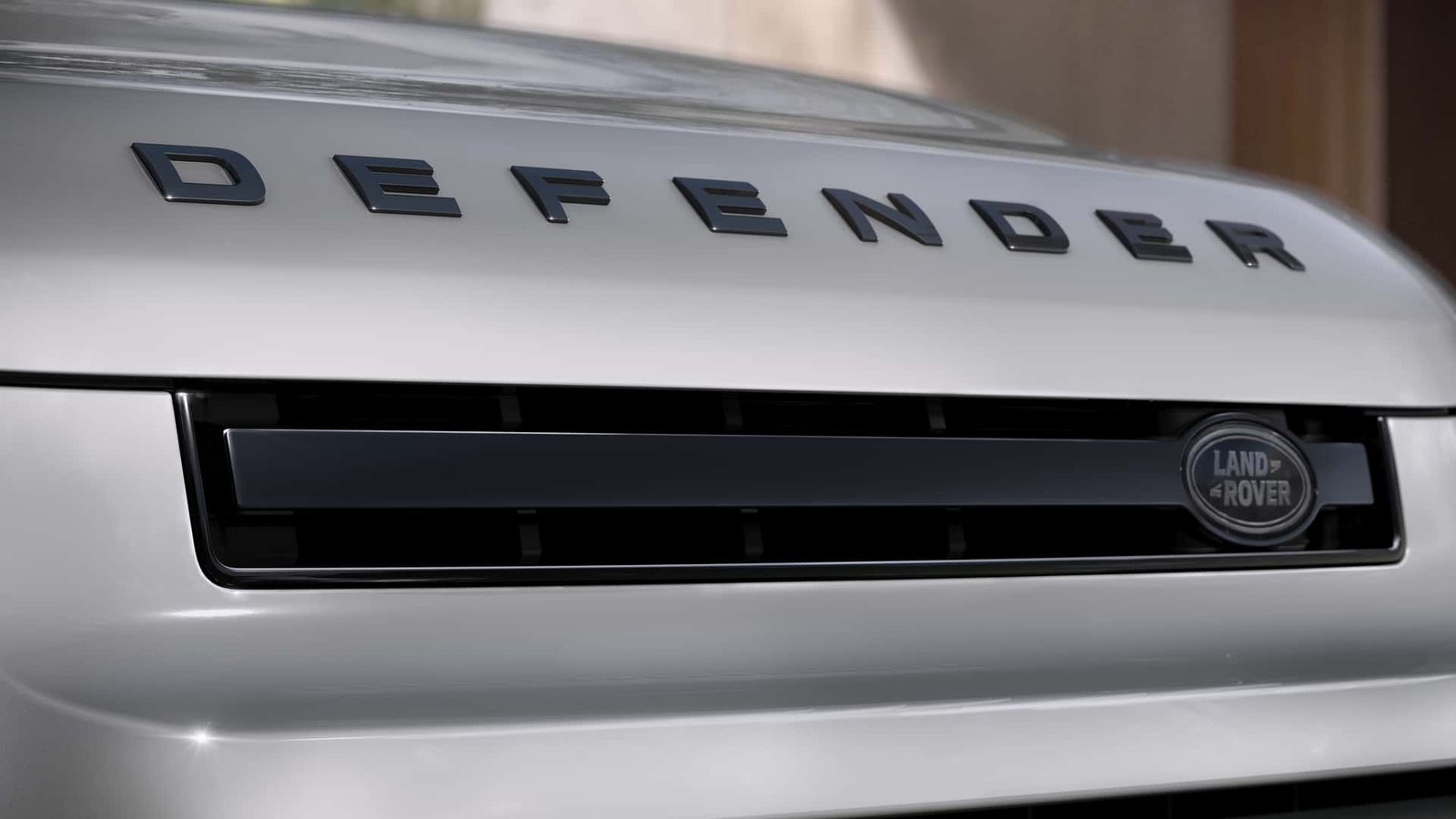
2027 Land Rover Defender OCTA
Photo by: Land Rover
Molyneux described the North American push as “new vehicles, new segments” under the Defender badge, aimed squarely at US customers, and pointed to volume limits as the reason not to just localize the existing Defender. JLR sells roughly 30,000 Defenders a year in America and he argued it “can never localize efficiently at 30,000 units, or even at 50,000 units,” which is why Stellantis-built products are on the table instead of copying the current SUV.
Those future US Defenders are widely expected to use a Stellantis truck or SUV platform, likely related to the Jeep Wrangler, rather than JLR’s own EMA architecture. Inside JLR, EMA’s next job is the upcoming Range Rover GT, which has been unveiled on that platform but is still running through final validation testing in the United Kingdom ahead of a full launch later this year.
The collaboration is also about money. Reporting on the strategy notes JLR has been paying hundreds of millions of pounds in tariffs, and the company itself has highlighted tariff exposure and currency risk as reasons to look at US production. If US-built Defenders move forward, they would sit alongside imported Range Rover and Jaguar models, not replace them.

Photo by: Land Rover
How Stellantis Changes The Equation
Stellantis brings something JLR does not have today: an established US factory footprint with truck and SUV capacity. The group is already reshaping sites such as Belvidere, Illinois, for future Jeep models, and analysts see that broader network as the kind of asset JLR wants to tap instead of funding a clean sheet North American plant of its own right away.
For Stellantis, a Defender-branded product built in one of its plants could mean better utilization and another revenue stream from a partner brand. For JLR, the upside would be moving behind tariff barriers and gaining a natural currency hedge without duplicating existing Defender production in Europe. If the current memorandum matures into a binding deal, US buyers could eventually see Defender-style products positioned and priced directly against home built Jeeps and Broncos.
Motor1’s Take: A Stellantis built Defender would give JLR a faster, cheaper route to American buyers by sidestepping tariff and currency pain and tapping existing truck capacity, turning Defender into the brand’s clearest path to meaningful US volume and profit while also handing part of JLR product control to a partner, so the real test will be the final agreement, which plant gets the line, and whether JLR can fix dealer confidence and distribution before US models arrive or risk a paper strategy that adds cost without curing core market problems.
Read the full article here