


- The new CEO believes there are too many models and versions in the lineup.
- Kenta Kon believes streamlining the portfolio would reduce costs.
- Toyota wants to lower the lineup’s complexity by focusing on models that add value.
10,536,807. That’s how many cars Toyota sold last year, including models from its luxury division, Lexus. Demand rose by 3.7 percent in 2025, allowing the Japanese automotive juggernaut to claim the sales crown for the sixth consecutive year. While bigger sales numbers are generally seen as a positive, maximizing volume isn’t necessarily the ultimate goal automakers pursue. A company can make more money selling fewer vehicles if profit margins are higher.
Toyota’s newly appointed CEO, Kenta Kon, is looking for ways to put the company in better shape by identifying lingering issues that need to be solved. After visiting R&D centers, he noticed that engineers may be stretched too thin across a vast array of models and derivatives. The head of the world’s largest carmaker suggests the sprawling portfolio could benefit from some trimming:
‘If you go to a development division, you see issues such as an increasing number of different specifications and variants being created, which in turn is driving up costs. If there are areas within those activities that aren’t truly value-adding work, or where work isn’t being done efficiently, then we need to take a closer look at them.’
Toyota Axes Future EV, Keeps 42-Year-Old SUV
It’s too early for Toyota to reveal which models may get the axe, but we already know the Lexus LF-ZC is no longer moving forward. Plans for the electric sedan have been shelved due to “fluctuations in market demand and the workload associated with vehicle planning and manufacturing.” In other words, the company was concerned there wouldn’t be enough customer demand to justify the costs involved in developing and building the luxury EV.
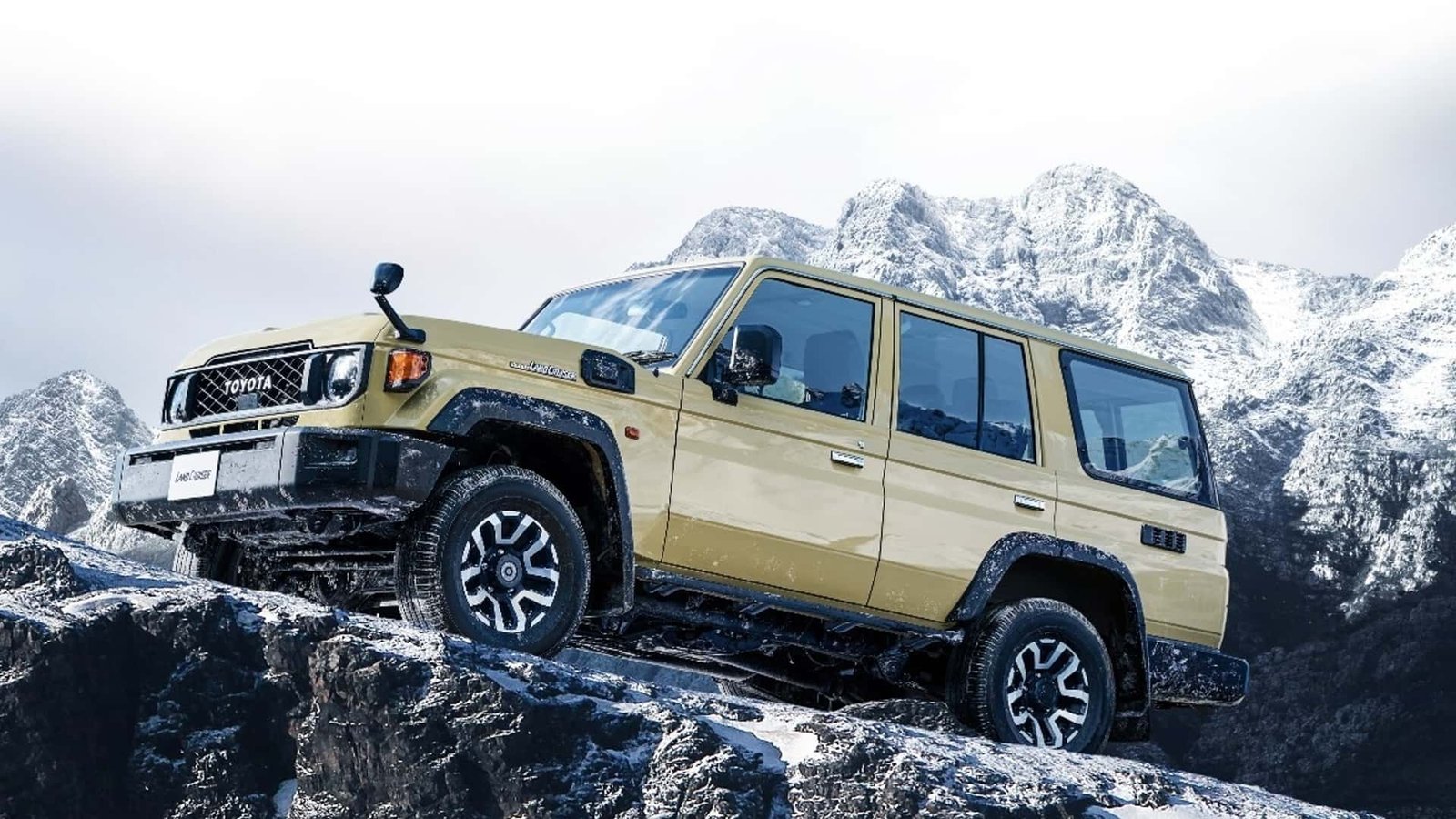
Toyota’s lineup is fascinatingly complex, and no model better illustrates the sheer breadth of its portfolio than one originally introduced in 1984. The Land Cruiser 70 Series remains on sale in markets such as Australia and Japan, albeit with updates to keep it relevant. Nevertheless, at its core, it’s still a 42-year-old SUV, and there’s nothing wrong with that. The J70 can go virtually anywhere and is practically indestructible, not to mention it will likely outlive its owner.
Boosting Hybrid Production
Having succeeded Koji Sato on April 1, Kenta Kon is only a little over two months into his new role. Beyond recognizing how the lineup has expanded over the years, Automotive News reports that the new CEO plans to be “making corrections and implementing improvements” across other areas of the business. Increasing hybrid vehicle production capacity is one of the key priorities.
Reuters quotes Toyota’s new chief as saying the company won’t be “hitting the brakes suddenly” when it comes to offering multiple powertrain options. That means gasoline, hybrid, plug-in hybrid, and even some diesel models will remain part of the lineup rather than putting all the proverbial eggs in the EV basket.
Akio Toyoda, who was recently re-elected chairman by shareholders, famously said in early 2025 that EVs would never exceed a 30-percent share of the global market. Today, however, he believes the industry is increasingly gravitating toward EVs while he finds himself “very alone” among the few still championing combustion engines.

50
Motor1’s Take: Toyota maintains a comfortable lead over the Volkswagen Group in the global sales race. However, it’s more of a marathon than a sprint, and total volume alone isn’t the endgame anyway. Hopefully, any streamlining of the company’s vast portfolio won’t affect current and future Gazoo Racing performance cars, especially now that the division has been spun off into a separate brand led by the GR GT.
Sources:
Automotive News, Reuters
Read the full article here