




”
], { type: “text/html” }
);
const iframe = document.createElement(“iframe”);
iframe.src = URL.createObjectURL(blob);
iframe.style.cssText = “width:100%;height:100%;border:0;”;
container.appendChild(iframe);
attachIframeMessageListener(iframe);
}
const observer = new IntersectionObserver((entries, obs) => {
const entry = entries[0];
if (entry.isIntersecting) {
obs.unobserve(entry.target);
requestIdleCallback(() => {
initWidget(entry.target);
}, {
timeout: 200
});
}
}, {
root: null,
rootMargin: “300px 0px”,
threshold: 0.01
});
requestIdleCallback(() => {
$all(“.nl-inline-form-container”).forEach((c) => {
observer.observe(c);
});
});
})();
During an appearance on Thursday’s INSIGHT with Chris Van Vliet, Crews, who now competes as Uhaa Nation, talked about how he had to find his identity after being released by WWE.
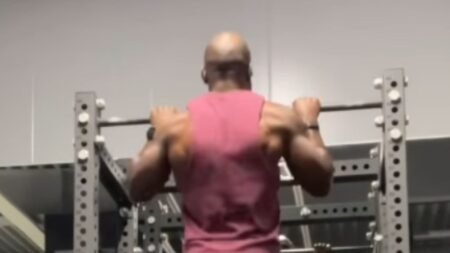
He said he had to take time to figure out who he was outside the system and took on physical challenges. Crews revealed going through David Goggins’ book, Can’t Hurt Me, and challenged himself physically.
“I wasn’t saying that I was gonna run a marathon or anything like that, but I was like, ‘Let me push myself to the physical limit and see if I can find out who I am outside of this place.’ You know, and I just was-I think it’s my way of coping with these emotions or with the release, and it was hard because I had a real life, you know. It wasn’t just me by myself where I could just sit in a room and be depressed or whatever, or let me deal with all these emotions on my own,” he said.
Crews said he had time to do things that he couldn’t do before due to his commitments with the sports entertainment giant. He said while his life had changed, the lives of those around him hadn’t. He mentioned that his wife still needed to go to school and his kid still had a basketball game the next day.
“Their situation hasn’t changed, but yours has, and it’s like, man, sometimes when you want to just kind of curl up into a ball and disappear, I didn’t have that opportunity where it was just like, ‘I have to show my face.’ Like, I got birthday parties and stuff like that. So I have had the chance to step back and really, just enjoy being a dad too and do things,” he added.

Apollo Crews said he saw WWE release coming
During the conversation on INSIGHT, Apollo Crews said he wasn’t taken aback by WWE’s decision to release him.
He even mentioned that he expected it to happen a few days earlier than it actually did. The former WWE US Champion said he was at his son’s basketball practice when he received the call.
When asked how he felt at that time, Crews said that he had thought about this moment over the years and had this picture in mind of what it would feel like. But he said, when it did happen, it was different from what he imagined, and he said he wasn’t “overly emotional” over the news of his release.
If you use quotes from this article, please credit INSIGHT with Chris Van Vliet and give an H/T to Sportskeeda Wrestling for the transcription.
More from Sportskeeda
${getStoryActionHTML(story, storyTitle, permalink)}
`;
if (index == 3 && isOpera) {
storyHTML += `
`;
}
recommendedArticlesContainer.innerHTML += storyHTML;
});
}
}
function getStoryActionHTML(story, storyTitle, permalink) {
if (shouldHidePostActions) return “”;
return `
`;
}
function recommendedArticles() {
var baseUrl = “https://cf-gotham.sportskeeda.com/recommendations/post/news-curl-ball-disappear-39-year-old-star-opens-struggles-wwe-release?lang=en&category=wwe”;
pureJSAjaxGet(baseUrl, function(data) {
renderRecommendedArticles(data);
if (isOpera) {
renderOperaFeedAd();
}
}, function() {}, false);
}
var options = {
root: null,
rootMargin: “0px 0px 70% 0px”,
threshold: 0.1
};
var observer = new IntersectionObserver(function (entries) {
entries.forEach(function (entry) {
if (entry.isIntersecting) {
recommendedArticles();
observer.unobserve(entry.target);
}
});
}, options);
var targetElement;
if (showAlsoReadSection && !showAlsoReadSectionV2) {
targetElement = document.querySelector(‘.also-read-articles-container’);
} else {
targetElement = document.querySelector(‘.recommended-posts’);
}
if (targetElement) {
observer.observe(targetElement);
}
function renderOperaFeedAd() {
var operaFeedArticleAd = $(“.opera-article-feed-ad”);
if (!operaFeedArticleAd) {
return;
}
var firstScript= document.createElement(‘script’);
firstScript.setAttribute(“type”, “text/javascript”);
firstScript.setAttribute(“src”, “https://pagead2.googlesyndication.com/pagead/js/adsbygoogle.js?client=ca-pub-1883810847636355”);
firstScript.setAttribute(“async”, true);
firstScript.setAttribute(“crossorigin”, “anonymous”);
operaFeedArticleAd.appendChild(firstScript);
operaFeedArticleAd.innerHTML += `
`;
var secondScript = document.createElement(‘script’);
var secondScriptCode=””;
try {
secondScript.appendChild(document.createTextNode(secondScriptCode));
operaFeedArticleAd.appendChild(secondScript);
} catch (e) {
console.error(e);
}
}
})();
Fetching more content…


Read the full article here