

Most of the Packers’ ambitions for the 2026 NFL Draft were already tied up in the prodigious talents of Micah Parsons. We’ve known that since they made the uncharacteristically bold move to free the formerly disgruntled pass rusher from the clutches of the Dallas Cowboys.
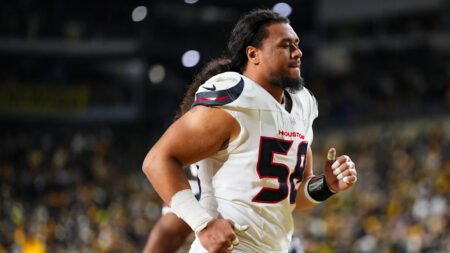
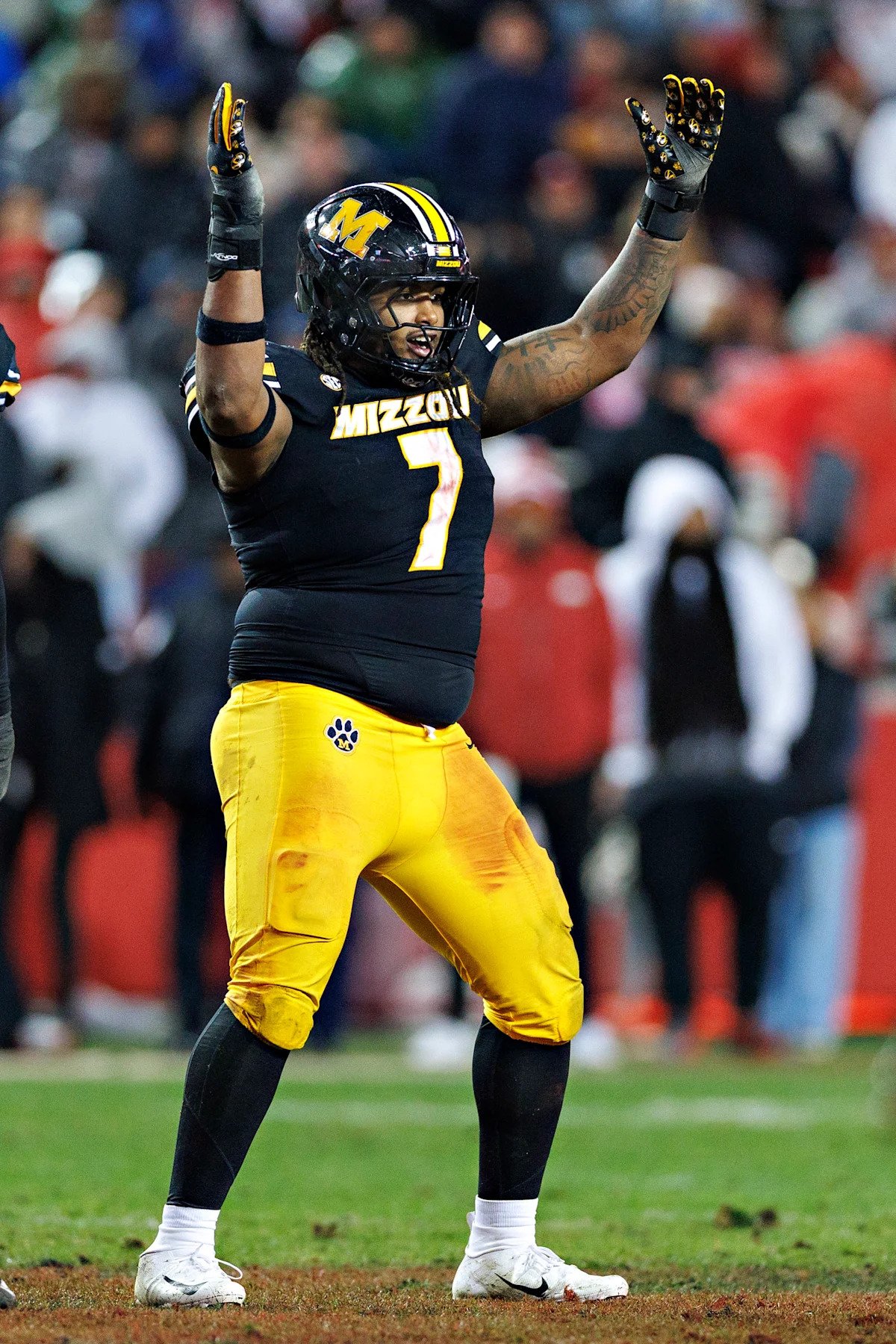
But that’s not to say the Packers had a quiet weekend. Among their six acquisitions in Pittsburgh, their trade up to select Missouri defensive lineman Chris McClellan stands out as particularly bold.
Advertisement
The Packers surrendered two picks to grab McClellan, sending their original third round selection (number 84) along with a fifth round pick (number 160) to the Tampa Bay Buccaneers for the 77th overall pick. That’s by no means a war chest of picks, but spending two picks on one player should always draw your attention given both the actual cost and the opportunity cost involved in missing out on another chance at a player later.
That’s especially true when you’re selecting a player considerably above his consensus position. The ongoing NFL culture war over consensus draft boards is really neither here nor there (because ultimately, who cares? Certainly not NFL front offices, and they shouldn’t), but when a pick deviates strongly from consensus it opens the door to a conversation about why that happened — and that conversation is going to be a key part of the evaluation of McClellan’s career. McClellan was considered a borderline 3rd or 4th round pick, but the Packers seemed convinced he was a hot commodity and couldn’t wait to get their hands on him. That’s fine if he turns out to be good, but it’ll intensify criticism related to consensus opinions if the Packers miss, especially since they essentially doubled down on the pick by trading up.
The Packers also invited quite a bit of comparison in both the selection itself and the way they talked about the move.
Two defensive linemen came off the board shortly after the Packers made their move for McClellan. The first was Texas A&M’s Albert Regis, a good (if undersized) athlete whose playing profile is fairly similar to McClellan — more of a moonlighting nose than a true plugger, but with some schematic versatility. The second was Iowa State’s Domonique Orange, a dyed-in-the-wool nose tackle whom the Packers scouted in person at a private pre-draft workout.
Advertisement
That the Packers chose McClellan over both Regis and Orange speaks for itself, but general manager Brian Gutekunst made it clear he wasn’t thinking about other linemen when he made the move.
“[McClellan] was sticking out there like a sore thumb,” Gutekunst said post-draft. “Like all right, that’s the highest guy and let’s go get him.”
Now, you wouldn’t expect Gutekunst to come out and say much else, but that’s a fairly pointed remark, and again invites comparison. That’s part of the gig as a general manager, and Gutekunst should get all the credit in the world for making a bold move if this one works out. He’s just setting himself up for a lot of extra attention.
None of the Packers’ other draft picks this year really come close to this set of circumstances. Brandon Cisse was the best available player at a position of need, the last member of a tier of cornerbacks before a significant dropoff. Dani Dennis-Sutton was an incredible value in the fourth round. Jager Burton was right in line with consensus projections. The Packers’ other trade up, the move to nab Florida kicker Trey Smack, is broadly similar — multiple picks for one player, inviting comparison by being the only team to take a kicker in the draft (though two teams took punters) — but those similarities are mitigated by the fact that we’re talking about a late day three move.
Advertisement
The McClellan decision stands alone. There’s a lot to like about him as a player, and if he turns out to be as good as the Packers think he is, none of the surrounding questions will matter at all. The iron law of the draft is to get good players, and if he’s good, how he landed in Green Bay is immaterial.
But process is what separates good teams from bad ones, and the Packers’ process on McClellan is an interesting open question. We’ll see over the intervening years whether this bet ended up being right.
Read the full article here