



”
], { type: “text/html” }
);
const iframe = document.createElement(“iframe”);
iframe.src = URL.createObjectURL(blob);
iframe.style.cssText = “width:100%;height:100%;border:0;”;
container.appendChild(iframe);
attachIframeMessageListener(iframe);
}
const observer = new IntersectionObserver((entries, obs) => {
const entry = entries[0];
if (entry.isIntersecting) {
obs.unobserve(entry.target);
requestIdleCallback(() => {
initWidget(entry.target);
}, {
timeout: 200
});
}
}, {
root: null,
rootMargin: “300px 0px”,
threshold: 0.01
});
requestIdleCallback(() => {
$all(“.nl-inline-form-container”).forEach((c) => {
observer.observe(c);
});
});
})();
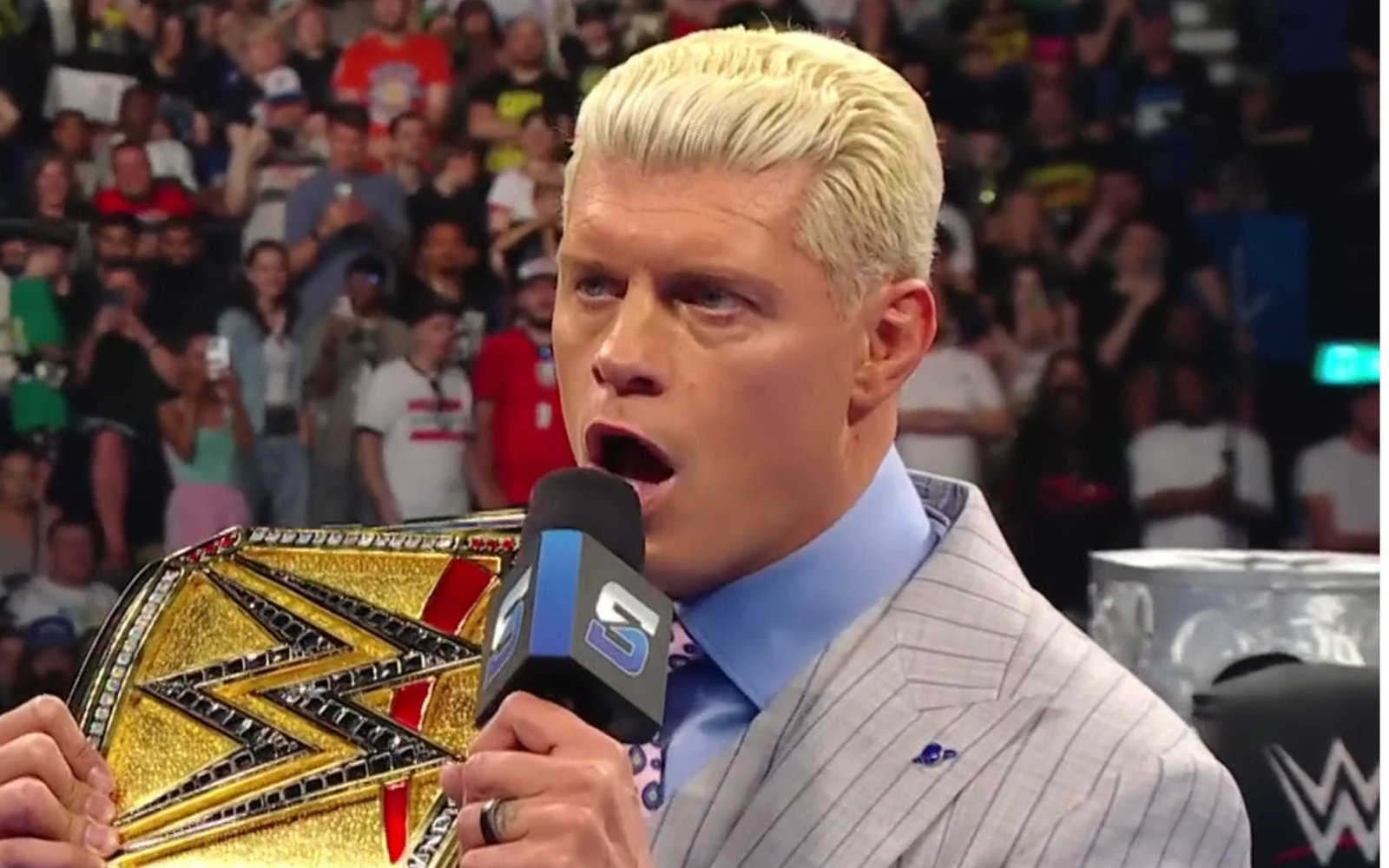
Cody Rhodes will undoubtedly be a huge part of that, but despite previously getting positive reactions in Saudi Arabia, the crowd in Riyadh booed him in the opening moments of Night of Champions as he made his way to the arena.
The Saudi crowd is generally more positive towards top-tier babyface stars, but the reaction towards Cody is certainly interesting. There have been a few problems with Cody’s run at the top, but it seems representative of the issues with the WWE product at large.
So other than just a good storyline, Cody, and by association, other WWE stars, need compelling character arcs. The simple, back-and-forth between The American Nightmare and Sami Zayn seem to be something that resonates with the crowd.
Either way, Cody Rhodes is still a big player for WWE and will be so for years to come. Whether it leads to a heel turn at some point is yet to be seen, but time will reveal all as his run continues.
`;
if (index == 3 && isOpera) {
storyHTML += `
`;
}
recommendedArticlesContainer.innerHTML += storyHTML;
});
}
}
function getStoryActionHTML(story, storyTitle, permalink) {
if (shouldHidePostActions) return “”;
return `
`;
}
function recommendedArticles() {
var baseUrl = “https://cf-gotham.sportskeeda.com/recommendations/post/news-surprising-wwe-fan-reaction-cody-rhodes-enters?lang=en&category=wwe”;
pureJSAjaxGet(baseUrl, function(data) {
renderRecommendedArticles(data);
if (isOpera) {
renderOperaFeedAd();
}
}, function() {}, false);
}
var options = {
root: null,
rootMargin: “0px 0px 70% 0px”,
threshold: 0.1
};
var observer = new IntersectionObserver(function (entries) {
entries.forEach(function (entry) {
if (entry.isIntersecting) {
recommendedArticles();
observer.unobserve(entry.target);
}
});
}, options);
var targetElement;
if (showAlsoReadSection && !showAlsoReadSectionV2) {
targetElement = document.querySelector(‘.also-read-articles-container’);
} else {
targetElement = document.querySelector(‘.recommended-posts’);
}
if (targetElement) {
observer.observe(targetElement);
}
function renderOperaFeedAd() {
var operaFeedArticleAd = $(“.opera-article-feed-ad”);
if (!operaFeedArticleAd) {
return;
}
var firstScript= document.createElement(‘script’);
firstScript.setAttribute(“type”, “text/javascript”);
firstScript.setAttribute(“src”, “https://pagead2.googlesyndication.com/pagead/js/adsbygoogle.js?client=ca-pub-1883810847636355”);
firstScript.setAttribute(“async”, true);
firstScript.setAttribute(“crossorigin”, “anonymous”);
operaFeedArticleAd.appendChild(firstScript);
operaFeedArticleAd.innerHTML += `
`;
var secondScript = document.createElement(‘script’);
var secondScriptCode=””;
try {
secondScript.appendChild(document.createTextNode(secondScriptCode));
operaFeedArticleAd.appendChild(secondScript);
} catch (e) {
console.error(e);
}
}
})();
Fetching more content…

Read the full article here