


- The R-Space Lab gets a passenger seat that slides back to the second row.
- The front and curtain airbags are built into the seat.
- It has three identical individual rear seats.
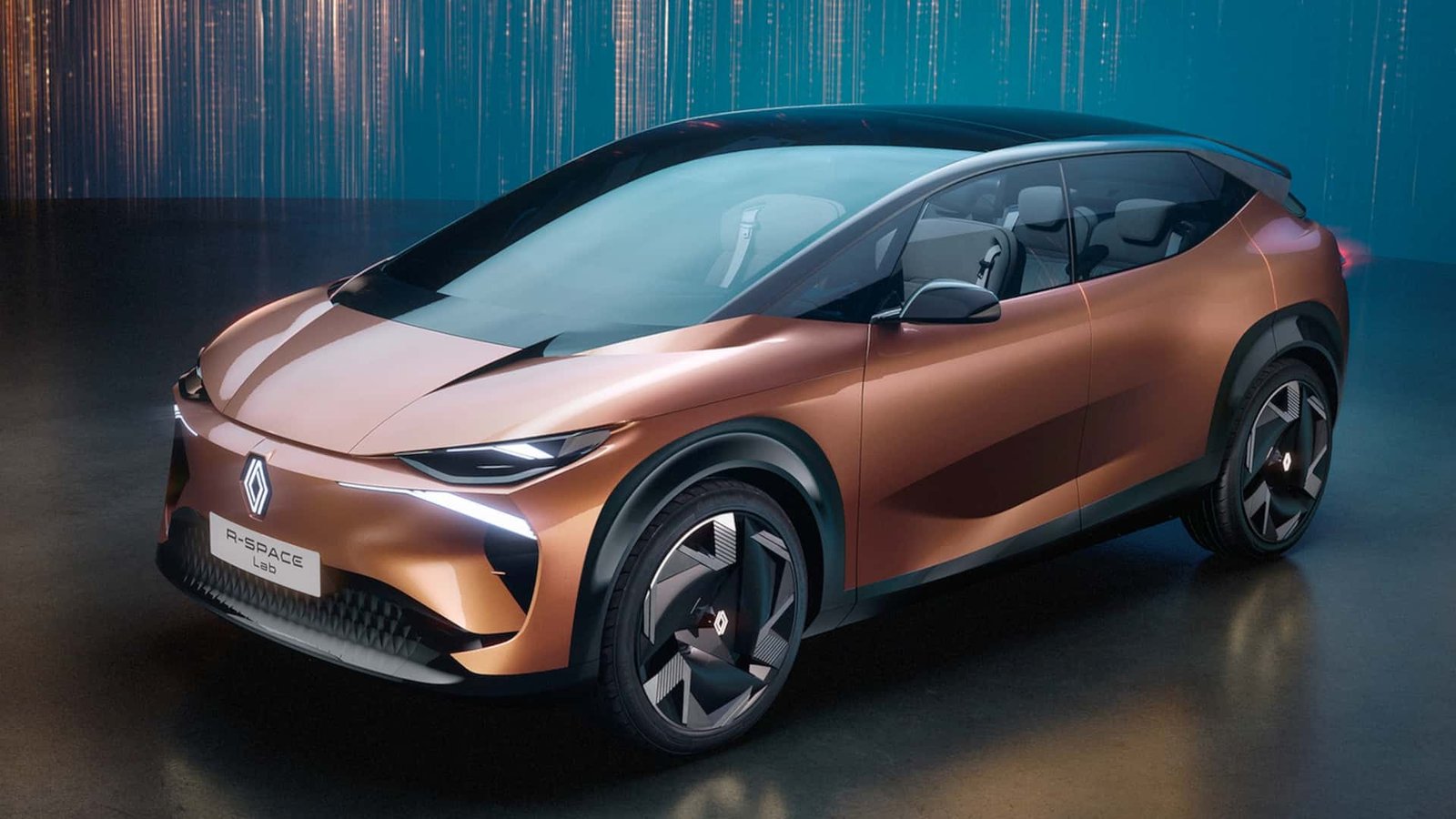
The Renault R-Space Lab is a concept vehicle that the automaker is using to explore new approaches to interior design and how a vehicle can be used. The project was developed within the company’s internal innovation platform, Garage Futurama, which looks at vehicle concepts for the period starting around 2030.
At first glance, you might be tempted to call it a new Megane or even the rebirth of the Espace minivan. According to the manufacturer, however, the model is not directly tied to any planned production vehicle. Instead, it’s meant to illustrate core ideas of Renault’s “voitures à vivre” philosophy—vehicles designed around everyday user needs—in a possible future form.
The interior focuses on a heavily digitized cockpit layout. A curved OpenR Panorama display stretches across the full width of the dashboard, combining driving information, multimedia functions, and prompts from driver-assistance systems. Most controls are handled via a central touchscreen.
Photo by: Renault Communication
The concept is complemented by a compact steering wheel with steer-by-wire technology, eliminating a mechanical connection to the steering system. Renault is also evaluating additional safety features, including a tactile alcohol tester aimed at younger drivers. The company is also testing artificial intelligence applications, such as support for a digital safety assistant or personalized adjustment of vehicle functions.
The cabin is designed around flexibility. The vehicle uses a compact one-box layout measuring about 4.5 meters (14.8 feet) long and roughly 1.5 meters (4.9 feet) tall. By integrating the passenger-side airbags into the seat, the dashboard remains free of additional components. That creates space for a configurable glovebox that can serve as storage or fold out as a shelf. The front passenger seat can slide far back to make it easier to communicate with rear passengers.

Photo by: Renault
In back, there are three individual seats of equal width. The seatbacks can fold down, while the seat cushions can flip up. Combined with the flat floor, this creates a cabin that can be reconfigured for different needs. Depending on the layout, additional cargo space can be created—for example, for a bicycle—or room for larger items in the rear seating area. The rear doors open to 90 degrees to make entry and exit easier.
Large areas of glass define the sense of space. The windshield flows into a fully glazed roof. Slim body pillars and frameless doors are intended to open up the cabin and let in more daylight. With this concept, Renault is examining how spatial design, usability, and digital features can be combined in future vehicle concepts.
18
Source: Renault
Motor1’s Take: Renault is the latest to embrace the all-screen dashboard and a yoke-like steering wheel. Whether that’s actually the future remains to be seen, but we do hope the interior’s minivan-like modularity will carry over to production models.
The styling is a departure from Renault’s recent retro vibes seen on the Twingo, 4, and 5. It could be a sign that, should the Espace return one day, it’ll look to the future rather than the past. A new people mover as daring as the Avantime might put more people back in minivans again.
Read the full article here