

], { type: “text/html” }
);
const iframe = document.createElement(“iframe”);
iframe.src = URL.createObjectURL(blob);
iframe.style.cssText = “width:100%;height:100%;border:0;”;
container.appendChild(iframe);
attachIframeMessageListener(iframe);
}
const observer = new IntersectionObserver((entries, obs) => {
const entry = entries[0];
if (entry.isIntersecting) {
obs.unobserve(entry.target);
requestIdleCallback(() => {
initWidget(entry.target);
}, {
timeout: 200
});
}
}, {
root: null,
rootMargin: “300px 0px”,
threshold: 0.01
});
requestIdleCallback(() => {
$all(“.nl-inline-form-container”).forEach((c) => {
observer.observe(c);
});
});
})();

Cena was a heel this time, and D-X had a whole new cast of characters to feud with once Shawn Michaels was healthy. WWE has always kept the Bloodline members close by, as they’ve been in each of the last two WarGames matches.

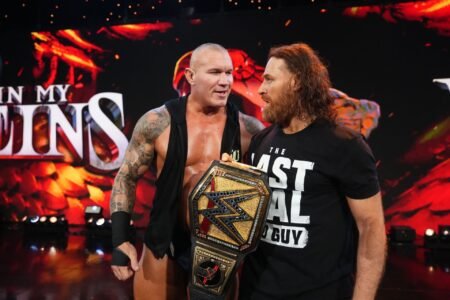
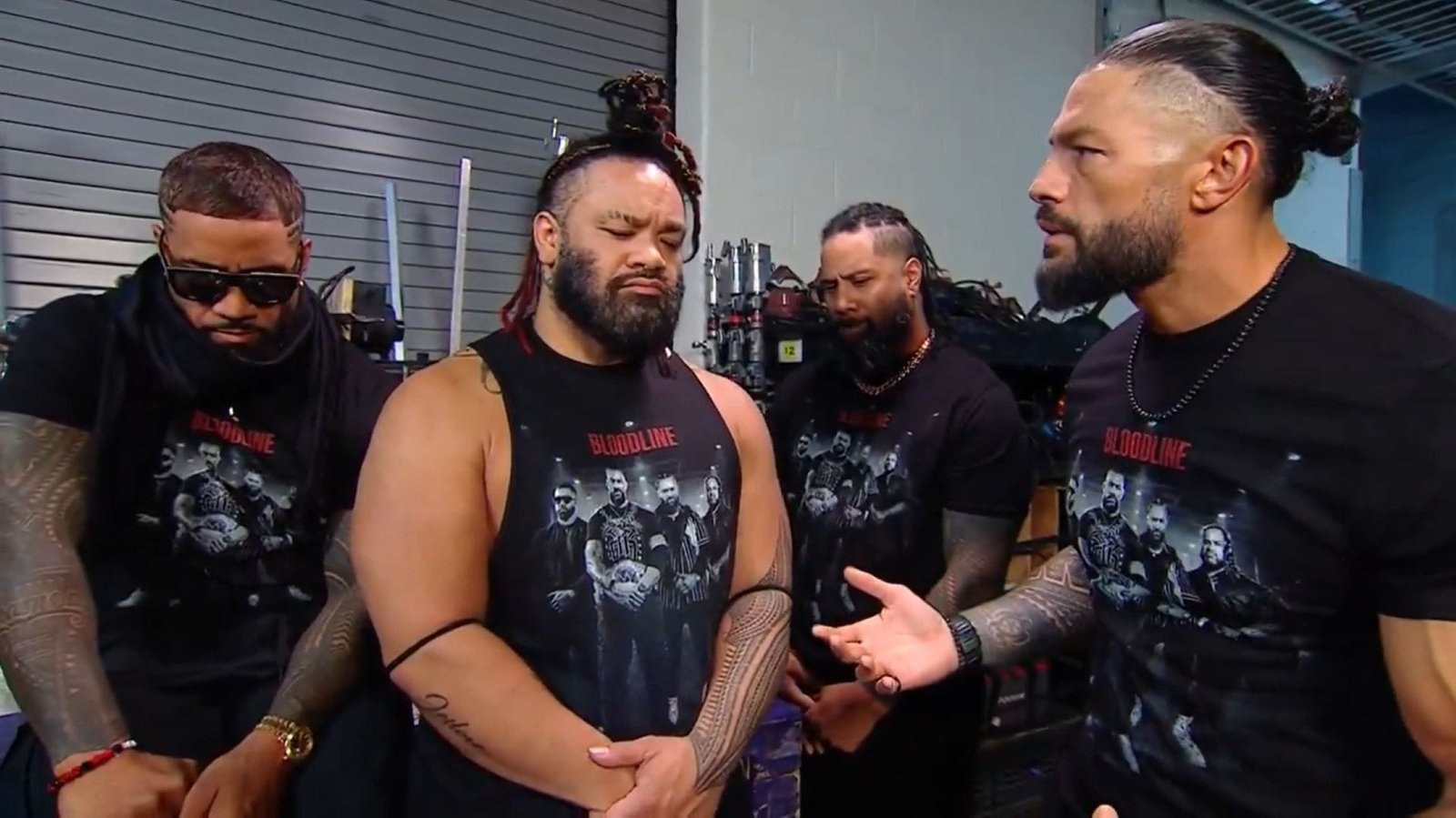
The group joined back up on the Road to WrestleMania 42. Some love it no matter what while others want something new. The next four signs show that the Bloodline angle isn’t working, while two others suggest it is.


#6. The Bloodline took up time on both brands

When members are kicked out of a group, they often switch brands for a refresh. Rhea Ripley and Damian Priest eventually moved to SmackDown after the Judgment Day feud ended.

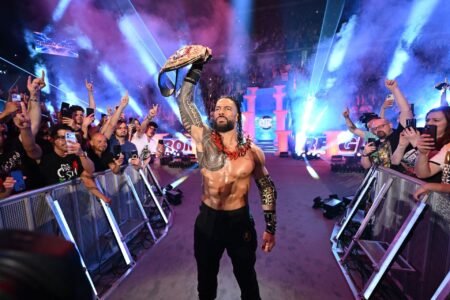
Solo Sikoa and Jimmy Uso stayed on the blue brand while Jey Uso, and eventually Reigns, moved to RAW. When it was evident that The Tribal Chief was getting another title opportunity, the group reformed and started going to SmackDown.

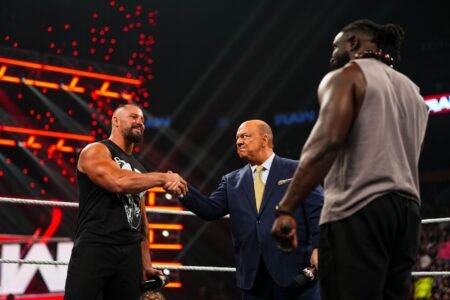
Roman wanted Solo Sikoa back under his command, and he refused. Jacob Fatu was also on SmackDown, but moved to RAW to challenge Reigns after winning the World Heavyweight Title at WrestleMania.

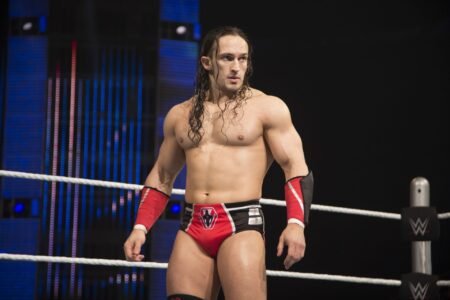
Instead of having competitive matches or consistently featuring midcard stars like Carmelo Hayes, Shinsuke Nakamura, Rey Fenix, or Ilja Dragunov, the Usos would have multiple segments.

Getting more screen time during SmackDown would help those WWE names get over more and get into meaningful angles. With the Usos taking up screen time, it wasn’t possible.


#5. Exposing the hypocrisy on WWE Unreal

WWE may hype the Unreal show as great for getting a peek into some of the biggest moments of a given year, and to a degree, it does. But what the show also does is expose the decision-making process backstage.

It’s on that show that fans got to hear Michael Hayes, who’s been in creative for years, say that Chelsea Green wasn’t worth putting in the main event like Tiffany Stratton or Charlotte Flair. She had her role, and that was her ceiling.

The fans would claim otherwise. In the recent season, Triple H said that they turned away from Bron Breakker winning the Royal Rumble because they didn’t want to shove him down fans’ throats.

The problem was that he only had one title shot in his pocket at that time. Jey Uso, who won in 2025, had several that year alone.

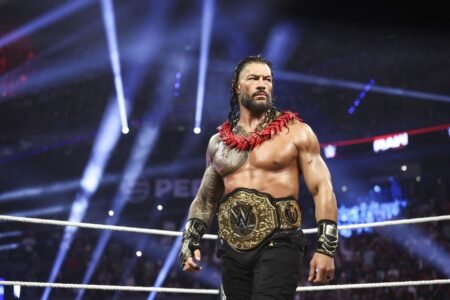
If that wasn’t bad enough, the leader of the Bloodline, Roman Reigns, won the match instead. If there’s someone who represents the notions of being constantly shoved in fans’ faces, it’s Reigns.


#4. Casual WWE fans are still invested

The WWE Universe is full of several subsections. There are older fans, younger ones, hardcore fans, casual fans, and those who only consider WWE professional wrestling.

The casual fans usually cheer for anything put in front of them. Live crowds are full of hardcore fans as well, but with an online community, everyone has an opinion. Some are valid while others are trolling.

As long as they’re being entertained, some fans won’t care if storylines make sense or have logical reasoning with decisions. These are the fans WWE caters to, so as long as they are happy, so is the juggernaut.


#3. Fans still cheering for a blatantly heel faction

The sign of a great heel faction is getting the fans to boo even if members are popular. The Vision is getting this treatment currently, mainly because they hate Austin Theory.

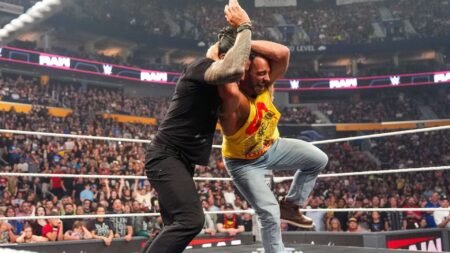
The Bloodline acts like heels, but aren’t treated as such by a large portion of fans. The Usos and Fatu have routinely attacked stars like LA Knight and Royce Keys 3-on-1.

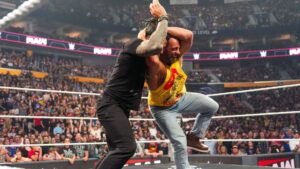
That’s not something good guys do. There’s also the fact that Jacob Fatu brutalizes people who are trying to stand up for him. Fans still cheered his recent assault of Keys on RAW.


#2. It’s helping get Solo Sikoa over as a face

For the majority of his main-roster career, Solo Sikoa was either the silent muscle or a renegade leader of a faction. Once that faction broke up, he was forced to stand alone against his overbearing family.

He did team with Keys and Knight, but mainly against a common enemy in the Bloodline. It’s been his defiance and refusing to spew the family mission statement that’s endeared him to fans.

He’s also shown more personality, which he wasn’t able to do as a villain. Turning face may get him over, unless the next point stalls even that.


#1. It’s not worth doing without significant changes

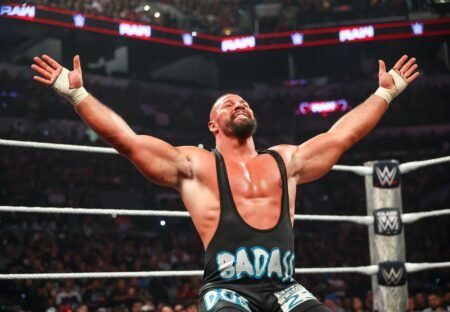
The only real big change this time around is that Jacob Fatu fills the role of Jey Uso and Sikoa by falling to Reigns in Tribal Combat. Had he defeated Reigns, it would have warranted going back to the well.

Fans would get to see how Reigns would respond to someone else in his position, especially under the rules of the family. Instead, Fatu fell like so many others, proving that WWE will bury anyone at Roman’s feet.

If that isn’t bad enough, the Usos still do his errands just like before. They say it’s family, but it looks a lot like psychological manipulation. Had there been significant changes to upend the status quo, then relying heavily on it would be easier to digest for some fans.

Why did you not like this content?


`;
if (index == 3 && isOpera) {
storyHTML += `

`;
}
recommendedArticlesContainer.innerHTML += storyHTML;
});
}
}
function getStoryActionHTML(story, storyTitle, permalink) {
if (shouldHidePostActions) return “”;
return `

`;
}
function recommendedArticles() {
var baseUrl = “https://cf-gotham.sportskeeda.com/recommendations/post/4-signs-wwe-going-back-bloodline-saga-working-2-signs?lang=en&category=wwe”;
pureJSAjaxGet(baseUrl, function(data) {
renderRecommendedArticles(data);
if (isOpera) {
renderOperaFeedAd();
}
}, function() {}, false);
}
var options = {
root: null,
rootMargin: “0px 0px 70% 0px”,
threshold: 0.1
};
var observer = new IntersectionObserver(function (entries) {
entries.forEach(function (entry) {
if (entry.isIntersecting) {
recommendedArticles();
observer.unobserve(entry.target);
}
});
}, options);
var targetElement;
if (showAlsoReadSection && !showAlsoReadSectionV2) {
targetElement = document.querySelector(‘.also-read-articles-container’);
} else {
targetElement = document.querySelector(‘.recommended-posts’);
}
if (targetElement) {
observer.observe(targetElement);
}
function renderOperaFeedAd() {
var operaFeedArticleAd = $(“.opera-article-feed-ad”);
if (!operaFeedArticleAd) {
return;
}
var firstScript= document.createElement(‘script’);
firstScript.setAttribute(“type”, “text/javascript”);
firstScript.setAttribute(“src”, “https://pagead2.googlesyndication.com/pagead/js/adsbygoogle.js?client=ca-pub-1883810847636355”);
firstScript.setAttribute(“async”, true);
firstScript.setAttribute(“crossorigin”, “anonymous”);
operaFeedArticleAd.appendChild(firstScript);
operaFeedArticleAd.innerHTML += `

`;
var secondScript = document.createElement(‘script’);
var secondScriptCode=””;
try {
secondScript.appendChild(document.createTextNode(secondScriptCode));
operaFeedArticleAd.appendChild(secondScript);
} catch (e) {
console.error(e);
}
}
})();

Fetching more content…


Read the full article here

Leave A Reply

Exit mobile version