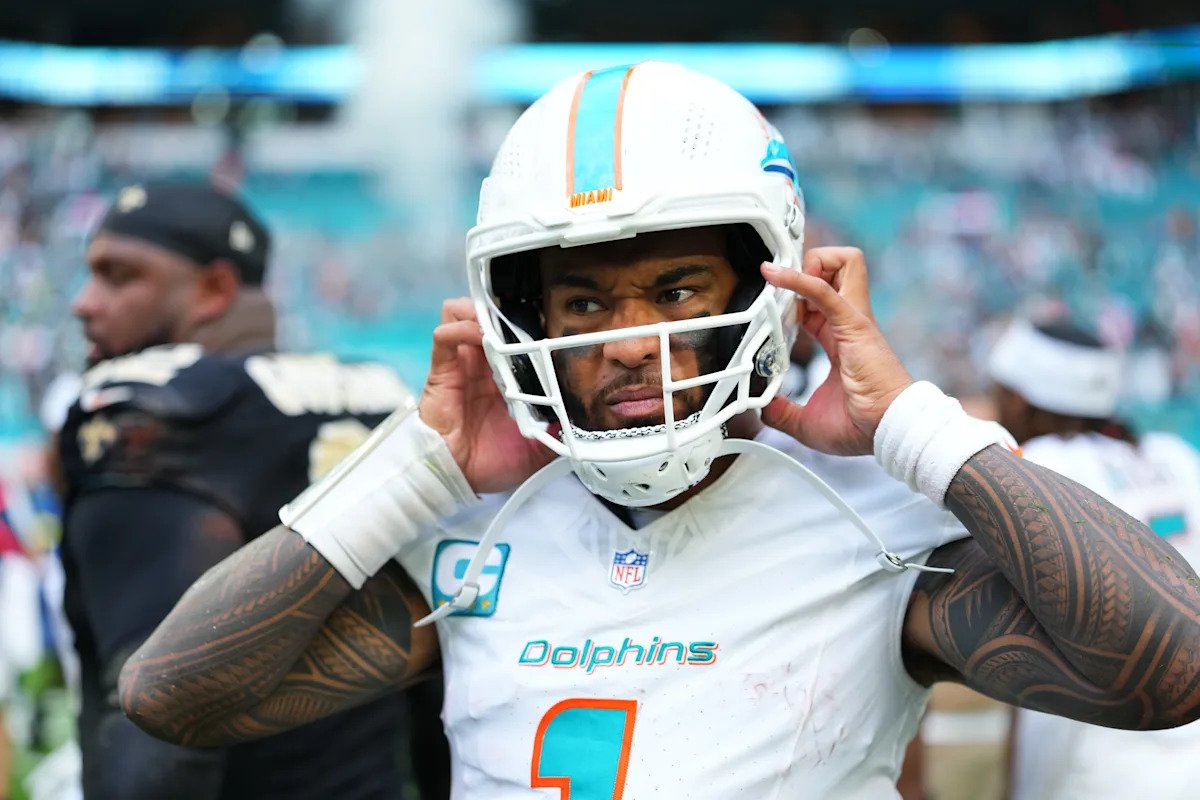
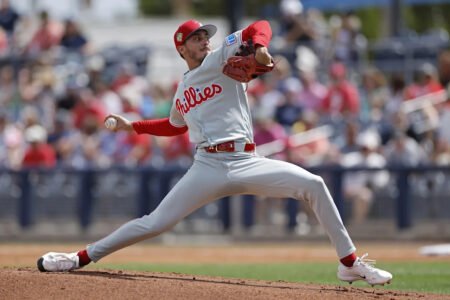
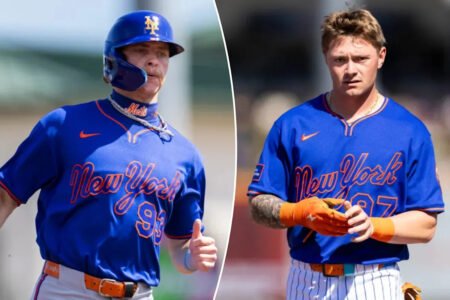
The headlines fairly leap off the pages, suggesting calamity will be visited upon what was once a storied NFL franchise.
Dolphins to release Tua Tagovailoa, take on record dead-cap hit…Dolphins to eat record $99.2 million dead money…
Advertisement
To the untrained eye, it’s tempting to send thoughts and prayers out to the Miami Dolphins and their owner, Stephen Ross. Hey, leaving a briefcase open with $100 million in it as you tool around in your convertible is a bummer, regardless of how much cash you’ve stashed offshore.
Funny thing is, though, that this “loss” will do nothing to imperil the Dolphins’ potential franchise value of $12 billion, nor Ross’s net worth of $17 billion.
See, the Dolphins won’t be paying Tagovailoa all that money. Just $167 million of his four-year, $212.4 million deal signed before the 2024 season was guaranteed. That means they’ll have paid him – in physical, depositable money – $55.6 million for the three years he quarterbacked the Dolphins.
Strange as it sounds, that’s more or less the going rate for marquee quarterbacks these days. (The debate over Tua’s bona fides in that department are for another day, or a better-qualified human).
Advertisement
No, the calamity for the Dolphins is over the “dead cap space” that Tagovailoa’s contract consumes. And as Major League Baseball and its fans ruminate over, for the umpteenth time, a salary cap in forthcoming collective bargaining talks, it’s worth examining what “dead money” means to both the football and baseball fan, in addition to the athletes in the arena.
Dollar, dollar bills
Baseball knows of dead money. It can be a real bummer, the bill coming due for dynasties long since passed, or players who break down before their time.
The difference is, MLB owners still must write the checks – and the athletes who earned them will be entitled to it.
Advertisement
Nick Castellanos’ five-year, $100 million deal with the Phillies pays him $20 million this year. Know how much he’ll receive? Twenty million dollars, with Philly footing all that bill minus the minimum wage San Diego will pay to scoop him up.
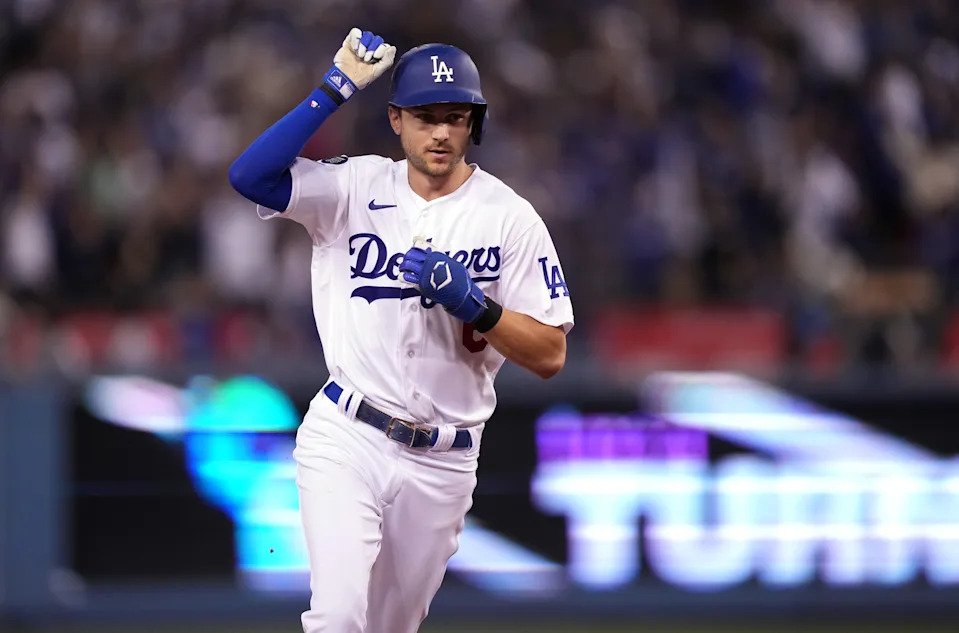
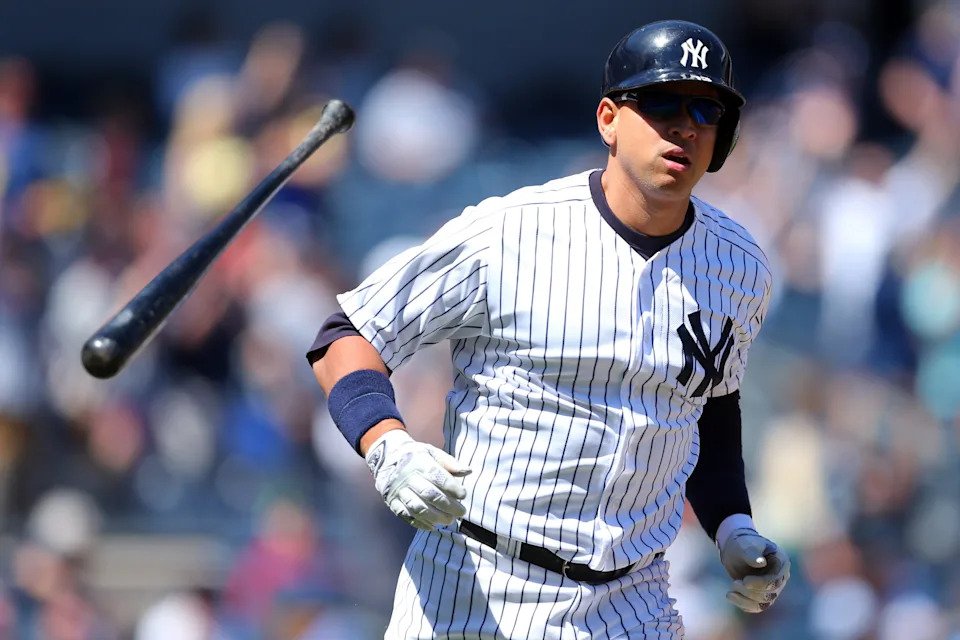
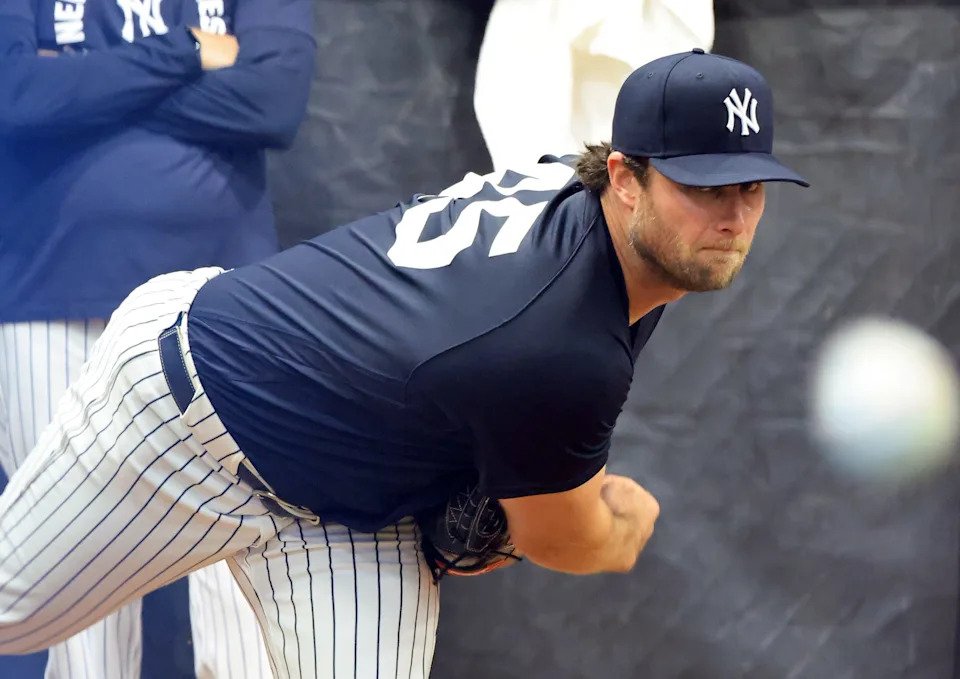
DJ LeMahieu won’t play an inning for the Yankees this year; they released him knowing he’ll earn $15 million in 2026, the last of his six-year, $90 million deal. And Hal Steinbrenner will scratch every check to make LeMahieu whole, money LeMahieu earned when he finished third in the 2020 AL MVP race, establishing his market value.
Somehow, the Yankees and Phillies will field competitive teams this year.
1 / 39
MLB’s $200+ million contracts
$765,000,000: Juan Soto, New York Mets (2025-39)
1 / 39
MLB’s $200+ million contracts
$765,000,000: Juan Soto, New York Mets (2025-39)
2 / 39
MLB’s $200+ million contracts
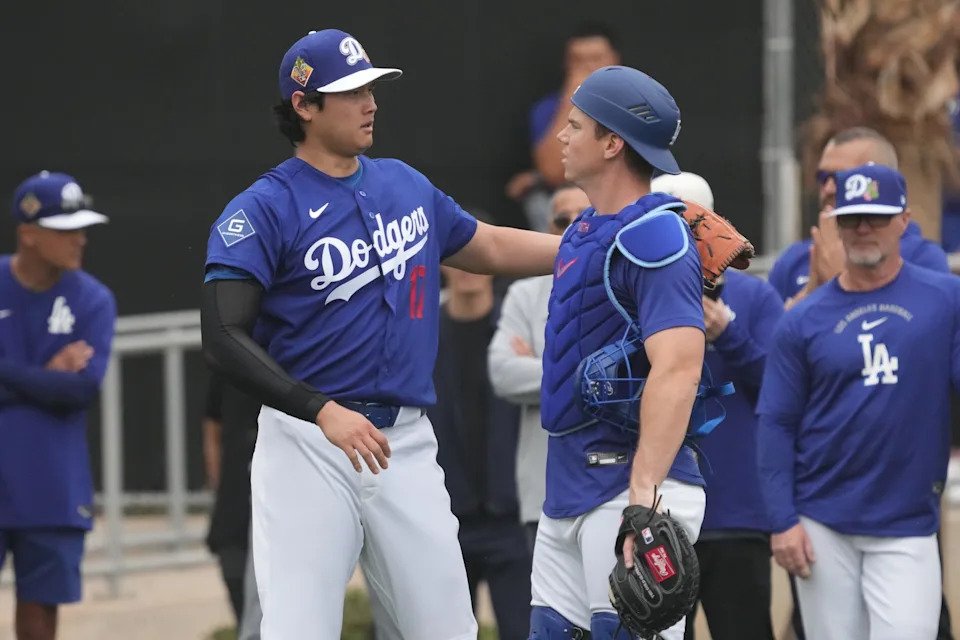
$700,000,000: Shohei Ohtani, Los Angeles Dodgers (2024-33)
3 / 39
MLB’s $200+ million contracts
$500,000,000: Vladimir Guerrero, Jr., Toronto Blue Jays (2026-39)
4 / 39
MLB’s $200+ million contracts
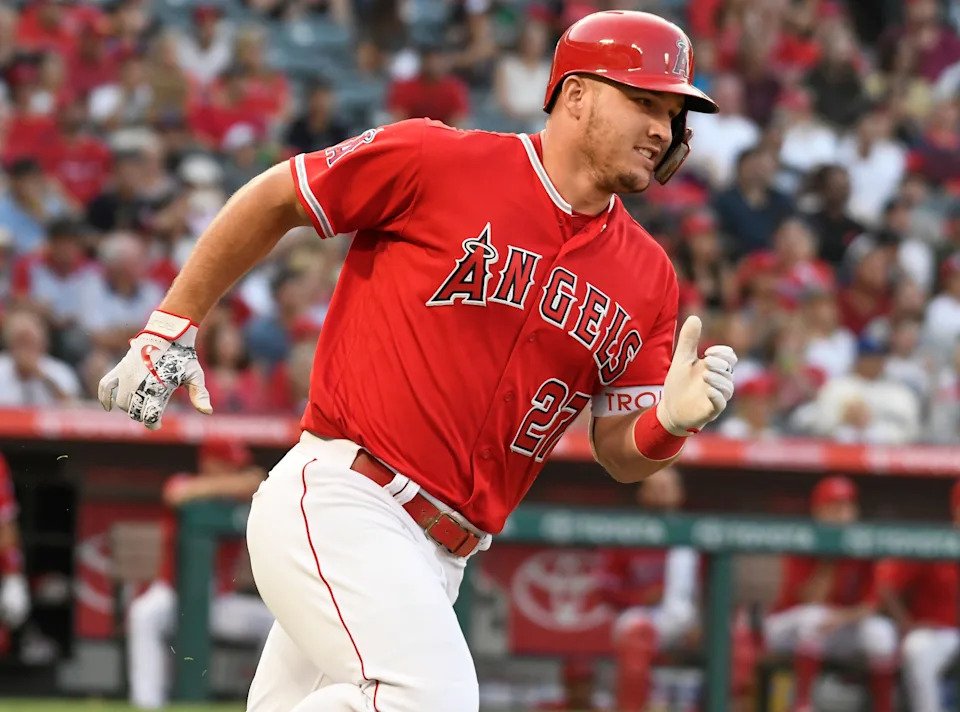
$426.5 million: Mike Trout, Los Angeles Angels (2019-2030)* includes extension
5 / 39
MLB’s $200+ million contracts
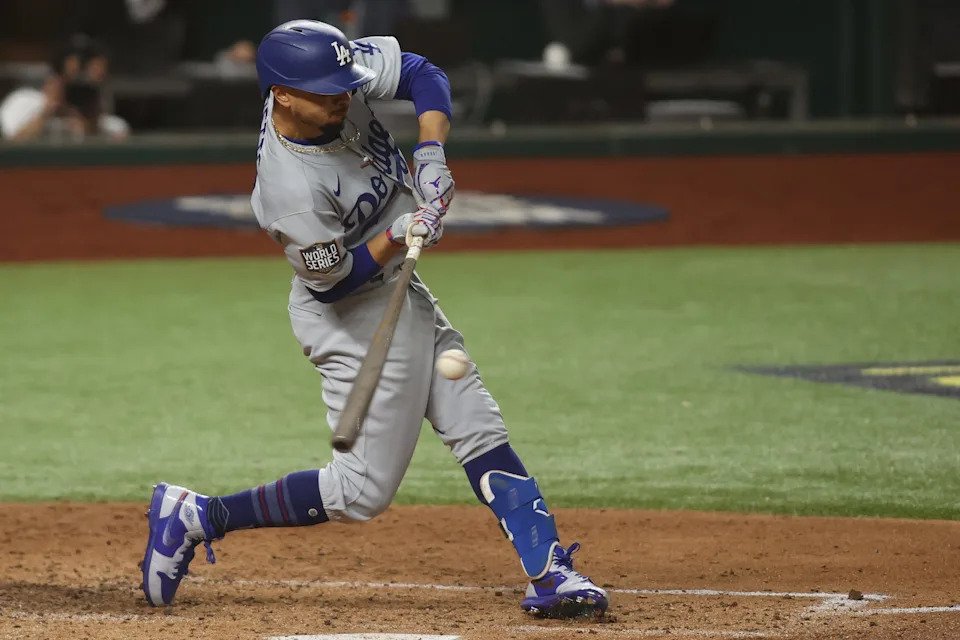
$365 million: Mookie Betts, Los Angeles Dodgers (2020-32)
6 / 39
MLB’s $200+ million contracts
$360 million: Aaron Judge, New York Yankees (2023-2031)
7 / 39
MLB’s $200+ million contracts
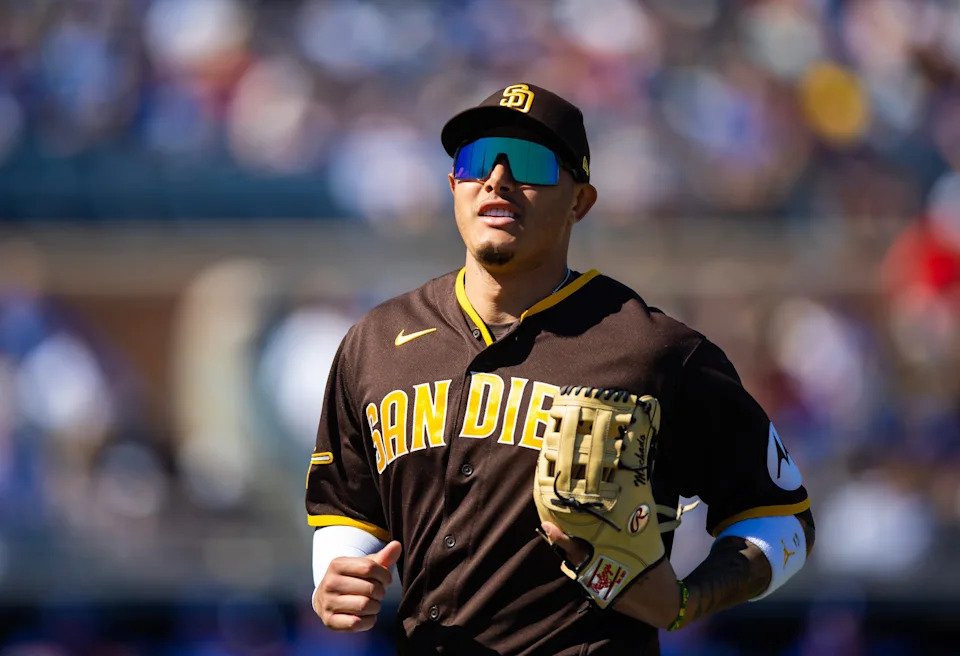
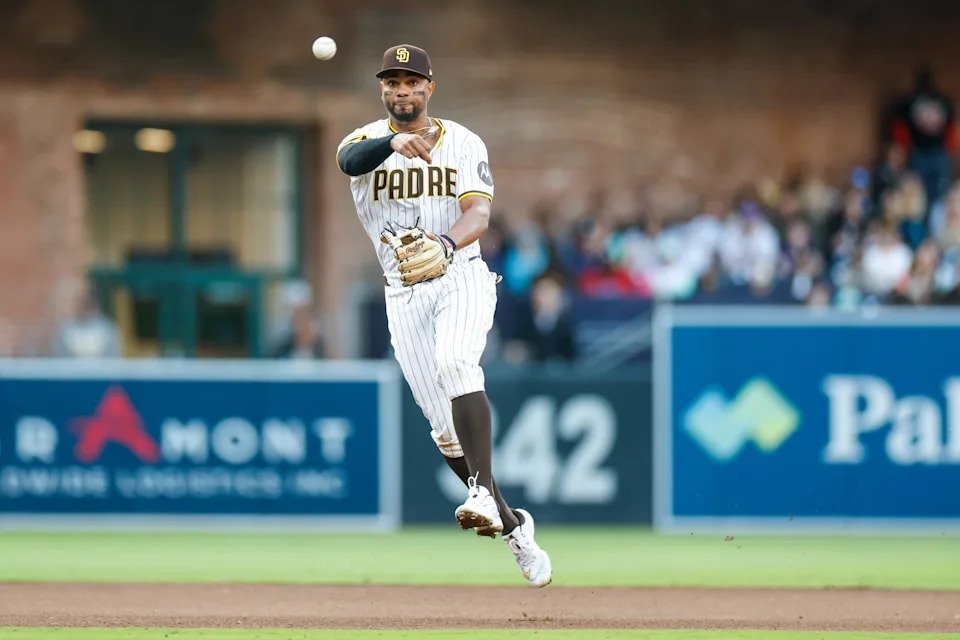
$350 million: Manny Machado, San Diego Padres (2023-33)
8 / 39
MLB’s $200+ million contracts
$341 million: Francisco Lindor, New York Mets (2022-31)
9 / 39
MLB’s $200+ million contracts
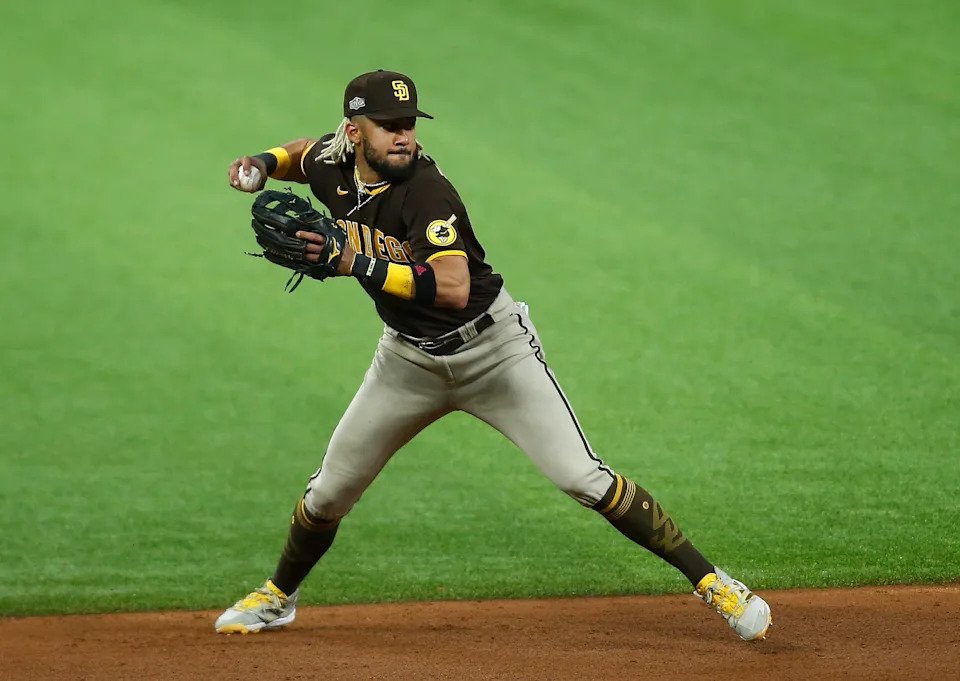
$340 million: Fernando Tatis Jr., San Diego Padres (2021-34)
10 / 39
MLB’s $200+ million contracts
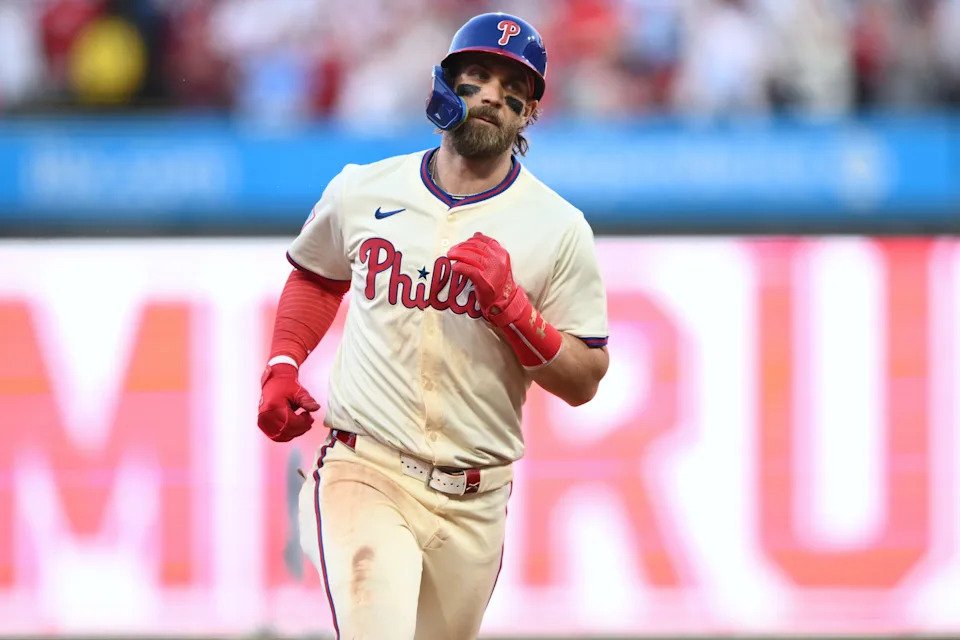
$330,000,000: Bryce Harper, Philadelphia Phillies (2019-31)
11 / 39
MLB’s $200+ million contracts
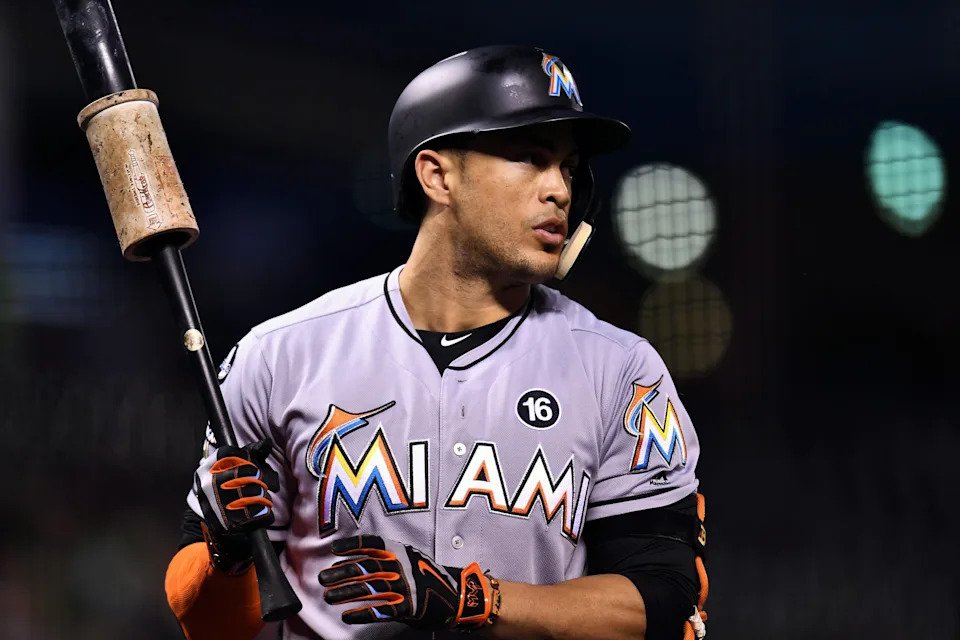
$325 million: Giancarlo Stanton, Miami Marlins (2015-2027) – traded to New York Yankees in 2017
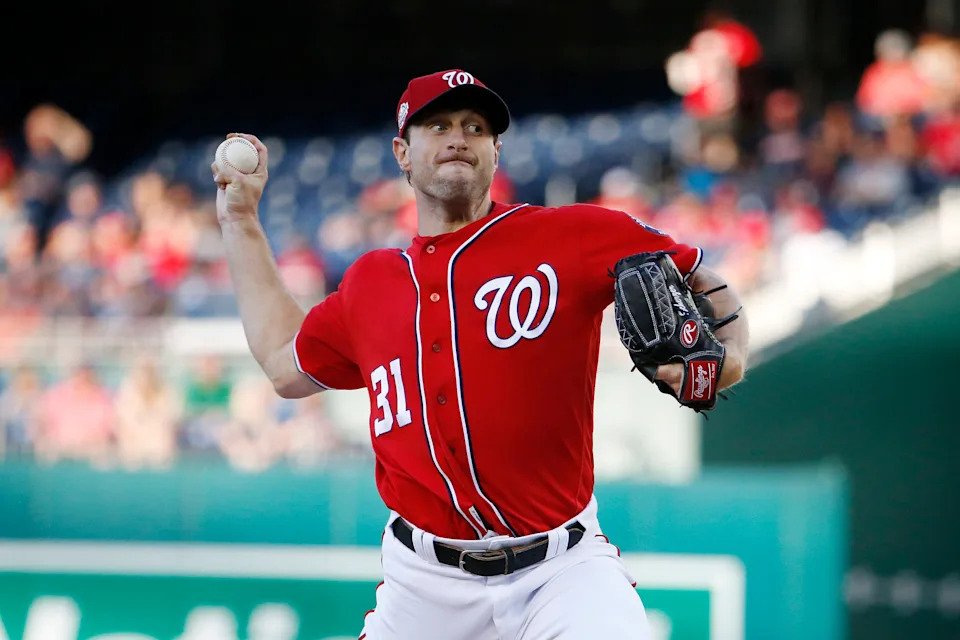
$210 million: Max Scherzer, Washington Nationals (2015-2021)
36 / 39
MLB’s $200+ million contracts
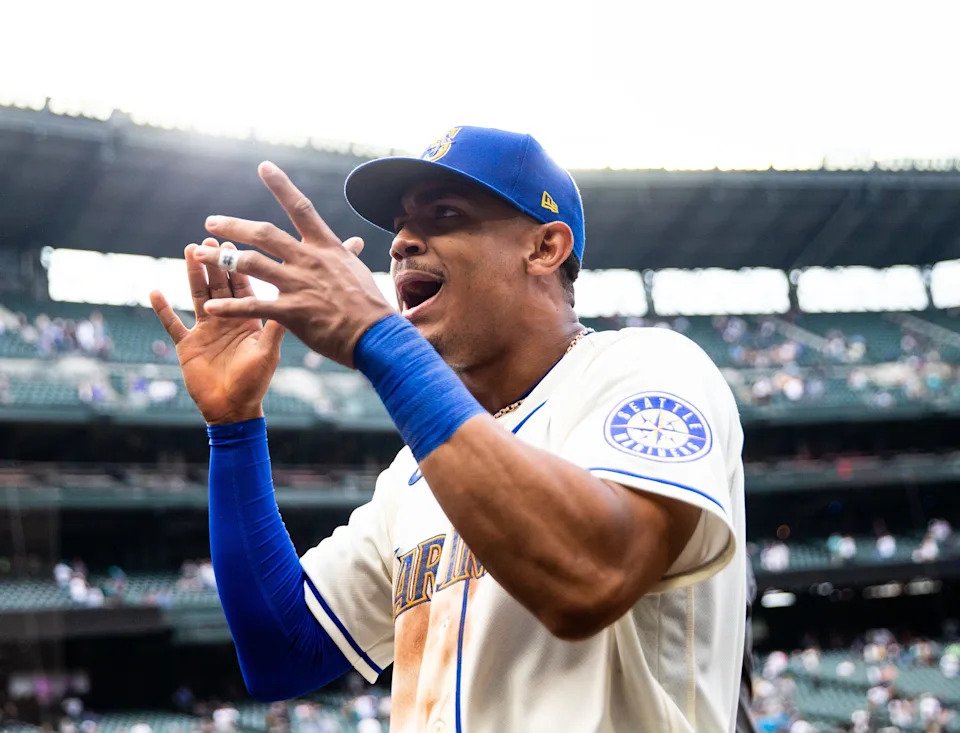
$209.3 million: Julio Rodriguez, Seattle Mariners (2023-34)
37 / 39
MLB’s $200+ million contracts
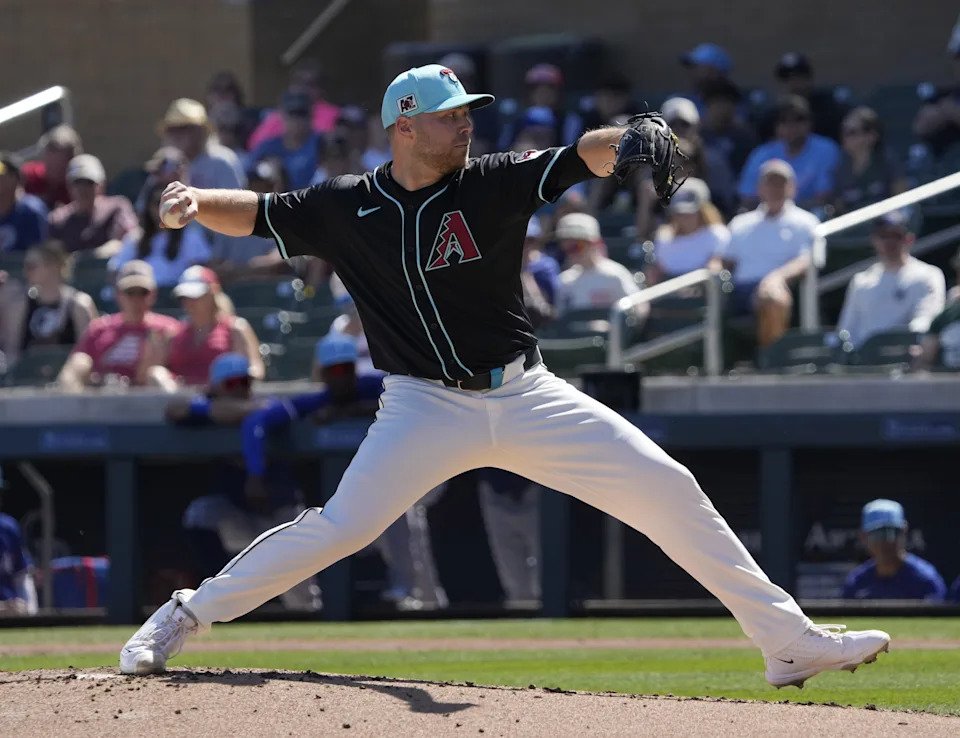
$206.5 million: Zack Greinke, Arizona Diamondbacks (2016-2021) – traded to Houston Astros in 2019
38 / 39
MLB’s $200+ million contracts
$202,000,000: CC Sabathia, New York Yankees (2009-17)
39 / 39
MLB’s $200+ million contracts
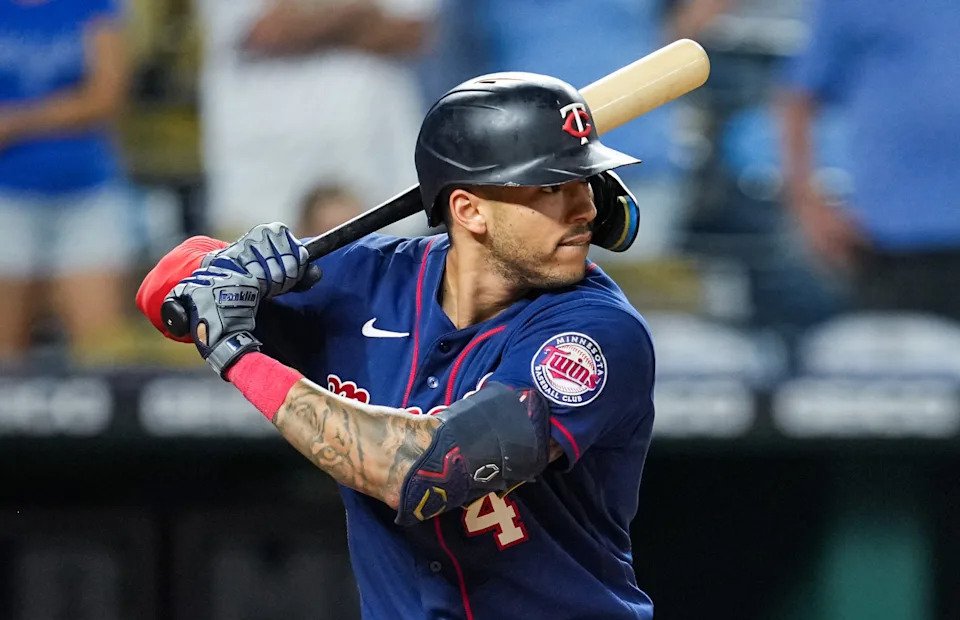
$200 million: Carlos Correa, Minnesota Twins (2023-28) – traded to Houston Astros in 2025
As for the Dolphins? Well, not only do they not have to pay Tagovailoa, they also get, in a sense, a golden ticket to be non-competitive in the foreseeable future. Not to get too far in the weeds, but they can, in fact, spread out the “dead cap hit” over two seasons.
Advertisement
Yet that much “dead space” under a $300 million cap while fielding a 53-man roster is undeniably onerous. And gives Miami a built-in excuse when it misses the playoffs for the eighth time in the past 10 seasons.
The owners win on both sides of the equation – they only have to pay so much guaranteed money to retain their marquee players. And if a deal goes awry, well, they simply don’t have the “cap space” to pay other players to make their team better, thus depressing those players’ markets.
Additionally, Ross will only shoulder so much of the blame if the Dolphins continue to suck. Hey, blame Tua! Greedy athlete, putting his livelihood on the line and expecting to be paid for it.
MLB teams walk the line
This is the reality MLB’s franchise, players and fans might face in a capped world. As we’ve come to find out the past half-century, free agency generates tremendous interest in the game.
Advertisement
Nothing fires up a fan base quite so much as a franchise swinging for the fences, willing to dip into its profits to make the team better. And when the franchise is on an upswing, having the ability to splurge a bit more – on a key reliever, an extra starting pitcher, a bit of platoon depth – is all the more important.
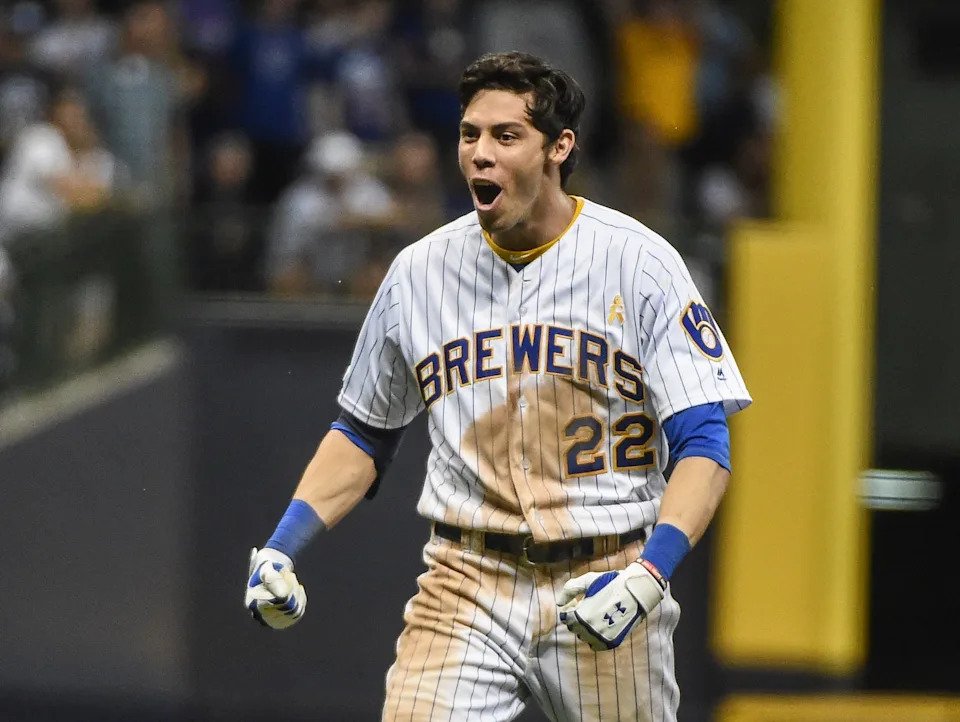
All the discourse about a cap has essentially zeroed in on one team – the Los Angeles Dodgers, who draft well, play within the rules and field exciting ballclubs. They win, and 4 million people saw fit to come through the turnstiles last year.
The New York Mets have caught some of that heat as well, yet they have been wise enough to not win too much. Good boy, Steve Cohen.
Yet there’s a much larger swath of big-league clubs for which freedom is important. And by freedom we mean, the ability to duck above or below baseball’s luxury tax levels – yes, a plateau that also forces owners to fork over money – as they see fit.
Advertisement
During the past decade, here’s a look at the teams that have gone above and below the tax level:
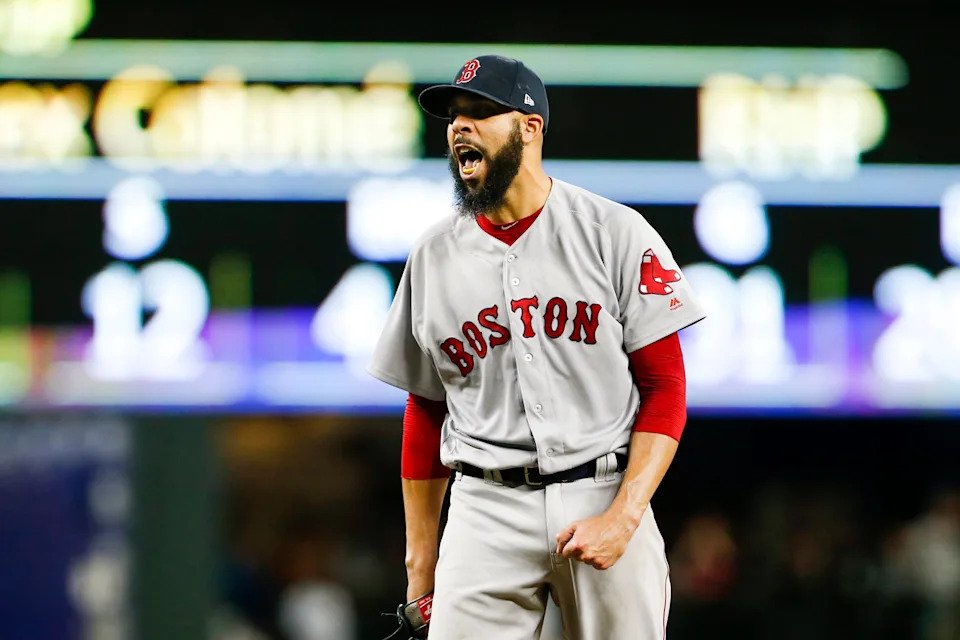
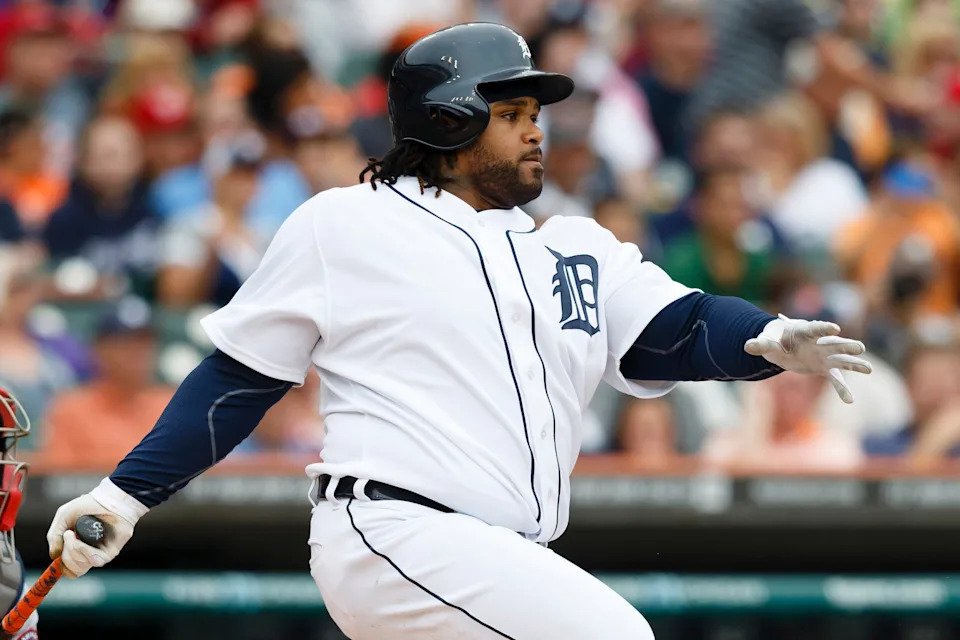
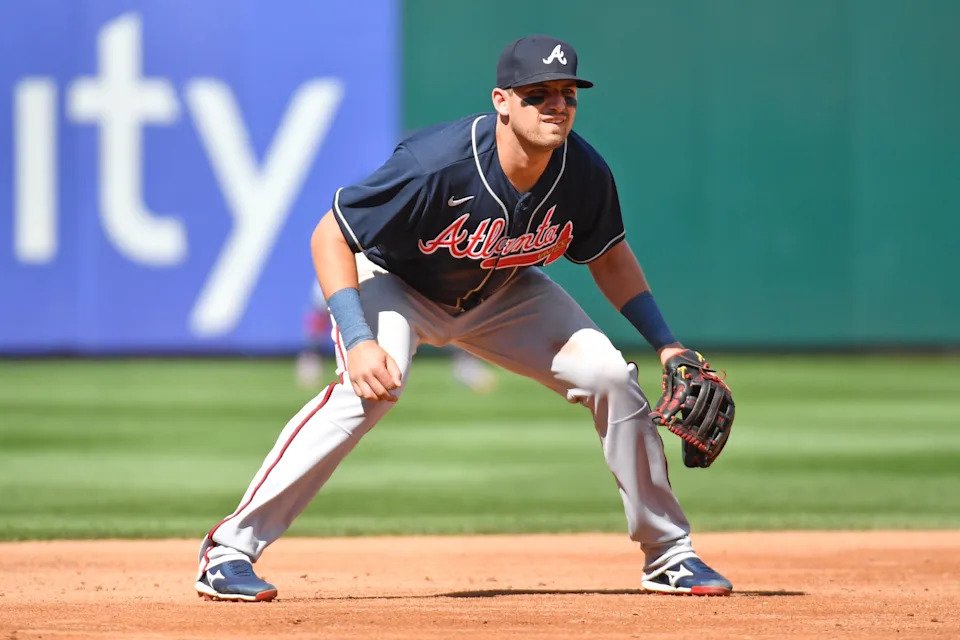
Los Angeles Dodgers and Angels, New York Mets and Yankees, Atlanta Braves, Chicago Cubs, San Diego Padres, San Francisco Giants, Washington Nationals, Boston Red Sox, Detroit Tigers, Houston Astros, Texas Rangers, Toronto Blue Jays.
That’s 13 teams – nearly half the league – exercising the freedom to splurge when they want to or save when it’s more prudent. Seven of those 13 have won World Series in that span, nine reaching at least a league championship series.
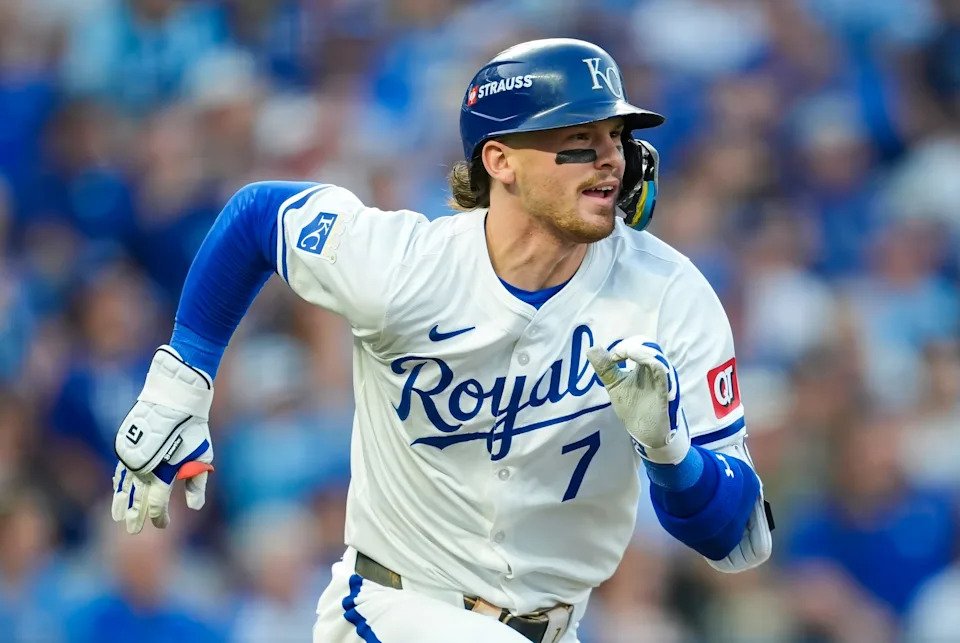
A handful of others – Seattle Mariners, Arizona Diamondbacks, Baltimore Orioles – might eventually climb above the line, too, as their on-field fortunes continue to improve. While owners love to use the Pittsburgh Pirates or Kansas City Royals – your 2015 World Series champions – as the avatars for all that is wrong, the system seems to work pretty well for everyone, save for fans in markets where the concept of spending money to make money is foreign.
Advertisement
Meanwhile, the Dolphins will stagger along with their “dead cap money” as some artificial cross to bear. Fans and analysts will nod somberly, starting the countdown clock until the sheets are once again clean.
As MLB embarks on a season in which all but perhaps five teams – some of them former luxury-tax exceeders – harbor legitimate playoff hopes, it’s worth noting that it simply doesn’t have to be that way.
1 / 19
MLB spring training 2026: Sunshine, good vibes in Arizona and Florida
Feb. 13: New York Yankees
1 / 19
MLB spring training 2026: Sunshine, good vibes in Arizona and Florida
Feb. 13: New York Yankees
2 / 19
MLB spring training 2026: Sunshine, good vibes in Arizona and Florida
Feb. 13: Los Angeles Dodgers
3 / 19
MLB spring training 2026: Sunshine, good vibes in Arizona and Florida
Feb. 13: Detroit Tigers
4 / 19
MLB spring training 2026: Sunshine, good vibes in Arizona and Florida
Feb. 13: Milwaukee Brewers
5 / 19
MLB spring training 2026: Sunshine, good vibes in Arizona and Florida
Feb. 10: Atlanta Braves
6 / 19
MLB spring training 2026: Sunshine, good vibes in Arizona and Florida
Feb. 10: San Francisco Giants
7 / 19
MLB spring training 2026: Sunshine, good vibes in Arizona and Florida
Feb. 10: Chicago White Sox
8 / 19
MLB spring training 2026: Sunshine, good vibes in Arizona and Florida
Feb. 10: Arizona Diamondbacks
9 / 19
MLB spring training 2026: Sunshine, good vibes in Arizona and Florida
Feb. 11: Toronto Blue Jays
10 / 19
MLB spring training 2026: Sunshine, good vibes in Arizona and Florida
Feb. 11: Philadelphia Phillies
11 / 19
MLB spring training 2026: Sunshine, good vibes in Arizona and Florida
Feb. 11: Los Angeles Angels
12 / 19
MLB spring training 2026: Sunshine, good vibes in Arizona and Florida
Feb. 11: Athletics
13 / 19
MLB spring training 2026: Sunshine, good vibes in Arizona and Florida
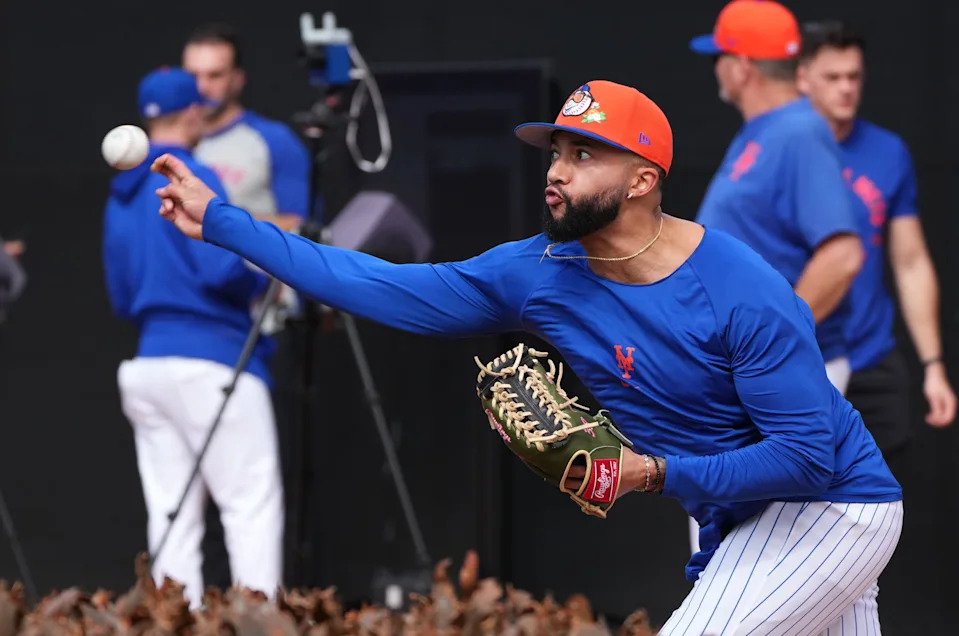
Feb. 11: New York Mets
14 / 19
MLB spring training 2026: Sunshine, good vibes in Arizona and Florida
Feb. 11: Chicago CUbs
15 / 19
MLB spring training 2026: Sunshine, good vibes in Arizona and Florida
Feb. 12: Chicago CUbs
16 / 19
MLB spring training 2026: Sunshine, good vibes in Arizona and Florida
Feb. 12: New York Yankees
17 / 19
MLB spring training 2026: Sunshine, good vibes in Arizona and Florida
Feb 12, 2026; Port St. Lucie, FL, USA; New York Mets infielder Bo Bichette (19) warms-up during spring training. Mandatory Credit: Jim Rassol-Imagn Images
18 / 19
MLB spring training 2026: Sunshine, good vibes in Arizona and Florida
Feb. 12: Seattle Mariners
19 / 19
MLB spring training 2026: Sunshine, good vibes in Arizona and Florida
Feb. 12: Pittsburgh Pirates
This article originally appeared on USA TODAY: MLB should beware of NFL’s dead money illusion