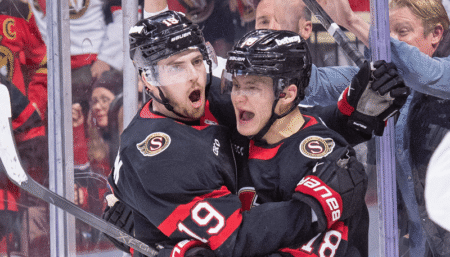



When the NHL introduced three-on-three overtime in 2015, the goal was clear: ignite excitement.
More open ice, faster pace, odd-man rushes, and sudden-death goals before a shootout — it was designed to inject unpredictability into the game. Initially, it delivered. Fans witnessed frantic, edge-of-your-seat action, with overtime periods often producing more drama than regulation itself.
Advertisement
Today, however, that chaos has taken an unexpected turn — and not for the better.
The current iteration of 3-on-3 overtime prioritizes possession over aggression. Teams rarely force plays; if an offensive opportunity isn’t immediate or obvious, the puck is frequently carried back to neutral ice or even returned to the defensive zone to reset. At times, the puck circles all the way back to the goaltender, creating a loop of cautious, low-risk play.
Enter, survey, retreat, reset — repeat.
The outcome is a slow, grinding version of sudden death that often feels more like keep-away than hockey.
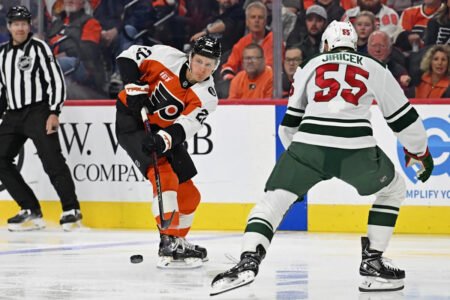
A recent example illustrates the point perfectly: in the overtime matchup between the Columbus Blue Jackets and Philadelphia Flyers, the five-minute period produced only one shot on goal, despite the abundant open ice that should have encouraged end-to-end action. Both teams spent the majority of the session cycling through the neutral zone, seeking the “perfect” opportunity rather than creating one.
Trevor Zegras’ reaction here is reminiscent to how most fans feel about the current format.
The strategy is simple: if the opponent never touches the puck, they cannot score. But while this approach may be defensible from a coaching perspective, it undermines the very spectacle that 3-on-3 overtime was intended to create. For fans — the lifeblood of the sport — it is increasingly viewed as stale and unengaging.
Advertisement
Since returning from the Olympic break, 265 NHL games have required overtime. Only 170 of those ended with an overtime goal, roughly 64 percent, leaving a growing number of contests decided in shootouts — a method even more polarizing for purists.
The current format is five minutes of 3-on-3, a structure that has grown stale and predictable. A potential solution would be to extend overtime to 10 minutes of 5-on-5 hockey. This approach would provide half a period of full-strength, authentic hockey before resorting to the shootout, blending skill, strategy, and excitement in a way that better reflects the sport.

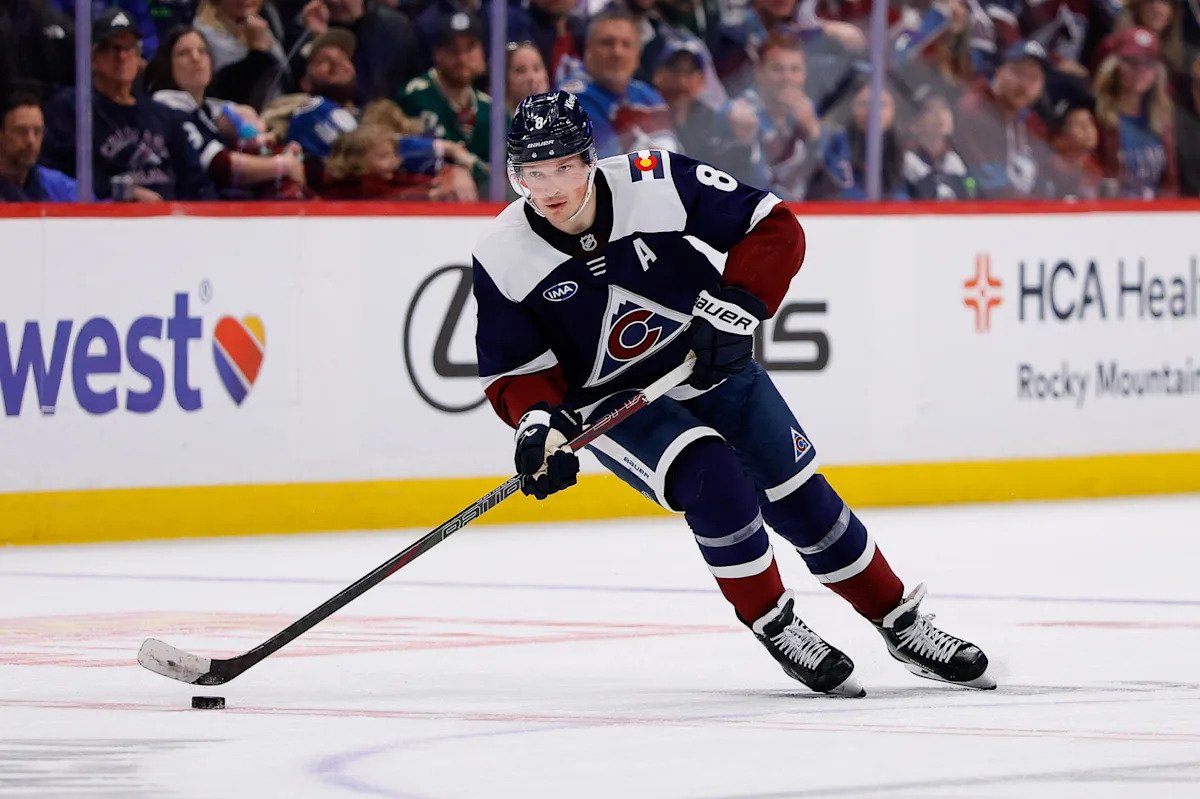
Change for the format and do it for the fans. Credit: Ron Chenoy
Such a compromise could satisfy fans, preserve competitive integrity, and maintain the thrill that made the 3-on-3 experiment promising in the first place. Whether the league is willing to embrace it remains uncertain, but the need for a more engaging overtime format has never been clearer.
Advertisement
Three-on-three was intended to create drama. Today, it often puts you to sleep.
Read the full article here