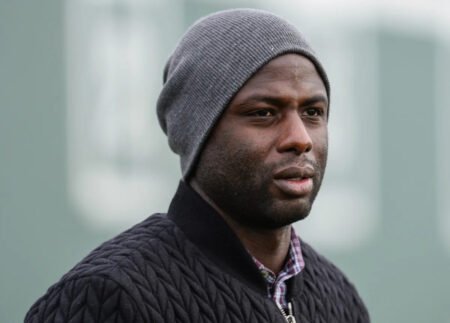
Scotland’s First Minister, John Swinney, recently expressed his sharp disapproval regarding the delayed response from Rangers and Celtic following the chaotic scenes at the Scottish Cup quarter-final. During a candid conversation on the BBC’s Scotcast podcast, the politician questioned why both Glasgow giants waited four full days before they finally addressed the violence that broke out at Ibrox Stadium.
Police arrested several individuals after supporters of both clubs flooded the pitch and physically confronted both stewards and officers at the conclusion of the match. Swinney told the interviewer that he refuses to accept such aggression at football matches and wants to coordinate a meeting between the clubs and the Scottish Football Association to resolve these deep-rooted issues.
Advertisement
He noted that individuals who arrive at a stadium wearing balaclavas clearly intend to cause trouble, especially since the weather did not require such heavy face coverings on that particular Sunday. He argued that the choice to wear masks suggests a premeditated desire to commit crimes without detection.
Although he avoided demanding that the football authorities play future derbies behind closed doors, he admitted that he would not feel comfortable bringing his teenage son to an Old Firm encounter given the current atmosphere. The Press Association also captured his concerns as he insisted that something must change to prevent a repeat of these disturbing images. Both clubs eventually issued statements on March 12, but the First Minister believes the delay sent the wrong message to the public.
“I think we’ve got to try to bring the clubs together with the football authorities because at a very basic level, I am not prepared to tolerate that violence at a football match,” Swinney stated. When questioned if the two clubs took the matter seriously, he added, “I think it took them too long to say anything about it, bluntly.”
Regarding the presence of masked individuals in the stands, the First Minister questioned the necessity of such attire. “Who needs to go to a football match wearing a balaclava? It wasn’t very cold that day,” he remarked. He further clarified his stance by saying, “You’re going there with malicious intent. You don’t need to wear a balaclava.”
Advertisement
In a more personal reflection on the atmosphere of the fixture, Swinney admitted he would not take his teenage son to an Old Firm game. Contemplating the future of the matches, he noted, “I would rather that’s not the case but I think none of us can watch those scenes and think that there isn’t something that’s got to give as a consequence of what happened at the weekend. I want to take time to engage… the clubs and the SFA, to identify what’s the best course of action to take.”
Will the threat of closed-door fixtures force a permanent shift in Ibrox security protocols for Rangers?
GLASGOW, SCOTLAND – JANUARY 16: Thelo Aasgaard of Rangers celebrates after he scores his team’s fifth goal during the Rangers v Annan Athletic – Scottish Gas Men’s Scottish Cup Fourth Round match at Ibrox Stadium on January 16, 2026 in Glasgow, Scotland. (Photo by Ian MacNicol/Getty Images)
At 61 years of age, Swinney speaks with the gravity of a seasoned leader and a fan who has spent the last year celebrating the Scotland international team’s historic qualification for the upcoming World Cup. From a Rangers perspective, the club find themselves in a precarious position because any further escalation could lead to draconian stadium bans or empty stands.
Advertisement
The four-day silence before the March 12 statement gave the impression that the board prioritised legal caution over immediate moral leadership, which inadvertently allowed the negative narrative to fester. While the club unequivocally condemned the disorder, the recurring nature of these clashes, reminiscent of the 2024 League Cup final trouble when police used additional legal measures to manage missiles, suggests that standard policing no longer suffices.
Rangers must now implement a zero-tolerance policy that includes lifetime bans for anyone identified in the pitch invasion to protect the commercial and reputational value of the Ibrox brand. True leadership involves proactive measures rather than reactive press releases, and the hierarchy needs to demonstrate that fan safety outweighs the tribal intensity of the fixture.
If the club fail to bridge the gap between words and action, the Scottish government might eventually remove the privilege of a packed stadium. Such a move would financially cripple the Glasgow side and punish the law-abiding majority for the actions of a few malicious individuals.
Read the full article here