



- The head of Stellantis’ National Dealer Council speaks his mind about the former management with Carlos Tavares as CEO.
- Dealers claim Tavares was too focused on cost-cutting measures.
- Antonio Filosa is praised for having a far better approach.
Mere months before Carlos Tavares resigned, the U.S. Stellantis National Dealer Council (NDC) sent a strongly worded letter to the then-CEO, accusing him of nothing short of a “disaster” and the “rapid degradation” of Jeep, Ram, Dodge, and Chrysler. Stellantis quickly fired back, arguing that sending “public personal attacks” against the CEO would solve nothing.
Although Tavares has been gone for a little over a year, his shadow still lingers over U.S. dealers. In an interview with Automotive News, NDC chairman Sean Hogan spoke candidly about the previous leadership, claiming the former CEO had the wrong vision for the automotive giant by removing excitement while slashing costs wherever possible:
‘Tavares tried to take our brands into what was going to be a boring transportation company. That’s not us. And then he cut and he cut and he cut. None of our brands are about basic transportation. Everything that we have to build has to be cool and unique.’
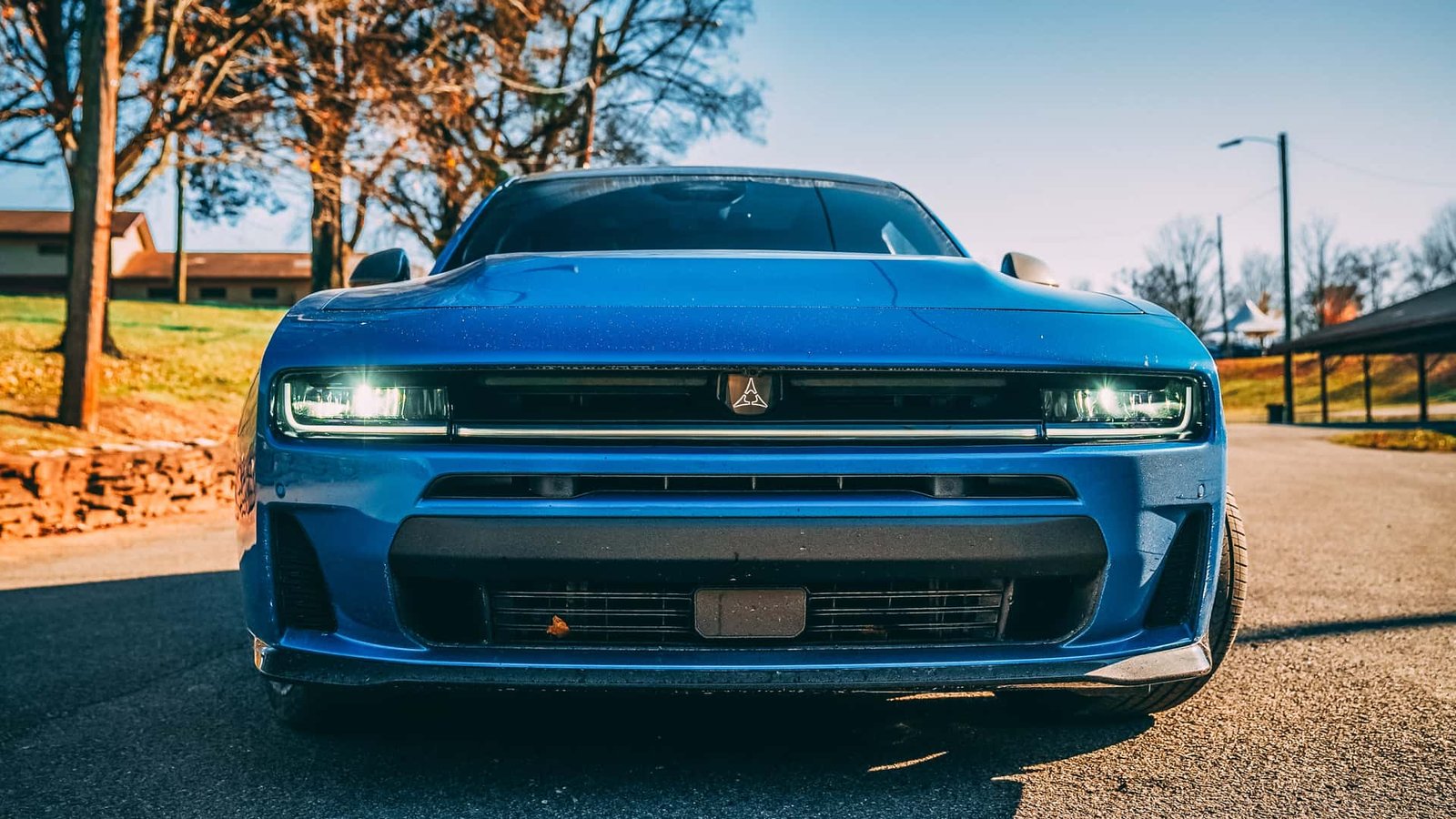
2025 Dodge Charger Daytona EV
Photo by: Brian Silvestro / Motor1
Things appear to have improved under Antonio Filosa at the helm of Stellantis. Compared to Tavares, the new management team is praised by the NDC for understanding what works. Hogan highlighted the return of the Hemi engine and the company’s commitment to invest $13 billion in the U.S. by the end of the decade.
Fresh products are on the horizon, including a next-generation Dodge Durango and a Ram-badged SUV. The latter, according to Hogan, is “going to be powerful and sexy looking.” Having seen it behind closed doors, he describes it as a full-size SUV with “Ram DNA all over it.”
However, not all brands may survive under the Stellantis umbrella. A recent Reuters report claimed Filosa is “assessing all 14 brands’ long-term viability,” with some European names being more vulnerable. Insiders told the agency that retiring certain brands is not being ruled out.
Since the Tavares era, many have questioned whether maintaining so many brands makes sense, given the risk of product overlap that cannibalizes sales. Volkswagen Group managed it, but even VW has fewer brands. Filosa faces the challenge of deciding the future of struggling names like Chrysler in the U.S. and Lancia in Europe.


2027 Ram 1500 SRT TRX Bloodshot Night Edition
Photo by: Ram
Motor1’s Take: American dealers appear more optimistic than ever since the 2021 FCA-PSA merger that created Stellantis. With massive investments benefiting all U.S. plants, their confidence is justified. The Belvidere site is reopening to build the Jeep Compass and Cherokee for 2027.
Dealers are also looking forward to a wave of new products. The TRX is already back, a new Dakota mid-size truck is expected next year, and Ram’s first SUV is due in 2028, potentially paired with the all-new Durango set for a 2029 launch.
While Stellantis had a lukewarm year in the U.S., with sales falling 3 percent to 1,260,344 units, dealers are confident that Filosa’s measures will pay off. There’s a noticeably clearer vision now, especially in the U.S., where the new management seems to understand its customers far better than the previous regime did.
Read the full article here