


AUGUSTA, Ga. — Count on one healthy debate at the Masters Tournament: the distance the modern player hits the golf ball.
Since players aren’t going to stop working out and drivers aren’t going back to persimmon, there’s only one way to curb the distance that is threatening to make hallowed and historical golf courses obsolete.
Advertisement
Curb the golf ball.
More: Masters leaderboard, scores, tee times, groupings, video, more
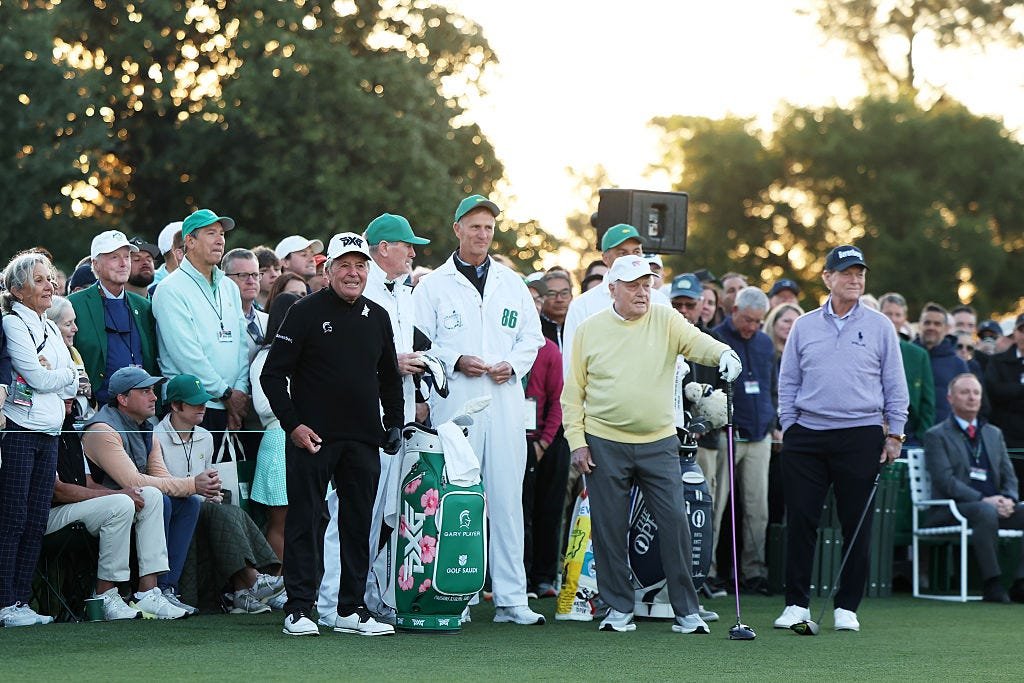
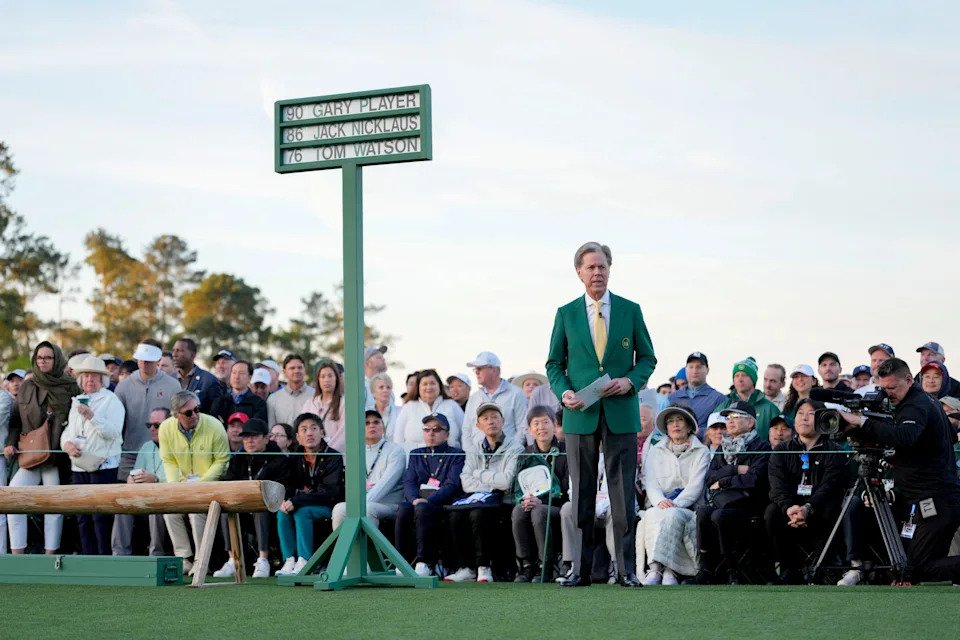
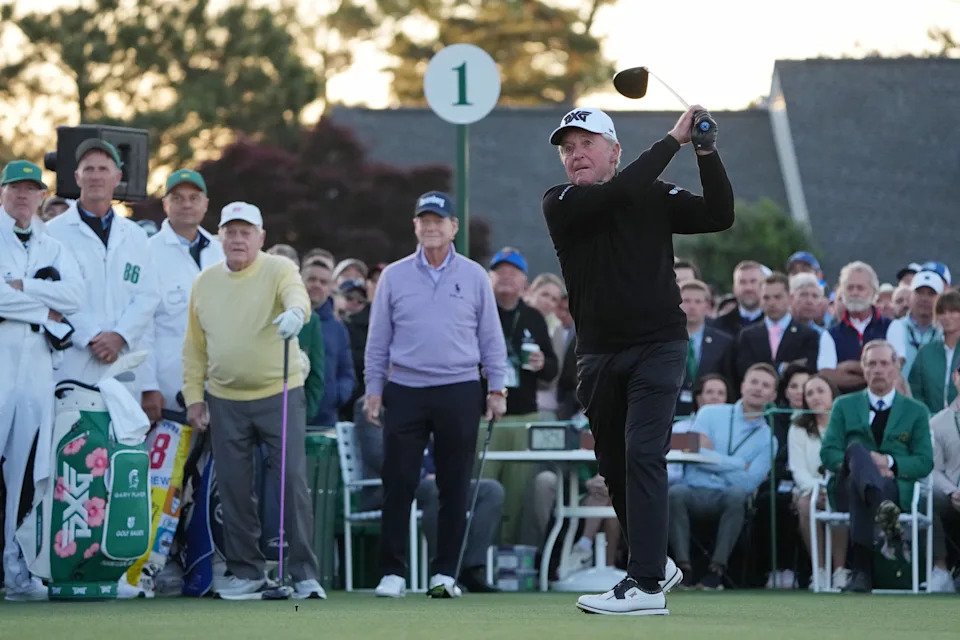
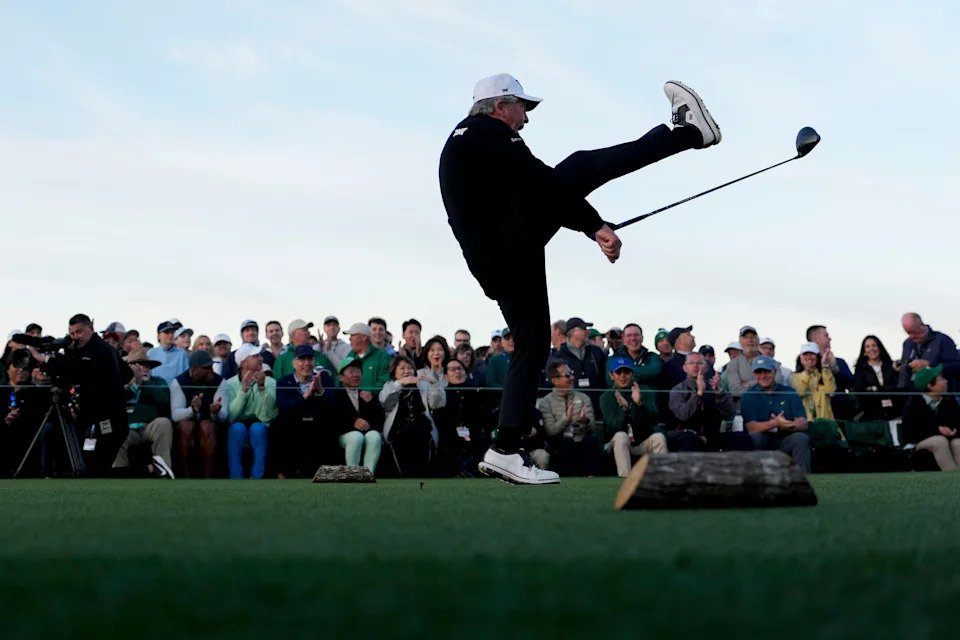
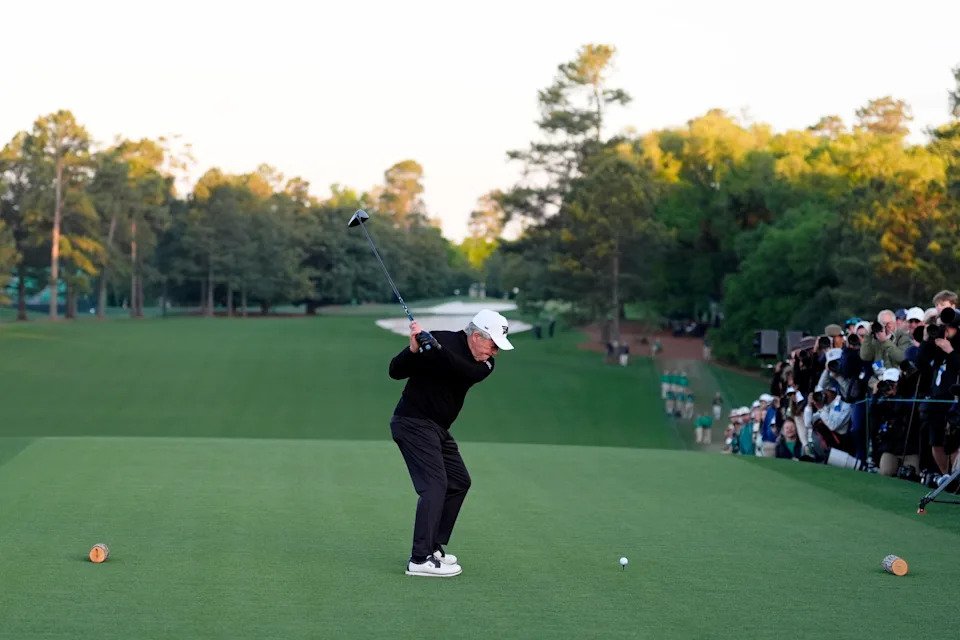
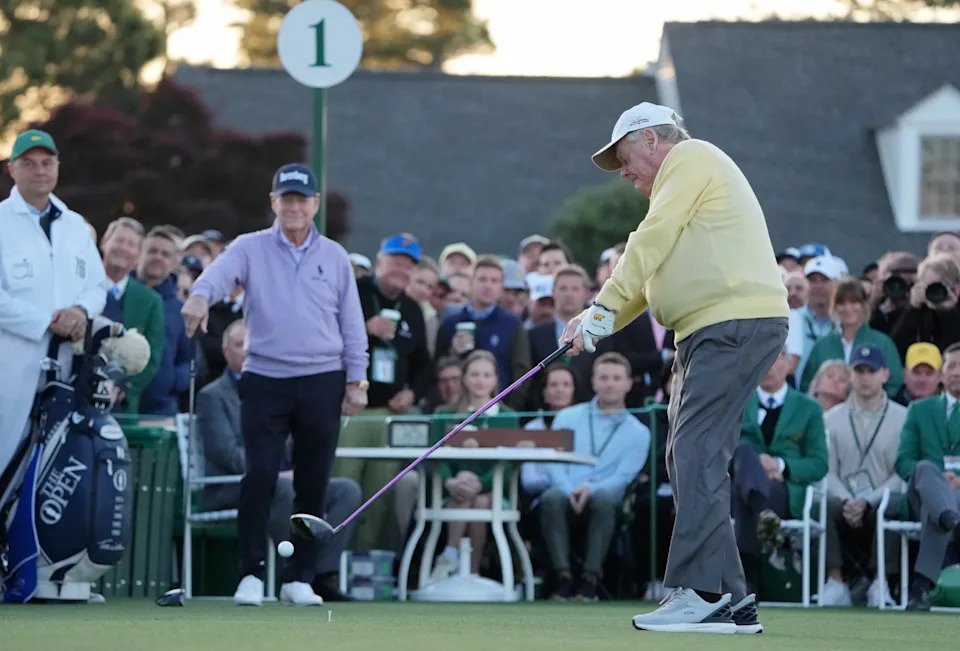
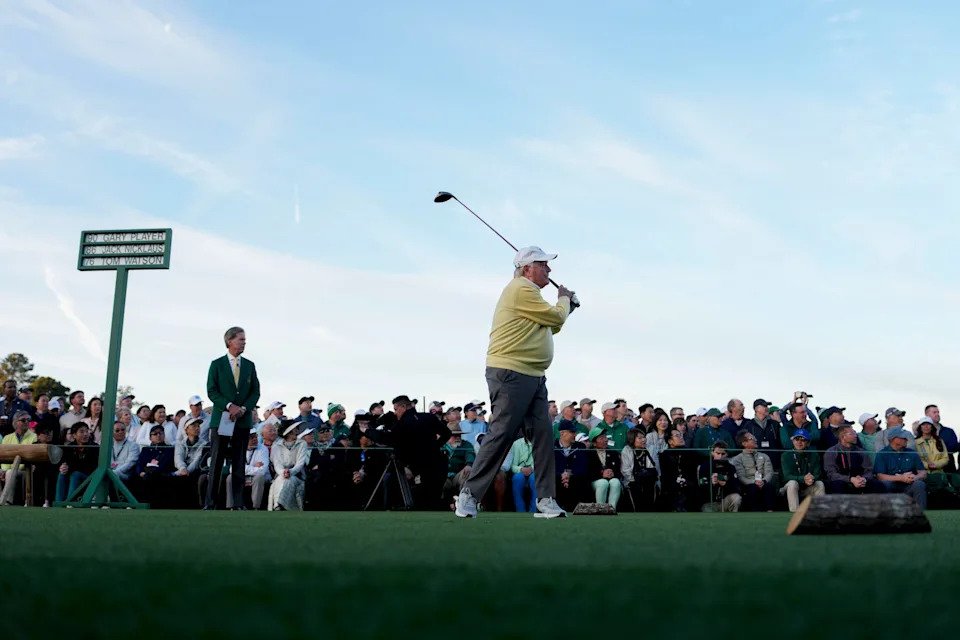
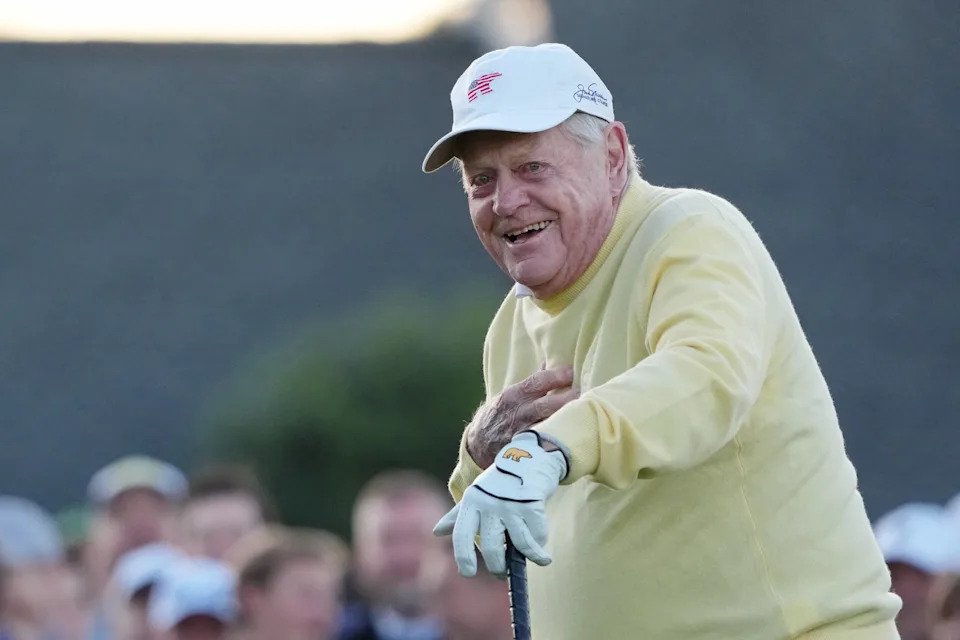
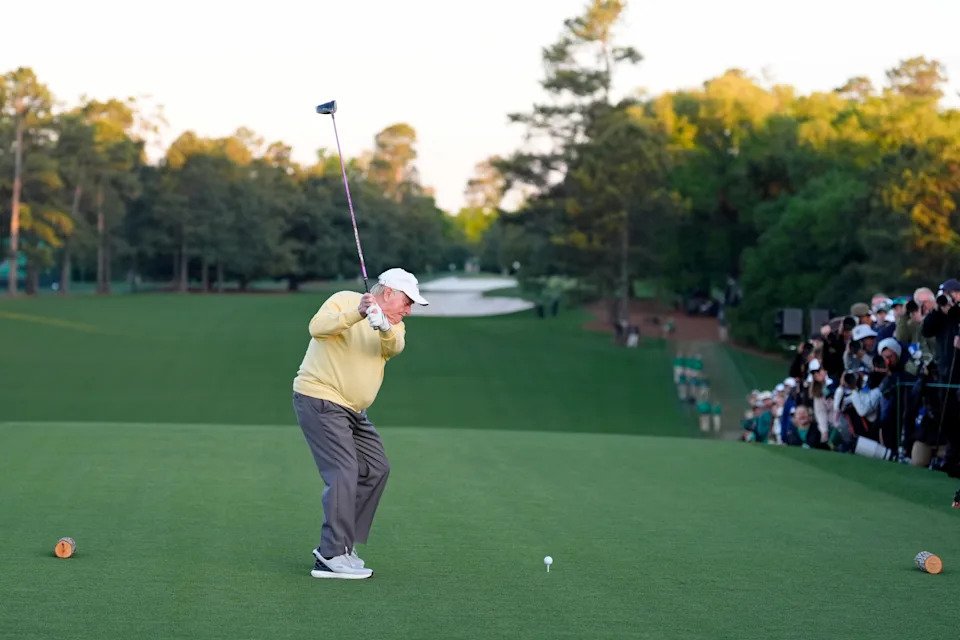
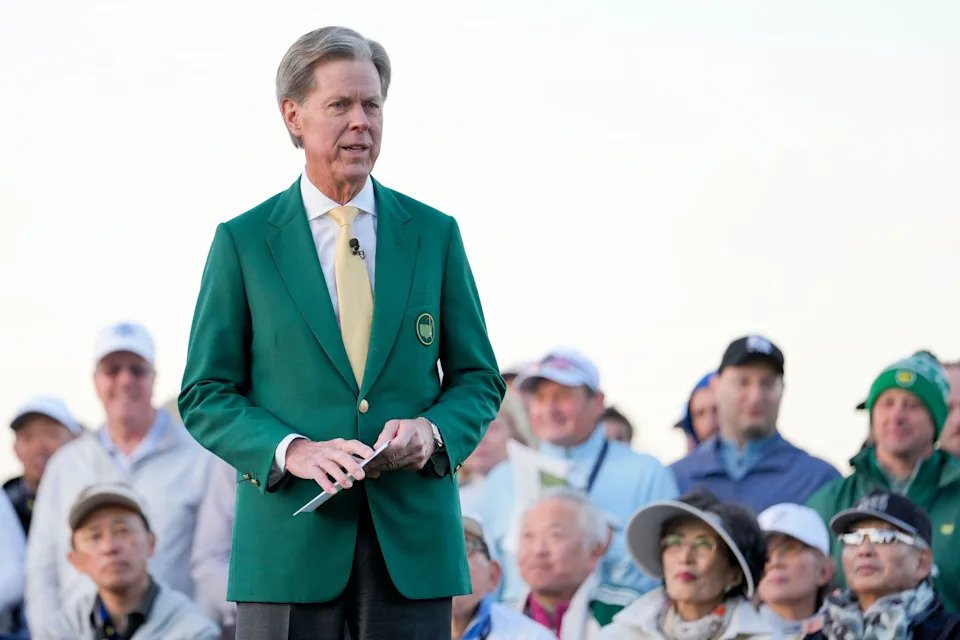
Augusta National Chairman Fred Ridley sounded what has become an annual salvo from perhaps the most powerful golf organization in the world on April 8 at his annual news conference. And three legends of the game who have combined to win the Masters 10 times were in lockstep with Ridley the next day after they formally opened the 90th Masters with their ceremonial tee shots.
Jack Nicklaus, Tom Watson and Gary Player echoed Ridley’s comments from the day before when he said the emphasis on distance is making the game “one-dimensional.”
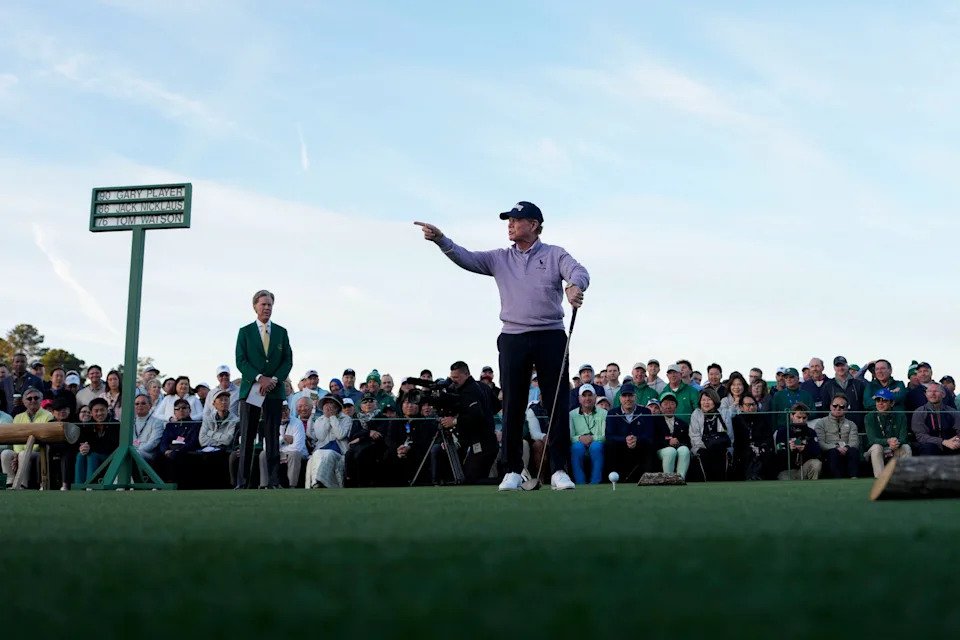
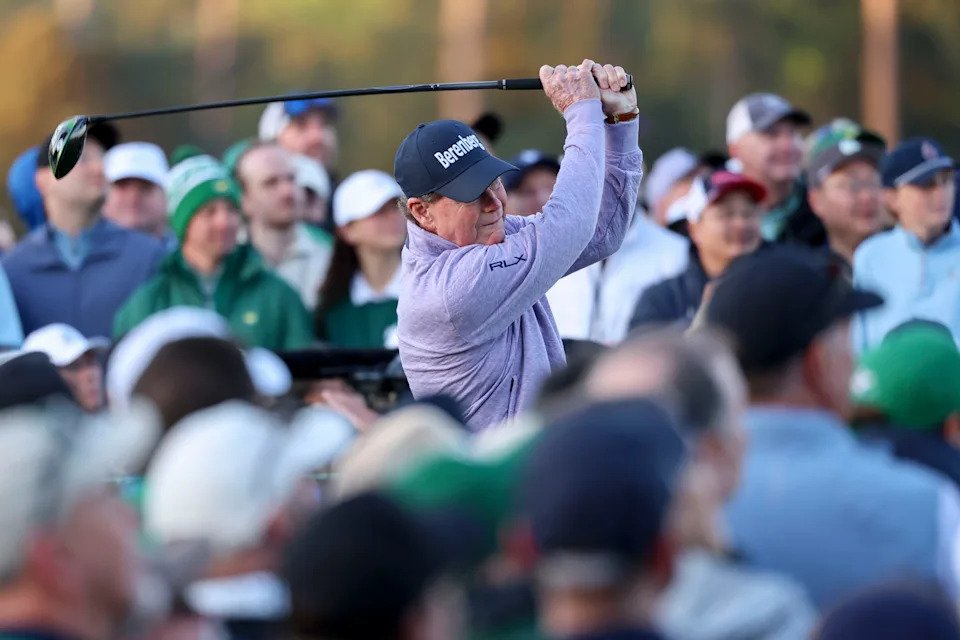
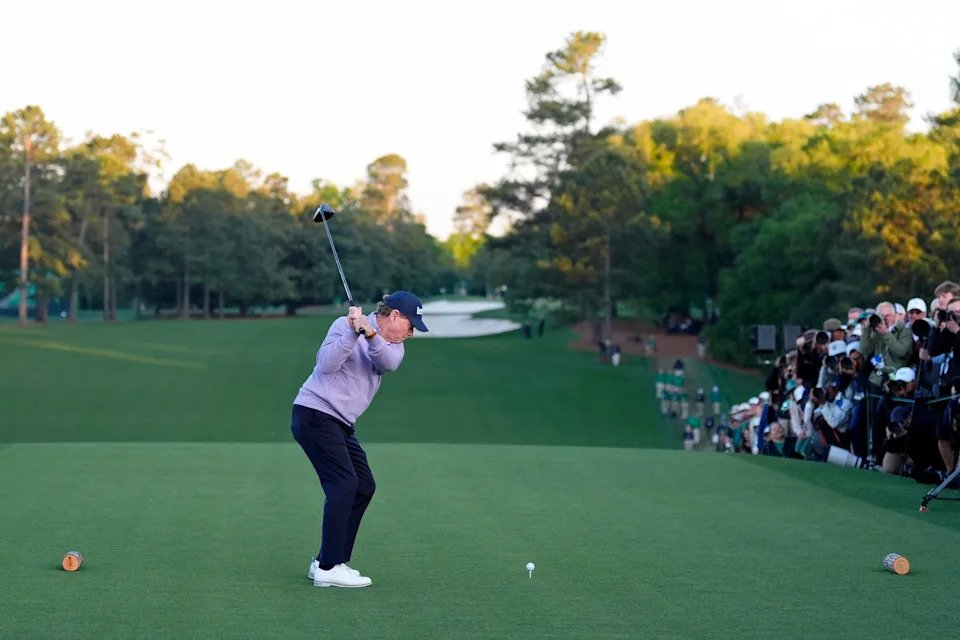
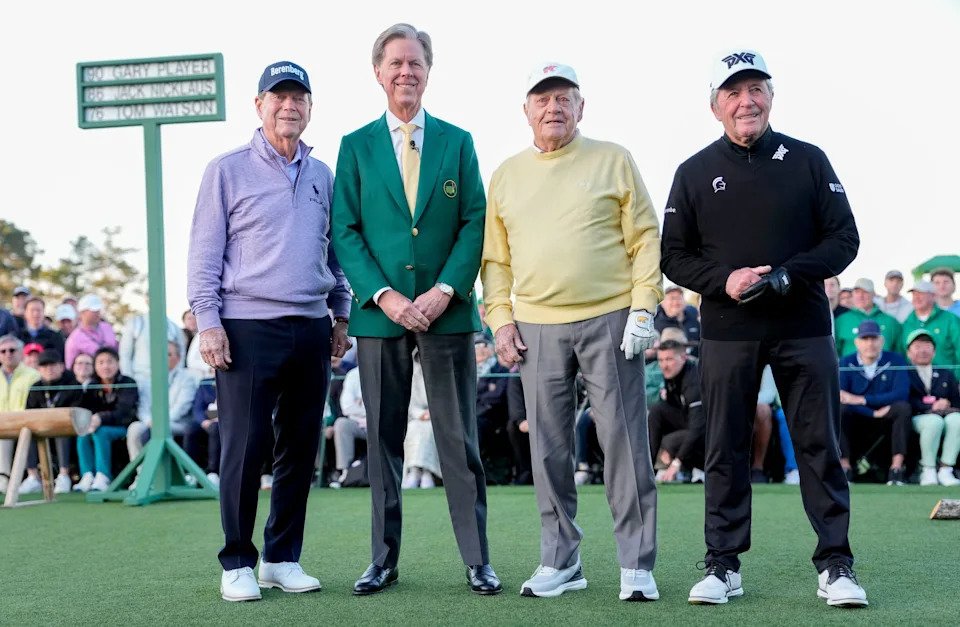



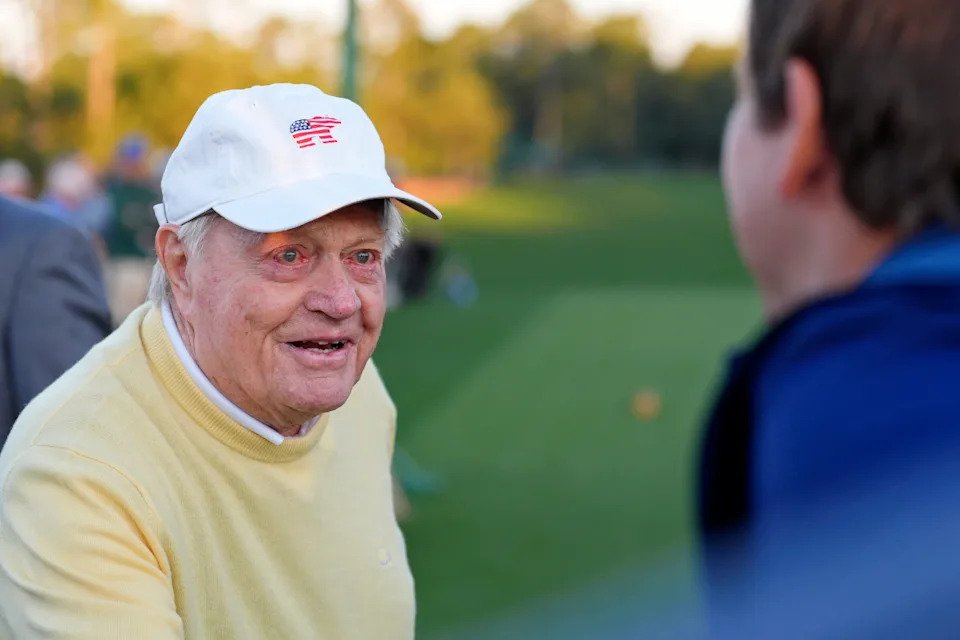
“I’m in agreement with the move to reduce the distance to the golf ball,” Watson said. “Where do you draw the line on distance is the real question. But I do believe it should be drawn back.”
Advertisement
Player said he would engineer a golf ball that takes 60 yards off the modern Tour player’s drive, but only for professionals.
“Leave everyone [the handicap player] to golf as it is,” he said. “They’re the heart of the game, but professional golf is not.”
And Nicklaus, who has been the most vocal player in favor of reducing the distance of the golf ball, said it’s a battle he’s been fighting for nearly 50 years.
“I first went to the USGA in 1977 when Titleist came out with [its golf ball] and I saw it go further,” he said. “They said, ‘you don’t know what you’re talking about.’ From 1995 [when companies began making a composite ball], the ball increased about 50 yards. The golf ball needs to be reined in. I know a lot of people don’t like that.”
Advertisement
Golf ball distance has an environmental factor
Ridley said that Augusta National has options in curbing distance, such as the land to make holes longer, or the financial resources to buy more land to extend holes, such as the par-5 13th.
“Unfortunately, many courses, including some iconic venues, do not have that option,” he said. “The issue goes beyond competitive impact. Increased course lengths result in more time, more cost, more environmental concerns.”
If golf courses are larger, more water will be needed, and many areas of the U.S. are experiencing drought conditions. More pesticides will be used and more wildlife impacted. More gas and oil are needed for the equipment required to maintain courses.
Advertisement
“We’re running out of water in the world,” Player said. “Fertilization, machinery is so expensive, labor, oil, whatever cost you want to throw in there. Where are we going? That money is being wasted. If they cut the ball back we don’t have to make those changes.”
“Gary is absolutely right,” Nicklaus said. “It’s land cost, water, fertilization, the cost to play the game of golf, the time it takes to play – all those things are factors in why the golf ball needs to come back. Augusta’s had the ability to be able to go buy part of another golf course to lengthen the 13th hole. Who could afford that?”
Players said golf holes don’t need to be long or favor the power hitters to be iconic. He cited the par-3 12th hole at Augusta National, which has remained around 155 yards for most of the course’s history, yet torments players with the wind shifts, narrow green and Rae’s Creek in front of the green.
“It’s a great example for golf architects to realize you don’t have to make holes all that long,” he said. “That’s an 8-iron [for the tee shot] and it’s crippled more people than polio.”
Advertisement
Ridley said shot-making is becoming a lost art
Ridley said the issue was more than simply players hitting driver, wedge into most par-4 holes, driver, short iron into par-5s and unafraid of hitting out of rough.
By being able to win golf tournaments with such a game plan, he said strategy and being able to hit an array of shots has taken a back seat to brute strength.
“Until recent years, golf has been a game of imagination, creativity and variety,” he said.
The past Masters champions again found themselves in agreement with Ridley.
“There’s no such thing as a par-5 in the world today,” Player said. “They’re hitting 8-irons to par-5s. Jack, who’s as long as anybody playing golf, used to hit a driver and a wedge [into the par-4 third hole at Augusta]. Now they drive it over the green. They’re going to be driving many, many par-4s. So where are we going?”
Advertisement
Jack Nicklaus scoffs at USGA rollback
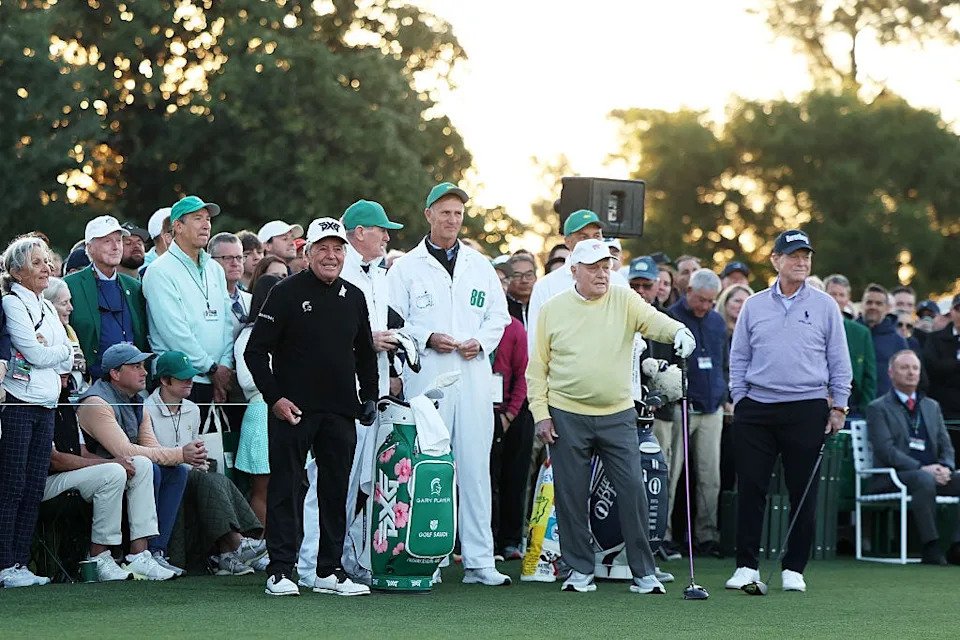
Honorary Starters Gary Player, Tom Watson and Jack Nicklaus look on from the first tee during the first round of the 2026 Masters Tournament at Augusta National Golf Club on April 9, 2026 in Augusta, Georgia. (Photo by Andrew Redington/Getty Images) Andrew Redington/Getty Images
The USGA announced in March that an implementation date for a rollback of driving distance for golf balls by 15 yards will be extended from 2028 to 2030, so offer more time to test golf balls at clubhead speeds of 125 mph instead of 120.
Nicklaus called it “throwing a deck chair off the Titanic.”
“It’s not getting enough done,” he said. “The program they have, as I understand it, will amount to about 12 yards for a Rory McIlroy. It will affect the pros a little bit.”
Ridley reminded the USGA and the Royal and Ancient Golf Club, which sets and administers the Rules of Golf and equipment standards, that they have a “collective obligation as custodians of the game” and said Augusta National reserves the right to make its own decisions.
Advertisement
“We will continue to make modifications as are necessary to react to driving distances that in some cases exceed 350 yards,” he said.
This article originally appeared on Florida Times-Union: Masters Fred Ridley, Jack Nicklaus, Gary Player on golf ball rollback
Read the full article here