

NASCAR isn’t typically known as a winter sport but they’ve decided to use their tools in order to help Team USA go faster at the Winter Olympics. The NASCAR research and development team is building virtual models of Olympic athletes and creating life size 3D printed versions of them in order to do wind tunnel and computational fluid dynamics (CFD) testing in order to find tweaks to help the athletes go faster.
The relationship between NASCAR and the US Olympic & Paralympic Committee (USOPC) was established based on an introduction from TotalSim which is an engineering firm that works with NASCAR on various CFD analysis projects. NASCAR Vice President of Vehicle Performance, Dr. Eric Jacuzzi shared that TotalSim asked to bring some Olympic athletes and officials for a tour of the NASCAR R&D facility in North Carolina and during that tour Dr. Jacuzzi ran into an acquaintance who was working for the Olympic committee.
Advertisement
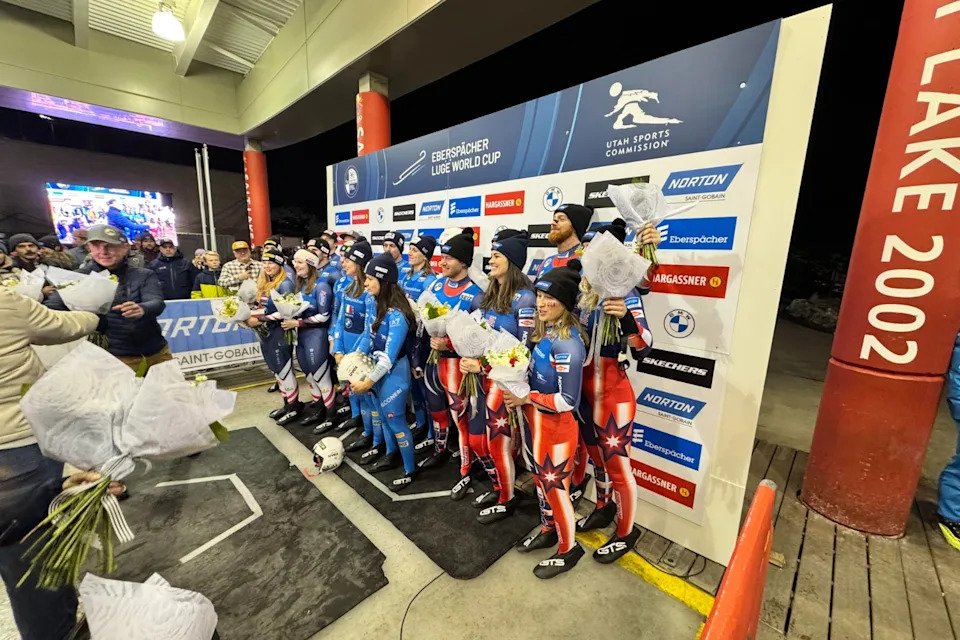
USA Luge Meets NASCAR
Jacuzzi brought the project to NASCAR EVP John Probst who not only approved it but also started working on bridging in additional resources from NASCAR suppliers for performance development tools. They also brought in Chief Brand Officer Tim Clark to evaluate the commercial opportunities with the project which eventually led to NASCAR working out a sponsorship and branding deal with USA Luge in addition to the technical partnership.
3D Scanning Olympic Athletes
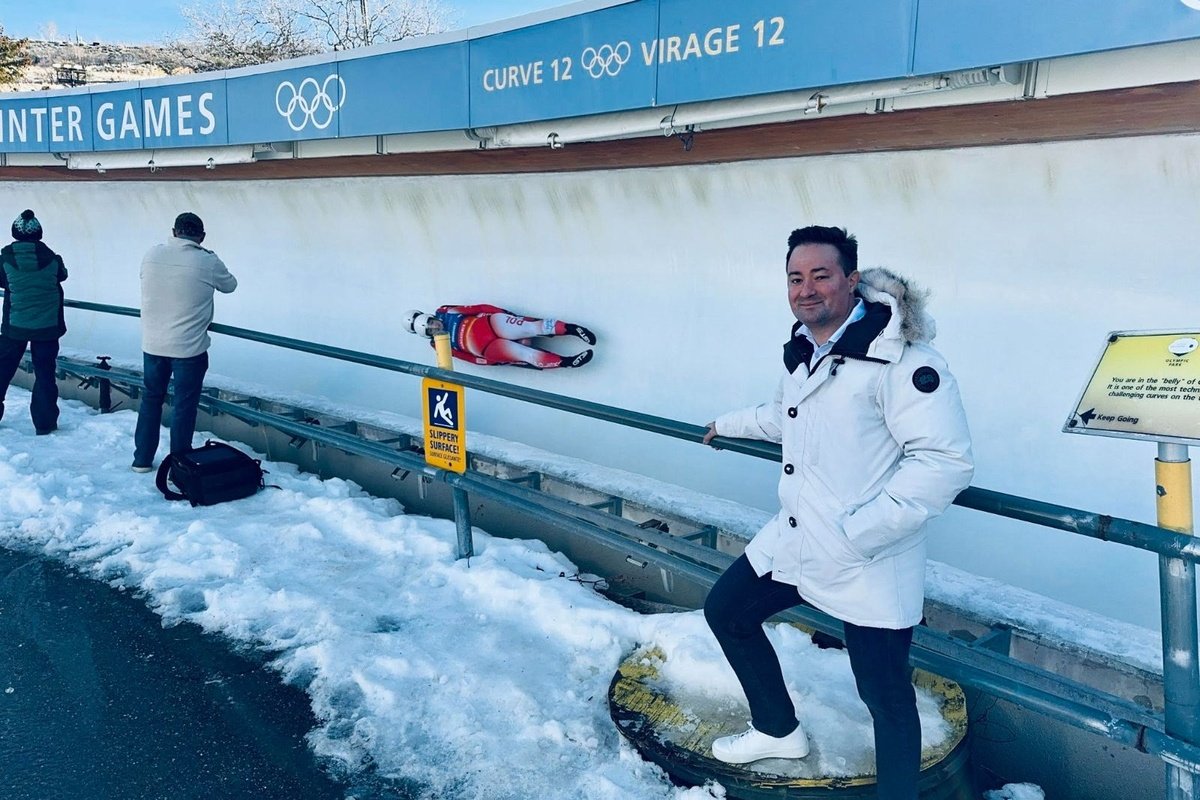
Things moved pretty quickly once the relationship was established as Dr. Jacuzzi traveled to a Luge World Cup in Park CIty, Utah in December and immediately kicked off the technical analysis portion by building a rig where they could 3D scan the athletes and their sleds. These 3D scans are now in the process of being converted into models that can be analyzed using CFD but also eventually 3D printed so that they can be taken to the WindShear rolling road wind tunnel for even more extensive analysis.
Advertisement
NASCAR immediately dipped into their toolbox of technical partners and engaged Kevin Rau at Digital Reality Scanning in order to complete the scans of the athletes and their sleds. NASCAR typically works with Rau when an OEM submits a new or updated body (link Chevy story here) in order to complete the body submission scan and match it up to the submitted CAD. Rau was equally as excited as NASCAR for this project and volunteered a week of his time in Park City in order to scan all the athletes and their equipment. NASCAR R&D built a rig that they transported to the facility which allowed Rau to more easily scan the athletes and sleds without the need to add markers to them.
CFD Analysis of Olympic Athletes
Those 3D scans will be turned into 3D models that NASCAR will analyze with the help of TotalSim. Dr. Jacuzzi shared that there was an opportunity for knowledge transfer from TotalSim as they worked with Honda to help improve performance for the USA Bobsled/Skeleton Olympic teams. Honda engineers have already spent time testing with the athletes and equipment at the Honda Automotive Laboratories of Ohio (HALO) wind tunnel and the group at NASCAR believes that they can take some best practices from them through TotalSim as they will follow a similar process of creating CFD models before heading to the wind tunnel.
Advertisement
TotalSim is going to donate some time and resources to the NASCAR project which will mostly consist in setting up the initial models for the NASCAR R&D group so that they can more efficiently move to the iteration stage and start testing changes.
3D Printing Life Size Versions of Olympic Athletes
Once CFD analysis has been completed, NASCAR plans to 3D print models of the women’s singles athlete and sled and the men’s doubles athletes and sled as a starting point for their analysis. Dr. Jacuzzi seemed to be excited when looking at the rules and restrictions for some of the categories and shared that “the men’s doubles sled is kind of the wild west so we feel like we can do some damage there.”
Advertisement
The recently launched 3D printing lab at NASCAR R&D will be employed to create these 3D prints where their Stratasys F900 and Fortus 450mc printers will be employed to create modular 3D prints of the athletes and sleds. These modular pieces will allow the group to bring different iterations of their designs to the rolling road wind tunnel so that they can be clipped in to test different shapes or positions during wind tunnel testing.
Goals of the Partnership
The first phase of the analysis will start with improving the shape of the sleds in order to reduce drag and NASCAR hopes to be in the wind tunnel with their first model this summer in order to start testing. Initial discussions showed that much of the current sled designs are based on tribal knowledge rather than technical analysis so Dr. Jacuzzi sees opportunities for immediate performance improvements just from mirroring what NASCAR sees on the race track like reducing the height of the sleds in order to reduce drag.
Advertisement
Members of the aerodynamics team at NASCAR like Chris Popiela and Tracy Halpin have already joined Dr. Jacuzzi on the project and he sees that group expanding quickly as many are excited to work on something that’s far outside of their typical scope of work. Dr. Jacuzzi also sees the project as being beneficial for NASCAR specifically because it is so different from what they look at on a daily basis so it offers opportunities to see things from a different perspective which can help them when thinking about novel aero solutions for race cars.
According to Dr. Jacuzzi, this is a long term partnership and the ultimate goal is to build something that can separate USA Luge from the rest of the field at the 2034 Winter Olympics in Utah. While Utah 2034 is quite a bit away, NASCAR will be focused on incremental goals and iterating designs every year until then starting with the 2026 Luge World Cup. Dr. Jacuzzi isn’t sitting still as he is heading to Cortina d’Ampezzo in Italy this week for the 2026 Winter Olympics to observe the USA Luge group and take notes for future analysis.
Read Also:
Advertisement
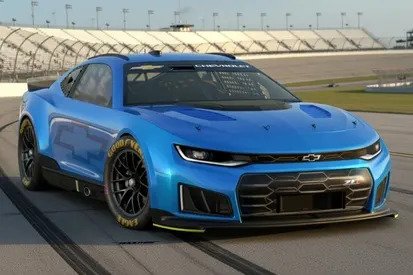
Explained: How Chevrolet is making its 2026 NASCAR Cup car faster
How robots are helping teams like Hendrick Motorsports make better, faster race cars
To read more Motorsport.com articles visit our website.
Read the full article here