




Golf remained a red-hot sport in 2025.
The National Golf Foundation reported this week that rounds of golf played at U.S. courses climbed to another all-time high last year, extending “one of the most sustained periods of elevated play the game has ever seen.”
Advertisement
For the sixth consecutive year, Americans played more than 500 million rounds nationally, a streak unmatched in golf history. The NGF cited this stat as “further evidence the post-pandemic surge has proven more durable than some initially expected.”
The NGF noted that the current surge in rounds played could invite comparisons to the early-2000s “Tiger boom,” when the sport rode a wave of popularity fueled by Tiger Woods’ dominance. But that would be shortsighted.
“Today’s record-setting levels are fundamentally different — and more impressive — than those achieved two decades ago,” the NGF concluded. “This is not an apples-to-apples comparison. Current play levels are being achieved with as many as 2,000 fewer golf courses than existed during the earlier 2000s peak, meaning demand is being absorbed by a significantly smaller supply of green-grass facilities.”
Play in 2025 edged past 2024’s previous high, marking the fourth record total in five years. Overall rounds were up just over 1 percent from 2024, with relatively stable public-course activity offset by a modest increase in private-facility play — enough to push the national total into record territory once again.
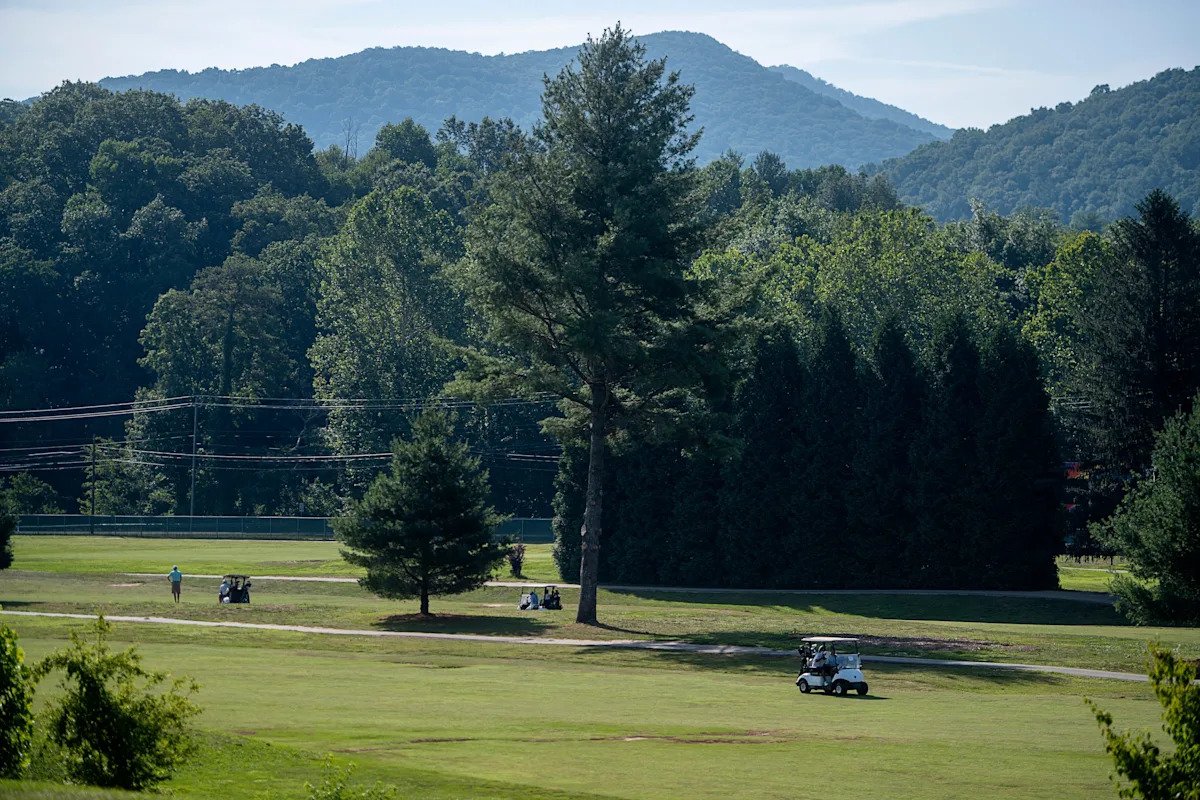
Scenes from the Skyview Golf Tournament at the Asheville Municipal Golf Course July 13, 2023.
Looking more closely at the different eras helps frame the shift.
Advertisement
What was the Tiger era?
From 2000 to 2005, on-course participation rose roughly 15 percent, rounds increased about 12 percent compared to the prior six-year average, and the number of golf facilities expanded 6 percent.
What is the Modern era?
From 2020 to 2025, on-course participation climbed around 20 percent, and rounds jumped 16 percent versus the previous six-year average — even as the facility count declined by about 3 percent.
A confluence of factors continues to support elevated play levels.
“Hybrid and flexible work arrangements have unlocked more weekday golf. Perceptions of the game have improved, with golf positively viewed through the lens of physical activity, mental wellness and social connection. Weather conditions have been generally favorable, particularly compared to the historically wet 2018–19 seasons, and modern booking technologies are helping golfers find available tee times while enabling operators to run fuller, more efficient tee sheets,” the NGF reported.
Advertisement
“Today’s surge reflects a broader and more diverse green-grass golfer base than during the Tiger era, underscoring both the depth of demand and the resilience of participation in the modern game — even in a crowded recreational landscape with more alternatives than ever before. We’ll say it again: golf is indeed being played by more people in more ways than ever in history.”
This article originally appeared on Golfweek: Golf rounds hit all-time high in 2025: What’s driving the boom?
Read the full article here