


In some ways, the goals Canadian snowboarder Mark McMorris set for the Milan Cortina Olympics are the same ones he set in his three previous appearances at the Games.
“Landing when it matters, landing how I want to, landing my hardest tricks and walking away with some hardware,” he said.
Advertisement
But this time, McMorris listed one other element that no Olympian on the ground four years ago in China will ever take for granted again: “To enjoy it with my friends.”
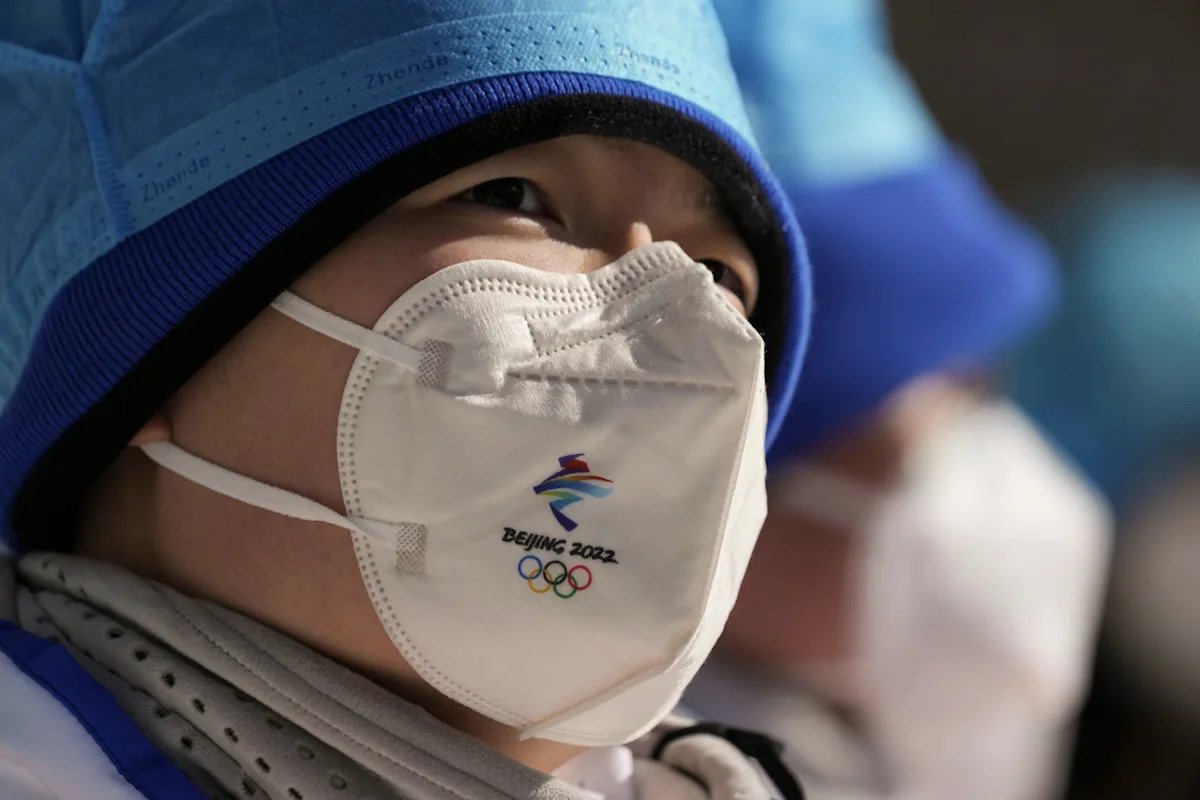
The last time the Winter Olympians convened, the COVID-19 pandemic was still raging. The Games were forced into sterilized bubbles with athletes facing daily tests; in most cases, at checkpoints where workers stuck swabs up their noses. Every swab brought with it the specter of a positive test, with could mean days or weeks of quarantine that would wipe out an athlete’s ability to compete.
McMorris, the 32-year-old slopestyler who won his third straight bronze medal at those Games, summed up the experience by famously calling his stay in the mountains something like a trip to “sports prison.”
“What I can tell you with absolute certainty is that I am really excited to compete in this Games without COVID tests every 24 hours and just the pandemic breathing down our necks,” said Mikaela Shiffrin, who went without a medal in Beijing. “It’s a very, very different situation to go into this Games and that’s a wonderful thing.”
Advertisement
Short track speedskater Andrew Heo, whose first Olympics were in Beijing, said getting back to a “real, live Games” was one of his biggest motivators over the past four years.
“The Beijing Olympics was cool in itself, because I didn’t have any prior experience,” Heo said. “But so many people told me: This is like nothing compared to what an actual Olympics is like.”
Food, wine and friends instead of masks, swabs and isolation
The contrasts will be everywhere. McMorris and the rest of the action-sports athletes will be in Livigno, one of a handful of Alps resort towns joining Milan in hosting an Olympics that will look and feel nothing like the Beijing Games.
Advertisement
As much as the good wine, good food and not having to eat behind a plastic shield at restaurants, McMorris said he’s simply glad to have the people who have backed him for years along for the ride. Olympians in China told of getting to the starting line but feeling lost without the backing of friends and family, the support systems that drive so much of their day-to-day lives in sports.
“Hopefully I can use their support to fuel myself. It will be good to enjoy the Olympics as a crew this time,” McMorris said.
Summer in Paris brought Olympics back to ‘normal.’ Now Winter gets a chance
For the general public, some of the novelty of a “normal” Olympics has worn off. The well-received, well-attended and well-viewed Summer Games in Paris two years ago marked something of a rebirth of an Olympic brand that was stagnating even before COVID wrapped the Tokyo Summer Games and then Beijing in something resembling a germ-free bubble.
Advertisement
The direness of those Olympics might have been best illustrated by Belgian skeleton rider Kim Meylemans, whose desperate plea for release from quarantine, days after a positive test, went viral four years ago in China.
Even those not under quarantine were jarred by the less-than-welcoming feel as they got off the airplane.
“Instead of having, like, a cheering welcome committee, we’re like funneled in to get a cotton swab stuck up our nose and down our throat for a COVID test,” two-time bronze-medal-winning U.S. speedskater Brittany Bowe said. “Every single morning it’s like, you’re in line to go get your COVID test and just hoping and praying like you are not one that’s going to have a positive test.”
The U.S. sled hockey team aiming for a third consecutive Paralympic gold medal has several players whose only experience at this stage came in the Beijing bubble. For some, the return to normal cuts both ways.
Advertisement
“We’ll definitely chat about kind of managing how much time you can spend with your family: Don’t want to give any of them the impression that you can just hang out with them all the time, in all your free time, because you need that recharge personal time, as well,” veteran forward Declan Farmer said. “Just be prepared for that, a little bit of added pressure of having them in attendance.”
For many, though, that is a small price to pay.
Caroline Harvey’s only Olympics came four years ago when she and the U.S. women’s hockey team lost to Canada in the final. The Americans are favorites this time, a status that brings with it the tantalizing prospect of a victory showered with cheers instead of the stunned silence of four years earlier.
“Really looking forward to having family there, friends, having some of that comfort and familiarity within such a stressful obviously environment,” Harvey said.
___
AP National Writer Howard Fendrich contributed to this report.
___
AP Olympics: https://apnews.com/hub/milan-cortina-2026-winter-olympics
Read the full article here