


Counterfeit golf gear isn’t marked with a warning label. It shows up looking just good enough and priced just cheap enough to tempt even smart golfers and make them pause. That’s why the latest news out of China matters more than it might seem.
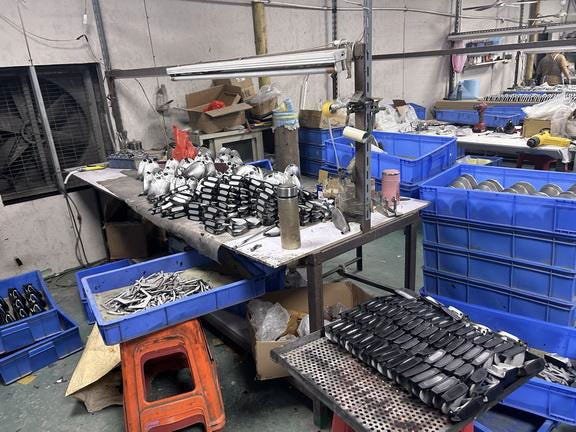
Earlier this month, the U.S. Golf Manufacturers Anti-Counterfeiting Working Group, which is better known inside the industry as The Golf Group, kicked off 2026 with four coordinated criminal raids in Huizhou City, China. Local police detained eight suspects and seized more than 105,000 pieces of counterfeit golf equipment, including clubheads, components, tools and labels bearing the names and trademarks of major manufacturers.
The four raids in Huizhou City, China, led to 105,211 pieces of counterfeit clubs, components, tools, and labels being seized.
If you add that haul to the running total and the number of products The Golf Group has helped authorities seize, it’s staggering: More than three million fake golf products pulled out of circulation since 2004.
Advertisement
Counterfeit clubs aren’t just knockoffs. They’re liabilities. They don’t perform like the real thing, they aren’t built to any meaningful safety standards, and they quietly erode trust in the equipment marketplace.
Jud Hawken, associate general counsel for Ping Golf, said, “As we enter 2026, raid actions like these are a constant reminder to counterfeiters across the globe that their actions have consequences. As golf continues to grow in popularity globally, The Golf Group will work tirelessly to educate consumers on the dangers of counterfeit equipment, supporting law enforcement agencies across the world to prosecute perpetrators to the fullest extent of the law.”

Eight suspects were detained by the Huizhou City police in the four raids.
The Golf Group’s membership reads like a who’s who of modern gear: Acushnet Company (Titleist, FootJoy, Scotty Cameron), Callaway and Odyssey, Dunlop Sports Americas (Srixon, Cleveland Golf, XXIO), Ping, PXG, and TaylorMade. Over the past two decades, their collective has helped shut down thousands of illegal websites, supported more than 300 raids worldwide, and contributed to the conviction of more than 200 counterfeit sellers and distributors, but this isn’t a problem that is going to disappear after a successful raid, or even four. Counterfeiting follows demand, and golf’s continued popularity makes it a ripe target. The takeaway for golfers is simple: if a deal feels too good to be true, it probably is.
This article originally appeared on Golfweek: Golf industry raids in China nab 105,000 piece of counterfeit gear
Read the full article here