

• Ford will stop importing Chinese-built Lincoln vehicles to the U.S. starting in 2030 and expand U.S. production to replace them.
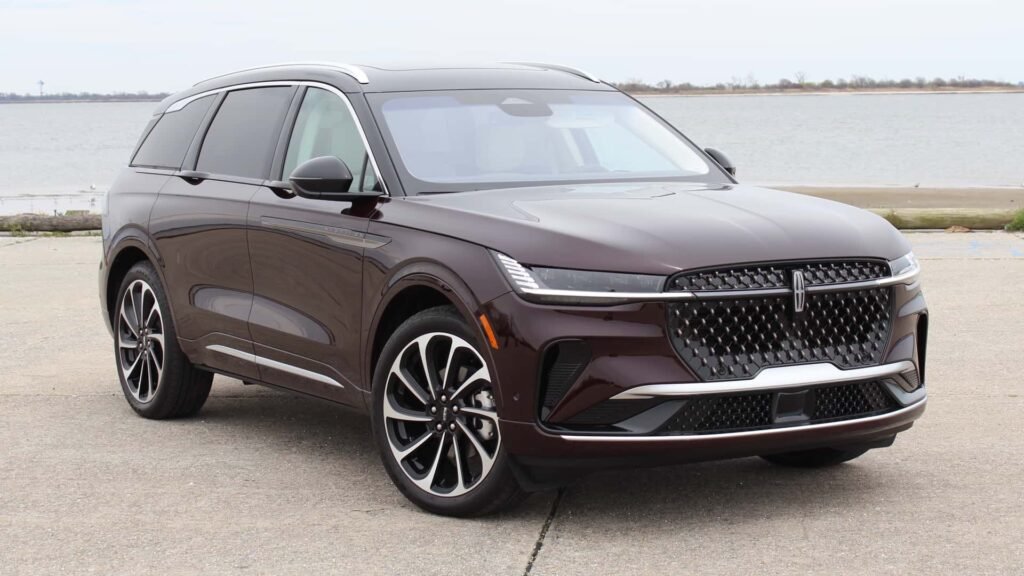
  • The redesigned Lincoln Nautilus is assembled in Hangzhou, China, then exported to U.S. dealers as Lincoln’s lone China-built import.
  • Ford has not named which US plants or investment amounts will add Lincoln production.

Ford has committed to phasing out imports of Chinese-built Lincoln vehicles for the US market starting in 2030 and to expanding Lincoln production at US plants to cover that volume, a shift that lands in the middle of higher tariffs and new limits on Chinese-connected vehicle technology. The current redesigned Lincoln Nautilus is assembled in Hangzhou, China, then exported to American dealers as Lincoln’s lone China-built import, and it is currently subject to a 52.5 percent US tariff on entry that Ford views as a major headwind.

The company has not spelled out which US factory will pick up the slack or how much money it plans to spend to add Lincoln volume. A new Ford assembly plant in Tennessee is scheduled to start production in 2029, and several reports point to it as a plausible, though unconfirmed, candidate to build future Lincolns alongside already-announced Ford trucks.

Models, Tariffs, And The Open Questions

The Nautilus is the headline model because it is currently exported from Changan Ford’s plant in Hangzhou to US buyers. Ford’s plan means that whatever Lincoln crossovers it now imports from China will instead be built in the United States once the 2030 shift happens, avoiding those extra trade costs. Ford has not specifically confirmed that the Nautilus itself will move to US production, or listed any other Lincoln nameplates that will definitely shift.

Timing is another loose end. Reporting notes that a new Nautilus generation is expected around the 2028 model year, which roughly overlaps with Ford’s 2030 import cutoff. It’s not yet clear whether that redesigned SUV would still be imported from China for a few years or move earlier under the new plan, especially as Ford reshuffles crossovers after ending Escape and Lincoln Corsair production to make room for new EVs and trucks at key plants, as covered in The Escape Will Die So Ford’s New Mid-Size EV Pickup Can Live.

Trade and technology rules are the clear backdrop. Imports of China-built vehicles for the US market are under heavier scrutiny, with both steep tariffs and federal restrictions on Chinese-connected vehicle software and hardware making it harder to pencil out a business case for shipping a premium SUV across the Pacific. General Motors is already taking a similar path by moving production of the Buick Envision SUV from China to its Fairfax Assembly plant in Kansas beginning in 2028, underscoring that this is a broader industry shift, not a one-off move. It also echoes Ford’s earlier back-and-forth over building Chinese-designed vehicles in North America, including talks with the Trump administration.


Motor1’s Take: Ford is trying to lock in better margins and fewer policy surprises for Lincoln by trading Chinese-built imports for US-assembled volume while it rides out higher tariffs and tech scrutiny, and the real test will be how quickly it names plants, investment figures, and model changes and whether it can manage the 2028–2030 transition without leaving dealers short on crossovers.

Read the full article here

Leave A Reply