


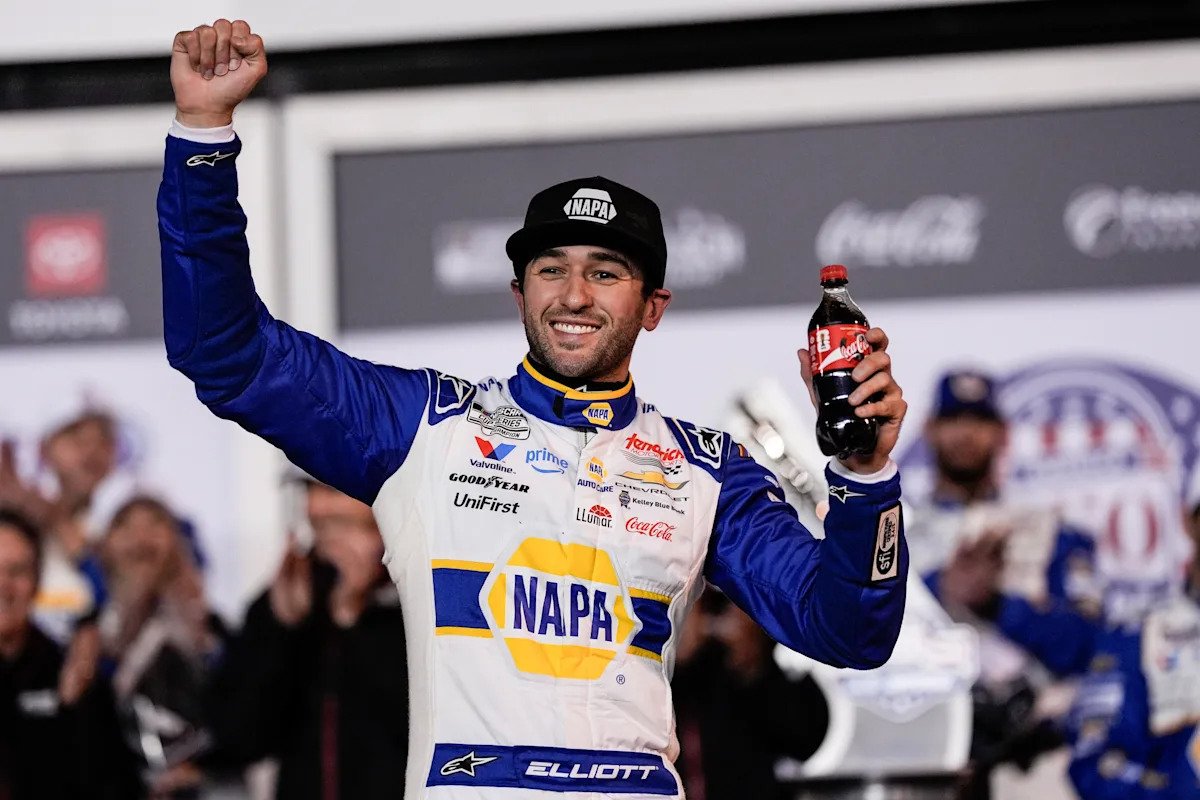
DAYTONA BEACH, Fla. (AP) — Chase Elliott remembers when Hendrick Motorsports was one of the first NASCAR teams to approach superspeedway racing as fuel-mileage events.
It wasn’t that long ago, really.
Elliott said Friday that turning laps at Daytona International Speedway has changed dramatically since the “Next Gen” car’s debut in 2022, especially with everyone else adopting similar strategies and essentially catching up.
Advertisement
“It’s all circumstantial,” said Elliott, NASCAR’s most popular driver. “Who’s pushing who? Do your lanes go or don’t go? The fuel-mileage thing is definitely here to stay. It was a lot more fun when there were about three of us that knew that was going on in 2022. I think everyone quickly caught onto that.
“It’s changed now that everyone is trying to do that versus only a handful of cars taking advantage of it throughout the race. But I don’t know how you fix that.”
Elliott will start fourth in the Daytona 500 after winning a qualifying race Thursday night. The son of NASCAR Hall of Famer Bill Elliott is winless in 10 starts in “The Great American Race,” although he has started from the pole twice and finished as runner-up in 2021.
Elliott said the biggest benefit that comes with winning his third qualifying race (2017, 2018, 2026) is gaining a high pit selection — the ability to grab a spot closest to the exit of pit row or with open space in front of your stall. Either of those help expedite stops.
Advertisement
“You have to live with that all day Sunday, and Sunday is what we want,” Elliott said. “That’s really all that matters to us. … We’ve been crippled by the pit-pick thing more times down here than we’d like. That hurts.
“Obviously the rest of it has to go your way. There’s so much out of your control down here that any little thing you can hedge your bet with is always a really nice plus.”
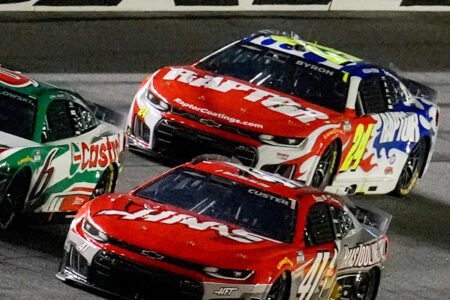
With the evolution of the Cup Series car creating little chance of manipulating parts and pieces, teams rely more on making up spots on race day in the pits: putting on new tires less often and saving fuel on the track so they need less time to fill up during stops.
“We all learned through the rules and the cars becoming extremely similar that you had to get an advantage another way,” said Elliott’s longtime crew chief, Alan Gustafson. “It’s saving fuel and jumping people on pit stop cycles. That came out of necessity of basically the rules package. And I just don’t see where you unlearn that.”
Advertisement
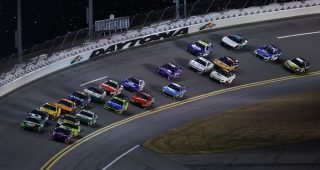
Throw in an aging track that can be slick at times and rough in spots, and the 500-mile race has become as unpredictable as ever.
“It becomes hard to just tow the bottom lane on the yellow line, especially when the pace really picks up at the end of a run, when everybody starts pushing,” Elliott said. “It’s not just as simple as marrying it to the yellow line and it’s sticking.
“You need a little space and room. All those elements as a run progresses make it worse, and the unwillingness that everyone lacks to putting on tires is asking for it. All those things just kind of start piling up and get you vulnerable.”
Even though Elliott doesn’t have a win in the Daytona 500, he’s shown promise. He has finished inside the top 20 six of the last seven years, including that second-place showing in 2021. He’s been even better at Talladega, where he has two victories.
Advertisement
But he’s experienced the other end enough to keep the qualifying-race victory in perspective heading into the 500.
“Experienced enough to know not to get ahead of yourself in any of that for sure,” he said.
___
AP auto racing: https://apnews.com/hub/auto-racing
Read the full article here