


- The BMW Group’s strategic target for 2030 calls for EV/gas sales parity.
- Many new electric cars are on the way.
- EVs accounted for 17.9 percent of last year’s sales.
While many automakers rushed to set end dates for combustion engines, only to backtrack on their EV-only agendas a few years later, BMW has remained committed to ICE. Munich advocates for a wide array of powertrains because it knows there isn’t a globally applicable solution.
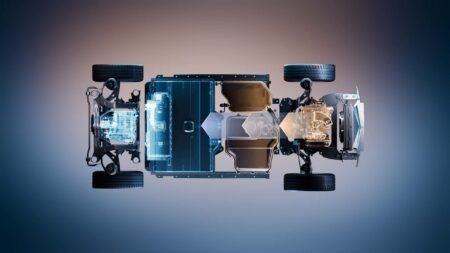
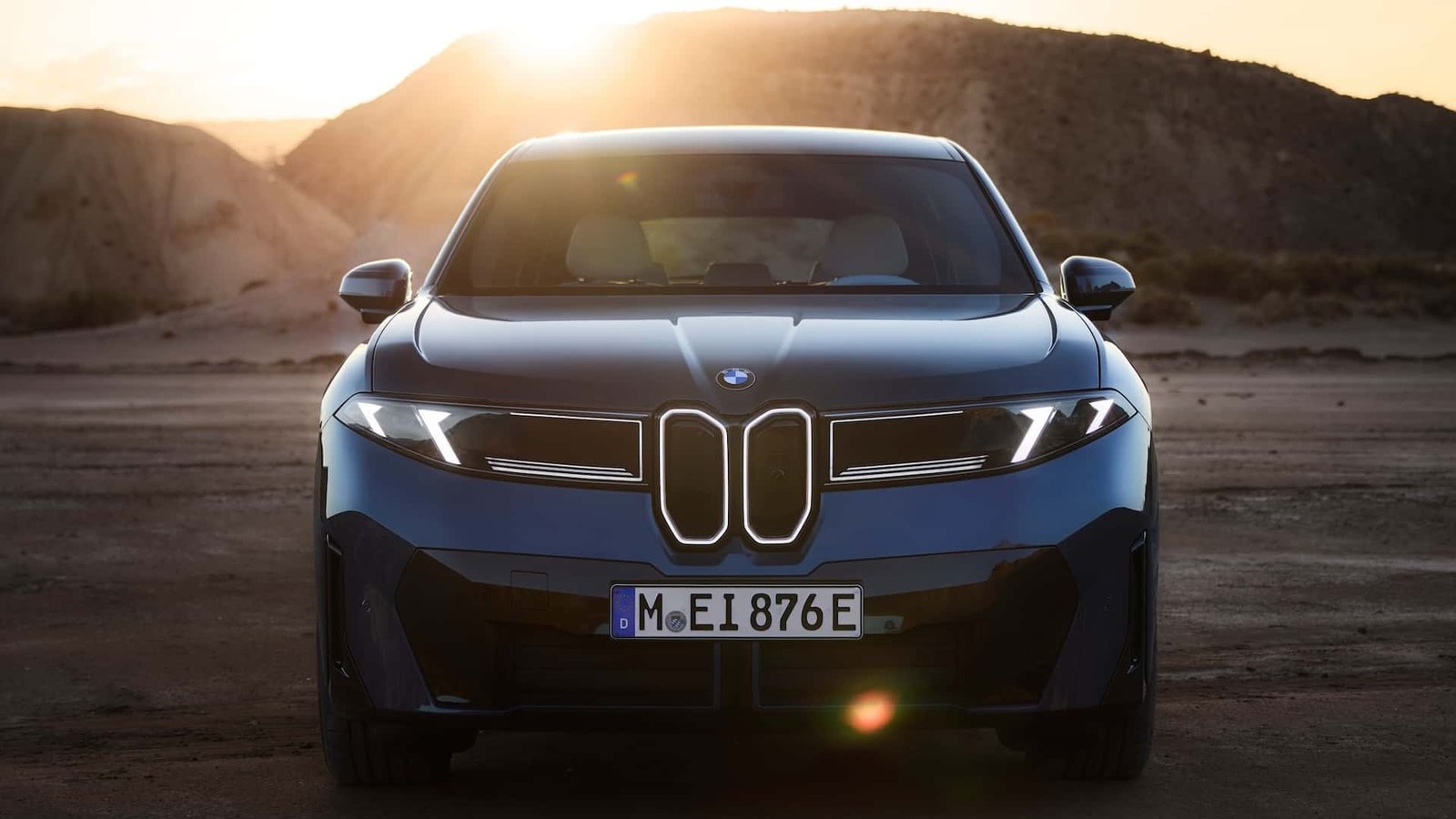
Even as it holds on to gasoline and diesel engines, BMW has spent over €10 billion on Neue Klasse. It’s the largest investment in the company’s history, though not all the funds went into EVs. A portion was reserved for the new iDrive infotainment system, but electric cars took the lion’s share. As seen in the 2026 iX3, there are next-generation motors and batteries, not to mention a completely new factory in Debrecen, Hungary.
At the same time, BMW is expanding its infrastructure for high-voltage battery assembly plants. The goal? Reach sales parity between combustion-engine cars and EVs by 2030. It’s an ambitious target, given that fully electric vehicles accounted for 17.9 percent of total deliveries last year. Referred to as a “strategic target,” the 50-percent goal spans the Group’s three automotive brands: BMW, Mini, and Rolls-Royce.
Photo by: BMW
While there’s still a long way to go, the progress made so far, even without Neue Klasse, is impressive. In 2021, EVs accounted for just 4.1 percent of total volume, rising to 9 percent in 2022, 14.7 percent in 2023, 17.4 percent in 2024, and 17.9 percent in 2025. Whether BMW can pull it off and hit 50 percent by 2030 remains to be seen, though the company believes it’s a realistic goal.
Six months after order books opened, the new iX3 has already racked up more than 50,000 orders. The luxury crossover kicks off an electric product onslaught that continues this week with the i3 sedan. An iX5 will follow later this year, and a larger iX7 is due in 2027. BMW has promised to build at least six electric SUVs in Spartanburg by the end of the decade, and one of them could be an iX6. There are also reports of a rugged SUV to take on the Mercedes G-Class, and that one, too, could receive the electric treatment.
More importantly, from a volume perspective, BMW may launch more affordable models below the iX1 compact crossover. Sources close to Munich claim an i1 hatchback and an i2 sedan will arrive before the decade’s end. Beyond new additions to the range, existing EVs are bound to receive the Neue Klasse treatment, including the iX1 mentioned earlier and Mini’s current crop of electric models.

126
Source: BMW
Motor1’s Take: Along with Toyota, BMW has so far taken one of the most realistic approaches to EV adoption. However, even with an influx of new models, the 2030 target still feels overly ambitious. The company does add an asterisk to its objective, noting that “the dynamic nature of external factors may lead to considerable volatility in the drivetrain mix.”
BMW still has a mountain to climb, especially in the United States. According to Kelley Blue Book estimates, EVs accounted for only a 7.8-percent share of total sales there last year. That’s a far cry from Europe, where cars without combustion engines reached 19.5 percent, according to the European Automobile Manufacturers’ Association. But even ACEA’s analysis suggests that reaching 50 percent worldwide by 2030 will be extremely difficult.
Read the full article here