

Arnold Palmer didn’t just play golf. He changed what it meant to be an athlete in America.
When Palmer charged up the fairway, hitching his pants and flashing that million-dollar smile, something shifted in the sport. Here was a guy who looked like he could’ve been your neighbor, your buddy from the plant, the fellow who’d help you move furniture on a Saturday. He sweated. He grimaced. He celebrated like he’d just won a bar bet, not a major championship.
Advertisement
That was the magic of Arnie. He made excellence look attainable, even when it absolutely wasn’t.
From Latrobe to the World
Palmer grew up in Latrobe, Pennsylvania, the son of a greenskeeper and club professional. He learned the game on the same course where his father worked, and that blue-collar background never left him. Even when he became the most famous golfer on the planet, he remained fundamentally unchanged. He signed every autograph. He looked people in the eye. He remembered names.
Advertisement
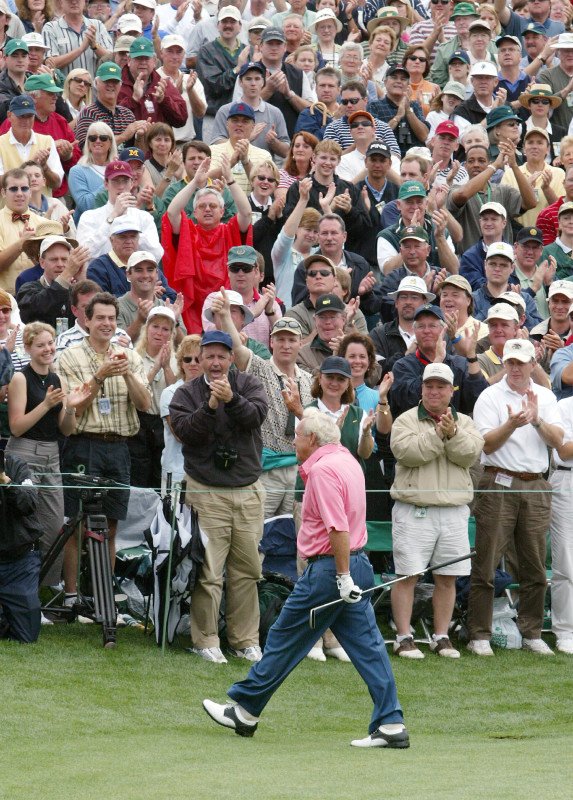
This wasn’t an act. Palmer genuinely loved people, and they loved him back with a ferocity that created something entirely new in sports: Arnie’s Army. These weren’t just fans. They were devotees, marching alongside their general as he attacked golf courses with a go-for-broke style that mirrored their own dreams of glory.
The Presidential Pal
Palmer’s appeal transcended the fairways and reached the highest corridors of power. He counted presidents among his closest friends. Dwight Eisenhower adored him, and later Gerald Ford sought his company as well. They played countless rounds together, and their friendships symbolized something larger than golf. Here was a working-class kid from western Pennsylvania breaking bread with the leaders of the free world, and it felt completely natural.
Advertisement
The relationships weren’t about Palmer climbing social ladders. It was about his authenticity creating a space where everyone, regardless of station, wanted to be around him. Presidents sought his company not because of what he could do for them, but because Arnie made life more enjoyable. He had that rare gift of making whoever he was with feel like the most important person in the room.
Television’s First Golf Star
Palmer’s rise coincided perfectly with television’s golden age, and he understood the medium instinctively. The camera loved his expressive face, his aggressive style, his emotional transparency. When he made a putt, you felt it. When he missed, you hurt with him.
Advertisement
He didn’t just play golf on television. He performed. Not in a manufactured way, but with genuine emotion that translated through the screen into living rooms across America. Suddenly, golf wasn’t just a country club game for the elite. It was drama, excitement, heartbreak and triumph, all wrapped up in a four-hour broadcast.
The Business Revolutionary

But Palmer’s most lasting legacy might be what he did off the course. Working with his manager Mark McCormack, Palmer became the template for the modern athlete as businessman. He didn’t just endorse products. He built an empire.
Advertisement
Palmer understood that his name meant something, that his image had value beyond tournament winnings. He lent his name to everything from golf clubs to car dealerships to iced tea and lemonade. The Arnold Palmer drink became as iconic as the man himself. He proved that athletes could be entrepreneurs, that sports fame could translate into lasting business success.
This wasn’t about greed. Palmer worked as hard on his business ventures as he did on his golf game. He showed up. He delivered. He treated business partners with the same respect he showed gallery members.
The Enduring Legacy
Palmer won 62 PGA Tour events and seven major championships, but the numbers don’t capture his impact. He made golf accessible. He proved that charisma and authenticity could be as valuable as talent. He showed that you could be a champion and still be a regular guy.
Advertisement
In an era of carefully managed public images and corporate speak, Palmer’s legacy reminds us that genuine human connection still matters most. He was the King, but he never stopped being Arnie from Latrobe.
Why We Still Miss Him

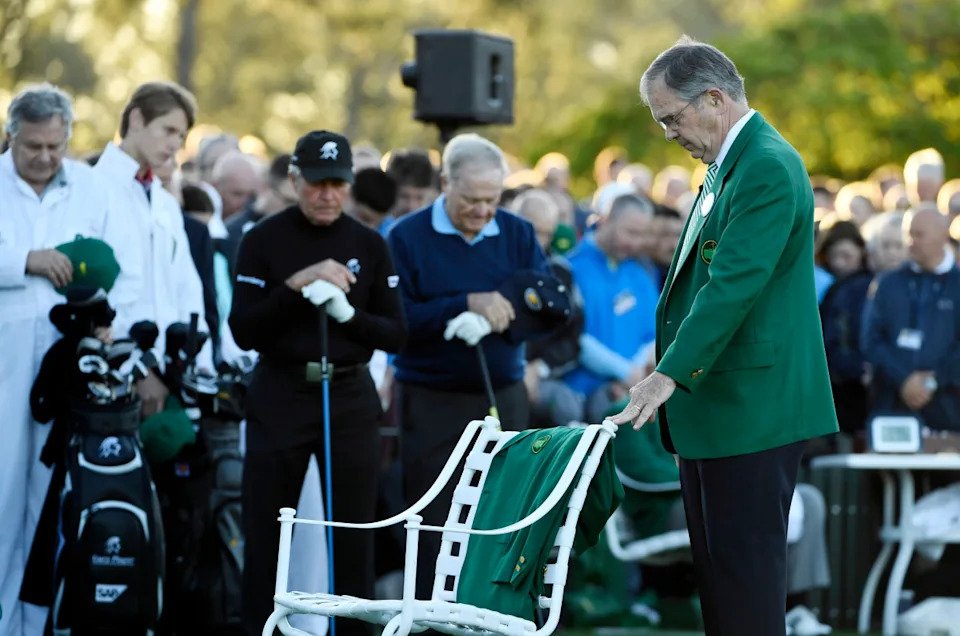
Augusta National Golf Club chairman Billy Payne , Gary Player and Jack Nicklaus bow their heads during a moment of silence in honor of Arnold Palmer before the first round of The Masters at Augusta National Golf Club. Apr 6, 2017; Augusta, GA. Credit: Michael Madrid-USA TODAY Sports
I felt it first hand while on hand at the Masters in 2017, that first Thursday without him. Jack and Gary stood on the first tee, waiting, but the space where Arnie should have been felt impossibly empty. For decades, those three had opened the tournament together, a ritual as sacred as the azaleas themselves. Watching that ceremonial tee shot without him was a reminder that some absences can’t be filled, that certain people are irreplaceable not because of what they accomplished, but because of who they were.
Advertisement
Related: The King’s Commandment: “Play Boldly”
Related: Behind the Scenes at Bay Hill: Where Palmer’s Legacy Lives in Every Blade of Grass
Related: Win a One-of-a-Kind Arnold Palmer Golf Cart to Benefit the Palmer Foundation
This story was originally published by Athlon Sports on Mar 3, 2026, where it first appeared in the Golf section. Add Athlon Sports as a Preferred Source by clicking here.
Read the full article here