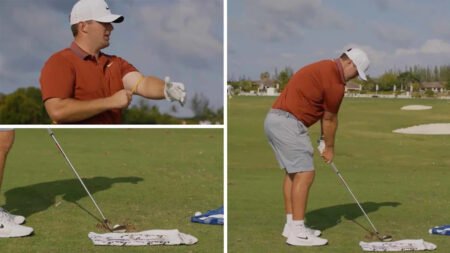




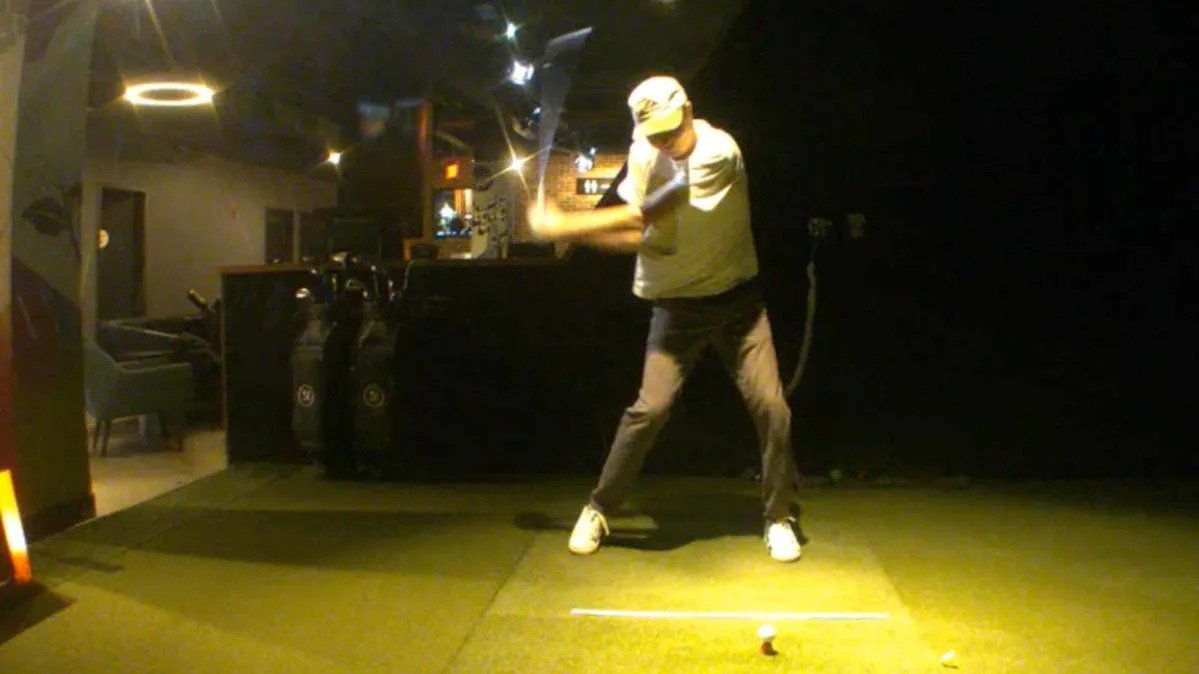
Hitting the ball longer has long been a goal of mine. Only recently, though, did I decide to get serious about it.
After years of procrastinating, I began chasing speed in earnest last summer. And much to my dismay, that pursuit required something I’d long avoided: the gym.
Advertisement
As someone who’s not exactly a gym-bro type, that was a tough pill to swallow. But after consulting with speed experts from across the game, one thing became clear — if I wanted more speed, I needed more strength.
Starting small
In the beginning, I kept it simple. A couple nights a week in the gym, learning what to do and how to do it. The work wasn’t glamorous, but it laid an important foundation.
Slowly, my swing speed began ticking up on the radar. The progress was encouraging — but I also knew I could be more efficient. That’s when I connected with PGA Tour trainer David Sundberg.
Working with a Tour trainer
Sundberg works with multiple Tour players, including Xander Schauffele and Patrick Cantlay. If anyone knows how to build golf-specific strength, it’s him.
Advertisement
“Whether you’re a Tour player or a recreational golfer, the principles are the same,” Sundberg told me. “Move well, get strong, and the speed will come.”
By the time I started Sundberg’s foundational strength routine (which you can read more about here), I’d hit a bit of a plateau. But once I began training with more structure and intention, my speed jumped almost immediately.
From the start, his approach was methodical. Before adding more speed-specific work, he wanted to see where my strength levels stood.
“I’d like to see where we’re at from a strength-development standpoint and how your strength-to-bodyweight ratios look,” he said. “We want a good amount of strength in comparison to body weight before we fully lean into speed-strength training.”
Advertisement
In other words: earn the right to train for speed.
After seeing those early gains, I asked Sundberg to build me a 90-day offseason plan. Now, roughly halfway through, the results are still coming.
Off-season gains
A lot of golfers dread the offseason. I’ve always enjoyed it — it’s usually when I make swing changes. This year, though, the focus shifted. Instead of just grinding on mechanics, I committed to three (sometimes four) days a week in the gym, with the remaining days reserved for simulator work.
The basic strength plan I followed late last year helped build a foundation. This offseason program has taken things up a notch. I’ve been sore more days this winter than ever before — the good, “functionally sore” kind — and my swing speed continues to climb.
Advertisement
As the program progresses, the emphasis will gradually shift.
“We’ll start phasing down the heavier lifting and move more into speed-strength work,” Sundberg said. “Lighter loads, more explosive intent — but only once the strength base is where we want it.”
The biggest surprise so far, though, hasn’t just been raw speed. It’s endurance. It may not look taxing, but maintaining solid mechanics over a four-plus-hour round — or even a long simulator session — is demanding. Once fatigue sets in, posture slips, sequencing gets sloppy and bad swings follow.
Even though we’re training primarily for max strength, Sundberg explained that endurance benefits are a natural byproduct.
Advertisement
“Even when you’re training for max strength, there’s a downstream effect on endurance and overall capacity,” he said. “You’re able to do more for longer before you fatigue.”
That’s been one of the clearest changes I’ve noticed. I can hit more balls without my mechanics breaking down. I don’t feel my posture collapsing late in sessions. And when fatigue doesn’t creep in, practice actually stays productive.
“It happens gradually, so you may not notice it in the moment,” Sundberg said. “But if you’re maintaining posture and swing mechanics deeper into the round, that’s a huge win.”
And if that translates to holding form on holes 15 through 18, that’s where real scores start to drop. Yet another reason the gym is becoming a permanent part of my routine.
Advertisement
Check out below for a breakdown of the offseason workouts I’ve been doing.
Off-season training program
Weekly structure
-
Weekend: Active recovery / mobility
Day 1 – Lower Body (55–65 minutes)
Warm-up
-
Half-Kneeling Hip Flexor Stretch w/ Reach – 30 sec/side
-
90/90 Hip Rotations – 8/side
-
Open Book T-Spine Rotation – 6/side
-
Glute Bridge w/ Band Abduction – 12 reps
-
Side Plank – 25–30 sec/side
-
Front Plank – 30–40 sec
Plyometrics (Level 2)
-
Pogo Jumps – 3×12–15
-
Lateral Line Hops (single-leg) – 2×10/side
-
Box Jumps (12–18”) – 3×5 (step down after each rep)
Strength
Rear-Foot Elevated Split Squat
-
Week 1: 3×10, 10, max (20 lb dumbbells)
-
Week 2: 3×6, 6, max (25 lb dumbbells)
-
Week 3: 3×8, 8, max (25 lb dumbbells)
-
Week 4: 2×8 (15 lb dumbbells)
Single-Leg Romanian Deadlift
-
Week 1: 3×10, 10, 12 (16 lb)
-
Week 2: 3×6, 6, 8–10 (20 lb)
-
Week 3: 3×8, 8, 8–10 (20 lb)
Core Circuit
-
Mini-Band Lateral Walks – 3×12 steps
-
Half-Kneeling Pallof Press + Hold – 3×8/side
-
Dead Bug with Band Pulldown – 3×8/side
-
Single-Leg Balance Reach – 3×6/leg
Day 2 – Upper Body (50–60 minutes)
Warm-up
-
Serratus Wall Slides – 10
-
Band External Rotations – 12
-
Cat–Cow to T-Spine Rotation – 6/side
Upper Body Plyometrics
-
Plyo Pushups (hands on bench) – 3×5
-
Band Pull-Aparts – 3×8 (between plyo pushup sets)
Rest 45 sec after each sequence
Strength
Rest 90–120 sec between sets
DB Incline Bench Press
-
Week 1: 3×10, 10, max (20 lb dumbbells)
-
Week 2: 3×6, 6, max (25 lb dumbbells)
-
Week 3: 3×8, 8, max (25 lb dumbbells)
-
Week 4: 2×6 (15 lb dumbbells)
2-Arm Prone DB Row
-
Week 1: 3×10, 10, max (20 lb dumbbells)
-
Week 2: 3×6, 6, max (25 lb dumbbells)
-
Week 3: 3×8, 8, max (25 lb dumbbells)
-
Week 4: 2×6 (15 lb dumbbells)
Accessory Work
-
Y’s on Bench – 2×12 (light plate or dumbbell)
-
Face Pulls – 2×12–15
Rest 60 sec
Core Circuit
-
Bear Crawl – 3×20–30 sec
-
Side Plank – 3×25–35 sec/side
-
Anti-Rotation Press with Step-Out – 3×6/side
Day 3 – Full Body (55–60 minutes)
Warm-up
-
Serratus Wall Slides – 10
-
90/90 Hip Rotations – 8/side
-
Cat–Cow to T-Spine Rotation – 6/side
-
Half-Kneeling Hip Flexor Stretch – 30 sec/side
-
Glute Bridge w/ Band – 12
-
Side Plank – 25–30 sec/side
-
Front Plank – 30–40 sec
Plyometrics
-
Vertical Jump (land soft, rebound immediately) – 3×4
-
Lateral Bound to Stick – 3×4/side
Strength
Half-Kneeling Landmine Press
-
Week 1: Find a weight you can perform for 10 quality reps; 3 sets, 90 sec rest
-
Week 2: Add 2.5–5 lbs; 3 sets (leave 1–2 reps in reserve)
-
Week 3: Add 2.5–5 lbs; perform 4 reps, 4 reps, then max reps (record weight and reps)
Goblet Squat to Box
Rest 90 sec between sets
-
Week 1: Use previous 12-rep max
-
Week 3: Add 5 lbs
-
Set 3: 8+ reps (record weight and reps)
-
Week 4: 3×8 at Week 1 weight
1-Arm Half-Kneeling Lat Pulldown
-
Week 4: 3×10 at half weight (controlled tempo)
Rest 60 sec
Tall-Kneeling Cable Chop
-
2×6/side (use a challenging but controlled weight)
Rest 60 sec
Hyperice Normatec 3 Leg Recovery System
Hyperice Normatec 3 Leg Recovery System
Fresh legs faster Normatec 3 is the next evolution of the iconic Normatec series, using dynamic air compression to advance your wellness, recover faster, improve your training, and maximize your performance. Normatec’s patented precision pulse technology helps to increase circulation, revive muscles, and reduce swelling and has long been the choice of elite athletes and consumers throughout the globe. The ultimate massage experience Warm-up and recover like never before. The Normatec 3 uses dynamic air compression to create a restorative massage that helps you feel refreshed faster. 7 levels of compression and our patented Pulse technology deliver precise treatment to 5 overlapping zones with ZoneBoost™ by using biomimicry to replicate the natural muscle pumps and one way valves of the legs. Trust us, your legs will thank you.
Advertisement
$899.00 from Fairway Jockey
View Product
The post A PGA Tour trainer is helping me add swing speed. Here’s what’s working appeared first on Golf.
Read the full article here