



”
], { type: “text/html” }
);
const iframe = document.createElement(“iframe”);
iframe.src = URL.createObjectURL(blob);
iframe.style.cssText = “width:100%;height:100%;border:0;”;
container.appendChild(iframe);
attachIframeMessageListener(iframe);
}
const observer = new IntersectionObserver((entries, obs) => {
const entry = entries[0];
if (entry.isIntersecting) {
obs.unobserve(entry.target);
requestIdleCallback(() => {
initWidget(entry.target);
}, {
timeout: 200
});
}
}, {
root: null,
rootMargin: “300px 0px”,
threshold: 0.01
});
requestIdleCallback(() => {
$all(“.nl-inline-form-container”).forEach((c) => {
observer.observe(c);
});
});
})();
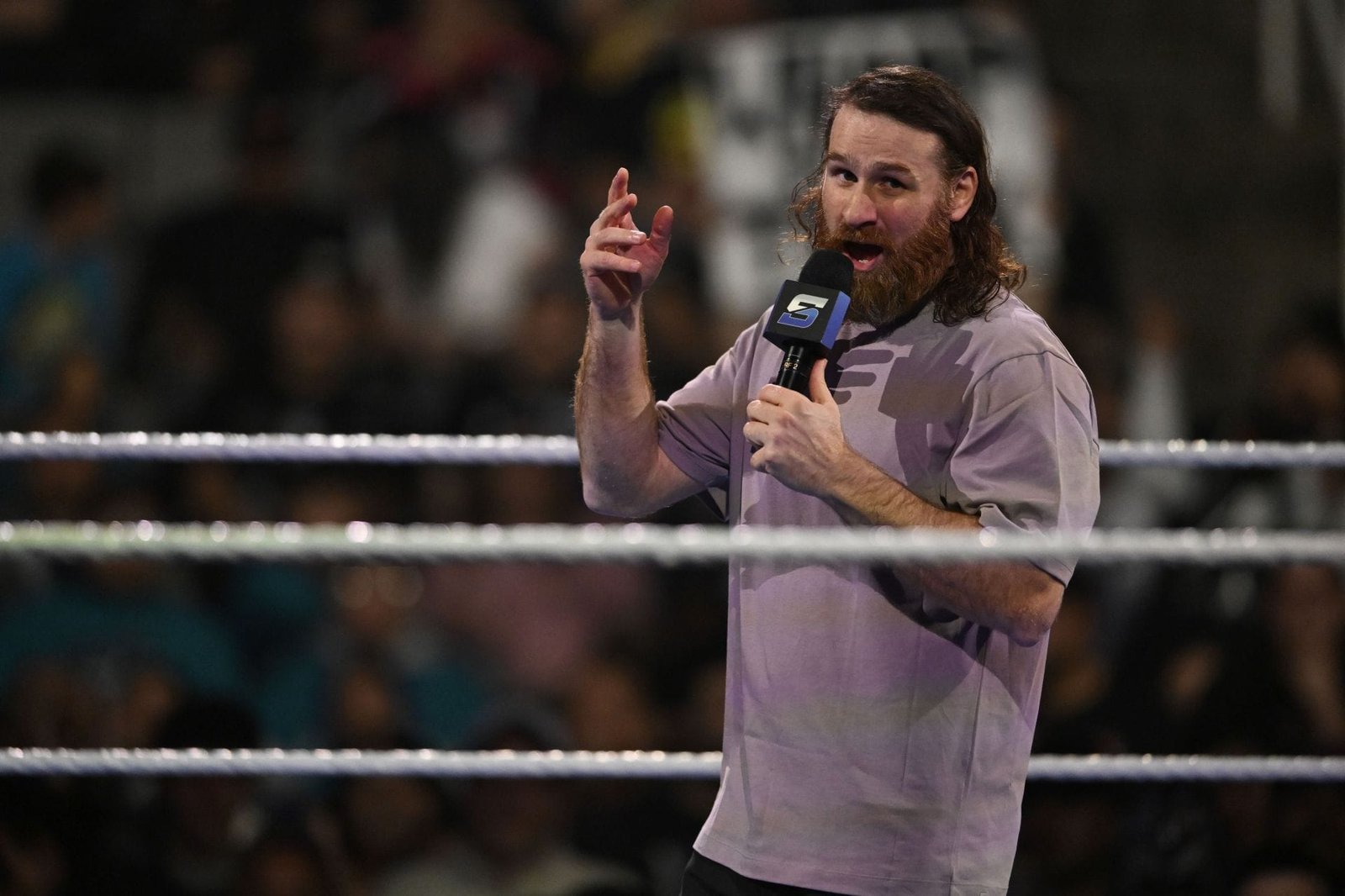
Priest got the better of Finn Balor that year, but on 24th July, just eight days before SummerSlam, Balor pinned Damian Priest, getting a measure of revenge after 719 days (that was how long ago SummerSlam 2024 was). Now, Balor has been confirmed as Sami Zayn’s SummerSlam opponent and will be competing for a WWE title shot after the big show.
Damian Priest will have to go back to the drawing board, but for now, he has a Tag Team Title match coming up. Royce Keys was the man who was almost certain to win, but interference from The Usos and Jacob Fatu cost him despite LA Knight and Solo Sikoa coming to assist. Fatu strategically timed his appearance to ensure Keys got the short end of the stick.
As for Trick Williams, he wasn’t a big force in this match.
`;
if (index == 3 && isOpera) {
storyHTML += `
`;
}
recommendedArticlesContainer.innerHTML += storyHTML;
});
}
}
function getStoryActionHTML(story, storyTitle, permalink) {
if (shouldHidePostActions) return “”;
return `
`;
}
function recommendedArticles() {
var baseUrl = “https://cf-gotham.sportskeeda.com/recommendations/post/news-wwe-star-gets-revenge-719-days-smackdown-will-face-sami-zayn-high-stakes-summerslam-match?lang=en&category=wwe”;
pureJSAjaxGet(baseUrl, function(data) {
renderRecommendedArticles(data);
if (isOpera) {
renderOperaFeedAd();
}
}, function() {}, false);
}
var options = {
root: null,
rootMargin: “0px 0px 70% 0px”,
threshold: 0.1
};
var observer = new IntersectionObserver(function (entries) {
entries.forEach(function (entry) {
if (entry.isIntersecting) {
recommendedArticles();
observer.unobserve(entry.target);
}
});
}, options);
var targetElement;
if (showAlsoReadSection && !showAlsoReadSectionV2) {
targetElement = document.querySelector(‘.also-read-articles-container’);
} else {
targetElement = document.querySelector(‘.recommended-posts’);
}
if (targetElement) {
observer.observe(targetElement);
}
function renderOperaFeedAd() {
var operaFeedArticleAd = $(“.opera-article-feed-ad”);
if (!operaFeedArticleAd) {
return;
}
var firstScript= document.createElement(‘script’);
firstScript.setAttribute(“type”, “text/javascript”);
firstScript.setAttribute(“src”, “https://pagead2.googlesyndication.com/pagead/js/adsbygoogle.js?client=ca-pub-1883810847636355”);
firstScript.setAttribute(“async”, true);
firstScript.setAttribute(“crossorigin”, “anonymous”);
operaFeedArticleAd.appendChild(firstScript);
operaFeedArticleAd.innerHTML += `
`;
var secondScript = document.createElement(‘script’);
var secondScriptCode=””;
try {
secondScript.appendChild(document.createTextNode(secondScriptCode));
operaFeedArticleAd.appendChild(secondScript);
} catch (e) {
console.error(e);
}
}
})();
Fetching more content…

Read the full article here