



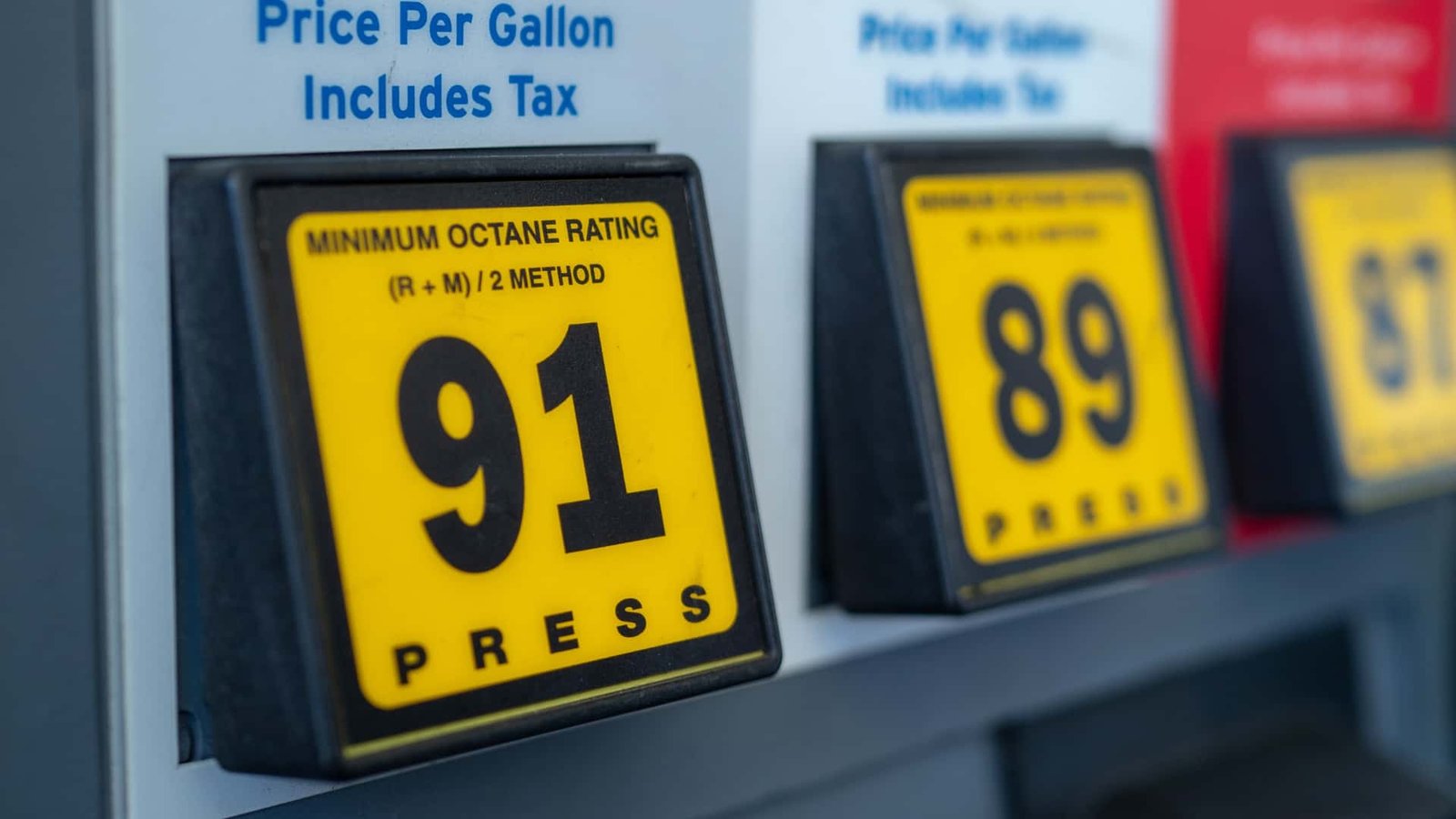
Pull into almost any gas station in America, and you’ll see the same three choices staring back at you: 87, 89, and either 91 or 93 octane. It’s easy to assume each button corresponds to its own underground storage tank. After all, why would a gas station offer three different grades of fuel if it didn’t have three different tanks?
The answer is much simpler—and a lot more clever.
Despite offering three fuel grades at the pump, most gas stations only store two kinds of gasoline underground: regular and premium. The middle option isn’t sitting in its own tank waiting for you to select it. Instead, it’s created on demand every time someone presses the 89-octane button.
It’s one of those behind-the-scenes pieces of automotive engineering that’s been around for years, yet most drivers have no idea it’s happening.
Here’s How It Works
When you select regular gasoline, the dispenser simply pulls fuel from the regular storage tank. Select premium, and it draws exclusively from the premium tank.
But press the button for 89 octane, and the process changes. Here’s how it works:
- Most gas stations only have two underground gasoline tanks: one for regular fuel and one for premium.
- Mid-grade gasoline is blended inside the pump instead of being stored in its own tank.
- The system saves space and money while still giving drivers three octane choices at every fill-up.
Instead of pulling fuel from a third underground tank, the dispenser simultaneously draws gasoline from both the regular and premium tanks. Inside the pump, a computerized blending system meters each fuel in precise amounts before combining them into a single stream that flows into your vehicle.
By carefully controlling that ratio, the dispenser produces gasoline with the advertised octane rating before it ever leaves the nozzle.
In other words, the 89-octane fuel you’re pumping didn’t exist until a few seconds before it entered your tank.
That’s why service technicians opening a fuel dispenser will often find only two fuel lines feeding the pump instead of three.
Why It Matters
- You’re still getting exactly the octane rating you paid for. Modern pumps are designed to blend fuel with remarkable precision.
- Blending fuel is an industry-standard practice, not a shortcut used by one particular gas station brand.
- The setup is more efficient for stations because midgrade fuel accounts for only a small percentage of total gasoline sales.
The system makes a lot of sense once you think about it.
Installing underground fuel tanks is incredibly expensive. Between excavation, environmental regulations, monitoring equipment, and maintenance, each additional tank represents a significant investment. If relatively few customers are buying midgrade gasoline, dedicating an entire storage tank to it simply isn’t practical.
Blending fuel inside the dispenser solves that problem. Stations only need to store the two fuels customers buy most often, while the dispenser creates the third option whenever it’s requested.
It also gives stations more flexibility. Rather than worrying about keeping three separate tanks stocked at all times, operators only have to monitor supplies of regular and premium gasoline.
Some drivers hear this and immediately wonder whether blended midgrade is somehow lower quality than fuel stored in its own tank.
The answer is no.
Dispensing With Accuracy
Modern fuel dispensers use highly accurate metering systems that carefully measure how much regular and premium gasoline enters the blend. The resulting fuel meets the advertised octane rating just as if it had been delivered to the station as a separate product.
That’s important because octane isn’t a measure of fuel quality or energy content. Instead, it’s a measure of a gasoline’s resistance to pre-ignition, or engine knock. As long as the pump delivers the proper blend, your engine receives exactly the octane level your owner’s manual calls for.
State Weights and Measures agencies routinely inspect fuel dispensers to verify they’re delivering both the correct amount of fuel and the proper octane rating. Pumps that fall outside acceptable tolerances must be recalibrated before they can continue serving customers.
So the next time you pull up to a gas station, take another look at those three buttons on the pump. Even though you’re choosing between three fuel grades, chances are only two underground tanks—and two fuel lines—are doing all the work.
It’s one of those everyday automotive details that’s easy to overlook, but once you know how it works, you’ll never look at a gas pump the same way again.
Read the full article here