”
], { type: “text/html” }
);
const iframe = document.createElement(“iframe”);
iframe.src = URL.createObjectURL(blob);
iframe.style.cssText = “width:100%;height:100%;border:0;”;
container.appendChild(iframe);
attachIframeMessageListener(iframe);
}
const observer = new IntersectionObserver((entries, obs) => {
const entry = entries[0];
if (entry.isIntersecting) {
obs.unobserve(entry.target);
requestIdleCallback(() => {
initWidget(entry.target);
}, {
timeout: 200
});
}
}, {
root: null,
rootMargin: “300px 0px”,
threshold: 0.01
});
requestIdleCallback(() => {
$all(“.nl-inline-form-container”).forEach((c) => {
observer.observe(c);
});
});
})();
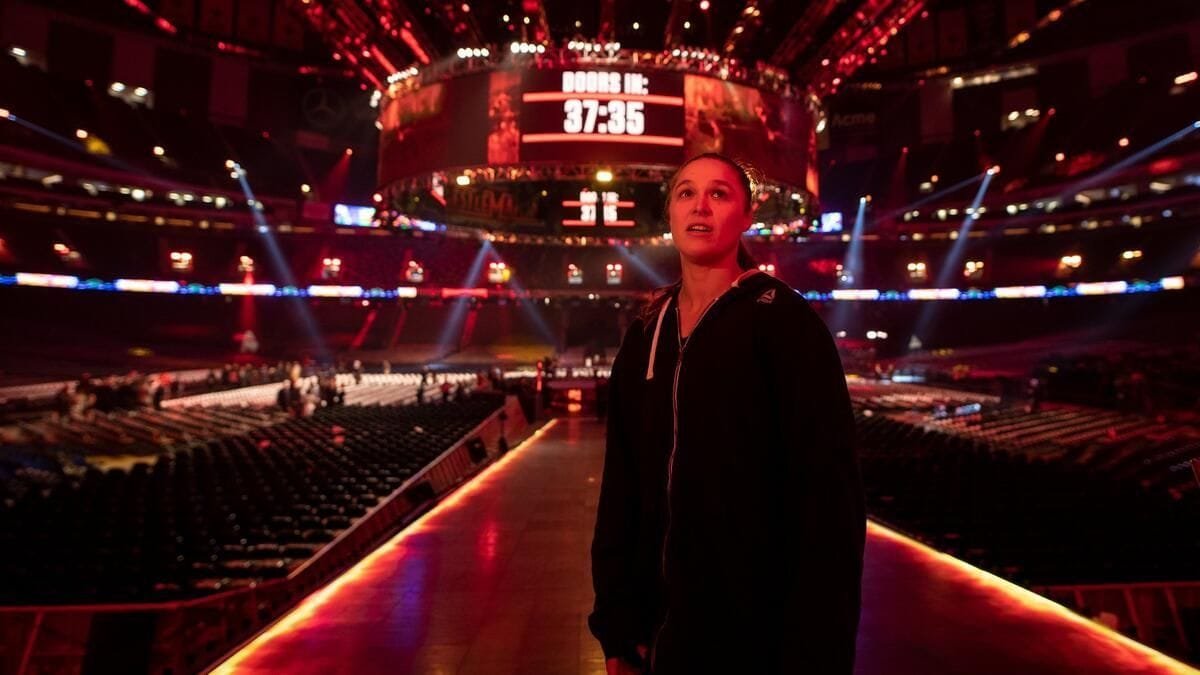
However, her time in WWE didn’t have a good ending, and Rousey has publicly spoken about her frustration with the company on multiple occasions. With that said, here are four mistakes that the Stamford-based promotion made with the UFC veteran.
3. SummerSlam 2023 MMA Rules Match
In her final WWE match, Ronda Rousey faced her real-life friend, Shayna Baszler, in an MMA Rules match. The former Women’s Champion ended up putting Baszler over in a match that lasted seven-and-a-half minutes and lost by submission.
It was seemingly the only match in Rousey’s WWE career where she was submitted, but the match was heavily criticized by fans. The fact that it was preceded by a throwaway battle royale did it no favors, but the match marked an incredibly underwhelming ending to her career with the Stamford-based promotion.
2. Not pairing Ronda Rousey up with a manager
One of the main criticisms of Rousey’s time in WWE was her lackluster approach on the mic. Despite being one of the most decorated combat athletes of all-time, her time in the Stamford-based promotion didn’t reach the expected heights as she struggled to form a connection with the fans.
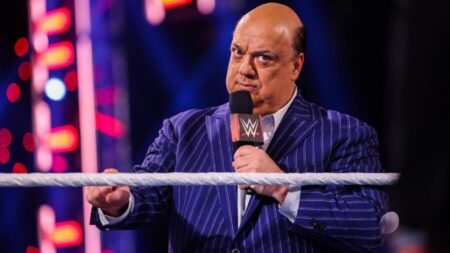
One of the main reasons why Brock Lesnar reached and remained in the main event spot was because of his partnership with Paul Heyman. Similarly, WWE should have paired Rousey up with a manager to help her have a better presence. While Paul Heyman would have been the obvious choice, having someone similar to help her out would have helped position Rousey as a destroyer in the women’s division, a role she would have likely thrived in.
1. Not having a singles match against Becky Lynch
WrestleMania 35 was main-evented by a Triple Threat Match between Charlotte Flair, Becky Lynch, and Ronda Rousey. The Man was able to claim victory and leave the premium live event with both the SmackDown and RAW Women’s Championships, becoming ‘Becky Two Belts’ in the process.
However, apart from the seemingly botched finish with Rousey’s shoulder seemingly off the mat, the fact that she never had a singles match against Lynch was baffling to say the least. Ronda Rousey later revealed that she had pitched a match against Lynch to the creative team, but it never ended up materializing for several reasons.
A singles match against Lynch was something fans desperately wanted to see, and something that would have helped her career immensely as well. But it never ended up happening and was a big mistake in hindsight.
`;
if (index == 3 && isOpera) {
storyHTML += `
`;
}
recommendedArticlesContainer.innerHTML += storyHTML;
});
}
}
function getStoryActionHTML(story, storyTitle, permalink) {
if (shouldHidePostActions) return “”;
return `
`;
}
function recommendedArticles() {
var baseUrl = “https://cf-gotham.sportskeeda.com/recommendations/post/3-mistakes-wwe-made-with-ronda-rousey?lang=en&category=wwe”;
pureJSAjaxGet(baseUrl, function(data) {
renderRecommendedArticles(data);
if (isOpera) {
renderOperaFeedAd();
}
}, function() {}, false);
}
var options = {
root: null,
rootMargin: “0px 0px 70% 0px”,
threshold: 0.1
};
var observer = new IntersectionObserver(function (entries) {
entries.forEach(function (entry) {
if (entry.isIntersecting) {
recommendedArticles();
observer.unobserve(entry.target);
}
});
}, options);
var targetElement;
if (showAlsoReadSection && !showAlsoReadSectionV2) {
targetElement = document.querySelector(‘.also-read-articles-container’);
} else {
targetElement = document.querySelector(‘.recommended-posts’);
}
if (targetElement) {
observer.observe(targetElement);
}
function renderOperaFeedAd() {
var operaFeedArticleAd = $(“.opera-article-feed-ad”);
if (!operaFeedArticleAd) {
return;
}
var firstScript= document.createElement(‘script’);
firstScript.setAttribute(“type”, “text/javascript”);
firstScript.setAttribute(“src”, “https://pagead2.googlesyndication.com/pagead/js/adsbygoogle.js?client=ca-pub-1883810847636355”);
firstScript.setAttribute(“async”, true);
firstScript.setAttribute(“crossorigin”, “anonymous”);
operaFeedArticleAd.appendChild(firstScript);
operaFeedArticleAd.innerHTML += `
`;
var secondScript = document.createElement(‘script’);
var secondScriptCode=””;
try {
secondScript.appendChild(document.createTextNode(secondScriptCode));
operaFeedArticleAd.appendChild(secondScript);
} catch (e) {
console.error(e);
}
}
})();
Fetching more content…

Read the full article here