

It seems impossible, with half the country currently blanketed in snow, but the ceremonial start of the 2026 MLB season is just 15 days away.
When pitchers and catchers start reporting to spring training on Feb. 10, the focus of the baseball world will shift from offseason mode to preseason mode. And while most of this winter’s major narratives have already been resolved in one way or another, there are assorted dribs and drabs of business yet to be conducted.
Advertisement
Let’s run through some of the biggest loose ends that still need to be tied up as this eventful MLB offseason winds down.
How will the Astros unclog their corner infield logjam?
Carlos Correa getting dealt to Houston at last year’s trade deadline was one of the most shocking in-season transactions in recent memory. The Astros swooped in to reunite with the franchise icon only because their regular third baseman, Isaac Paredes, was set to miss most of the second half due to injury. It was a bold plan that worked out in the short term; Correa performed well for Houston down the stretch, even as the Astros missed the playoffs for the first time since 2016.
Advertisement
But with Paredes healthy entering 2026, the Astros find themselves with something of a positional jumble. Jeremy Peña is entrenched at shortstop, which pushed Correa to third in the first place. Christian Walker, in Year 1 of a three-year, free-agent deal, started at first base in all but 10 of Houston’s games last season. José Altuve will get the majority of starts at second, with Yordan Alvarez primed to be the every-day DH. That leaves no room for Paredes, who produced at an All-Star level when healthy in 2025.
Walker, given his age (almost 35) and the money left on his deal ($40 million over two years), is the harder piece to trade. Multiple clubs could be interested in Paredes, but the Mexican slugger was Houston’s most consistent hitter for large stretches last season. Perhaps the Astros hold on to both and try to find enough playing time for everyone, but they feel like a good trade partner for our next topic.
How will the Red Sox unclog their outfield logjam?
Ceddanne Rafaela needs to play center field every day because he might be the best defensive outfielder in the American League. Roman Anthony needs to play right field every day because he’s one of the most talented youngsters in baseball, and Boston just gave him an eight-year, $130 million extension. That effectively leaves the Red Sox with three players (Jarren Duran, Wilyer Abreu and Masataka Yoshida) for two spots (left field, designated hitter).
Advertisement
Yoshida, with a career .762 OPS, no defensive skills and $37.2 million and two years left on his deal, is clearly the least valuable of that trio. It’s hard to imagine another club taking on that contract. Abreu is a stellar defender with a well-above-average bat, but he struggles mightily against left-handed pitching. That’s also true for Duran, who followed an eighth-place MVP finish in 2024 with a relatively underwhelming showing in 2025. He and Abreu are superfluous on Boston’s roster, but chief baseball officer Craig Breslow has yet to find a trade partner for either. A swap with the Astros involving Paredes would make a ton of sense.
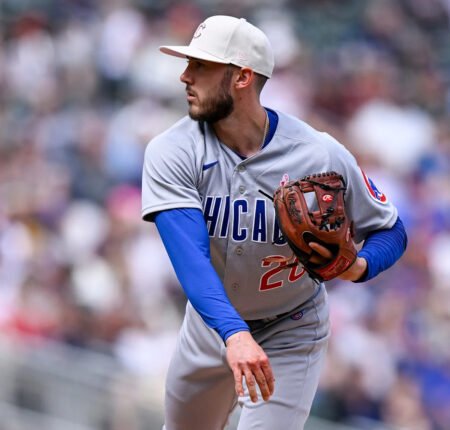
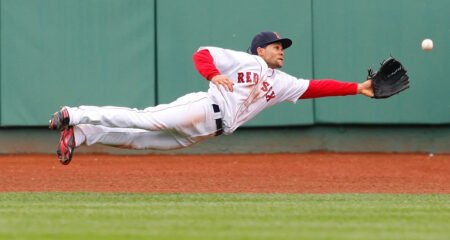
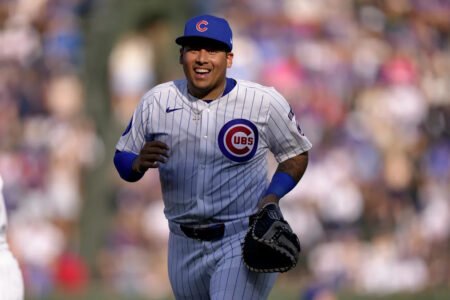
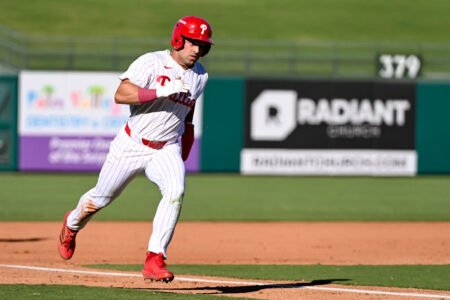
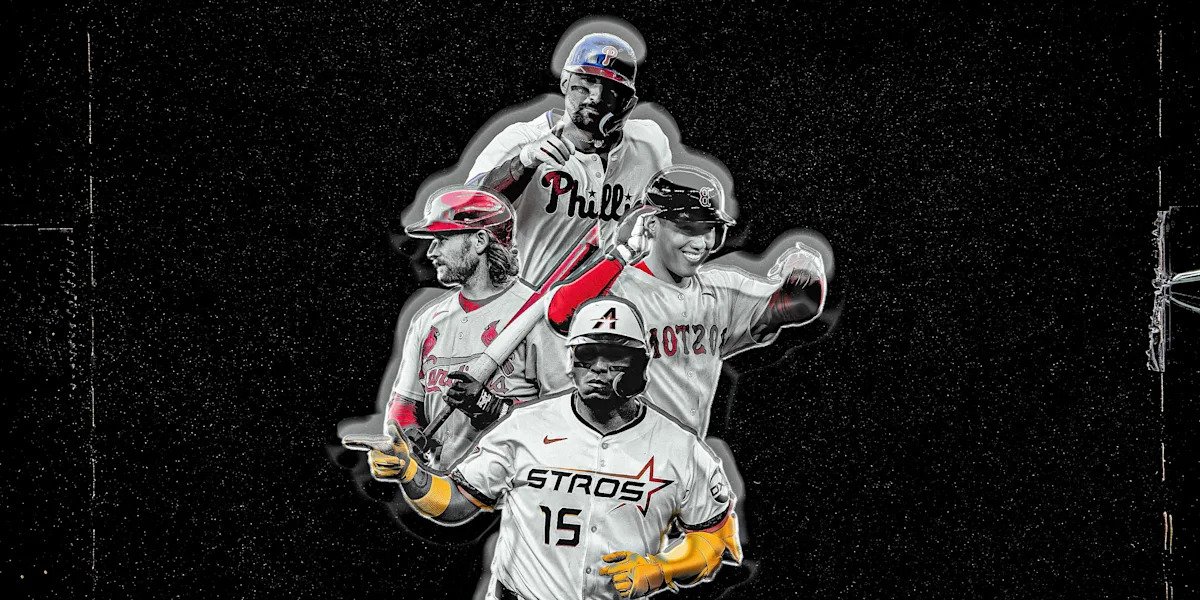
(Clockwise from top) Nick Castellanos, Masataka Yoshida, Isaac Paredes and Brendan Donovan could all find themselves on new teams before Opening Day 2026.
(Henry Russell/Yahoo Sports)
Will the Cardinals trade Brendan Donovan?
St. Louis’ winter teardown is nearly complete. New president of baseball operations Chaim Bloom has already shipped away a bevy of high-priced vets in Nolan Arenado, Sonny Gray and Willson Contreras. The 2026 team might take a step back, but it’s a worthwhile price to pay, considering how overdue a rebuild was in St. Louis.
Advertisement
But Donovan presents a slightly different dynamic than the three since-departed cornerstones. The versatile utilityman is still 29 years old, doesn’t hit free agency until after the 2027 season and is on a $5.8 million contract for 2026 that should fit within any contender’s budget. That makes Donovan a much more valuable trade commodity than Arenado, Gray or Contreras, none of whom returned any can’t-miss prospects to St. Louis.
Which teams would part with that type of prospect capital? Seattle, with a farm system full of interesting, high-level position-player prospects, could upgrade at second or third. The Giants, who have reportedly shown interest in both Donovan and Cubs second baseman Nico Hoerner this winter, have a hole at second. The same is true for Boston, who has Romy Gonzalez penciled in at the keystone right now.
When and how will the Phillies part ways with Nick Castellanos?
The soon-to-be 34-year-old was one of the worst every-day players in MLB last season, posting a subpar .250/.294/.400 batting line to go alongside dreadful defense in right field. Castellanos also butted heads with Phillies leadership, alienating himself within many pockets of the organization. It’s an ugly situation — ugly enough that Philadelphia is widely expected to cut bait on Castellanos at some point this winter.
Advertisement
But given the $20 million he’s due this season, Castellanos isn’t at the top of any other team’s must-have list. Maybe president of baseball operations Dave Dombrowski will find a club desperate enough to take a chance on the veteran bat, but the Phillies will almost certainly need to cover most, if not all, of Castellanos’ contract in order to move him. If nobody comes calling by the time spring training starts, expect the Phillies to outright release Castellanos and eat the money.
Somebody has to sign Framber Valdez, right?
The 32-year-old left-handed starter is the only player in the top 10 of our free-agent rankings who has yet to sign. Valdez, who started 166 games for Houston over the past eight years, drew a torrent of criticism last season when he was alleged to have intentionally thrown a pitch at his catcher’s face during a game in retaliation for a pitch-calling miscommunication. That incident became a huge story, and the consensus around the sport right now is that it’s having an adverse effect on Valdez’s free-agent market.
Advertisement
He’s still going to cost a pretty penny — not many pitchers with a 3.36 career ERA and ample postseason experience hit the open market — but at this point, it seems like Valdez’s contract might come in below what was expected when the winter began. A shorter-term, “prove-it” type of deal with opt-outs could come into play. Keep an eye on the Orioles, Mets, Giants and Tigers, all of whom could certainly use another frontline arm.
Read the full article here